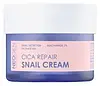
This calming moisturizer is formulated around Snail Secretion Filtrate and Niacinamide to calm redness and strengthen the skin barrier.
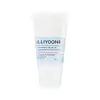
This barrier-repair moisturizer is formulated around Hydroxypropyl Bispalmitamide Mea and Panax Ginseng Root Water to strengthen the skin barrier and hydrate skin.

What's inside
What's inside
 Key Ingredients
Benefits
Concerns
Ingredients Side-by-side
Snail Secretion Filtrate 88%
Skin Conditioning





Dimethicone
Emollient
Niacinamide
Smoothing







Cetearyl Olivate


Sorbitan Olivate
Emulsifying
Butylene Glycol
Humectant
Caprylic/Capric Triglyceride
Masking
Cetyl Alcohol
Emollient
Stearyl Alcohol
Emollient
Artemisia Capillaris Extract
Glyceryl Stearate
Emollient
Carbomer
Emulsion StabilisingTromethamine
BufferingPolyacrylate-13
Palmitic Acid
Emollient


Stearic Acid
Cleansing
Ethylhexylglycerin
Skin ConditioningSodium Hyaluronate
Humectant
Polyisobutene
Sodium Polyacrylate
Absorbent
Pyrus Communis Fruit Extract
Skin ConditioningRosa Damascena Flower Water
Masking
Hedera Helix Leaf/Stem Extract
AntimicrobialAdenosine
Skin Conditioning
Fragaria Chiloensis Fruit Extract
Skin Conditioning
Olea Europaea Fruit Extract
BleachingPimpinella Anisum Fruit Extract
MaskingPolysorbate 20
Emulsifying
Sorbitan Isostearate
Emulsifying
Water
Skin ConditioningButyl Avocadate
Skin Conditioning
Centella Asiatica Extract
Cleansing
Punica Granatum Fruit Extract
Antioxidant
Glycerin
Humectant
Asiaticoside
Antioxidant
Madecassic Acid
Skin Conditioning
Asiatic Acid
Skin Conditioning
1,2-Hexanediol
Skin Conditioning
Vaccinium Macrocarpon Fruit Extract
AstringentRubus Idaeus Fruit Extract
AstringentVaccinium Angustifolium Fruit Extract
Skin Protecting
Cornus Officinalis Fruit Extract
Skin ConditioningEuterpe Oleracea Fruit Extract
Sambucus Nigra Fruit Extract
AstringentSchisandra Chinensis Fruit Extract
Skin Conditioning
Panax Ginseng Berry Extract
Skin Conditioning
Vaccinium Myrtillus Fruit Extract
Skin ConditioningEpilobium Fleischeri Extract
Skin ConditioningCitric Acid
Buffering
Potassium Sorbate
Preservative
Hydrolyzed Hyaluronic Acid
Humectant
Hibiscus Sabdariffa Flower Extract
Skin ConditioningPropyl Gallate
Antioxidant


Madecassoside
Antioxidant
Snail Secretion Filtrate 88%, Dimethicone, Niacinamide, Cetearyl Olivate, Sorbitan Olivate, Butylene Glycol, Caprylic/Capric Triglyceride, Cetyl Alcohol, Stearyl Alcohol, Artemisia Capillaris Extract, Glyceryl Stearate, Carbomer, Tromethamine, Polyacrylate-13, Palmitic Acid, Stearic Acid, Ethylhexylglycerin, Sodium Hyaluronate, Polyisobutene, Sodium Polyacrylate, Pyrus Communis Fruit Extract, Rosa Damascena Flower Water, Hedera Helix Leaf/Stem Extract, Adenosine, Fragaria Chiloensis Fruit Extract, Olea Europaea Fruit Extract, Pimpinella Anisum Fruit Extract, Polysorbate 20, Sorbitan Isostearate, Water, Butyl Avocadate, Centella Asiatica Extract, Punica Granatum Fruit Extract, Glycerin, Asiaticoside, Madecassic Acid, Asiatic Acid, 1,2-Hexanediol, Vaccinium Macrocarpon Fruit Extract, Rubus Idaeus Fruit Extract, Vaccinium Angustifolium Fruit Extract, Cornus Officinalis Fruit Extract, Euterpe Oleracea Fruit Extract, Sambucus Nigra Fruit Extract, Schisandra Chinensis Fruit Extract, Panax Ginseng Berry Extract, Vaccinium Myrtillus Fruit Extract, Epilobium Fleischeri Extract, Citric Acid, Potassium Sorbate, Hydrolyzed Hyaluronic Acid, Hibiscus Sabdariffa Flower Extract, Propyl Gallate, Madecassoside
Water
Skin ConditioningButylene Glycol
Humectant
Glycerin
Humectant
Dimethicone
Emollient
Pentaerythrityl Tetraisostearate
Emollient
Hydrogenated Poly(C6-14 Olefin)
EmollientStearic Acid
Cleansing
Behenyl Alcohol
Emollient
Palmitic Acid
Emollient
Cetyl Ethylhexanoate
Emollient1,2-Hexanediol
Skin Conditioning
Arachidyl Alcohol
Emollient
C14-22 Alcohols
Emulsion Stabilising
Hydroxypropyl Bispalmitamide Mea
Emollient
Polyacrylate-13
Arachidyl Glucoside
EmulsifyingMannitol
Humectant
C12-20 Alkyl Glucoside
EmulsifyingPolyisobutene
Glyceryl Caprylate
EmollientPanax Ginseng Root Water
Masking
Ethylhexylglycerin
Skin ConditioningAcrylates/Ammonium Methacrylate Copolymer
Polysorbate 20
Emulsifying
Sorbitan Isostearate
Emulsifying
Carbomer
Emulsion StabilisingPerilla Ocymoides Seed Extract
Antioxidant
Myristic Acid
Cleansing
Arachidic Acid
Cleansing
Cholesterol
Emollient
Bupleurum Falcatum Root Extract
Skin ConditioningAngelica Acutiloba Root Extract
Skin ConditioningOphiopogon Japonicus Root Extract
Skin ConditioningGlucose
Humectant
Silica
Abrasive
Glycine Max Oil
Emollient
Ceramide NP
Skin Conditioning
Phytosphingosine
Skin Conditioning
Hydrogenated Lecithin
Emulsifying
Tocopherol
Antioxidant
Canola Oil
Emollient
Rosmarinus Officinalis Leaf Extract
AntimicrobialWater, Butylene Glycol, Glycerin, Dimethicone, Pentaerythrityl Tetraisostearate, Hydrogenated Poly(C6-14 Olefin), Stearic Acid, Behenyl Alcohol, Palmitic Acid, Cetyl Ethylhexanoate, 1,2-Hexanediol, Arachidyl Alcohol, C14-22 Alcohols, Hydroxypropyl Bispalmitamide Mea, Polyacrylate-13, Arachidyl Glucoside, Mannitol, C12-20 Alkyl Glucoside, Polyisobutene, Glyceryl Caprylate, Panax Ginseng Root Water, Ethylhexylglycerin, Acrylates/Ammonium Methacrylate Copolymer, Polysorbate 20, Sorbitan Isostearate, Carbomer, Perilla Ocymoides Seed Extract, Myristic Acid, Arachidic Acid, Cholesterol, Bupleurum Falcatum Root Extract, Angelica Acutiloba Root Extract, Ophiopogon Japonicus Root Extract, Glucose, Silica, Glycine Max Oil, Ceramide NP, Phytosphingosine, Hydrogenated Lecithin, Tocopherol, Canola Oil, Rosmarinus Officinalis Leaf Extract
Reviews
Ingredients Explained
These ingredients are found in both products.
Ingredients higher up in an ingredient list are typically present in a larger amount.
1,2-Hexanediol is a synthetic liquid and another multi-functional powerhouse.
It is a:
- Humectant, drawing moisture into the skin
- Emollient, helping to soften skin
- Solvent, dispersing and stabilizing formulas
- Preservative booster, enhancing the antimicrobial activity of other preservatives
Butylene Glycol (or BG) is used within cosmetic products for a few different reasons:
Overall, Butylene Glycol is a safe and well-rounded ingredient that works well with other ingredients.
Though this ingredient works well with most skin types, some people with sensitive skin may experience a reaction such as allergic rashes, closed comedones, or itchiness.
Learn more about Butylene GlycolCarbomer is a synthetic thickening and gelling agent. It's basically the ingredient that gives a lot of serums, gels, creams, and sunscreens their smooth, non-sticky texture.
Although legally permitted at very high levels, carbomers are normally used at concentrations below 1%.
It also needs to be neutralized to actually thicken, and because it is a large molecule, it doesn't really penetrate the skin barrier.
Allergy-wise, the risk is very low. Clinical studies show carbomers have low potential for skin irritation/sensitization even at concentrations up to 100%.
A 2024 UK study patch-tested 1,302 patients and found true allergy to the parent group of carbomer to be rare with no confirmed relevant reactions.
Learn more about CarbomerDimethicone is a type of synthetic silicone created from natural materials such as quartz. It is also known as polydimethylsiloxane.
What it does:
Dimethicone comes in different viscosities:
Depending on the viscosity, dimethicone has different properties.
Ingredients lists don't always show which type is used, so we recommend reaching out to the brand if you have questions about the viscosity.
This ingredient is unlikely to cause irritation because it does not get absorbed into skin. However, people with silicone allergies should be careful about using this ingredient.
Note: Dimethicone may contribute to pilling. This is because it is not oil or water soluble, so pilling may occur when layered with products. When mixed with heavy oils in a formula, the outcome is also quite greasy.
Learn more about DimethiconeEthylhexylglycerin is created from glycerin. It is a multitasker ingredient that:
The CIR Expert Panel found minimal skin absorption or sensitization of any kind in a safety assessment. Though this ingredient is considered well-tolerated, a small number of cases of allergic dermatitis have been published since 2002. Just be sure to patch test if you are unsure.
Industry-reported use ranges from 8% in rinse-off products and 2% in leave-on formulations.
Learn more about EthylhexylglycerinGlycerin (or glycerol) is a compound naturally found in your skin. It's a powerhouse humectant that pulls water into the stratum corneum.
Topically, glycerin does several things at once:
Your skin makes glycerin on its own (mostly from sebaceous oil breakdown) and shuttles it to your outermost layer of skin, or your epidermis, via aquaporin-3.
Aquaporin-3 is a transporter that is essential for normal skin hydration, elasticity, and repair. Interestingly, mice lacking in AQP3 have dry and less elastic skin that can be fully corrected with glycerin.
This ingredient is non-irritating, plays well with almost every ingredient, and works across all skin types. Typical use is anywhere between 3-10% but can go up to 79% in some leave-on products.
Just know very high concentrations (>40%) can feel tacky in low humidity.
Glycerin is the name for this ingredient in American English. British English uses Glycerol/Glycerine.
Learn more about GlycerinPalmitic Acid is a fatty acid naturally found in our skin and in many plant and animal sources.
In cosmetics, it is usually derived from palm oil. It serves many purposes in skincare, acting as a cleanser, emollient, and emulsifier.
Interestingly, topically applied Palmitic Acid can be elongated into longer chain fatty acids and ceramides. A 2019 study found low levels of Palmitic Acid lead to slower development of cells, suggesting it plays a role in keeping your skin's renewal process on track.
The CIR (Cosmetic Ingredient Review) panel determined it safe as used in cosmetics at concentrations up to 13%. It is non-irritating and non-sensitizing in clinical studies.
The culprit behind fungal acne, the Malassezia yeast, feeds on fatty acids with carbon chain lengths between C11-C24. Palmitic Acid, at C16, falls right into that sweet spot.
In vitro studies have shown that Palmitic Acid is one of the fatty acids that induce rapid Malassezia growth in lab settings.
It's worth noting that what feeds yeast in a lab doesn't necessarily feed it on your face since formulation and your skin's chemistry play a bigger role.
Learn more about Palmitic AcidPolyacrylate-13 is a type of acrylate polymer. Acrylate polymers are commonly used as adhesives in cosmetics.
Polyacrylate-13 creates a film to protect the skin. It is also used to thicken and stabilize a product. It works by making water a gel-like consistency. This gel consistency helps suspend particles.
Polyacrylate-13 is a copolymer of acrylic acid, acrylamide, sodium acrylate, sodium acryloyldimethyltaurate monomers
Learn more about Polyacrylate-13Polyisobutene is a synthetic polymer made from isobutene.
It is a film-forming agent and helps bind ingredients together.
Polyisobutene is not absorbed by the skin.
Learn more about PolyisobutenePolysorbate 20 is a gentle, water-soluble emulsifier and mild surfactant. It stops oil and water from separating to keep your formulas blended and stable.
It also acts as a mild penetration enhancer by helping active ingredients absorb slightly better.
The common safety discussion around this ingredient involves a manufacturing byproduct called 1,4-dioxane.
Trace amounts can form during production but the EU's Scientific Committee on Consumer Safety has concluded that levels at/below 10 ppm in finished products are safe (commercial products consistently fall within acceptable margins).
True allergic reactions are uncommon and the CIR Expert Panel has confirmed this ingredient to be safe as used in cosmetics.
Because it is derived from lauric acid, it may not be fungal acne safe.
Learn more about Polysorbate 20Sorbitan Isostearate is an emulsifer. It is created from isostearic acid and sorbitol.
As an emulsifier, it keeps the water and oil ingredients from separating. This keeps formulas stable and smooth.
In a 24 hour occlusive patch test on 56 subjects, 10% sorbitan isostearate was completely non-irritating. Most formulas use less than 10%.
Because it's a fatty acid ester, it may not be fungal acne safe since the Malassezia yeast can utilize it as a nutrient source.
Learn more about Sorbitan IsostearateStearic Acid is a fatty acid that is already found in your skin. It's one of the free fatty acids that works alongside ceramides and cholesterols to maintain your barrier.
In cosmetics, it is a multitasker:
Safety-wise, the CIR Expert Panel has concluded it to be safe in cosmetics when formulated to be non-irritating and non-sensitizing.
Free stearic acid is a C18 fatty acid that the Malassezia yeast can substrate, so this ingredient may not be fungal acne safe.
Learn more about Stearic AcidWater. It's the most common cosmetic ingredient of all. You'll usually see it at the top of ingredient lists, meaning that it makes up the largest part of the product.
So why is it so popular? Water most often acts as a solvent - this means that it helps dissolve other ingredients into the formulation.
You'll also recognize water as that liquid we all need to stay alive. If you see this, drink a glass of water. Remember to stay hydrated!
Learn more about Water

