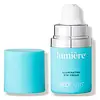
This anti-aging eye moisturizer is formulated around Tetrahexyldecyl Ascorbate and Caffeine to soften the look of wrinkles and brighten dull-looking skin.
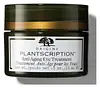
This anti-aging eye moisturizer is formulated around Caffeine and Acetyl Hexapeptide-8 to soften the look of wrinkles.

What's inside
What's inside
 Key Ingredients
Benefits
Concerns
Ingredients Side-by-side
Water
Skin ConditioningCaprylic/Capric Triglyceride
Masking


C12-20 Acid PEG-8 Ester
Emulsifying

Glycerin
Humectant
Butylene Glycol
Humectant
Cetyl Alcohol
Emollient
PEG-8
HumectantSaccharide Isomerate
Humectant
Caprylyl Glycol
Emollient
Potassium Cetyl Phosphate
EmulsifyingCarbomer
Emulsion StabilisingBisabolol
Antioxidant

Tetrahexyldecyl Ascorbate
Antioxidant



Caffeine
Skin Conditioning
Lecithin
Emollient
Cutaneous Lysate
MoisturisingGlycyrrhetinic Acid
Skin Conditioning
Sodium Hyaluronate
Humectant
Sodium Polyacrylate
Absorbent
Citric Acid
Buffering
Tocopherol
Antioxidant

Fagus Sylvatica Bud Extract
TonicElaeis Guineensis Oil
Emollient


Tocotrienols
Skin Conditioning
Ascorbyl Palmitate
Antioxidant
Squalane
Emollient
Ascorbic Acid
Antioxidant
Phytosterols
Skin Conditioning
Sodium Citrate
BufferingDisodium EDTA
ChelatingSodium Hydroxide
BufferingPhenoxyethanol
Preservative
Methylparaben
Preservative

Ethylparaben
Preservative
Propylparaben
Preservative
Butylparaben
Masking
Water, Caprylic/Capric Triglyceride, C12-20 Acid PEG-8 Ester, Glycerin, Butylene Glycol, Cetyl Alcohol, PEG-8, Saccharide Isomerate, Caprylyl Glycol, Potassium Cetyl Phosphate, Carbomer, Bisabolol, Tetrahexyldecyl Ascorbate, Caffeine, Lecithin, Cutaneous Lysate, Glycyrrhetinic Acid, Sodium Hyaluronate, Sodium Polyacrylate, Citric Acid, Tocopherol, Fagus Sylvatica Bud Extract, Elaeis Guineensis Oil, Tocotrienols, Ascorbyl Palmitate, Squalane, Ascorbic Acid, Phytosterols, Sodium Citrate, Disodium EDTA, Sodium Hydroxide, Phenoxyethanol, Methylparaben, Ethylparaben, Propylparaben, Butylparaben
Water
Skin ConditioningButylene Glycol
Humectant
Dimethicone
Emollient
Glycerin
Humectant
Jojoba Esters
Emollient
Anogeissus Leiocarpus Bark Extract
Skin ProtectingSaccharomyces Ferment Filtrate
Humectant
Sigesbeckia Orientalis Extract
Skin ConditioningPolygonum Cuspidatum Root Extract
Antioxidant
Centaurium Erythraea Extract
Skin ConditioningSapindus Mukorossi Fruit Extract
Skin ConditioningMagnolia Officinalis Bark Extract
Antimicrobial
Micrococcus Lysate
Skin ConditioningRosmarinus Officinalis Leaf Extract
AntimicrobialCamellia Sinensis Leaf Extract
Antimicrobial
Cucumis Sativus Fruit Extract
Emollient
Pyrus Malus Fruit Extract
Skin Conditioning
Scutellaria Baicalensis Root Extract
Astringent
Caffeine
Skin Conditioning
Glycereth-26
Humectant
Simmondsia Chinensis Butter
Skin Conditioning
Biotin
AntiseborrhoeicMethyl Trimethicone
Skin Conditioning
Cholesterol
Emollient
Elaeis Guineensis Oil
Emollient
Acetyl Hexapeptide-8
Humectant
Carbomer
Emulsion StabilisingTrehalose
Humectant
Tocopherol
Antioxidant
Squalene
Emollient
Lecithin
Emollient
Polysilicone-11
Caesalpinia Spinosa Gum
Skin ConditioningJojoba Alcohol
Emollient
Phytosterols
Skin Conditioning
Isopropyl Jojobate
EmollientTetrahexyldecyl Ascorbate
Antioxidant
Sodium Hyaluronate
Humectant
Linoleic Acid
Cleansing
Zinc PCA
Humectant

Tocotrienols
Skin Conditioning
Caprylyl Glycol
Emollient
Tromethamine
BufferingHexylene Glycol
EmulsifyingHydroxyethylcellulose
Emulsion StabilisingAmmonium Acryloyldimethyltaurate/Vp Copolymer
Phenoxyethanol
Preservative
Water, Butylene Glycol, Dimethicone, Glycerin, Jojoba Esters, Anogeissus Leiocarpus Bark Extract, Saccharomyces Ferment Filtrate, Sigesbeckia Orientalis Extract, Polygonum Cuspidatum Root Extract, Centaurium Erythraea Extract, Sapindus Mukorossi Fruit Extract, Magnolia Officinalis Bark Extract, Micrococcus Lysate, Rosmarinus Officinalis Leaf Extract, Camellia Sinensis Leaf Extract, Cucumis Sativus Fruit Extract, Pyrus Malus Fruit Extract, Scutellaria Baicalensis Root Extract, Caffeine, Glycereth-26, Simmondsia Chinensis Butter, Biotin, Methyl Trimethicone, Cholesterol, Elaeis Guineensis Oil, Acetyl Hexapeptide-8, Carbomer, Trehalose, Tocopherol, Squalene, Lecithin, Polysilicone-11, Caesalpinia Spinosa Gum, Jojoba Alcohol, Phytosterols, Isopropyl Jojobate, Tetrahexyldecyl Ascorbate, Sodium Hyaluronate, Linoleic Acid, Zinc PCA, Tocotrienols, Caprylyl Glycol, Tromethamine, Hexylene Glycol, Hydroxyethylcellulose, Ammonium Acryloyldimethyltaurate/Vp Copolymer, Phenoxyethanol
Ingredients Explained
These ingredients are found in both products.
Ingredients higher up in an ingredient list are typically present in a larger amount.
Butylene Glycol (or BG) is used within cosmetic products for a few different reasons:
Overall, Butylene Glycol is a safe and well-rounded ingredient that works well with other ingredients.
Though this ingredient works well with most skin types, some people with sensitive skin may experience a reaction such as allergic rashes, closed comedones, or itchiness.
Learn more about Butylene GlycolCaffeine is a naturally occurring plant compound found in coffee beans, tea leaves, cocoa pods, and guarana.
As an antioxidant, caffeine protects your skin from free radical damage caused by UV exposure and envionrmnetal stressors.
Early research also shows that caffeine can help calm redness, soothe irritated skin, and support hair growth by stimulating microcirculation in the scalp.
You might have seen eye creams marketing caffeine as a depuffing ingredient. This is because it is a vasoconstrictor meaning it can temporarily constrict blood vessels, though clinical evidence for this specific use is still limited.
Most skincare products contain this ingredient at concentrations between 1-6%. It is able to penetrate skin easily regardless of skin type or thickness.
Just so you know, a very small number of case reports describe caffeine-induced allergy. This ingredient is generally well-tolerated, non-irritating, and non-sensitizing for the majority of people.
Learn more about CaffeineCaprylyl Glycol is a humectant, skin conditioner, emollient, and preservative booster derived from either caprylic acid or synthetically created.
Typical use levels vary from 0.3-1% as a preservative booster and go up to 2% to condition skin.
Because it is not a free-fatty acid, this ingredient is fungal acne safe (there's nothing for Malassezia to feed on).
Learn more about Caprylyl GlycolCarbomer is a synthetic thickening and gelling agent. It's basically the ingredient that gives a lot of serums, gels, creams, and sunscreens their smooth, non-sticky texture.
Although legally permitted at very high levels, carbomers are normally used at concentrations below 1%.
It also needs to be neutralized to actually thicken, and because it is a large molecule, it doesn't really penetrate the skin barrier.
Allergy-wise, the risk is very low. Clinical studies show carbomers have low potential for skin irritation/sensitization even at concentrations up to 100%.
A 2024 UK study patch-tested 1,302 patients and found true allergy to the parent group of carbomer to be rare with no confirmed relevant reactions.
Learn more about CarbomerThis ingredient is also known as African Palm Oil. It is a plant-based emollient that is slightly occlusive leaning.
As an emollient, it helps moisturize the skin and supports the lipid barrier. Clinical testing found it improved skin hydration, reduced transepidermal water loss (TEWL), and increased skin elasticity.
The Cosmetic Ingredient Review Panel has assessed the available safety data and found it to safe in cosmetics.
The comedogenic rating of 2/5 means it is low-to-moderate risk of pore clogging; please remember comedogenic ratings cannot predict how the overall formula will behave on skin.
Because its dominant fatty acids (palmitic and oleic acid) fall within the C11-24 range that Malassezia can use as a growth substrate, this ingredient may not be fungal acne safe.
Learn more about Elaeis Guineensis OilGlycerin (or glycerol) is a compound naturally found in your skin. It's a powerhouse humectant that pulls water into the stratum corneum.
Topically, glycerin does several things at once:
Your skin makes glycerin on its own (mostly from sebaceous oil breakdown) and shuttles it to your outermost layer of skin, or your epidermis, via aquaporin-3.
Aquaporin-3 is a transporter that is essential for normal skin hydration, elasticity, and repair. Interestingly, mice lacking in AQP3 have dry and less elastic skin that can be fully corrected with glycerin.
This ingredient is non-irritating, plays well with almost every ingredient, and works across all skin types. Typical use is anywhere between 3-10% but can go up to 79% in some leave-on products.
Just know very high concentrations (>40%) can feel tacky in low humidity.
Glycerin is the name for this ingredient in American English. British English uses Glycerol/Glycerine.
Learn more about GlycerinLecithin is a term for a group of substances found in the cell membranes of plants, animals, and humans. They are made up of phospholipids.
Thanks to its amphiphilic structure (water-loving head and oil-loving tail), it is a true multitasker:
It plays well with most ingredients and is typically used at 0.1-1%. However, concentrations up to 50% have been reported in moisturizers.
Learn more about LecithinPhenoxyethanol is one of the most widely used preservatives in skincare (and for good reason!).
It has a large spectrum of antimicrobial activity and especially effective bacteria, yeast, and mold while only having a weak effect on your skin's natural microbiome.
On a cellular level, it disrupts the cell membranes of microbes by poking holes that make the cell leak. This shuts down the chemical reactions the microbe needs to make energy so it can no longer survive.
Another perk of this ingredient is that it stays functional across a wide pH range (3-10).
You'll often see it paired with boosters like Ethylhexylglycerin; one study showed that a 1:9 ratio of Ethylhexylglycerin to Phenoxyethanol damages bacterial membranes as effectively as doubling the Phenoxyethanol concentration on its own.
Typical use concentrations range from 0.3-1% depending on the formula, and this ingredient is capped at 1% int the EU.
Safety-wise, the fear mongering does not hold up to the evidence. The EU's Scientific Committee on Consumer Safety and FDA consider it safe as a preservative at up to 1%, including for children of all ages.
Adverse systemic effects only showed up in animal studies at exposures roughly 200x higher than what people get from cosmetics. And despite its very widespread use, this ingredient is a rare sensitizer and allergic reactions are uncommon.
Learn more about PhenoxyethanolPhytosterols are plant-derived sterols (you can think of them as the plant world's version of cholesterol). In cosmetics, this ingredient is usually sourced from soybean, rice bran, shea, sunflower, and other seed oils.
The main actors in this group are β-sitosterol, campesterol, and stigmasterol (the CIR covers 27 phytosterols).
They work by fitting perfectly into your stratum corneum's lipid matrix since they're structurally similar to cholesterol. Here, they reinforce your skin's barrier.
One small in vivo human study showed topical soybean phytosterols sped up barrier recovery within three days on tape-stripped skin.
Broader research credits them with:
Formulation use typically sit under 5%.
Testing in soy-allergic subjects found no sensitization signals, but be sure to patch test if you are unsure or have existing allergies.
Learn more about PhytosterolsSodium Hyaluronate is the salt form of hyaluronic acid. It is a long sugar chain that is naturally found in your skin, joints, and connective tissue that maintains hydration and elasticity.
In skincare, it works as a humectant. It pulls water from the environment and deeper layers of skin and binds it to the surface.
Interestingly, the size of the molecule affects its behavior:
Some clinical evidence links low molecular weight versions to improved wrinkle depth, elasticity, anti-inflammatory effects, and barrier repair.
Many serums use a blend of both weights so you can get surface hydration plus longer-lasting and deeper effects.
You'll typically see concentrations between 0.1-2% for this ingredient.
Learn more about Sodium HyaluronateTetrahexyldecyl Ascorbate (THD) is a stable and oil-soluble form of Vitamin C.
THD is special in that it has the ability to travel deeper into skin than traditional ascorbic acid while maintaining the same skin benefits (double win!).
Because it’s oil-soluble, THD dives deep into your skin’s fatty layers (think ceramides and cholesterol) to fight off the kind of free radicals that mess with your skin barrier. This makes it a great pair with water-based vitamin C (ascorbic acid) that mainly works on the surface.
Even at just 0.1%, THD is already showing great antioxidant activity. When used up to 2%, it helps keep your skin happy and calm, especially when it’s stressed from pollution or sun.
Want to fade dark spots or tackle hyperpigmentation? You’ll want 5% or more. Pairing it with brightening buddies like niacinamide or licorice root gives even better results. One study even used 30% THD with other brighteners and saw real results on stubborn discoloration, even in melasma-prone skin.
A note on THD: It’s has a slightly silky, oily texture and usually shows up colorless or pale yellow (though the exact shade can vary by supplier).
While you can sneak it into water-based formulas, it really shines when paired with silicones or oils, which help your skin soak it up better.
THD is pretty stable, but it’s still vulnerable to degradation like ascorbic acid. Too much light or heat (above 113°F / 45°C) can break it down over time. Go for dark and opaque packaging that keeps it safe and shady!
Read more about other types of Vitamin C:
Learn more about Tetrahexyldecyl AscorbateTocopherol is a fat-soluble antioxidant known as Vitamin E.
You'll find this ingredient in the vast majority of skincare (for good reason). It works to neutralize free radicals, or unstable molecules generated by UV exposure, pollution, and other environmental stressors, before they can cause oxidative damage to your skin cells.
Topically applied tocopherol has been shown to protect against UV damage by ramping up the skin's own natural defense enzymes.
It also acts as a skin conditioning agent; some studies show that regular topical use can improve the skin's water-binding capacity over 2-4 weeks.
This ingredient is especially loved for being a team player. When combined with Vitamin C, the photoprotective effect of both ingredients roughly doubles and the combo also helps reduce UV-induced DNA damage.
This ingredient has some brightening potential but it's more of a prevention ingredient than spot-fader. Cell studies show it can slow down melanin production but it's worth noting that it's not the most powerful brightener out there.
In formulations, it also serves as a stabilizer that helps protect other oxidation-prone ingredients from degrading.
Concentrations usually range from 0.1-1% in most leave-on products.
Learn more about TocopherolTocotrienols are a lesser known form of Vitamin E with skin conditioning and UV absorbing properties.
The most common form of Vitamin E in skincare is Tocopherol. Tocotrienols have a slightly different molecular structure; their "tail" is more flexible and unsaturated. This actually helps them absorb into skin more easily and integrate into cell membranes more efficiently.
Research suggests tocotrienols can help with several signs of skin aging, including:
There are four types of tocotrienols: alpha, beta, gamma, and delta.
Fun fact: You can find tocotrienols in ingredients like rice bran oil, palm oil, anatto beans, oats, and hazelnuts.
Learn more about TocotrienolsWater. It's the most common cosmetic ingredient of all. You'll usually see it at the top of ingredient lists, meaning that it makes up the largest part of the product.
So why is it so popular? Water most often acts as a solvent - this means that it helps dissolve other ingredients into the formulation.
You'll also recognize water as that liquid we all need to stay alive. If you see this, drink a glass of water. Remember to stay hydrated!
Learn more about Water

