Naturium Multi-Bright Tranexamic Acid Treatment 5% Versus innisfree Youth Enhancing Treatment Essence with Black Tea + Peptides
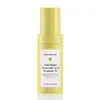
This brightening emulsion is formulated around Tranexamic Acid and Kojic Acid to fade the look of dark spots and brighten dull-looking skin.
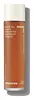
This anti-aging essence is formulated around Niacinamide and Copper Tripeptide-1 to soften the look of wrinkles and brighten dull-looking skin.


What's inside
What's inside
 Key Ingredients
Benefits
Concerns
Ingredients Side-by-side
Water
Skin ConditioningButylene Glycol
Humectant

C12-15 Alkyl Benzoate
AntimicrobialTranexamic Acid
Astringent




Caprylic/Capric Triglyceride
Masking
Propanediol
Solvent
Kaolin
Abrasive



Cetearyl Alcohol
Emollient





Glycerin
Humectant
Isostearyl Alcohol
Emollient
C13-15 Alkane
SolventMyrica Cerifera Fruit Wax
EmollientEthylhexyl Olivate
Skin Conditioning
Butylene Glycol Cocoate
Emulsifying
Kojic Acid
Antioxidant

Alpha-Arbutin
Antioxidant
Acetyl Glucosamine
Skin Conditioning
Allantoin
Skin Conditioning
Coco-Caprylate/Caprate
Emollient
Squalane
Emollient
Evodia Rutaecarpa Fruit Extract
Skin ConditioningTriheptanoin
Skin ConditioningCitric Acid
Buffering
Hydroxyacetophenone
Antioxidant
Carbomer
Emulsion StabilisingCaprylyl Glycol
Emollient
1,2-Hexanediol
Skin Conditioning
C9-12 Alkane
SolventDilinoleic Acid/Butanediol Copolymer
Tremella Fuciformis Sporocarp Extract
Antioxidant
Helianthus Annuus Seed Oil
Emollient
Rosmarinus Officinalis Leaf Extract
AntimicrobialXanthan Gum
EmulsifyingBetaine
Humectant
Sorbitol
Humectant
Ethylcellulose
Lecithin
Emollient
Rubus Idaeus Fruit Extract
AstringentSodium Hydroxide
BufferingSodium Phytate
ChelatingEctoin
Skin Conditioning
Phenoxyethanol
Preservative
Castor Oil/Ipdi Copolymer
Potassium Sorbate
Preservative
Glyceryl Caprylate
EmollientWater, Butylene Glycol, C12-15 Alkyl Benzoate, Tranexamic Acid, Caprylic/Capric Triglyceride, Propanediol, Kaolin, Cetearyl Alcohol, Glycerin, Isostearyl Alcohol, C13-15 Alkane, Myrica Cerifera Fruit Wax, Ethylhexyl Olivate, Butylene Glycol Cocoate, Kojic Acid, Alpha-Arbutin, Acetyl Glucosamine, Allantoin, Coco-Caprylate/Caprate, Squalane, Evodia Rutaecarpa Fruit Extract, Triheptanoin, Citric Acid, Hydroxyacetophenone, Carbomer, Caprylyl Glycol, 1,2-Hexanediol, C9-12 Alkane, Dilinoleic Acid/Butanediol Copolymer, Tremella Fuciformis Sporocarp Extract, Helianthus Annuus Seed Oil, Rosmarinus Officinalis Leaf Extract, Xanthan Gum, Betaine, Sorbitol, Ethylcellulose, Lecithin, Rubus Idaeus Fruit Extract, Sodium Hydroxide, Sodium Phytate, Ectoin, Phenoxyethanol, Castor Oil/Ipdi Copolymer, Potassium Sorbate, Glyceryl Caprylate
Camellia Sinensis Leaf Water 95%
Masking
Water
Skin ConditioningPropanediol
Solvent
Glycerin
Humectant
Niacinamide
Smoothing

1,2-Hexanediol
Skin Conditioning
Camellia Sinensis Leaf Extract
Antimicrobial
Ethylhexylglycerin
Skin ConditioningAdenosine
Skin Conditioning
Dextrin
AbsorbentEctoin
Skin Conditioning
Hyaluronic Acid
Humectant
3-O-Ethyl Ascorbic Acid
Skin Conditioning
Glutathione
Mannitol
Humectant
Saccharomyces Cerevisiae Extract
Skin Conditioning
Butylene Glycol
Humectant
Centella Asiatica Flower/Leaf/Stem Extract
Skin Conditioning
Glycine Max Polypeptide
Skin Conditioning
Arginine/Lysine Polypeptide
Skin Conditioning
Copper Tripeptide-1
Skin Conditioning
Disodium EDTA
ChelatingAcetyl Tetrapeptide-11
Skin Conditioning
Caprylyl Glycol
Emollient
Acetyl Heptapeptide-4
Humectant
Sorbic Acid
Preservative
Hexapeptide-9
Skin Conditioning
Acetyl Hexapeptide-8
Humectant
Sodium Hydroxide
BufferingAcetyl Octapeptide-3
Humectant
Camellia Sinensis Leaf Water 95%, Water, Propanediol, Glycerin, Niacinamide, 1,2-Hexanediol, Camellia Sinensis Leaf Extract, Ethylhexylglycerin, Adenosine, Dextrin, Ectoin, Hyaluronic Acid, 3-O-Ethyl Ascorbic Acid, Glutathione, Mannitol, Saccharomyces Cerevisiae Extract, Butylene Glycol, Centella Asiatica Flower/Leaf/Stem Extract, Glycine Max Polypeptide, Arginine/Lysine Polypeptide, Copper Tripeptide-1, Disodium EDTA, Acetyl Tetrapeptide-11, Caprylyl Glycol, Acetyl Heptapeptide-4, Sorbic Acid, Hexapeptide-9, Acetyl Hexapeptide-8, Sodium Hydroxide, Acetyl Octapeptide-3
Reviews
Ingredients Explained
These ingredients are found in both products.
Ingredients higher up in an ingredient list are typically present in a larger amount.
1,2-Hexanediol is a synthetic liquid and another multi-functional powerhouse.
It is a:
- Humectant, drawing moisture into the skin
- Emollient, helping to soften skin
- Solvent, dispersing and stabilizing formulas
- Preservative booster, enhancing the antimicrobial activity of other preservatives
Butylene Glycol (or BG) is used within cosmetic products for a few different reasons:
Overall, Butylene Glycol is a safe and well-rounded ingredient that works well with other ingredients.
Though this ingredient works well with most skin types, some people with sensitive skin may experience a reaction such as allergic rashes, closed comedones, or itchiness.
Learn more about Butylene GlycolCaprylyl Glycol is a humectant, skin conditioner, emollient, and preservative booster derived from either caprylic acid or synthetically created.
Typical use levels vary from 0.3-1% as a preservative booster and go up to 2% to condition skin.
Because it is not a free-fatty acid, this ingredient is fungal acne safe (there's nothing for Malassezia to feed on).
Learn more about Caprylyl GlycolEctoin is a compound found naturally in some species of bacteria. It can be synthetically created for skincare use.
This ingredient is an osmolyte; Osmolytes help organisms survive osmotic shock (it protects them from extreme conditions). It does this by influencing the properties of biological fluids within cells.
When applied to the skin, ectoin helps bind water molecules to protect our skin. The water forms a sort of armor for the parts of our skin cells, enzymes, proteins, and more.
Besides this, ectoin has many uses in skincare:
A study from 2004 found ectoin to counteract the damage from UV-A exposure at different cell levels. It has also been shown to protect skin against both UV-A, UV-B rays, infrared light, and visible light.
Studies show ectoin to have dual-action pollution protection: first, it protects our skin from further pollution damage. Second, it helps repair damage from pollution.
In fact, ectoin has been shown to help with:
Fun fact: In the EU, ectoin is used in inhalation medication as an anti-pollution ingredient.
Ectoin is a highly stable ingredient. It has a wide pH range of 1-9. Light, oxygen, and temperature do not affect this ingredient.
The chemical name for this ingredient is Tetrahydromethylpyrimidine Carboxylic Acid.
Learn more about EctoinGlycerin (or glycerol) is a compound naturally found in your skin. It's a powerhouse humectant that pulls water into the stratum corneum.
Topically, glycerin does several things at once:
Your skin makes glycerin on its own (mostly from sebaceous oil breakdown) and shuttles it to your outermost layer of skin, or your epidermis, via aquaporin-3.
Aquaporin-3 is a transporter that is essential for normal skin hydration, elasticity, and repair. Interestingly, mice lacking in AQP3 have dry and less elastic skin that can be fully corrected with glycerin.
This ingredient is non-irritating, plays well with almost every ingredient, and works across all skin types. Typical use is anywhere between 3-10% but can go up to 79% in some leave-on products.
Just know very high concentrations (>40%) can feel tacky in low humidity.
Glycerin is the name for this ingredient in American English. British English uses Glycerol/Glycerine.
Learn more about GlycerinPropanediol is an all-star ingredient. It softens, hydrates, and smooths the skin.
It’s often used to:
Propanediol is not likely to cause sensitivity and considered safe to use. It is derived from corn or petroleum with a clear color and no scent.
Learn more about PropanediolSodium Hydroxide is also known as lye or caustic soda. It is used to adjust the pH of products; many ingredients require a specific pH to be effective.
In small amounts, sodium hydroxide is considered safe to use. However, large amounts may cause chemical burns due to its high alkaline.
Your skin has a natural pH and acid mantle. This acid mantle helps prevent harmful bacteria from breaking through. The acid mantle also helps keep your skin hydrated.
"Alkaline" refers to a high pH level. A low pH level would be considered acidic.
Learn more about Sodium HydroxideWater. It's the most common cosmetic ingredient of all. You'll usually see it at the top of ingredient lists, meaning that it makes up the largest part of the product.
So why is it so popular? Water most often acts as a solvent - this means that it helps dissolve other ingredients into the formulation.
You'll also recognize water as that liquid we all need to stay alive. If you see this, drink a glass of water. Remember to stay hydrated!
Learn more about Water

