My Amulet Cica + Galac Calming Serum Versus Sungboon Editor Centell Lacto AC Less Skin Barrier Essence
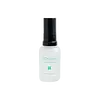
This calming serum is formulated around Rice Ferment Filtrate and Galactomyces Ferment Filtrate to calm redness and strengthen the skin barrier.
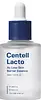
This barrier-repair essence is formulated around Centella Asiatica Extract and Niacinamide to strengthen the skin barrier and calm redness.


What's inside
What's inside
 Key Ingredients
Benefits
Concerns
Ingredients Side-by-side
Rice Ferment Filtrate
Skin Conditioning

Water
Skin ConditioningGalactomyces Ferment Filtrate
Humectant





Pentylene Glycol
Skin Conditioning
Butylene Glycol
Humectant
Dipotassium Glycyrrhizate
Humectant
Centella Asiatica Leaf Extract
Skin Conditioning
Centella Asiatica Extract
Cleansing

Madecassoside
Antioxidant
Asiaticoside
Antioxidant
Ceramide Ng
Skin Conditioning
Ceramide AP
Skin Conditioning
Ceramide Ag
Humectant
Ceramide NP
Skin Conditioning
Ceramide EOP
Skin Conditioning
Alpha-Glucan Oligosaccharide
Cleansing
Polyquaternium-51
Skin Conditioning
Sodium Hyaluronate
Humectant
Chlorella Vulgaris Extract
Skin ConditioningHouttuynia Cordata Extract
Skin Conditioning
Arginine
Masking
Hydrogenated Lecithin
Emulsifying
Lactic Acid
Buffering





Propanediol
Solvent
Phytosterols
Skin Conditioning
Carbomer
Emulsion StabilisingPhenoxyethanol
Preservative
1,2-Hexanediol
Skin Conditioning
Rice Ferment Filtrate, Water, Galactomyces Ferment Filtrate, Pentylene Glycol, Butylene Glycol, Dipotassium Glycyrrhizate, Centella Asiatica Leaf Extract, Centella Asiatica Extract, Madecassoside, Asiaticoside, Ceramide Ng, Ceramide AP, Ceramide Ag, Ceramide NP, Ceramide EOP, Alpha-Glucan Oligosaccharide, Polyquaternium-51, Sodium Hyaluronate, Chlorella Vulgaris Extract, Houttuynia Cordata Extract, Arginine, Hydrogenated Lecithin, Lactic Acid, Propanediol, Phytosterols, Carbomer, Phenoxyethanol, 1,2-Hexanediol
Centella Asiatica Extract
Cleansing
Water
Skin ConditioningButylene Glycol
Humectant
Glycerin
Humectant
Dipropylene Glycol
HumectantNiacinamide
Smoothing

1,2-Hexanediol
Skin Conditioning
Trehalose
Humectant
Betaine
Humectant
Carbomer
Emulsion StabilisingTromethamine
BufferingPanthenol
Skin Conditioning
Centella Asiatica Root Extract
Skin Conditioning
Centella Asiatica Leaf Extract
Skin Conditioning
Pentylene Glycol
Skin Conditioning
Lactococcus Ferment Lysate
Skin Conditioning
Lactobacillus Ferment Lysate
Skin Conditioning
Bifida Ferment Lysate
Skin Conditioning
Ulmus Davidiana Root Extract
Skin Conditioning
Pueraria Lobata Root Extract
HumectantPinus Palustris Leaf Extract
TonicOenothera Biennis Flower Extract
AstringentHyaluronic Acid
Humectant
Madecassoside
Antioxidant
Asiatic Acid
Skin Conditioning
Madecassic Acid
Skin Conditioning
Asiaticoside
Antioxidant
Sodium Hyaluronate Crosspolymer
Humectant
Hydrolyzed Sodium Hyaluronate
Skin Conditioning
Hydrolyzed Hyaluronic Acid
Humectant
Allantoin
Skin Conditioning
Adenosine
Skin Conditioning
Lactobacillus Ferment
Skin Conditioning
Fructan
Skin ConditioningBeta-Glucan
Skin Conditioning
Sodium Hyaluronate
Humectant
Valine
MaskingTyrosine
MaskingThreonine
Sodium Acetylated Hyaluronate
Humectant
Serine
Masking
Proline
Skin Conditioning
Phenylalanine
Masking
Methionine
Skin ConditioningLysine
Skin ConditioningLeucine
Skin ConditioningIsoleucine
Skin ConditioningHydroxypropyltrimonium Hyaluronate
Histidine
Humectant
Glycine
Buffering
Glutamic Acid
Humectant
Cysteine
Antioxidant
Cysteic Acid
Skin ConditioningAspartic Acid
Masking
Arginine
Masking
Alanine
Masking
Glyceryl Acrylate/Acrylic Acid Copolymer
HumectantXanthan Gum
EmulsifyingDisodium EDTA
ChelatingPolyglyceryl-10 Oleate
Skin Conditioning
Glycereth-25 PCA Isostearate
Emulsifying
Ethylhexylglycerin
Skin ConditioningCentella Asiatica Extract, Water, Butylene Glycol, Glycerin, Dipropylene Glycol, Niacinamide, 1,2-Hexanediol, Trehalose, Betaine, Carbomer, Tromethamine, Panthenol, Centella Asiatica Root Extract, Centella Asiatica Leaf Extract, Pentylene Glycol, Lactococcus Ferment Lysate, Lactobacillus Ferment Lysate, Bifida Ferment Lysate, Ulmus Davidiana Root Extract, Pueraria Lobata Root Extract, Pinus Palustris Leaf Extract, Oenothera Biennis Flower Extract, Hyaluronic Acid, Madecassoside, Asiatic Acid, Madecassic Acid, Asiaticoside, Sodium Hyaluronate Crosspolymer, Hydrolyzed Sodium Hyaluronate, Hydrolyzed Hyaluronic Acid, Allantoin, Adenosine, Lactobacillus Ferment, Fructan, Beta-Glucan, Sodium Hyaluronate, Valine, Tyrosine, Threonine, Sodium Acetylated Hyaluronate, Serine, Proline, Phenylalanine, Methionine, Lysine, Leucine, Isoleucine, Hydroxypropyltrimonium Hyaluronate, Histidine, Glycine, Glutamic Acid, Cysteine, Cysteic Acid, Aspartic Acid, Arginine, Alanine, Glyceryl Acrylate/Acrylic Acid Copolymer, Xanthan Gum, Disodium EDTA, Polyglyceryl-10 Oleate, Glycereth-25 PCA Isostearate, Ethylhexylglycerin
Ingredients Explained
These ingredients are found in both products.
Ingredients higher up in an ingredient list are typically present in a larger amount.
1,2-Hexanediol is a synthetic liquid and another multi-functional powerhouse.
It is a:
- Humectant, drawing moisture into the skin
- Emollient, helping to soften skin
- Solvent, dispersing and stabilizing formulas
- Preservative booster, enhancing the antimicrobial activity of other preservatives
Arginine is a semi-essential amino acid. This just means our bodies can product a bit on its own, but sometimes needs a little boost from food sources.
It is a part of your skin's natural moisturizing factor (NMF), or the water-loving molecules in your outermost layer of skin (stratum corneum) that keeps everything hydrated and happy.
Here's an interesting thing about Arginine: your skin converts it into urea through the Krebs-Henseleit urea cycle. Urea is one of the most effective humectants your skin naturally produces.
A clinical study showed applying 2.5% arginine hydrochloride to atopic dermatitis skin showed significant urea levels in the stratum corneum and improved moisture in just four weeks.
Arginine is also a precursor to nitric oxide; nitric oxide improves microcirculation and supports wound healing and collagen synthesis.
One study found that an amino acid complex containing Arginine reduced skin irritation, improved hydration, and accelerated skin repair in clinical / in-vivo studies.
Arginine itself is an amino acid and not a fatty acid, oil, or ester. On its own, it's not a direct food source for Malassezia, or the yeast that causes fungal acne.
Learn more about ArginineAsiaticoside comes from the super popular skin-soothing ingredient, Centella asiatica. It's the reason centella-based products have a strong reputation for repairing and calming skin, along with its sibling compound Madecassoside.
Research from 2016-2025 supports its role in:
You'll usually find this in concentrations between 0.2-5%.
Learn more about AsiaticosideButylene Glycol (or BG) is used within cosmetic products for a few different reasons:
Overall, Butylene Glycol is a safe and well-rounded ingredient that works well with other ingredients.
Though this ingredient works well with most skin types, some people with sensitive skin may experience a reaction such as allergic rashes, closed comedones, or itchiness.
Learn more about Butylene GlycolCarbomer is a synthetic thickening and gelling agent. It's basically the ingredient that gives a lot of serums, gels, creams, and sunscreens their smooth, non-sticky texture.
Although legally permitted at very high levels, carbomers are normally used at concentrations below 1%.
It also needs to be neutralized to actually thicken, and because it is a large molecule, it doesn't really penetrate the skin barrier.
Allergy-wise, the risk is very low. Clinical studies show carbomers have low potential for skin irritation/sensitization even at concentrations up to 100%.
A 2024 UK study patch-tested 1,302 patients and found true allergy to the parent group of carbomer to be rare with no confirmed relevant reactions.
Learn more about CarbomerCentella Asiatica Extract (Centella) is one of the most researched botanical extracts in skincare with decades of studies backing its effects on inflammation, collagen, and the skin barrier.
That research keeps pointing back to the same four triterpenoid saponins: Asiaticoside, Madecassoside, Asiatic Acid, and Madecassic Acid.
These compounds allow centella to dial back inflammation, encourage the skin to build and hold onto collagen, support the barrier and hydration, and bring solid antioxidant activity to protect against signs of aging.
Centella also carries a nice supporting cast of Vitamin A, vitamin C, several B vitamins, and amino acids. Put it all together and you get an ingredient that soothes, hydrates, and protects, all at once.
Most of centella's magic comes from the four big compounds (Asiaticoside, Madecassoside, Asiatic Acid, and Madecassic Acid). These are the actives doing the heavy lifting in almost every centella study.
Here is the short version of what they do in the skin:
So it is not just soothing for the sake of soothing. Centella calms the skin AND helps it rebuild.
Just FYI, not all centella on an ingredient list is the same. What you are getting actually depends on the extract:
Fun fact on the ratios: the leaves tend to be richest in Madecassoside and Asiaticoside, and lower in the two acids. The exact amounts shift with where the plant is grown and how it is processed. This means purity really does vary brand to brand.
Centella is one of the most easygoing actives out there.
It layers well with basically everything: niacinamide, hyaluronic acid, peptides, and vitamin C, and also pairs nicely with stronger actives like retinoids and exfoliating acids where it can help take the edge off irritation.
On the safety side, centella and its triterpenes are classified as weak sensitizers, meaning allergic reactions are possible but uncommon.
Patch tests at 1% and 5% came back negative in test panels, and creams at typical use levels did not cause allergic reactions across large groups of people.
But as with any new active, a patch test is still a smart move for very reactive skin.
Centella is widely used because it is effective at low percentages. For context, human safety testing found no meaningful irritation from creams containing centella extract at everyday use levels (the tested amounts were well under 1%).
The irritancy threshold in animal testing was also above 30% (so real-world formulas sit far below anything concerning).
In collagen lab studies, higher concentrations drove more collagen synthesis, so serums built around centella tend to feature it more prominently.
Bottom line: you will find centella working nicely anywhere from a fraction of a percent up to hero-ingredient levels depending on whether it is a supporting soother or the main event.
Fun fact: Centella has been used as a medicine and in food for many centuries. As a medicine, it is used to treat burns, scratches, and wounds.
Learn more about Centella Asiatica ExtractCentella Asiatica Leaf Extract comes from the leaves of an herb plant native to Southeast Asia. Centella Asiatica is rich in antioxidants and amino acids. It can help reduce irritation and soothe the skin.
Many active components found in centella asiatica, such as Madecassic Acid and Asiaticoside, encourage the skin to naturally produce hyaluronic acid. This helps keep our skin hydrated. Many of these components also show antioxidant activity and may help reduce the signs of aging.
Research shows centella asiatica can help increase Type I collagen production by increasing fibroblast production. Fibroblast helps form connective tissue.
The combination of all these properties makes centella asiatica leaf extract effective at soothing the skin.
Other components of centella asiatica leaf extract include Vitamin A, vitamin C, several B vitamins, and Asiatic Acid.
Recent studies found madecassoside may help prevent damage from UV rays by preventing UV-induced inflammation. Further research is needed.
This plant has been used as a medicine and in food for many centuries. As a medicine, it is used to treat burns, scratches, and wounds.
Learn more about Centella Asiatica Leaf ExtractMadecassoside is one of four active compounds found in Centella asiatica and is one of the main reasons Centella is so effective at calming irritated skin and supporting the moisture barrier.
There's a solid body of peer-reviewed research backing Madecassoside for several skin benefits. Studies have found:
Madecassoside pairs well with other hydrating or antioxidant ingredients like Ascorbic Acid or Hyaluronic Acid.
Learn more about MadecassosidePentylene Glycol (1,2-pentanediol) is a multitasking little diol with three main roles in a formula:
Research on alkanediols (the family pentylene glycol belongs to) show they work by disrupting microbial cell membranes. This disruption helps the primary preservative system in a product work more effectively at lower doses.
On the safety side, the Cosmetic Ingredient Review Expert Panel has concluded this ingredient to be safe as used in current cosmetic practices + concentrations.
Typical use levels in a formula run about 1-5%.
Learn more about Pentylene GlycolSodium Hyaluronate is the salt form of hyaluronic acid. It is a long sugar chain that is naturally found in your skin, joints, and connective tissue that maintains hydration and elasticity.
In skincare, it works as a humectant. It pulls water from the environment and deeper layers of skin and binds it to the surface.
Interestingly, the size of the molecule affects its behavior:
Some clinical evidence links low molecular weight versions to improved wrinkle depth, elasticity, anti-inflammatory effects, and barrier repair.
Many serums use a blend of both weights so you can get surface hydration plus longer-lasting and deeper effects.
You'll typically see concentrations between 0.1-2% for this ingredient.
Learn more about Sodium HyaluronateWater. It's the most common cosmetic ingredient of all. You'll usually see it at the top of ingredient lists, meaning that it makes up the largest part of the product.
So why is it so popular? Water most often acts as a solvent - this means that it helps dissolve other ingredients into the formulation.
You'll also recognize water as that liquid we all need to stay alive. If you see this, drink a glass of water. Remember to stay hydrated!
Learn more about Water

