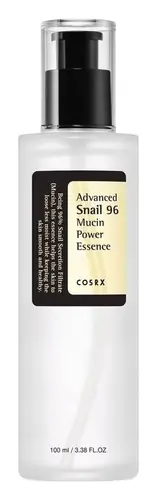
This mineral sunscreen covers the full UV range and blocks ~97% of UVB at SPF 30.

What's inside
What's inside
 Key Ingredients
Benefits
Concerns
Ingredients Side-by-side
Estriol 0.3%
Ascorbic Acid 1%
Antioxidant






Hyaluronic Acid 0.5%
Humectant


Aloe Barbadensis Leaf
Masking

Glycerin
Humectant
Sodium Bisulfate
BufferingBHT
Antioxidant
Acrylates/C12-22 Alkyl Methacrylate Copolymer
Aluminum Starch Octenylsuccinate
Absorbent
Bis-Vinyldimethicone/Bis-Isobutyl PPG-20 Crosspolymer
Emollient
Caprylic/Capric Triglyceride
Masking
Carthamus Tinctorius Seed Oil
Masking


Ceteth-20
CleansingCetyl Alcohol
Emollient
Cyclohexasiloxane
Emollient
Cyclopentasiloxane
Emollient
Dicaprylyl Ether
Emollient
Dimethicone
Emollient
Dimethyl Isosorbide
SolventDisteardimonium Hectorite
StabilisingGlyceryl Stearate
Emollient
Isodecyl Neopentanoate
EmollientIsododecane
EmollientIsopropyl Palmitate
Emollient


Laureth-12
EmulsifyingLecithin
Emollient
Ozokerite
Emulsion StabilisingPEG-75 Stearate
Surfactant
Petrolatum
Emollient
Polysilicone-11
Potassium Sorbate
Preservative
Propylene Carbonate
SolventSilica
Abrasive

Silica Silylate
Emollient
Sodium Lauryl Sulfoacetate
CleansingSorbic Acid
Preservative
Steareth-20
CleansingTitanium Dioxide
Cosmetic Colorant

Triethoxycaprylylsilane
Estriol 0.3%, Ascorbic Acid 1%, Hyaluronic Acid 0.5%, Aloe Barbadensis Leaf, Glycerin, Sodium Bisulfate, BHT, Acrylates/C12-22 Alkyl Methacrylate Copolymer, Aluminum Starch Octenylsuccinate, Bis-Vinyldimethicone/Bis-Isobutyl PPG-20 Crosspolymer, Caprylic/Capric Triglyceride, Carthamus Tinctorius Seed Oil, Ceteth-20, Cetyl Alcohol, Cyclohexasiloxane, Cyclopentasiloxane, Dicaprylyl Ether, Dimethicone, Dimethyl Isosorbide, Disteardimonium Hectorite, Glyceryl Stearate, Isodecyl Neopentanoate, Isododecane, Isopropyl Palmitate, Laureth-12, Lecithin, Ozokerite, PEG-75 Stearate, Petrolatum, Polysilicone-11, Potassium Sorbate, Propylene Carbonate, Silica, Silica Silylate, Sodium Lauryl Sulfoacetate, Sorbic Acid, Steareth-20, Titanium Dioxide, Triethoxycaprylylsilane
Zinc Oxide
Cosmetic Colorant
Water
Skin ConditioningCyclopentasiloxane
Emollient
Butylene Glycol
Humectant
Glycerin
Humectant
Glyceryl Stearate
Emollient
PEG-100 Stearate
Surfactant
Cyclohexasiloxane
Emollient
Polyglyceryl-3 Polydimethylsiloxyethyl Dimethicone
Skin Conditioning
Sorbitan Stearate
Emulsifying
Dimethicone
Emollient
Caprylic/Capric Triglyceride
Masking
Sodium Lactate
Buffering
Polyacrylamide
C13-14 Isoparaffin
Emollient
Laureth-7
EmulsifyingCaprylyl Glycol
Emollient
Hexylene Glycol
EmulsifyingImperata Cylindrica Root Extract
Skin ConditioningPEG-8
HumectantCarbomer
Emulsion StabilisingTriethoxysilylethyl Polydimethylsiloxyethyl Hexyl Dimethicone
Skin Conditioning
Cetyl Alcohol
Emollient
Lecithin
Emollient
Tocopherol
Antioxidant
Phenoxyethanol
Preservative
Ethylhexylglycerin
Skin ConditioningAscorbyl Palmitate
Antioxidant
Ascorbic Acid
Antioxidant
Citric Acid
Buffering
Xanthan Gum
EmulsifyingTocopheryl Linoleate/Oleate
Antioxidant
Teprenone
Skin ConditioningPhoenix Dactylifera Fruit Extract
EmollientPolygonum Aviculare Extract
EmollientDisodium EDTA
Dipotassium Glycyrrhizate
Humectant
Arabidopsis Thaliana Extract
Antioxidant
Plankton Extract
Skin ConditioningMicrococcus Lysate
Skin ConditioningZinc Oxide, Water, Cyclopentasiloxane, Butylene Glycol, Glycerin, Glyceryl Stearate, PEG-100 Stearate, Cyclohexasiloxane, Polyglyceryl-3 Polydimethylsiloxyethyl Dimethicone, Sorbitan Stearate, Dimethicone, Caprylic/Capric Triglyceride, Sodium Lactate, Polyacrylamide, C13-14 Isoparaffin, Laureth-7, Caprylyl Glycol, Hexylene Glycol, Imperata Cylindrica Root Extract, PEG-8, Carbomer, Triethoxysilylethyl Polydimethylsiloxyethyl Hexyl Dimethicone, Cetyl Alcohol, Lecithin, Tocopherol, Phenoxyethanol, Ethylhexylglycerin, Ascorbyl Palmitate, Ascorbic Acid, Citric Acid, Xanthan Gum, Tocopheryl Linoleate/Oleate, Teprenone, Phoenix Dactylifera Fruit Extract, Polygonum Aviculare Extract, Disodium EDTA, Dipotassium Glycyrrhizate, Arabidopsis Thaliana Extract, Plankton Extract, Micrococcus Lysate
Alternatives
Ingredients Explained
These ingredients are found in both products.
Ingredients higher up in an ingredient list are typically present in a larger amount.
Ascorbic Acid is is pure Vitamin C and is the biologically active form used directly by skin.
Not only is vitamin C great for your overall health and immune system, but it also has plenty of benefits for your skin. It is best supported by academic literature for:
Topical vitamin C has been shown to help neutralize oxidative stress from UV and pollution, helping to improve photoaging and hyperpigmentation when used consistently.
One clinical study found that using 5% topical vitamin C for six months improved signs of photodamaged skin, both on the surface and in the deeper structural layers of the skin.
While vitamin C doesn’t replace sunscreen, studies show it can boost photoprotection when combined with Vitamin E and ferulic acid. These two ingredients help improve stability and protective effects.
The big downside of this ingredient is formulation difficulty. Vitamin C is prone to oxidation and doesn't penetrate the skin unless formulated correctly. Research found that vitamin C absorbs into the skin best at a low pH (< 3.5) with about 20% being the upper limit for effective absorption.
Skin levels can saturate after repeated application; this means your skin won’t keep absorbing more once it’s full of vitamin C. This is why more isn’t always better with vitamin C and why very high concentrations don’t necessarily give extra benefits.
Ascorbic acid generally works well with many skincare ingredients but can be irritating when combined with other active ingredients. Strong oxidizing acne treatments like benzoyl peroxide can reduce the effectiveness of vitamin C if they are used at the same time; they are often recommended for use at different times of day.
Read more about other types of Vitamin C:
Foods rich with vitamin C include oranges, strawberries, broccoli, bell peppers, and more. When consuming Vitamin C, your skin receives a portion of the nutrients.
Learn more about Ascorbic AcidCaprylic/Capric Triglyceride (aka MCT Oil) is a lightweight emollient, solvent, and texture enhancer. It is considered a skin-softener by helping to prevent moisture loss.
Though it behaves like an oil, it is not technically one due to its chemical composition. One perk of this ingredient is that it is very stable, resistant to oxidation, and unlikely to go rancid.
In practice, that translates to a long shelf life and a consistently elegant skin feel.
While there is an assumption Caprylic Triglyceride can clog pores due to it being derived from coconut oil, there is no research supporting this. Just patch test if you have concerns.
Fractionated coconut oil and MCT Oil are both listed as Caprylic/Capric Triglyceride according to INCI. This is because INCI names are based on the ingredient’s final chemical composition and not its marketing name or source.
This ingredient is treated as the gold standard fungal acne safe oil. Even though it is coconut derived, the problematic lauric acid is stripped out.
This leaves just caprylic (C8) and capric (C10) acid. These chain lengths actually trend antifungal; a 2020 study found caprylic acid was enough to disrupt Malassezia furfur cell membrane, with a caprylic acid derivative damaging membrane structures at concentrations as low as 0.2%.
Learn more about Caprylic/Capric TriglycerideCetyl Alcohol is a fatty alcohol. Fatty Alcohols are most often used as an emollient or to thicken a product.
Its main roles are:
Though it has "alcohol" in the name, it is not related to denatured alcohol or ethyl alcohol.
The FDA allows products labeled "alcohol-free" to have fatty alcohols.
This ingredient may not be fungal acne safe. It is a primary fatty alcohol with a chain length above 12 carbons. A study from 2019 show Malassezia can feed on fatty alcohols in this range, so it may trigger fungal acne in those prone to it.
Learn more about Cetyl AlcoholCyclohexasiloxane is a type of silicone more commonly known as D6. It is an emollient and solvent.
Cyclohexasiloxane is used to evenly distribute ingredients throughout the product. When applied to the skin, Cyclohexasiloxane evaporates and leaves behind a silky feel.
As an emollient, it can help the skin feel soft and hydrated. It is also used to reduce frizz in hair products.
Learn more about CyclohexasiloxaneCyclopentasiloxane (D5) is a lightweight silicone that mostly acts as an emollient and solvent in cosmetics. Its the reason your products feel silky, fast-spreading, and non-greasy.
Since D5 is volatile, it does its thing and then evaporates off the skin quickly.
The safety profile of this ingredient is reassuring; the US CIR Expert Panel concluded D5 is safe as used in cosmetics and Health Canada concluded that D5 is not harmful to human health or the environment as currently used in cosmetics
There's a study that people mention about D5 in a rat study showing tumors. This study is related to long-term inhalation of high D5 levels.
Regulatory bodies have judged this study to be not applicable in topical skincare since skin absorption of D5 is very low and we're not really inhaling huge amounts of D5.
The only restriction for this ingredient is environmental. The European Chemicals Agency (ECHA) restricted D5 in wash-off cosmetics at or above 0.1% due to their persistence in water.
Learn more about CyclopentasiloxaneDimethicone is a type of synthetic silicone created from natural materials such as quartz. It is also known as polydimethylsiloxane.
What it does:
Dimethicone comes in different viscosities:
Depending on the viscosity, dimethicone has different properties.
Ingredients lists don't always show which type is used, so we recommend reaching out to the brand if you have questions about the viscosity.
This ingredient is unlikely to cause irritation because it does not get absorbed into skin. However, people with silicone allergies should be careful about using this ingredient.
Note: Dimethicone may contribute to pilling. This is because it is not oil or water soluble, so pilling may occur when layered with products. When mixed with heavy oils in a formula, the outcome is also quite greasy.
Learn more about DimethiconeGlycerin (or glycerol) is a compound naturally found in your skin. It's a powerhouse humectant that pulls water into the stratum corneum.
Topically, glycerin does several things at once:
Your skin makes glycerin on its own (mostly from sebaceous oil breakdown) and shuttles it to your outermost layer of skin, or your epidermis, via aquaporin-3.
Aquaporin-3 is a transporter that is essential for normal skin hydration, elasticity, and repair. Interestingly, mice lacking in AQP3 have dry and less elastic skin that can be fully corrected with glycerin.
This ingredient is non-irritating, plays well with almost every ingredient, and works across all skin types. Typical use is anywhere between 3-10% but can go up to 79% in some leave-on products.
Just know very high concentrations (>40%) can feel tacky in low humidity.
Glycerin is the name for this ingredient in American English. British English uses Glycerol/Glycerine.
Learn more about GlycerinGlyceryl Stearate is made by reacting glycerin with stearic acid (typically sourced from plant oils like palm or coconut). It's an emulsifier, emollient, and mild occlusive.
Emulsifiers help ingredients like oil and water stay mixed so your formula stays nicely blended and uniform in texture.
This ingredient is typically used in concentrations between 1-10%. Studies have found it to be non-sensitizing, non-phototoxic, and non-photoallergenic.
A close cousin of this ingredient is Glyceryl Stearate SE ("self-emulsifying"). This just has a small amount of sodium or potassium stearate added so it can emulsify without a co-emulsifier.
Since this ingredient is an ester of a C18 fatty acid, it may not be fungal acne safe. The Malassezia yeast can potentially metabolize within the C11-C24 range.
Fun fact: The human body also creates Glyceryl Stearate naturally.
Learn more about Glyceryl StearateLecithin is a term for a group of substances found in the cell membranes of plants, animals, and humans. They are made up of phospholipids.
Thanks to its amphiphilic structure (water-loving head and oil-loving tail), it is a true multitasker:
It plays well with most ingredients and is typically used at 0.1-1%. However, concentrations up to 50% have been reported in moisturizers.
Learn more about Lecithin