

What's inside
What's inside
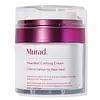 Key Ingredients
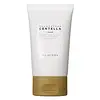
Benefits
Concerns
Ingredients Side-by-side
Water
Skin ConditioningCaprylic/Capric Triglyceride
Masking
Glycerin
Humectant


Glyceryl Behenate
Emollient
Vitis Vinifera Seed Oil
Emollient
Behenyl Alcohol
Emollient
Lecithin
Emollient
Houttuynia Cordata Extract
Skin Conditioning

Ceramide NP
Skin Conditioning

Phaeodactylum Tricornutum Extract
HumectantUrea
Buffering



Yeast Amino Acids
HumectantTrehalose
Humectant
Inositol
Humectant
Taurine
BufferingBetaine
Humectant
Lactobacillus Ferment
Skin Conditioning
Helianthus Annuus Seed Oil
Emollient
Hydroxyacetophenone
Antioxidant
Tocopherol
Antioxidant
Ethylhexylglycerin
Skin ConditioningPropanediol
Solvent
Sodium Acrylates Copolymer
Xanthan Gum
EmulsifyingCitric Acid
Buffering


Leuconostoc/Radish Root Ferment Filtrate
Antimicrobial
Chlorphenesin
Antimicrobial
Dehydroacetic Acid
Preservative
Sodium Benzoate
Masking
Water, Caprylic/Capric Triglyceride, Glycerin, Glyceryl Behenate, Vitis Vinifera Seed Oil, Behenyl Alcohol, Lecithin, Houttuynia Cordata Extract, Ceramide NP, Phaeodactylum Tricornutum Extract, Urea, Yeast Amino Acids, Trehalose, Inositol, Taurine, Betaine, Lactobacillus Ferment, Helianthus Annuus Seed Oil, Hydroxyacetophenone, Tocopherol, Ethylhexylglycerin, Propanediol, Sodium Acrylates Copolymer, Xanthan Gum, Citric Acid, Leuconostoc/Radish Root Ferment Filtrate, Chlorphenesin, Dehydroacetic Acid, Sodium Benzoate
Cetyl Ethylhexanoate
EmollientGlycerin
Humectant
Pentylene Glycol
Skin ConditioningHydrogenated Lecithin
Emulsifying
Niacinamide
Smoothing

Macadamia Ternifolia Seed Oil
Emollient
PEG-50 Shea Butter
Emulsifying
Limnanthes Alba Seed Oil
Skin Conditioning
Squalane
Emollient
Carbomer
Emulsion Stabilising1,2-Hexanediol
Skin Conditioning
Tromethamine
BufferingPanthenol
Skin Conditioning
Sodium Carbomer
Emulsion StabilisingErythritol
Humectant
Trehalose
Humectant
Betaine
Humectant
Butylene Glycol
Humectant
Caprylhydroxamic Acid
Caprylic/Capric Triglyceride
Masking
Adenosine
Skin Conditioning
Lavandula Spica Flower Oil
Masking
Xanthan Gum
EmulsifyingOzonized Olive Oil
Skin Conditioning
Hydroxyethylcellulose
Emulsion StabilisingOrange Roughy Oil
Skin Conditioning
Madecassoside
Antioxidant
Biosaccharide Gum-1
Humectant
Asiaticoside
Antioxidant
Malt Extract
Skin ProtectingAsiatic Acid
Skin ConditioningButter Extract
Emollient
Glycyrrhiza Glabra Leaf Extract
Skin ConditioningCeramide AP
Skin Conditioning
Chamomilla Recutita Flower Extract
Masking
Linoleic Acid
Cleansing

Ethylhexylglycerin
Skin ConditioningSodium Hyaluronate
Humectant
Linolenic Acid
Cleansing
Cetyl Ethylhexanoate, Glycerin, Pentylene Glycol, Hydrogenated Lecithin, Niacinamide, Macadamia Ternifolia Seed Oil, PEG-50 Shea Butter, Limnanthes Alba Seed Oil, Squalane, Carbomer, 1,2-Hexanediol, Tromethamine, Panthenol, Sodium Carbomer, Erythritol, Trehalose, Betaine, Butylene Glycol, Caprylhydroxamic Acid, Caprylic/Capric Triglyceride, Adenosine, Lavandula Spica Flower Oil, Xanthan Gum, Ozonized Olive Oil, Hydroxyethylcellulose, Orange Roughy Oil, Madecassoside, Biosaccharide Gum-1, Asiaticoside, Malt Extract, Asiatic Acid, Butter Extract, Glycyrrhiza Glabra Leaf Extract, Ceramide AP, Chamomilla Recutita Flower Extract, Linoleic Acid, Ethylhexylglycerin, Sodium Hyaluronate, Linolenic Acid
Reviews
Ingredients Explained
These ingredients are found in both products.
Ingredients higher up in an ingredient list are typically present in a larger amount.
Betaine is a common humectant (a substance that promotes retention of moisture). It's known to be gentle on the skin and can help balance hydration.
This ingredient is best for improving hydration and soothing irritated skin. Studies also show it helps even out skin tone.
Fun fact: Betaine is naturally created in the skin and body. The kind found within cosmetic products can be either plant-derived or synthetic.
Another name for betaine is trimethylglycine.
Learn more about BetaineThis ingredient is an emollient, solvent, and texture enhancer. It is considered a skin-softener by helping the skin prevent moisture loss.
It helps thicken a product's formula and makes it easier to spread by dissolving clumping compounds.
Caprylic Triglyceride is made by combining glycerin with coconut oil, forming a clear liquid.
While there is an assumption Caprylic Triglyceride can clog pores due to it being derived from coconut oil, there is no research supporting this.
Learn more about Caprylic/Capric TriglycerideEthylhexylglycerin (we can't pronounce this either) is commonly used as a preservative and skin softener. It is derived from glyceryl.
You might see Ethylhexylglycerin often paired with other preservatives such as phenoxyethanol. Ethylhexylglycerin has been found to increase the effectiveness of these other preservatives.
Glycerin is already naturally found in your skin. It helps moisturize and protect your skin.
A study from 2016 found glycerin to be more effective as a humectant than AHAs and hyaluronic acid.
As a humectant, it helps the skin stay hydrated by pulling moisture to your skin. The low molecular weight of glycerin allows it to pull moisture into the deeper layers of your skin.
Hydrated skin improves your skin barrier; Your skin barrier helps protect against irritants and bacteria.
Glycerin has also been found to have antimicrobial and antiviral properties. Due to these properties, glycerin is often used in wound and burn treatments.
In cosmetics, glycerin is usually derived from plants such as soybean or palm. However, it can also be sourced from animals, such as tallow or animal fat.
This ingredient is organic, colorless, odorless, and non-toxic.
Glycerin is the name for this ingredient in American English. British English uses Glycerol/Glycerine.
Learn more about GlycerinTrehalose is a disaccharide made of two glucose molecules (glucose is sugar!). Trehalose is used to help moisturize skin. It also has antioxidant properties.
As a humectant, trehalose helps draw moisture from the air to your skin. This helps keep your skin hydrated.
Due to its antioxidant properties, trehalose may help with signs of aging. Antioxidants help fight free-radical molecules, unstable molecules that may damage your skin.
In medicine, trehalose and hyaluronic acid are used to help treat dry eyes.
Some animals, plants, and bacteria create trehalose as a source of energy to survive freeze or lack of water.
Learn more about TrehaloseXanthan gum is used as a stabilizer and thickener within cosmetic products. It helps give products a sticky, thick feeling - preventing them from being too runny.
On the technical side of things, xanthan gum is a polysaccharide - a combination consisting of multiple sugar molecules bonded together.
Xanthan gum is a pretty common and great ingredient. It is a natural, non-toxic, non-irritating ingredient that is also commonly used in food products.
Learn more about Xanthan Gum
