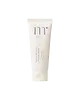
This anti-aging moisturizer is formulated around Niacinamide and Adenosine to soften the look of wrinkles.
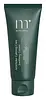
This calming moisturizer is formulated around Niacinamide and Panthenol to calm redness and strengthen the skin barrier.

What's inside
What's inside
 Key Ingredients
Benefits
Concerns
Ingredients Side-by-side
Sea Water
HumectantMethylpropanediol
SolventGlycerin
Humectant


Phenyl Trimethicone
Skin Conditioning
1,2-Hexanediol
Skin Conditioning
Niacinamide
Smoothing









Dicaprylyl Ether
Emollient
Dicaprylyl Carbonate
EmollientCyclohexasiloxane
Emollient
Polyglyceryl-3 Methylglucose Distearate
Emulsifying

Isostearyl Alcohol
Emollient
Butylene Glycol Cocoate
Emulsifying


Glyceryl Stearate
Emollient
Laminaria Japonica Extract
Skin Protecting
Eclipta Prostrata Leaf Extract
Skin ConditioningPrunella Vulgaris Extract
Antioxidant
Fucus Vesiculosus Extract
Emollient
Pseudoalteromonas Ferment Extract
Humectant
Hydrogenated Lecithin
Emulsifying
Water
Skin ConditioningAmmonium Acryloyldimethyltaurate/Vp Copolymer
Polyglyceryl-10 Laurate
Skin Conditioning
Sodium Stearoyl Glutamate
CleansingAcrylates/C10-30 Alkyl Acrylate Crosspolymer
Emulsion StabilisingTromethamine
BufferingXanthan Gum
EmulsifyingColostrum
Skin Conditioning
Ethylcellulose
Adenosine
Skin Conditioning
Fructooligosaccharides
Humectant
Beta-Glucan
Skin Conditioning
Hydrolyzed Hyaluronic Acid
Humectant
Inositol
Humectant
Fructan
Skin ConditioningSalicylic Acid
Masking


Sodium Salicylate
Preservative
Citric Acid
Buffering
Ethylhexylglycerin
Skin ConditioningSea Water, Methylpropanediol, Glycerin, Phenyl Trimethicone, 1,2-Hexanediol, Niacinamide, Dicaprylyl Ether, Dicaprylyl Carbonate, Cyclohexasiloxane, Polyglyceryl-3 Methylglucose Distearate, Isostearyl Alcohol, Butylene Glycol Cocoate, Glyceryl Stearate, Laminaria Japonica Extract, Eclipta Prostrata Leaf Extract, Prunella Vulgaris Extract, Fucus Vesiculosus Extract, Pseudoalteromonas Ferment Extract, Hydrogenated Lecithin, Water, Ammonium Acryloyldimethyltaurate/Vp Copolymer, Polyglyceryl-10 Laurate, Sodium Stearoyl Glutamate, Acrylates/C10-30 Alkyl Acrylate Crosspolymer, Tromethamine, Xanthan Gum, Colostrum, Ethylcellulose, Adenosine, Fructooligosaccharides, Beta-Glucan, Hydrolyzed Hyaluronic Acid, Inositol, Fructan, Salicylic Acid, Sodium Salicylate, Citric Acid, Ethylhexylglycerin
Water
Skin ConditioningGlycerin
Humectant
2,3-Butanediol
Humectant1,2-Hexanediol
Skin Conditioning
Niacinamide
Smoothing
C13-15 Alkane
SolventCaprylic/Capric Triglyceride
Masking
Cynara Scolymus Leaf Extract
Skin ConditioningPhyllanthus Emblica Fruit Extract
HumectantCoccinia Indica Fruit Extract
Skin Conditioning
Lactobacillus Ferment Extract
Skin ConditioningSolanum Melongena Fruit Extract
Skin ConditioningCurcuma Longa Root Extract
Antioxidant
Ocimum Sanctum Leaf Extract
Skin ConditioningBeta Vulgaris Sprout Extract
Skin ConditioningBambusa Vulgaris Leaf/Stem Extract
HumectantChamomilla Recutita Extract
Skin Conditioning
Macrocystis Pyrifera Extract
Skin Conditioning
Thymus Vulgaris Water
Antioxidant
Soluble Collagen
Humectant
Beta-Glucan
Skin Conditioning
Sodium Acrylates Copolymer
Betaine
Humectant
Ammonium Acryloyldimethyltaurate/Vp Copolymer
Polyglyceryl-2 Stearate
Emulsifying
Glyceryl Stearate
Emollient
Stearyl Alcohol
Emollient
Panthenol
Skin Conditioning
Acrylates/C10-30 Alkyl Acrylate Crosspolymer
Emulsion StabilisingArginine
Masking
Lecithin
Emollient
Xanthan Gum
EmulsifyingAllantoin
Skin Conditioning
Dipotassium Glycyrrhizate
Humectant
Citric Acid
Buffering
Tocopherol
Antioxidant
Adenosine
Skin Conditioning
Cyamopsis Tetragonoloba Gum
Emulsion StabilisingButylene Glycol
Humectant
Agar
MaskingSodium Citrate
BufferingSqualane
Emollient
Ectoin
Skin Conditioning
Cucurbita Pepo Powder
Skin ConditioningMoringa Oleifera Seed Oil
Emollient
Parfum
Masking
Ethylhexylglycerin
Skin ConditioningPentylene Glycol
Skin Conditioning
Caprylyl Glycol
Emollient
Water, Glycerin, 2,3-Butanediol, 1,2-Hexanediol, Niacinamide, C13-15 Alkane, Caprylic/Capric Triglyceride, Cynara Scolymus Leaf Extract, Phyllanthus Emblica Fruit Extract, Coccinia Indica Fruit Extract, Lactobacillus Ferment Extract, Solanum Melongena Fruit Extract, Curcuma Longa Root Extract, Ocimum Sanctum Leaf Extract, Beta Vulgaris Sprout Extract, Bambusa Vulgaris Leaf/Stem Extract, Chamomilla Recutita Extract, Macrocystis Pyrifera Extract, Thymus Vulgaris Water, Soluble Collagen, Beta-Glucan, Sodium Acrylates Copolymer, Betaine, Ammonium Acryloyldimethyltaurate/Vp Copolymer, Polyglyceryl-2 Stearate, Glyceryl Stearate, Stearyl Alcohol, Panthenol, Acrylates/C10-30 Alkyl Acrylate Crosspolymer, Arginine, Lecithin, Xanthan Gum, Allantoin, Dipotassium Glycyrrhizate, Citric Acid, Tocopherol, Adenosine, Cyamopsis Tetragonoloba Gum, Butylene Glycol, Agar, Sodium Citrate, Squalane, Ectoin, Cucurbita Pepo Powder, Moringa Oleifera Seed Oil, Parfum, Ethylhexylglycerin, Pentylene Glycol, Caprylyl Glycol
Reviews
Ingredients Explained
These ingredients are found in both products.
Ingredients higher up in an ingredient list are typically present in a larger amount.
1,2-Hexanediol is a synthetic liquid and another multi-functional powerhouse.
It is a:
- Humectant, drawing moisture into the skin
- Emollient, helping to soften skin
- Solvent, dispersing and stabilizing formulas
- Preservative booster, enhancing the antimicrobial activity of other preservatives
Acrylates/C10-30 Alkyl Acrylate Crosspolymer is a synthetic polymer. It is used to thicken, emulsify, and improve the texture of products.
As an emulsifier, it helps stabilize oil-in-water emulsions to give products an elegant feel when applied.
It can also form a thin protective film on skin. One study found that a formula using this polymer helped slow down how quickly other ingredients (like DEET) were absorbed through skin.
A 2024 study of over 1,300 patients confirmed that sensitization to this ingredient is rare. It is also non-mutagenic and has a clean track record.
Learn more about Acrylates/C10-30 Alkyl Acrylate CrosspolymerAdenosine is a purine nucleoside that your body already makes in every cell. In skincare, it acts mainly as a skin conditioning and anti-aging agent.
The way it works is fairly well mapped out:
Your skin has cells called fibroblasts that build collagen (the stuff that keeps skin firm and smooth). Adenosine basically flips a switch on these cells that tells them to get to work making more collagen and other proteins. These cells slow down on their own as skin ages, so Adenosine helps give them a little nudge to keep going.
The clinical backing is pretty solid too.
A blind, randomized, placebo-controlled trial of 126 women aged 45-65 tested a 0.1% cream twice daily and found real improvements in crow's feet and frown lines using a precise 3D skin-mapping technique; these changes showed up by week 3 and held at 2 months.
A later study using Adenosine-loaded dissolving microneedle patches reported gains in wrinkle depth, dermal density, elasticity, and hydration.
On concentrations, South Korea's Ministry of Food and Drug Safety has set 0.04% as the approved functional anti-wrinkle level. You'll typically see this ingredient used somewhere in the 0.04-0.1% range since it works at low doses.
This ingredient has been found safe for cosmetics with the data showing no irritation or sensitization.
Overall, this is a great ingredient for any anti-aging routine and has no photosensitizing effect, so it suits both AM and PM use.
Learn more about AdenosineAmmonium Acryloyldimethyltaurate/Vp Copolymer is a synthetically created polymer. It's used as a film-forming agent and used to thicken the consistency of products.
Think of it as a supportive ingredient that helps your gel-creams feel silky, "cloud cream-like", and spread evenly without being greasy.
The Cosmetic Ingredient Review (CIR) Expert Panel evaluated it (along with 22 other acryloyldimethyltaurate polymers) and concluded it's:
Due to its large molecular size, it sits on the surface of skin rather than penetrating it.
Learn more about Ammonium Acryloyldimethyltaurate/Vp CopolymerBeta-Glucan is a soluble polysaccharide (a chain of glucose sugars) sourced from the cells walls of oats, baker's yeast, mushrooms, and seaweed.
It's a rare ingredient that pulls double-duty as a heavy-duty hydrator and skin-soothing repair agent.
On the surface, it acts as a humectant that holds water in place and reduces moisture loss for a plumper, smoother feel, while its anti-inflammatory and antioxidant properties make it a great pick for calming redness or sensitive skin
The more interesting story is underneath:
Despite its large molecular size, oat beta-glucan has been shown to penetrate the epidermis and reach the dermis by slipping between skin cells. Here, it interacts with fibroblasts and macrophages to nudge collagen synthesis and support wound repair.
A small 2005 split-face clinical study of 27 subjects found topical beta-glucan produced measurable reductions in wrinkle depth, height, and roughness after 8 weeks of use.
It is worth noting the trial was small and the penetration testing used frozen, irradiated skin so the anti-aging data is encouraging rather than definitive.
This ingredient gets along with pretty much everything and is typically used around 0.1-1%.
Fungal acne: This ingredient is not a food source for the Malassezia yeast because it is a glucose polysaccharide with no fatty acid or ester component.
Learn more about Beta-GlucanCitric Acid is an alpha hydroxy acid (AHA) naturally found in citrus fruits like oranges, lemons, and limes.
Like other AHAs, citric acid can exfoliate skin by breaking down the bonds that hold dead skin cells together. This helps reveal smoother and brighter skin underneath.
However, this exfoliating effect only happens at high concentrations (20%) which can be hard to find in cosmetic products.
Due to this, citric acid is usually included in small amounts as a pH adjuster. This helps keep products slightly more acidic and compatible with skin's natural pH.
In skincare formulas, citric acid can:
While it can provide some skin benefits, research shows lactic acid and glycolic acid are generally more effective and less irritating exfoliants.
Most citric acid used in skincare today is made by fermenting sugars (usually from molasses). This synthetic version is identical to the natural citrus form but easier to stabilize and use in formulations.
Rosacea skin has a lower threshold for acids generally, with 62.5% of rosacea subjects in one study reacting to lactic acid in a sting test. This is why we mark citric acid as a potential rosacea trigger.
However, this ingredient shows up as a pH adjuster or chelator at roughly 0.1-1% in many products. These low levels are unlikely to be an issue for rosacea skin and becomes a potential trigger at exfoliating concentrations (20%). Because everybody's skin is unique, we recommend a patch test if you are unsure.
Learn more about Citric AcidEthylhexylglycerin is created from glycerin. It is a multitasker ingredient that:
The CIR Expert Panel found minimal skin absorption or sensitization of any kind in a safety assessment. Though this ingredient is considered well-tolerated, a small number of cases of allergic dermatitis have been published since 2002. Just be sure to patch test if you are unsure.
Industry-reported use ranges from 8% in rinse-off products and 2% in leave-on formulations.
Learn more about EthylhexylglycerinGlycerin (or glycerol) is a compound naturally found in your skin. It's a powerhouse humectant that pulls water into the stratum corneum.
Topically, glycerin does several things at once:
Your skin makes glycerin on its own (mostly from sebaceous oil breakdown) and shuttles it to your outermost layer of skin, or your epidermis, via aquaporin-3.
Aquaporin-3 is a transporter that is essential for normal skin hydration, elasticity, and repair. Interestingly, mice lacking in AQP3 have dry and less elastic skin that can be fully corrected with glycerin.
This ingredient is non-irritating, plays well with almost every ingredient, and works across all skin types. Typical use is anywhere between 3-10% but can go up to 79% in some leave-on products.
Just know very high concentrations (>40%) can feel tacky in low humidity.
Glycerin is the name for this ingredient in American English. British English uses Glycerol/Glycerine.
Learn more about GlycerinGlyceryl Stearate is made by reacting glycerin with stearic acid (typically sourced from plant oils like palm or coconut). It's an emulsifier, emollient, and mild occlusive.
Emulsifiers help ingredients like oil and water stay mixed so your formula stays nicely blended and uniform in texture.
This ingredient is typically used in concentrations between 1-10%. Studies have found it to be non-sensitizing, non-phototoxic, and non-photoallergenic.
A close cousin of this ingredient is Glyceryl Stearate SE ("self-emulsifying"). This just has a small amount of sodium or potassium stearate added so it can emulsify without a co-emulsifier.
Since this ingredient is an ester of a C18 fatty acid, it may not be fungal acne safe. The Malassezia yeast can potentially metabolize within the C11-C24 range.
Fun fact: The human body also creates Glyceryl Stearate naturally.
Learn more about Glyceryl StearateNiacinamide is a multitasking form of vitamin B3 that strengthens the skin barrier, reduces pores and dark spots, regulates oil, and improves signs of aging.
And the best part? It's gentle and well-tolerated by most skin types, including sensitive and reactive skin.
You might have heard of "niacin flush", or the reddening of skin that causes itchiness. Niacinamide has not been found to cause this.
In very rare cases, some individuals may not be able to tolerate niacinamide at all or experience an allergic reaction to it.
If you are experiencing flaking, irritation, and dryness with this ingredient, be sure to double check all your products as this ingredient can be found in all categories of skincare.
When incorporating niacinamide into your routine, look out for concentration amounts. Typically, 5% niacinamide provides benefits such as fading dark spots. However, if you have sensitive skin, it is better to begin with a smaller concentration.
When you apply niacinamide to your skin, your body converts it into nicotinamide adenine dinucleotide (NAD). NAD is an essential coenzyme that is already found in your cells as "fuel" and powers countless biological processes.
In your skin, NAD helps repair cell damage, produce new healthy cells, support collagen production, strengthen the skin barrier, and fight environmental stressors (like UV and pollution).
Our natural NAD levels start to decline with age, leading to slower skin repair, visible aging, and a weaker skin barrier. By providing your skin niacinamide, you're recharging your skin's NAD levels. This leads to stronger, healthier, and younger looking skin.
Another name for vitamin B3 is nicotinamide. This vitamin is water-soluble and our bodies don't store it. We obtain Vitamin B3 from either food or skincare. Meat, fish, wheat, yeast, and leafy greens contain vitamin B3.
The type of niacinamide used in skincare is synthetically created.
Learn more about NiacinamideWater. It's the most common cosmetic ingredient of all. You'll usually see it at the top of ingredient lists, meaning that it makes up the largest part of the product.
So why is it so popular? Water most often acts as a solvent - this means that it helps dissolve other ingredients into the formulation.
You'll also recognize water as that liquid we all need to stay alive. If you see this, drink a glass of water. Remember to stay hydrated!
Learn more about WaterXanthan gum is used as a stabilizer and thickener within cosmetic products. It helps give products a sticky, thick feeling - preventing them from being too runny.
On the technical side of things, xanthan gum is a polysaccharide - a combination consisting of multiple sugar molecules bonded together.
Xanthan gum is a pretty common and great ingredient. It is a natural, non-toxic, non-irritating ingredient that is also commonly used in food products.
Learn more about Xanthan Gum



