
What's inside
What's inside
 Key Ingredients
Benefits
Concerns
Ingredients Side-by-side
Helianthus Annuus Seed Oil
Emollient


Polyglyceryl-2 Triisostearate
Emulsifying
Octyldodecanol
Emollient
Butyrospermum Parkii Butter
Skin Conditioning

Euphorbia Cerifera Wax
Microcrystalline Wax
Emulsion Stabilising
Diisostearyl Malate
EmollientPrunus Amygdalus Dulcis Oil
Skin Conditioning
Tocopheryl Acetate
Antioxidant

Ricinus Communis Seed Oil
Masking
Macadamia Seed Oil Polyglyceryl-6 Esters Behenate
Emollient
Synthetic Wax
Abrasive
Polyethylene
Abrasive
Polymethylsilsesquioxane

Vinyl Dimethicone/Methicone Silsesquioxane Crosspolymer
Glycine Soja Oil
Emollient

Sorbitan Olivate
Emulsifying
Eclipta Prostrata Extract
Skin ConditioningMelia Azadirachta Leaf Extract
Skin ConditioningMonascus Extract
Skin ConditioningLactobacillus/Punica Granatum Fruit Ferment Extract
Skin Conditioning
Lactobacillus/Soybean Ferment Extract
Skin ConditioningHippophae Rhamnoides Fruit Oil
Skin Protecting
Camellia Sinensis Seed Oil
Humectant
Camellia Japonica Seed Oil
Emollient
Argania Spinosa Kernel Oil
Emollient
Olea Europaea Fruit Oil
Masking
Simmondsia Chinensis Seed Oil
Emollient
Bisabolol
Masking
Tocopherol
Antioxidant
Moringa Oleifera Seed Oil
Emollient
Water
Skin Conditioning1,2-Hexanediol
Skin Conditioning
Lactobacillus/Acerola Cherry Ferment
Skin ProtectingLactobacillus Ferment
Skin Conditioning
Lactobacillus Ferment Lysate
Skin Conditioning
Lactococcus Ferment
Skin ConditioningLactococcus Ferment Lysate
Skin ConditioningLeuconostoc/Radish Root Ferment Filtrate
Antimicrobial
Bifida Ferment Filtrate
Skin Conditioning
Dehydroacetic Acid
Preservative
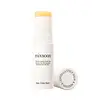
Helianthus Annuus Seed Oil, Polyglyceryl-2 Triisostearate, Octyldodecanol, Butyrospermum Parkii Butter, Euphorbia Cerifera Wax, Microcrystalline Wax, Diisostearyl Malate, Prunus Amygdalus Dulcis Oil, Tocopheryl Acetate, Ricinus Communis Seed Oil, Macadamia Seed Oil Polyglyceryl-6 Esters Behenate, Synthetic Wax, Polyethylene, Polymethylsilsesquioxane, Vinyl Dimethicone/Methicone Silsesquioxane Crosspolymer, Glycine Soja Oil, Sorbitan Olivate, Eclipta Prostrata Extract, Melia Azadirachta Leaf Extract, Monascus Extract, Lactobacillus/Punica Granatum Fruit Ferment Extract, Lactobacillus/Soybean Ferment Extract, Hippophae Rhamnoides Fruit Oil, Camellia Sinensis Seed Oil, Camellia Japonica Seed Oil, Argania Spinosa Kernel Oil, Olea Europaea Fruit Oil, Simmondsia Chinensis Seed Oil, Bisabolol, Tocopherol, Moringa Oleifera Seed Oil, Water, 1,2-Hexanediol, Lactobacillus/Acerola Cherry Ferment, Lactobacillus Ferment, Lactobacillus Ferment Lysate, Lactococcus Ferment, Lactococcus Ferment Lysate, Leuconostoc/Radish Root Ferment Filtrate, Bifida Ferment Filtrate, Dehydroacetic Acid
Ethylhexyl Palmitate
Emollient
Sorbeth-30 Tetraoleate
Emulsifying
Triethylhexanoin
MaskingGlycine Soja Oil
Emollient
Caprylic/Capric Triglyceride
Masking
Simmondsia Chinensis Seed Oil
Emollient
Parfum
Masking

Tocopherol
Antioxidant
Helianthus Annuus Seed Oil
Emollient
Caprylyl Glycol
Emollient
Ethylhexylglycerin
Skin ConditioningWater
Skin ConditioningPropanediol
Solvent
Glycerin
Humectant
Lactobacillus/Pear Juice Ferment Filtrate
Skin ConditioningLactobacillus/Punica Granatum Fruit Ferment Extract
Skin Conditioning
Lactobacillus/Soybean Ferment Extract
Skin ConditioningSaccharomyces/Barley Seed Ferment Filtrate
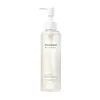
HumectantEthylhexyl Palmitate, Sorbeth-30 Tetraoleate, Triethylhexanoin, Glycine Soja Oil, Caprylic/Capric Triglyceride, Simmondsia Chinensis Seed Oil, Parfum, Tocopherol, Helianthus Annuus Seed Oil, Caprylyl Glycol, Ethylhexylglycerin, Water, Propanediol, Glycerin, Lactobacillus/Pear Juice Ferment Filtrate, Lactobacillus/Punica Granatum Fruit Ferment Extract, Lactobacillus/Soybean Ferment Extract, Saccharomyces/Barley Seed Ferment Filtrate
Reviews
Ingredients Explained
These ingredients are found in both products.
Ingredients higher up in an ingredient list are typically present in a larger amount.
Glycine Soja Oil comes from the soybean. Glycine Soja is native to eastern Asia.
Soybean oil is an emollient. It is rich in antioxidants and fatty acids including palmitic, stearic, oleic, and linoleic acids.
As an emollient, the fatty acids in soybean oil helps keep your skin soft and hydrated. It does so by creating a film on top that traps moisture in.
Soybean oil is also rich in vitamin E, a potent antioxidant. Vitamin E is also anti-inflammatory and provides a soothing effect.
Studies show soy may help fade hyperpigmentation from UVB. It does so by disrupting the melanin process from UVB induced skin inflammation.
This ingredient may not be malassezia folliculitis, or fungal-acne, safe.
Soybeans are rich in proteins and are part of the legume family. Foods made with soybeans include tofu, soymilk, edamame, miso, and soy sauce.
Learn more about Glycine Soja OilHelianthus Annuus Seed Oil is the oil derived from the seeds of a Sunflower. Sunflower seed oil is non-fragrant. It is an emollient, meaning it helps to soften the skin.
Sunflower seed oil contains many fatty acids. The fatty acids found in sunflower seeds include (from highest amount to least): linoleic acid, myristic acid, palmitic acid, stearic acid, arachidic acid, oleic acid, and linolenic acid.
These fatty acids help the skin create ceramides. Ceramides play a role in repairing the skin barrier.
Helianthus Annuus Seed Oil helps moisturize the skin. This in turn helps the skin look more rejuvenated and smoother.
Sunflowers are rich in vitamin E.
Historians believe Indigenous cultures of North America domesticated sunflowers before corn. Thus they relied on sunflower oil for a variety of uses. One such use is moisturizing skin and hair.
Sunflower seed oil may not be fungal acne safe. We recommend speaking with a professional if you have any concerns.
Learn more about Helianthus Annuus Seed OilThis ingredient comes from fermenting pomegranate with lactobacillus.
It displays strong antioxidant properties. One study found fermented pomegranate to help with moisture, brightness, elasticity, and collagen after 8 weeks.
This ingredient is created by fermenting soybean extract with the bacteria, lactobacillus.
Some studies have shown it to have antioxidant properties. One study found this ingredient to have stronger properties than non-fermented soybean extract.
Another study found in increase of isoflavones, amino acids, and peptides in fermented soy milk.
Learn more about Lactobacillus/Soybean Ferment ExtractThis oil comes from the seeds of the desert shrub called Jojoba. It is more commonly known as jojoba oil, a non-comedogenic oil.
Jojoba oil does not contain fragrance and has many fatty-acids, making it a great soothing ingredient.
It also contains Vitamin E, a great moisturizing ingredient. Vitamin E is also an antioxidant and protects your skin against oxidative damage.
This ingredient humectant properties, meaning it helps draw moisture from the air. This helps keep your skin hydrated.
While jojoba has antibacterial properties, it is only able to kill some strains of bacteria.
Studies also show it helps in wound healing. In fact, Indigenous cultures have used jojoba as a moisturizer and to help treat burns for centuries.
Fun fact: Jojoba oil similar to natural human skin sebum, so it has a great effect on dry skin. It is also promising with helping to regulate sebum production.
Due to its fatty acid content, Jojoba oil may not be fungal acne safe. We recommend speaking with a professional if you have any concerns.
Learn more about Simmondsia Chinensis Seed OilTocopherol (also known as Vitamin E) is a common antioxidant used to help protect the skin from free-radicals and strengthen the skin barrier. It's also fat soluble - this means our skin is great at absorbing it.
Vitamin E also helps keep your natural skin lipids healthy. Your lipid skin barrier naturally consists of lipids, ceramides, and fatty acids. Vitamin E offers extra protection for your skin’s lipid barrier, keeping your skin healthy and nourished.
Another benefit is a bit of UV protection. Vitamin E helps reduce the damage caused by UVB rays. (It should not replace your sunscreen). Combining it with Vitamin C can decrease sunburned cells and hyperpigmentation after UV exposure.
You might have noticed Vitamin E + C often paired together. This is because it is great at stabilizing Vitamin C. Using the two together helps increase the effectiveness of both ingredients.
There are often claims that Vitamin E can reduce/prevent scarring, but these claims haven't been confirmed by scientific research.
Learn more about TocopherolWater. It's the most common cosmetic ingredient of all. You'll usually see it at the top of ingredient lists, meaning that it makes up the largest part of the product.
So why is it so popular? Water most often acts as a solvent - this means that it helps dissolve other ingredients into the formulation.
You'll also recognize water as that liquid we all need to stay alive. If you see this, drink a glass of water. Stay hydrated!
Learn more about Water
