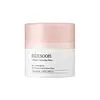
This barrier-repair moisturizer is formulated around Helianthus Annuus Seed Oil and Butyrospermum Parkii Butter to strengthen the skin barrier and hydrate skin.
This oil-based makeup remover is made to dissolve makeup, sunscreen, and daily buildup.

What's inside
What's inside
Key Ingredients
Benefits
Concerns
Ingredients Side-by-side
Helianthus Annuus Seed Oil
Emollient



Polyglyceryl-2 Triisostearate
Emulsifying
Octyldodecanol
Emollient
Butyrospermum Parkii Butter
Skin Conditioning



Euphorbia Cerifera Wax
Microcrystalline Wax
Emulsion StabilisingDiisostearyl Malate
EmollientPrunus Amygdalus Dulcis Oil
Skin Conditioning
Tocopheryl Acetate
Antioxidant


Ricinus Communis Seed Oil
Masking
Macadamia Seed Oil Polyglyceryl-6 Esters Behenate
Emollient
Synthetic Wax
Abrasive
Polyethylene
Abrasive
Polymethylsilsesquioxane

Vinyl Dimethicone/Methicone Silsesquioxane Crosspolymer

Glycine Soja Oil
Emollient

Sorbitan Olivate
Emulsifying
Eclipta Prostrata Extract
Skin Conditioning
Melia Azadirachta Leaf Extract
Skin ConditioningMonascus Extract
Skin ConditioningLactobacillus/Punica Granatum Fruit Ferment Extract
Antioxidant
Lactobacillus/Soybean Ferment Extract
Skin ConditioningHippophae Rhamnoides Fruit Oil
Skin Protecting
Camellia Sinensis Seed Oil
Humectant
Camellia Japonica Seed Oil
Emollient
Argania Spinosa Kernel Oil
Emollient
Olea Europaea Fruit Oil
Masking
Simmondsia Chinensis Seed Oil
Emollient
Bisabolol
Antioxidant
Tocopherol
Antioxidant
Moringa Oleifera Seed Oil
Emollient
Water
Skin Conditioning1,2-Hexanediol
Skin Conditioning
Lactobacillus/Acerola Cherry Ferment
Skin ProtectingLactobacillus Ferment
Skin Conditioning
Lactobacillus Ferment Lysate
Skin Conditioning
Lactococcus Ferment
Skin ConditioningLactococcus Ferment Lysate
Skin Conditioning
Leuconostoc/Radish Root Ferment Filtrate
Antimicrobial
Bifida Ferment Filtrate
Skin Conditioning
Dehydroacetic Acid
Preservative
Helianthus Annuus Seed Oil, Polyglyceryl-2 Triisostearate, Octyldodecanol, Butyrospermum Parkii Butter, Euphorbia Cerifera Wax, Microcrystalline Wax, Diisostearyl Malate, Prunus Amygdalus Dulcis Oil, Tocopheryl Acetate, Ricinus Communis Seed Oil, Macadamia Seed Oil Polyglyceryl-6 Esters Behenate, Synthetic Wax, Polyethylene, Polymethylsilsesquioxane, Vinyl Dimethicone/Methicone Silsesquioxane Crosspolymer, Glycine Soja Oil, Sorbitan Olivate, Eclipta Prostrata Extract, Melia Azadirachta Leaf Extract, Monascus Extract, Lactobacillus/Punica Granatum Fruit Ferment Extract, Lactobacillus/Soybean Ferment Extract, Hippophae Rhamnoides Fruit Oil, Camellia Sinensis Seed Oil, Camellia Japonica Seed Oil, Argania Spinosa Kernel Oil, Olea Europaea Fruit Oil, Simmondsia Chinensis Seed Oil, Bisabolol, Tocopherol, Moringa Oleifera Seed Oil, Water, 1,2-Hexanediol, Lactobacillus/Acerola Cherry Ferment, Lactobacillus Ferment, Lactobacillus Ferment Lysate, Lactococcus Ferment, Lactococcus Ferment Lysate, Leuconostoc/Radish Root Ferment Filtrate, Bifida Ferment Filtrate, Dehydroacetic Acid
Cetyl Ethylhexanoate
EmollientSorbeth-30 Tetraoleate
Emulsifying
Ethylhexyl Palmitate
Emollient
Isododecane
EmollientIsononyl Isononanoate
EmollientSynthetic Wax
Abrasive
Silica Dimethyl Silylate
EmollientHydrogenated Coconut Oil
Emollient
Hydrogenated Vegetable Oil
Emollient
Parfum
Masking

Trihydroxystearin
Skin Conditioning
Tocopherol
Antioxidant
Water
Skin ConditioningPropanediol
Solvent
Glycerin
Humectant
Butylene Glycol
Humectant
Lactobacillus/Pear Juice Ferment Filtrate
Skin ConditioningLactobacillus/Punica Granatum Fruit Ferment Extract
Antioxidant
Lactobacillus/Soybean Ferment Extract
Skin ConditioningSaccharomyces/Barley Seed Ferment Filtrate
Humectant1,2-Hexanediol
Skin Conditioning
Soluble Collagen
Humectant
Sodium DNA
Skin Conditioning
Cetyl Ethylhexanoate, Sorbeth-30 Tetraoleate, Ethylhexyl Palmitate, Isododecane, Isononyl Isononanoate, Synthetic Wax, Silica Dimethyl Silylate, Hydrogenated Coconut Oil, Hydrogenated Vegetable Oil, Parfum, Trihydroxystearin, Tocopherol, Water, Propanediol, Glycerin, Butylene Glycol, Lactobacillus/Pear Juice Ferment Filtrate, Lactobacillus/Punica Granatum Fruit Ferment Extract, Lactobacillus/Soybean Ferment Extract, Saccharomyces/Barley Seed Ferment Filtrate, 1,2-Hexanediol, Soluble Collagen, Sodium DNA
Reviews
Ingredients Explained
These ingredients are found in both products.
Ingredients higher up in an ingredient list are typically present in a larger amount.
1,2-Hexanediol is a synthetic liquid and another multi-functional powerhouse.
It is a:
- Humectant, drawing moisture into the skin
- Emollient, helping to soften skin
- Solvent, dispersing and stabilizing formulas
- Preservative booster, enhancing the antimicrobial activity of other preservatives
This one is the fancy name for pomegranate enzyme. It is created by fermenting pomegranate (Punica Granatum) with Lactobacillus bacteria.
The fermentation step breaks down the fruit's bound polyphenols into smaller, more skin-available forms. Most notably, Punicalagin gets converted into Ellagic Acid.
What you end up with is a water-loving ingredient packed with plant antioxidants and a gentle skin-dissolving enzyme that works in two ways:
1) it fights daily damage from things like pollution and UV
2) it lightly loosens dead skin cells on the surface for a smoother, brighter look.
The antioxidant side is the better studied half. Pomegranate's natural compounds help neutralize unstable molecules that damage skin cells and lab studies on skin cells show they can also help calm inflammation.
Exfoliation from this ingredient is soft; it gently loosens dead skin cells on the surface. Even manufacturers admit it's not as strong as AHAs like glycolic acid.
A 2022 human trial on a fermented pomegranate serum reported improvements in moisture, brightness, elasticity, spots, and collagen density after 4-8 weeks.
This ingredient is recommended to be used at 1-3% by suppliers. Since the Lactobacillus is a fermenting organism rather than live culture in a final product, there's no known fungal acne concern.
Just be sure to patch test or avoid if you have known pomegranate allergies.
Learn more about Lactobacillus/Punica Granatum Fruit Ferment ExtractLactobacillus/Soybean Ferment Extract is the result of fermenting soybeans with the Lactobacillus bacteria. It mainly acts as a skin conditioning agent in a formula, and the interesting part is what fermentation does to the soy.
Fermenting soy:
The isoflavones are the workhorses behind the common claims; lab and animal studies show they mop up free radicals, help protect skin cells from UVB damage, and nudge fibroblasts to make more collagen while slowing the enzymes that break collagen down.
One controlled clinical study using an isoflavone cream reported softer wrinkles and better skin texture over time. A topical fermented soy extract also improved hydration and elasticity in an animal aging model.
The big caveat is that most of this evidence comes from soy isoflavones and related fermented soy extracts rather than this exact INCI. Some of the strongest data also comes from oral studies.
So it's best to think of this ingredient as a gentle, antioxidant-leaning conditioning agent rather than a proven wrinkle eraser.
At this time, there's no published concentration levels for this specific ferment but it usually shows up at modest levels in real products (~1% or less).
One last thing for people with soy allergies: it's always worth patch testing this ingredient despite the lowered allergy risk.
Learn more about Lactobacillus/Soybean Ferment ExtractSynthetic Wax is a manufactured hydrocarbon wax. In formulas, it works as an occlusive emollient that helps reduce water loss and improves the spreadability of products.
Research comparing synthetic wax to traditional mineral-derived products found that formulas containing it perform as well for skin hydration.
It is considered non-comedogenic and vegan-friendly.
This ingredient has a well-established safety record by the CIR Expert Panel for Cosmetic Ingredient Safety.
Synthetic Waxes are straight/branched-chain hydrocarbons with no ester bond or fatty acids. That means there is nothing for the Malassezia yeast to feed on.
Learn more about Synthetic WaxTocopherol is a fat-soluble antioxidant known as Vitamin E.
You'll find this ingredient in the vast majority of skincare (for good reason). It works to neutralize free radicals, or unstable molecules generated by UV exposure, pollution, and other environmental stressors, before they can cause oxidative damage to your skin cells.
Topically applied tocopherol has been shown to protect against UV damage by ramping up the skin's own natural defense enzymes.
It also acts as a skin conditioning agent; some studies show that regular topical use can improve the skin's water-binding capacity over 2-4 weeks.
This ingredient is especially loved for being a team player. When combined with Vitamin C, the photoprotective effect of both ingredients roughly doubles and the combo also helps reduce UV-induced DNA damage.
This ingredient has some brightening potential but it's more of a prevention ingredient than spot-fader. Cell studies show it can slow down melanin production but it's worth noting that it's not the most powerful brightener out there.
In formulations, it also serves as a stabilizer that helps protect other oxidation-prone ingredients from degrading.
Concentrations usually range from 0.1-1% in most leave-on products.
Learn more about TocopherolWater. It's the most common cosmetic ingredient of all. You'll usually see it at the top of ingredient lists, meaning that it makes up the largest part of the product.
So why is it so popular? Water most often acts as a solvent - this means that it helps dissolve other ingredients into the formulation.
You'll also recognize water as that liquid we all need to stay alive. If you see this, drink a glass of water. Remember to stay hydrated!
Learn more about Water

