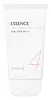
This chemical sunscreen covers the full UV range and blocks ~98% of UVB at SPF 45.
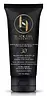
This chemical sunscreen covers most of the UV range, lighter on the deep UVA that drives aging.


What's inside
What's inside
 Key Ingredients
Benefits
Concerns
Ingredients Side-by-side
Water
Skin ConditioningEthylhexyl Methoxycinnamate
UV Absorber


Ethylhexyl Salicylate
UV Absorber
Phenylbenzimidazole Sulfonic Acid
UV Absorber
Butylene Glycol
Humectant

Diethylamino Hydroxybenzoyl Hexyl Benzoate
UV Filter
Methyl Methacrylate Crosspolymer

C12-15 Alkyl Benzoate
AntimicrobialCetearyl Alcohol
Emollient






Bis-Ethylhexyloxyphenol Methoxyphenyl Triazine
UV Absorber
Glyceryl Stearate
Emollient
Cetearyl Olivate
Cyclopentasiloxane
Emollient
Acrylates/Dimethicone Copolymer
Skin Conditioning
Vp/Hexadecene Copolymer
Rosa Davurica Bud Extract
Antioxidant
Nelumbium Speciosum Flower Extract
Skin ConditioningChrysanthemum Indicum Flower Extract
Skin Conditioning
Camellia Sinensis Leaf Extract
Antimicrobial



Artemisia Princeps Leaf Extract
Skin ConditioningDiospyros Kaki Leaf Extract
Skin Protecting
Cinnamomum Cassia Bark Extract
Masking
Morus Alba Fruit Extract
Antioxidant
Pueraria Lobata Root Extract
HumectantAloe Barbadensis Leaf Juice
Skin Conditioning
Glycyrrhiza Glabra Root Extract
Bleaching

Morus Alba Root Extract
BleachingCucumis Sativus Fruit Extract
Emollient
Portulaca Oleracea Extract
Skin Conditioning
Hamamelis Virginiana Water
Astringent
Limonia Acidissima Extract
Skin ConditioningCentaurea Cyanus Flower Water
Skin Conditioning
Thymus Vulgaris Leaf Water
Skin ConditioningHelichrysum Italicum Flower Water
Skin ConditioningSorbitan Olivate
Emulsifying
Sodium Hydroxide
BufferingPolysorbate 60
Emulsifying
Dimethicone
Emollient
Polyacrylate-13
PEG-100 Stearate
Surfactant
Polyisobutene
Sorbitan Sesquioleate
Emulsifying
BHT
Antioxidant
Sorbitan Isostearate
Emulsifying
Polysorbate 20
Emulsifying
Panthenol
Skin Conditioning
Disodium EDTA
ChelatingCaprylyl Glycol
Emollient
Ethylhexylglycerin
Skin Conditioning1,2-Hexanediol
Skin Conditioning
Parfum
Masking

Water, Ethylhexyl Methoxycinnamate, Ethylhexyl Salicylate, Phenylbenzimidazole Sulfonic Acid, Butylene Glycol, Diethylamino Hydroxybenzoyl Hexyl Benzoate, Methyl Methacrylate Crosspolymer, C12-15 Alkyl Benzoate, Cetearyl Alcohol, Bis-Ethylhexyloxyphenol Methoxyphenyl Triazine, Glyceryl Stearate, Cetearyl Olivate, Cyclopentasiloxane, Acrylates/Dimethicone Copolymer, Vp/Hexadecene Copolymer, Rosa Davurica Bud Extract, Nelumbium Speciosum Flower Extract, Chrysanthemum Indicum Flower Extract, Camellia Sinensis Leaf Extract, Artemisia Princeps Leaf Extract, Diospyros Kaki Leaf Extract, Cinnamomum Cassia Bark Extract, Morus Alba Fruit Extract, Pueraria Lobata Root Extract, Aloe Barbadensis Leaf Juice, Glycyrrhiza Glabra Root Extract, Morus Alba Root Extract, Cucumis Sativus Fruit Extract, Portulaca Oleracea Extract, Hamamelis Virginiana Water, Limonia Acidissima Extract, Centaurea Cyanus Flower Water, Thymus Vulgaris Leaf Water, Helichrysum Italicum Flower Water, Sorbitan Olivate, Sodium Hydroxide, Polysorbate 60, Dimethicone, Polyacrylate-13, PEG-100 Stearate, Polyisobutene, Sorbitan Sesquioleate, BHT, Sorbitan Isostearate, Polysorbate 20, Panthenol, Disodium EDTA, Caprylyl Glycol, Ethylhexylglycerin, 1,2-Hexanediol, Parfum
Butyl Methoxydibenzoylmethane 3%
UV Absorber
Homosalate 10%
Skin Conditioning
Ethylhexyl Salicylate 5%
UV Absorber
Octocrylene 2.75%
UV Absorber
Acrylates/C10-30 Alkyl Acrylate Crosspolymer
Emulsion StabilisingAcrylates/C12-22 Alkyl Methacrylate Copolymer
Aloe Barbadensis Leaf Juice
Skin Conditioning
Butylphthalimide
Skin ConditioningCarbomer
Emulsion StabilisingDaucus Carota Sativa Seed Oil
Emollient
Disodium EDTA
ChelatingEthylhexylglycerin
Skin ConditioningHelianthus Annuus Seed Oil
Emollient
Hydroxypropyl Methylcellulose
Emulsion StabilisingIsopropylphthalimide
Skin ConditioningLecithin
Emollient
Persea Gratissima Oil
Skin Conditioning
Phenoxyethanol
Preservative
Propylene Glycol
Humectant
Simmondsia Chinensis Seed Oil
Emollient
Sodium Hydroxide
BufferingSorbitan Oleate
Emulsifying
Theobroma Cacao Seed Butter
Emollient
Tocopheryl Acetate
Antioxidant
Water
Skin ConditioningButyl Methoxydibenzoylmethane 3%, Homosalate 10%, Ethylhexyl Salicylate 5%, Octocrylene 2.75%, Acrylates/C10-30 Alkyl Acrylate Crosspolymer, Acrylates/C12-22 Alkyl Methacrylate Copolymer, Aloe Barbadensis Leaf Juice, Butylphthalimide, Carbomer, Daucus Carota Sativa Seed Oil, Disodium EDTA, Ethylhexylglycerin, Helianthus Annuus Seed Oil, Hydroxypropyl Methylcellulose, Isopropylphthalimide, Lecithin, Persea Gratissima Oil, Phenoxyethanol, Propylene Glycol, Simmondsia Chinensis Seed Oil, Sodium Hydroxide, Sorbitan Oleate, Theobroma Cacao Seed Butter, Tocopheryl Acetate, Water
Reviews
Ingredients Explained
These ingredients are found in both products.
Ingredients higher up in an ingredient list are typically present in a larger amount.
Aloe Barbadensis Leaf Juice is the filtered, stabilized liquid pressed from the inner gel of the aloe vera leaf.
In cosmetics, it shows up as either soothing active or a water-replacement base. It is roughly 98-99% water and the last 1-2% is an interesting mix of polysaccharides, amino acids, vitamins, minerals, and enzymes.
The polysaccharides do most of the work: they bind water at the skin surface for a light, non-greasy hydration boost. And one of the polysaccharides, glycomannan, is linked to fibroblast stimulation + collagen synthesis. This is also why aloe has such a long track record in wound and burn healing.
This ingredient is also calming with anti-inflammatory and mild antimicrobial activity, making it a great pick for sensitive, irritated, or post-sun skin.
Realistic expectations matter though; the solid evidence is mostly limited to hydration, soothing, and wound support. Deeper claims about anti-aging or sun protection are not well backed, and science reviews note it does not prevent radiation-induced skin injury.
Because it plays well with almost everything, it's commonly used as a base alongside other actives like niacinamide or vitamin C.
Typical usage concentrations range from 0.5% (where hydration benefits already show up) all the way to 90%+ (where it replaces water as the main base).
The safety for this ingredient is well-establish as well. Overall, this is a great supporting ingredient for those who want a boost in hydration.
Learn more about Aloe Barbadensis Leaf JuiceDisodium EDTA is a chelating agent. It grabs onto and deactivates metal ions that sneak into your products from water, packaging, or air.
This ingredient mainly works behind the scenes and helps with:
On top of that, this ingredient can counteract the effects of hard water by binding to the minerals in it.
One thing worth knowing is that Disodium EDTA has been shown to be a mild penetration enhancer. It can help other ingredients absorb into skin more effectively which can be a double-edged sword (great for actives, but can also make the active too strong if you have sensitive skin).
Clinical patch testing showed no significant skin irritation at typical use concentrations and minimal dermal absorption.
You'll most likely see this ingredient near the end of an ingredient list. It's typically found in concentrations less than 1%.
Learn more about Disodium EDTAEthylhexyl Salicylate (also called Octisalate or Octyl Salicylate) is an oil-soluble organic UV filter that's been used in sunscreen since the 1950's.
It absorbs UVB light in the 280-320 nm range with a peak absorbance around 306 nm.
You'll often see it paired with other UV filters to boost overall SPF because octisalate is a fairly week filter on its own.
The reason you'll see it so often is because it can help solubilize and stabilize the trickier filters like oxybenzone and avobenzone.
Unlike these filters, octisalate has pretty good photostability and doesn't create skin-damaging free radicals when exposed to sunlight.
The fatty-alcohol part of the molecule also gives it a light, emollient feel so it doubles as a nice texture enhancer.
Usage levels vary around the world:
Safety-wise, this ingredient has a pretty reassuring track record. The EU's Scientific Committee on Consumer Products (SCCP) found very low skin penetration in human skin tests and negative results for irritation, phototoxicity, and photoallergy.
The real-world allergy risk is pretty low too; a 2012 European study of 1,031 people recorded only 2 reactions to it (a rate of 0.19%).
You might have seen scary headlines about sunscreen getting into your blood.
In 2019, the FDA found that several chemical filters can absorb through the skin and show up in the bloodstream at small but measurable levels.
Here's the important part: these tiny levels are just a cutoff the FDA uses to decide which ingredients need more testing and doesn't mean anything harmful was found.
The researchers were clear that the results are no reason to stop wearing sunscreen.
Learn more about Ethylhexyl SalicylateEthylhexylglycerin is created from glycerin. It is a multitasker ingredient that:
The CIR Expert Panel found minimal skin absorption or sensitization of any kind in a safety assessment. Though this ingredient is considered well-tolerated, a small number of cases of allergic dermatitis have been published since 2002. Just be sure to patch test if you are unsure.
Industry-reported use ranges from 8% in rinse-off products and 2% in leave-on formulations.
Learn more about EthylhexylglycerinSodium Hydroxide is also known as lye or caustic soda. It is used to adjust the pH of products; many ingredients require a specific pH to be effective.
In small amounts, sodium hydroxide is considered safe to use. However, large amounts may cause chemical burns due to its high alkaline.
Your skin has a natural pH and acid mantle. This acid mantle helps prevent harmful bacteria from breaking through. The acid mantle also helps keep your skin hydrated.
"Alkaline" refers to a high pH level. A low pH level would be considered acidic.
Learn more about Sodium HydroxideWater. It's the most common cosmetic ingredient of all. You'll usually see it at the top of ingredient lists, meaning that it makes up the largest part of the product.
So why is it so popular? Water most often acts as a solvent - this means that it helps dissolve other ingredients into the formulation.
You'll also recognize water as that liquid we all need to stay alive. If you see this, drink a glass of water. Remember to stay hydrated!
Learn more about Water

