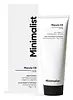
This moisturizer is formulated around Sclerocarya Birrea Seed Oil to hydrate skin.
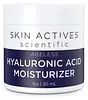
This barrier-repair moisturizer is formulated around Sodium Hyaluronate and Simmondsia Chinensis Seed Oil to strengthen the skin barrier and hydrate skin.


What's inside
What's inside
 Key Ingredients
Benefits
Concerns
Ingredients Side-by-side
Water
Skin ConditioningSclerocarya Birrea Seed Oil
Humectant





Glycerin
Humectant

Methylpropanediol
SolventDicaprylyl Carbonate
EmollientCaprylic/Capric Triglyceride
Masking
Cetearyl Alcohol
Emollient

Butylene Glycol
Humectant
Petrolatum
Emollient
Glyceryl Stearate
Emollient
PEG-100 Stearate
Surfactant
Saccharide Isomerate
Humectant
Trehalose
Humectant
Tocopheryl Acetate
Antioxidant


Pentylene Glycol
Skin Conditioning
Linoleic Acid
Cleansing

Linolenic Acid
Cleansing

Cetyl Alcohol
Emollient
Coco-Caprylate/Caprate
Emollient
Triheptanoin
Skin ConditioningSodium Hyaluronate
Humectant
Hydroxyethyl Acrylate/Sodium Acryloyldimethyl Taurate Copolymer
Emulsion StabilisingPolyisobutene
Phenoxyethanol
Preservative
C9-12 Alkane
SolventAllantoin
Skin Conditioning
Polyurethane-10
PEG-7 Trimethylolpropane Coconut Ether
Emulsifying
Carbomer
Emulsion StabilisingTrisodium Ethylenediamine Disuccinate
ChelatingTriethanolamine
BufferingEthylhexylglycerin
Skin ConditioningWater, Sclerocarya Birrea Seed Oil, Glycerin, Methylpropanediol, Dicaprylyl Carbonate, Caprylic/Capric Triglyceride, Cetearyl Alcohol, Butylene Glycol, Petrolatum, Glyceryl Stearate, PEG-100 Stearate, Saccharide Isomerate, Trehalose, Tocopheryl Acetate, Pentylene Glycol, Linoleic Acid, Linolenic Acid, Cetyl Alcohol, Coco-Caprylate/Caprate, Triheptanoin, Sodium Hyaluronate, Hydroxyethyl Acrylate/Sodium Acryloyldimethyl Taurate Copolymer, Polyisobutene, Phenoxyethanol, C9-12 Alkane, Allantoin, Polyurethane-10, PEG-7 Trimethylolpropane Coconut Ether, Carbomer, Trisodium Ethylenediamine Disuccinate, Triethanolamine, Ethylhexylglycerin
Water
Skin ConditioningSimmondsia Chinensis Seed Oil
Emollient
Sorbitol
Humectant
Butylene Glycol
Humectant
Lactobacillus/Kelp Ferment Filtrate
Skin ConditioningCetyl Alcohol
Emollient
Glyceryl Stearate
Emollient
PEG-100 Stearate
Surfactant
Stearyl Alcohol
Emollient
Sesamum Indicum Seed Oil
Emollient
Prunus Amygdalus Dulcis Oil
Skin Conditioning
Rosa Canina Seed Oil
Emollient
Persea Gratissima Oil
Skin Conditioning
Ceramide NP
Skin Conditioning
Sodium Hyaluronate
Humectant
Hydrolyzed Collagen
Emollient
Ubiquinone
Antioxidant
Tetrahydrodiferuloylmethane
Antioxidant
Tetrahydrodemethoxydiferuloylmethane
Antioxidant
Tetrahydrobisdemethoxydiferuloylmethane
Antioxidant
Cocos Nucifera Fruit Juice
Emollient
Dipotassium Glycyrrhizate
Humectant
Punica Granatum Seed Oil
Emollient
Tocotrienols
Skin Conditioning
Tocopherol
Antioxidant
Astaxanthin
Skin Conditioning
Lycopene
Antioxidant
Xanthophylls
Skin ConditioningThioctic Acid
Antioxidant
Beta-Carotene
Skin ConditioningFucoxanthin
Skin ConditioningPorphyridium Polysaccharide
Antioxidant
C10-30 Cholesterol/Lanosterol Esters
Emulsifying
Polysorbate 20
Emulsifying
Citric Acid
Buffering
Dimethicone
Emollient
Carbomer
Emulsion StabilisingAminomethyl Propanol
BufferingMethylparaben
Preservative

Propylparaben
Preservative
Phenoxyethanol
Preservative
Caprylyl Glycol
Emollient
Sorbic Acid
Preservative
Water, Simmondsia Chinensis Seed Oil, Sorbitol, Butylene Glycol, Lactobacillus/Kelp Ferment Filtrate, Cetyl Alcohol, Glyceryl Stearate, PEG-100 Stearate, Stearyl Alcohol, Sesamum Indicum Seed Oil, Prunus Amygdalus Dulcis Oil, Rosa Canina Seed Oil, Persea Gratissima Oil, Ceramide NP, Sodium Hyaluronate, Hydrolyzed Collagen, Ubiquinone, Tetrahydrodiferuloylmethane, Tetrahydrodemethoxydiferuloylmethane, Tetrahydrobisdemethoxydiferuloylmethane, Cocos Nucifera Fruit Juice, Dipotassium Glycyrrhizate, Punica Granatum Seed Oil, Tocotrienols, Tocopherol, Astaxanthin, Lycopene, Xanthophylls, Thioctic Acid, Beta-Carotene, Fucoxanthin, Porphyridium Polysaccharide, C10-30 Cholesterol/Lanosterol Esters, Polysorbate 20, Citric Acid, Dimethicone, Carbomer, Aminomethyl Propanol, Methylparaben, Propylparaben, Phenoxyethanol, Caprylyl Glycol, Sorbic Acid
Reviews
Ingredients Explained
These ingredients are found in both products.
Ingredients higher up in an ingredient list are typically present in a larger amount.
Butylene Glycol (or BG) is used within cosmetic products for a few different reasons:
Overall, Butylene Glycol is a safe and well-rounded ingredient that works well with other ingredients.
Though this ingredient works well with most skin types, some people with sensitive skin may experience a reaction such as allergic rashes, closed comedones, or itchiness.
Learn more about Butylene GlycolCarbomer is a synthetic thickening and gelling agent. It's basically the ingredient that gives a lot of serums, gels, creams, and sunscreens their smooth, non-sticky texture.
Although legally permitted at very high levels, carbomers are normally used at concentrations below 1%.
It also needs to be neutralized to actually thicken, and because it is a large molecule, it doesn't really penetrate the skin barrier.
Allergy-wise, the risk is very low. Clinical studies show carbomers have low potential for skin irritation/sensitization even at concentrations up to 100%.
A 2024 UK study patch-tested 1,302 patients and found true allergy to the parent group of carbomer to be rare with no confirmed relevant reactions.
Learn more about CarbomerCetyl Alcohol is a fatty alcohol. Fatty Alcohols are most often used as an emollient or to thicken a product.
Its main roles are:
Though it has "alcohol" in the name, it is not related to denatured alcohol or ethyl alcohol.
The FDA allows products labeled "alcohol-free" to have fatty alcohols.
This ingredient may not be fungal acne safe. It is a primary fatty alcohol with a chain length above 12 carbons. A study from 2019 show Malassezia can feed on fatty alcohols in this range, so it may trigger fungal acne in those prone to it.
Learn more about Cetyl AlcoholGlyceryl Stearate is made by reacting glycerin with stearic acid (typically sourced from plant oils like palm or coconut). It's an emulsifier, emollient, and mild occlusive.
Emulsifiers help ingredients like oil and water stay mixed so your formula stays nicely blended and uniform in texture.
This ingredient is typically used in concentrations between 1-10%. Studies have found it to be non-sensitizing, non-phototoxic, and non-photoallergenic.
A close cousin of this ingredient is Glyceryl Stearate SE ("self-emulsifying"). This just has a small amount of sodium or potassium stearate added so it can emulsify without a co-emulsifier.
Since this ingredient is an ester of a C18 fatty acid, it may not be fungal acne safe. The Malassezia yeast can potentially metabolize within the C11-C24 range.
Fun fact: The human body also creates Glyceryl Stearate naturally.
Learn more about Glyceryl StearatePeg-100 Stearate is an emollient and emulsifier. As an emollient, it helps keep skin soft by trapping moisture in. On the other hand, emulsifiers help prevent oil and water from separating in a product.
PEGS are a hydrophilic polyether compound . There are 100 ethylene oxide monomers in Peg-100 Stearate. Peg-100 Stearate is polyethylene glycol ester of stearic acid.
Phenoxyethanol is one of the most widely used preservatives in skincare (and for good reason!).
It has a large spectrum of antimicrobial activity and especially effective bacteria, yeast, and mold while only having a weak effect on your skin's natural microbiome.
On a cellular level, it disrupts the cell membranes of microbes by poking holes that make the cell leak. This shuts down the chemical reactions the microbe needs to make energy so it can no longer survive.
Another perk of this ingredient is that it stays functional across a wide pH range (3-10).
You'll often see it paired with boosters like Ethylhexylglycerin; one study showed that a 1:9 ratio of Ethylhexylglycerin to Phenoxyethanol damages bacterial membranes as effectively as doubling the Phenoxyethanol concentration on its own.
Typical use concentrations range from 0.3-1% depending on the formula, and this ingredient is capped at 1% int the EU.
Safety-wise, the fear mongering does not hold up to the evidence. The EU's Scientific Committee on Consumer Safety and FDA consider it safe as a preservative at up to 1%, including for children of all ages.
Adverse systemic effects only showed up in animal studies at exposures roughly 200x higher than what people get from cosmetics. And despite its very widespread use, this ingredient is a rare sensitizer and allergic reactions are uncommon.
Learn more about PhenoxyethanolSodium Hyaluronate is the salt form of hyaluronic acid. It is a long sugar chain that is naturally found in your skin, joints, and connective tissue that maintains hydration and elasticity.
In skincare, it works as a humectant. It pulls water from the environment and deeper layers of skin and binds it to the surface.
Interestingly, the size of the molecule affects its behavior:
Some clinical evidence links low molecular weight versions to improved wrinkle depth, elasticity, anti-inflammatory effects, and barrier repair.
Many serums use a blend of both weights so you can get surface hydration plus longer-lasting and deeper effects.
You'll typically see concentrations between 0.1-2% for this ingredient.
Learn more about Sodium HyaluronateWater. It's the most common cosmetic ingredient of all. You'll usually see it at the top of ingredient lists, meaning that it makes up the largest part of the product.
So why is it so popular? Water most often acts as a solvent - this means that it helps dissolve other ingredients into the formulation.
You'll also recognize water as that liquid we all need to stay alive. If you see this, drink a glass of water. Remember to stay hydrated!
Learn more about Water

