

What's inside
What's inside
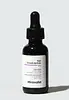 Key Ingredients
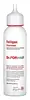
Benefits
Concerns
Ingredients Side-by-side
Butylene Glycol
Humectant

Water
Skin ConditioningDextran
Acetyl Tetrapeptide-3
Skin Protecting
Trifolium Pratense Flower Extract
AstringentPropanediol
Solvent
Arginine
Masking
Glycine Soja Germ Extract
EmollientTriticum Vulgare Germ Extract
Skin ConditioningScutellaria Baicalensis Root Extract
Astringent
Sodium Benzoate
Masking
Gluconolactone
Chelating






Calcium Gluconate
HumectantGlycerin
Humectant
PPG-26-Buteth-26
Skin ConditioningPEG-40 Hydrogenated Castor Oil
Emulsifying


Apigenin
Antioxidant
Oleanolic Acid
Skin ConditioningBiotinoyl Tripeptide-1
Pisum Sativum Sprout Extract
Skin ConditioningIsomalt
HumectantSodium Metabisulfite
Antioxidant
Larix Europaea Wood Extract
HumectantGlycine
Buffering
Zinc Chloride
AntimicrobialCamellia Sinensis Leaf Extract
Antimicrobial
Xylitylglucoside
Humectant
Anhydroxylitol
Humectant
Xylitol
Humectant
Saccharide Isomerate
Humectant
Sanguisorba Officinalis Root Extract
CleansingSerenoa Serrulata Fruit Extract
Skin Conditioning
Capryloyl Glycine
CleansingPhenoxyethanol
Preservative
Ethylhexylglycerin
Skin ConditioningCitric Acid
Buffering
Sodium Citrate
BufferingButylene Glycol, Water, Dextran, Acetyl Tetrapeptide-3, Trifolium Pratense Flower Extract, Propanediol, Arginine, Glycine Soja Germ Extract, Triticum Vulgare Germ Extract, Scutellaria Baicalensis Root Extract, Sodium Benzoate, Gluconolactone, Calcium Gluconate, Glycerin, PPG-26-Buteth-26, PEG-40 Hydrogenated Castor Oil, Apigenin, Oleanolic Acid, Biotinoyl Tripeptide-1, Pisum Sativum Sprout Extract, Isomalt, Sodium Metabisulfite, Larix Europaea Wood Extract, Glycine, Zinc Chloride, Camellia Sinensis Leaf Extract, Xylitylglucoside, Anhydroxylitol, Xylitol, Saccharide Isomerate, Sanguisorba Officinalis Root Extract, Serenoa Serrulata Fruit Extract, Capryloyl Glycine, Phenoxyethanol, Ethylhexylglycerin, Citric Acid, Sodium Citrate
Water
Skin ConditioningOnsen-Sui
Dipropylene Glycol
HumectantCaprylic/Capric Triglyceride
Masking
Cetearyl Alcohol
Emollient



Cetyl Alcohol
Emollient
Stearyl Alcohol
Emollient
Brassicamidopropyl Dimethylamine
Skin ConditioningBehentrimonium Chloride
Preservative
Behentrimonium Methosulfate
SurfactantParfum
Masking


Behenyl Alcohol
Emollient
Glyceryl Stearate
Emollient
Steartrimonium Chloride
Preservative
Quaternium-33
Alcohol
Antimicrobial

Pentylene Glycol
Skin Conditioning
Propylene Glycol
Humectant
Isopropyl Myristate
Emollient
Panthenol
Skin Conditioning
Propanediol
Solvent
Zinc Pyrithione
Antiseborrhoeic
Citric Acid
Buffering
Butylene Glycol
Humectant
Salicylic Acid
Masking
Menthol
Masking
Polyquaternium-10
Guar Hydroxypropyltrimonium Chloride
Skin ConditioningCaprylyl Glycol
Emollient
Lanolin Acid
Cleansing
Ethylhexylglycerin
Skin ConditioningDisodium EDTA
ChelatingLaurdimonium Hydroxypropyl Hydrolyzed Wheat Protein
Cnidium Officinale Rhizome Extract
Skin ConditioningPanax Ginseng Root Extract
Emollient
Sodium Citrate
BufferingHydrolyzed Soy Protein
Humectant
Hydrolyzed Keratin
Humectant
Zinc Chloride
AntimicrobialSorbitol
Humectant
Belamcanda Chinensis Root Extract
Skin ConditioningSwertia Japonica Extract
Skin ConditioningGlycerin
Humectant
Cocos Nucifera Oil
Masking
Gardenia Taitensis Flower
Skin ConditioningHydrolyzed Rye Phytoplacenta Extract
Skin ConditioningGlycine
Buffering
Paeonia Suffruticosa Root Extract
Skin ProtectingSerine
Masking
Glutamic Acid
Humectant
Nymphaea Alba Flower Extract
Skin ConditioningSerenoa Serrulata Fruit Extract
Skin Conditioning
Hibiscus Sabdariffa Flower Extract
Skin ConditioningAspartic Acid
Masking
Leucine
Skin ConditioningFagraea Berteroana Flower Extract
Skin ConditioningCananga Odorata Flower Extract
Perfuming
Alanine
Masking
Lysine
Skin ConditioningArginine
Masking
Tyrosine
MaskingPhenylalanine
Masking
Urea
Buffering
Lecithin
Emollient
Polysorbate 80
Emulsifying
Threonine
Proline
Skin Conditioning
Valine
MaskingIsoleucine
Skin Conditioning1,2-Hexanediol
Skin Conditioning
Ceramide NP
Skin Conditioning
Histidine
Humectant
Methionine
Skin ConditioningCysteine
Antioxidant
Cysteic Acid
Skin ConditioningSodium Succinate
BufferingPlumeria Alba Flower Extract
Skin ConditioningPlumeria Rubra Flower Extract
Skin ConditioningBiotin
AntiseborrhoeicTocopherol
Antioxidant

Water, Onsen-Sui, Dipropylene Glycol, Caprylic/Capric Triglyceride, Cetearyl Alcohol, Cetyl Alcohol, Stearyl Alcohol, Brassicamidopropyl Dimethylamine, Behentrimonium Chloride, Behentrimonium Methosulfate, Parfum, Behenyl Alcohol, Glyceryl Stearate, Steartrimonium Chloride, Quaternium-33, Alcohol, Pentylene Glycol, Propylene Glycol, Isopropyl Myristate, Panthenol, Propanediol, Zinc Pyrithione, Citric Acid, Butylene Glycol, Salicylic Acid, Menthol, Polyquaternium-10, Guar Hydroxypropyltrimonium Chloride, Caprylyl Glycol, Lanolin Acid, Ethylhexylglycerin, Disodium EDTA, Laurdimonium Hydroxypropyl Hydrolyzed Wheat Protein, Cnidium Officinale Rhizome Extract, Panax Ginseng Root Extract, Sodium Citrate, Hydrolyzed Soy Protein, Hydrolyzed Keratin, Zinc Chloride, Sorbitol, Belamcanda Chinensis Root Extract, Swertia Japonica Extract, Glycerin, Cocos Nucifera Oil, Gardenia Taitensis Flower, Hydrolyzed Rye Phytoplacenta Extract, Glycine, Paeonia Suffruticosa Root Extract, Serine, Glutamic Acid, Nymphaea Alba Flower Extract, Serenoa Serrulata Fruit Extract, Hibiscus Sabdariffa Flower Extract, Aspartic Acid, Leucine, Fagraea Berteroana Flower Extract, Cananga Odorata Flower Extract, Alanine, Lysine, Arginine, Tyrosine, Phenylalanine, Urea, Lecithin, Polysorbate 80, Threonine, Proline, Valine, Isoleucine, 1,2-Hexanediol, Ceramide NP, Histidine, Methionine, Cysteine, Cysteic Acid, Sodium Succinate, Plumeria Alba Flower Extract, Plumeria Rubra Flower Extract, Biotin, Tocopherol
Reviews
Ingredients Explained
These ingredients are found in both products.
Ingredients higher up in an ingredient list are typically present in a larger amount.
Arginine is a semi-essential amino acid. This just means our bodies can product a bit on its own, but sometimes needs a little boost from food sources.
It is a part of your skin's natural moisturizing factor (NMF), or the water-loving molecules in your outermost layer of skin (stratum corneum) that keeps everything hydrated and happy.
Here's an interesting thing about Arginine: your skin converts it into urea through the Krebs-Henseleit urea cycle. Urea is one of the most effective humectants your skin naturally produces.
A clinical study showed applying 2.5% arginine hydrochloride to atopic dermatitis skin showed significant urea levels in the stratum corneum and improved moisture in just four weeks.
Arginine is also a precursor to nitric oxide; nitric oxide improves microcirculation and supports wound healing and collagen synthesis.
One study found that an amino acid complex containing Arginine reduced skin irritation, improved hydration, and accelerated skin repair in clinical / in-vivo studies.
Arginine itself is an amino acid and not a fatty acid, oil, or ester. On its own, it's not a direct food source for Malassezia, or the yeast that causes fungal acne.
Learn more about ArginineButylene Glycol (or BG) is used within cosmetic products for a few different reasons:
Overall, Butylene Glycol is a safe and well-rounded ingredient that works well with other ingredients.
Though this ingredient works well with most skin types, some people with sensitive skin may experience a reaction such as allergic rashes, closed comedones, or itchiness.
Learn more about Butylene GlycolCitric Acid is an alpha hydroxy acid (AHA) naturally found in citrus fruits like oranges, lemons, and limes.
Like other AHAs, citric acid can exfoliate skin by breaking down the bonds that hold dead skin cells together. This helps reveal smoother and brighter skin underneath.
However, this exfoliating effect only happens at high concentrations (20%) which can be hard to find in cosmetic products.
Due to this, citric acid is usually included in small amounts as a pH adjuster. This helps keep products slightly more acidic and compatible with skin's natural pH.
In skincare formulas, citric acid can:
While it can provide some skin benefits, research shows lactic acid and glycolic acid are generally more effective and less irritating exfoliants.
Most citric acid used in skincare today is made by fermenting sugars (usually from molasses). This synthetic version is identical to the natural citrus form but easier to stabilize and use in formulations.
Rosacea skin has a lower threshold for acids generally, with 62.5% of rosacea subjects in one study reacting to lactic acid in a sting test. This is why we mark citric acid as a potential rosacea trigger.
However, this ingredient shows up as a pH adjuster or chelator at roughly 0.1-1% in many products. These low levels are unlikely to be an issue for rosacea skin and becomes a potential trigger at exfoliating concentrations (20%). Because everybody's skin is unique, we recommend a patch test if you are unsure.
Learn more about Citric AcidEthylhexylglycerin is created from glycerin. It is a multitasker ingredient that:
The CIR Expert Panel found minimal skin absorption or sensitization of any kind in a safety assessment. Though this ingredient is considered well-tolerated, a small number of cases of allergic dermatitis have been published since 2002. Just be sure to patch test if you are unsure.
Industry-reported use ranges from 8% in rinse-off products and 2% in leave-on formulations.
Learn more about EthylhexylglycerinGlycerin (or glycerol) is a compound naturally found in your skin. It's a powerhouse humectant that pulls water into the stratum corneum.
Topically, glycerin does several things at once:
Your skin makes glycerin on its own (mostly from sebaceous oil breakdown) and shuttles it to your outermost layer of skin, or your epidermis, via aquaporin-3.
Aquaporin-3 is a transporter that is essential for normal skin hydration, elasticity, and repair. Interestingly, mice lacking in AQP3 have dry and less elastic skin that can be fully corrected with glycerin.
This ingredient is non-irritating, plays well with almost every ingredient, and works across all skin types. Typical use is anywhere between 3-10% but can go up to 79% in some leave-on products.
Just know very high concentrations (>40%) can feel tacky in low humidity.
Glycerin is the name for this ingredient in American English. British English uses Glycerol/Glycerine.
Learn more about GlycerinGlycine is the smallest amino acid and a key building block of collagen. It's part if your skin's Natural Moisturizing Factor (NMF), or the water-loving molecules in your outermost layer of skin (stratum corneum) that keeps everything hydrated and happy.
A study from 2022 found that an amino acid complex featuring taurine, arginine, and glycine significantly reduced skin irritation, improved redness, and accelerated the skin repair process.
Propanediol is an all-star ingredient. It softens, hydrates, and smooths the skin.
It’s often used to:
Propanediol is not likely to cause sensitivity and considered safe to use. It is derived from corn or petroleum with a clear color and no scent.
Learn more about PropanediolSerenoa Serrulata Fruit Extract can be good for oily skin.
Sodium Citrate is the sodium salts of citric acid. In skincare, it is used to alter pH levels and acts as a preservative.
Its main functions are to maintain the pH of a product and neutralize metal ions.
The acidity of our skin is maintained by our glands and skin biome; normal pH level of skin is slightly acidic (~4.75-5.5).
Being slightly acidic allows our skin to create an "acid mantle". This acid mantle is a thin barrier that protects our skin from bacteria and contaminants.
Learn more about Sodium CitrateWater. It's the most common cosmetic ingredient of all. You'll usually see it at the top of ingredient lists, meaning that it makes up the largest part of the product.
So why is it so popular? Water most often acts as a solvent - this means that it helps dissolve other ingredients into the formulation.
You'll also recognize water as that liquid we all need to stay alive. If you see this, drink a glass of water. Remember to stay hydrated!
Learn more about WaterZinc chloride is a white crystalline compound. You'll most likely see it in personal care products such as mouthwashes, skincare, hair conditioners, and bath products.


