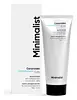
This barrier-repair moisturizer is formulated around Avena Sativa Kernel Extract and Madecassoside to strengthen the skin barrier and calm redness.

What's inside
What's inside
 Key Ingredients
Benefits
Concerns
Ingredients Side-by-side
Water
Skin ConditioningAvena Sativa Kernel Extract
Abrasive





Dicaprylyl Carbonate
EmollientGlycerin
Humectant
Glyceryl Glucoside
Humectant
Butylene Glycol
Humectant
Trehalose
Humectant
Saccharide Isomerate
Humectant
Ursolic Acid
MaskingAminobutyric Acid
Pentylene Glycol
Skin Conditioning
Allantoin
Skin Conditioning
Cholesterol
Emollient
Hydrogenated Lecithin
Emulsifying
Madecassoside
Antioxidant
Polyacrylate-13
Polyisobutene
Polysorbate 20
Emulsifying

Glyceryl Stearate
Emollient
Sucrose Distearate
Emollient
Propylene Glycol
Humectant
Phenoxyethanol
Preservative
Ceramide NP
Skin Conditioning
Ceramide EOP
Skin Conditioning
Ceramide Ns
Skin Conditioning
Ceramide As
Skin Conditioning
Ceramide AP
Skin Conditioning
Triethanolamine
BufferingEthylhexylglycerin
Skin ConditioningCitric Acid
Buffering

Sodium Citrate
BufferingCarbomer
Emulsion StabilisingTrisodium Ethylenediamine Disuccinate
ChelatingWater, Avena Sativa Kernel Extract, Dicaprylyl Carbonate, Glycerin, Glyceryl Glucoside, Butylene Glycol, Trehalose, Saccharide Isomerate, Ursolic Acid, Aminobutyric Acid, Pentylene Glycol, Allantoin, Cholesterol, Hydrogenated Lecithin, Madecassoside, Polyacrylate-13, Polyisobutene, Polysorbate 20, Glyceryl Stearate, Sucrose Distearate, Propylene Glycol, Phenoxyethanol, Ceramide NP, Ceramide EOP, Ceramide Ns, Ceramide As, Ceramide AP, Triethanolamine, Ethylhexylglycerin, Citric Acid, Sodium Citrate, Carbomer, Trisodium Ethylenediamine Disuccinate
Water
Skin ConditioningPanthenol
Skin Conditioning
Butylene Glycol
Humectant
Dimethicone
Emollient
Coco-Caprylate/Caprate
Emollient
Propylene Glycol
Humectant
Propylene Glycol Dicaprylate/Dicaprate
EmollientCetearyl Alcohol
Emollient


Glycerin
Humectant
Cetyl Alcohol
Emollient
Hexylene Glycol
EmulsifyingCetearyl Glucoside
Emulsifying
Dimethicone Crosspolymer
Emulsion Stabilising
Glyceryl Stearate Citrate
Emollient
Sodium Acrylate/Sodium Acryloyldimethyl Taurate Copolymer
Emulsion StabilisingHydroxyethyl Acrylate/Sodium Acryloyldimethyl Taurate Copolymer
Emulsion StabilisingHydroxyacetophenone
Antioxidant
Sodium Acrylates Copolymer
C15-19 Alkane
SolventSucrose Stearate
EmollientCaesalpinia Spinosa Gum
Skin ConditioningAllantoin
Skin Conditioning
Lecithin
Emollient
Caprylhydroxamic Acid
ChelatingPolyglyceryl-6 Laurate
Emulsifying
Disodium EDTA
ChelatingSorbitan Isostearate
Emulsifying
Polysorbate 60
Emulsifying
Polyglycerin-6
HumectantSorbitan Oleate
Emulsifying
1,2-Hexanediol
Skin Conditioning
Biosaccharide Gum-1
Humectant
Glyceryl Caprylate
EmollientEthylhexylglycerin
Skin ConditioningMadecassoside
Antioxidant
Gentiana Scabra Root Extract
Skin ConditioningStephania Tetrandra Root Extract
Skin ConditioningAsiaticoside
Antioxidant
Asiatic Acid
Skin Conditioning
Madecassic Acid
Skin Conditioning
Water, Panthenol, Butylene Glycol, Dimethicone, Coco-Caprylate/Caprate, Propylene Glycol, Propylene Glycol Dicaprylate/Dicaprate, Cetearyl Alcohol, Glycerin, Cetyl Alcohol, Hexylene Glycol, Cetearyl Glucoside, Dimethicone Crosspolymer, Glyceryl Stearate Citrate, Sodium Acrylate/Sodium Acryloyldimethyl Taurate Copolymer, Hydroxyethyl Acrylate/Sodium Acryloyldimethyl Taurate Copolymer, Hydroxyacetophenone, Sodium Acrylates Copolymer, C15-19 Alkane, Sucrose Stearate, Caesalpinia Spinosa Gum, Allantoin, Lecithin, Caprylhydroxamic Acid, Polyglyceryl-6 Laurate, Disodium EDTA, Sorbitan Isostearate, Polysorbate 60, Polyglycerin-6, Sorbitan Oleate, 1,2-Hexanediol, Biosaccharide Gum-1, Glyceryl Caprylate, Ethylhexylglycerin, Madecassoside, Gentiana Scabra Root Extract, Stephania Tetrandra Root Extract, Asiaticoside, Asiatic Acid, Madecassic Acid
Reviews
Ingredients Explained
These ingredients are found in both products.
Ingredients higher up in an ingredient list are typically present in a larger amount.
Allantoin is a soothing ingredient known for its protective and moisturizing properties; it's basically a quiet workhorse ingredient you can find in a huge range of cosmetics.
Though it can be derived from the comfrey plant, allantoin is produced synthetically for cosmetic products to ensure purity.
Research shows it can encourage your skin cells to turn over and renew by stimulating keratinocyte and fibroblast proliferation.
It also has mild keratolytic properties to help loosen and shed dead skin cells without being harsh.
Studies also suggest allantoin can help calm inflammation by dialing down some of the chemical signals your skin sends out when it is irritated.
This ingredient is typically used in the 0.1-0.5% range, and the FDA recognizes it as a skin protectant in OTC products up to 2%.
Overall, allantoin is a wonderful addition to most routines; it is stable across a wide pH range (~4-8), works well with other ingredients, and is considered non-sensitizing/non-irritating.
Fun fact: Allantoin is naturally occurring in comfrey root, beets, chamomile, and wheat sprouts. Our bodies even produce it as a byproduct of uric acid metabolism.
Learn more about AllantoinButylene Glycol (or BG) is used within cosmetic products for a few different reasons:
Overall, Butylene Glycol is a safe and well-rounded ingredient that works well with other ingredients.
Though this ingredient works well with most skin types, some people with sensitive skin may experience a reaction such as allergic rashes, closed comedones, or itchiness.
Learn more about Butylene GlycolEthylhexylglycerin is created from glycerin. It is a multitasker ingredient that:
The CIR Expert Panel found minimal skin absorption or sensitization of any kind in a safety assessment. Though this ingredient is considered well-tolerated, a small number of cases of allergic dermatitis have been published since 2002. Just be sure to patch test if you are unsure.
Industry-reported use ranges from 8% in rinse-off products and 2% in leave-on formulations.
Learn more about EthylhexylglycerinGlycerin (or glycerol) is a compound naturally found in your skin. It's a powerhouse humectant that pulls water into the stratum corneum.
Topically, glycerin does several things at once:
Your skin makes glycerin on its own (mostly from sebaceous oil breakdown) and shuttles it to your outermost layer of skin, or your epidermis, via aquaporin-3.
Aquaporin-3 is a transporter that is essential for normal skin hydration, elasticity, and repair. Interestingly, mice lacking in AQP3 have dry and less elastic skin that can be fully corrected with glycerin.
This ingredient is non-irritating, plays well with almost every ingredient, and works across all skin types. Typical use is anywhere between 3-10% but can go up to 79% in some leave-on products.
Just know very high concentrations (>40%) can feel tacky in low humidity.
Glycerin is the name for this ingredient in American English. British English uses Glycerol/Glycerine.
Learn more about GlycerinMadecassoside is one of four active compounds found in Centella asiatica and is one of the main reasons Centella is so effective at calming irritated skin and supporting the moisture barrier.
There's a solid body of peer-reviewed research backing Madecassoside for several skin benefits. Studies have found:
Madecassoside pairs well with other hydrating or antioxidant ingredients like Ascorbic Acid or Hyaluronic Acid.
Learn more about MadecassosidePropylene Glycol is a synthetic, colorless, odorless liquid that has been a staple in cosmetics for decades. It is a skin conditioning agent, humectant, and solvent.
As a humectant, it draw water to the skin to reduce flaking and restore suppleness. It's also a solvent that helps dissolve other actives and keeps formulas stable across temperature changes.
The CIR Expert Panel has confirmed this ingredient to be nontoxic and clinical studies show no sensitization at cosmetic use concentrations.
True allergic reactions are quite rare: a 15-year retrospective study of 6,751 patients found only 0.31% had a positive reaction (and less than half were considered clinically relevant).
It seemed that when sensitization does occur, it's most commonly linked to topical medication (like corticosteroids) and not cosmetics. Allergic contact dermatitis also appears largely limited to individuals with underlying skin conditions.
Overall, propylene glycol is a well-studied ingredient that most people can tolerate without issue.
Learn more about Propylene GlycolWater. It's the most common cosmetic ingredient of all. You'll usually see it at the top of ingredient lists, meaning that it makes up the largest part of the product.
So why is it so popular? Water most often acts as a solvent - this means that it helps dissolve other ingredients into the formulation.
You'll also recognize water as that liquid we all need to stay alive. If you see this, drink a glass of water. Remember to stay hydrated!
Learn more about Water

