
What's inside
What's inside
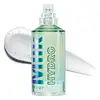 Key Ingredients
Benefits
Concerns
Ingredients Side-by-side
Aloe Barbadensis Leaf Water
MaskingWater
Skin ConditioningGlycerin
Humectant


Alcohol Denat.
Antimicrobial




PEG-150 Distearate
Emulsifying
Polyglyceryl-10 Eicosanedioate/Tetradecanedioate
Skin ConditioningDiglycerin
Humectant
Cannabis Sativa Seed Extract
EmollientOpuntia Ficus-Indica Flower Extract
Skin ConditioningPrunus Avium Flower Extract
Skin ConditioningAgave Tequilana Leaf Extract
AstringentSodium Hyaluronate
Humectant


Niacinamide
Smoothing







Sorbitol
Humectant
Pullulan
Inositol
Humectant
Betaine
Humectant
Carbomer
Emulsion StabilisingMaltose
MaskingXylitol
Humectant
Sodium Hydroxide
BufferingPvp
Emulsion StabilisingPropylene Glycol
Humectant
Panthenol
Skin Conditioning
Vegetable Amino Acids
Skin ConditioningSodium Phytate
Citric Acid
Buffering
Alcohol
Antimicrobial
Benzoic Acid
Masking
Sodium Benzoate
Masking
Dehydroacetic Acid
Preservative
Benzyl Alcohol
Perfuming

Potassium Sorbate
Preservative
Phenoxyethanol
Preservative
Aloe Barbadensis Leaf Water, Water, Glycerin, Alcohol Denat., PEG-150 Distearate, Polyglyceryl-10 Eicosanedioate/Tetradecanedioate, Diglycerin, Cannabis Sativa Seed Extract, Opuntia Ficus-Indica Flower Extract, Prunus Avium Flower Extract, Agave Tequilana Leaf Extract, Sodium Hyaluronate, Niacinamide, Sorbitol, Pullulan, Inositol, Betaine, Carbomer, Maltose, Xylitol, Sodium Hydroxide, Pvp, Propylene Glycol, Panthenol, Vegetable Amino Acids, Sodium Phytate, Citric Acid, Alcohol, Benzoic Acid, Sodium Benzoate, Dehydroacetic Acid, Benzyl Alcohol, Potassium Sorbate, Phenoxyethanol
Water
Skin ConditioningGlycerin
Humectant
Isododecane
EmollientDimethicone
Emollient
Propylene Glycol
Humectant
Calcium Sodium Borosilicate
Caprylic/Capric Triglyceride
Masking
Hydrogenated Polyisobutene
EmollientSqualane
Emollient
Xylitylglucoside
Humectant
Anhydroxylitol
Humectant
Sr-Hydrozoan Polypeptide-1
Humectant
Sodium Hyaluronate
Humectant
Ceramide NP
Skin Conditioning
Phytosterols
Skin Conditioning
Opunta Dillenii Extract
Xylitol
Humectant
Caprylhydroxamic Acid
Saccharide Isomerate
Humectant
Sodium Stearoyl Glutamate
CleansingTocopheryl Acetate
Antioxidant

Stearalkonium Hectorite
Gel FormingPropylene Carbonate
SolventCoco-Caprylate/Caprate
Emollient
Glyceryl Stearate
Emollient
Betaine
Humectant
Magnesium Sulfate
Glyceryl Caprylate
EmollientPentylene Glycol
Skin Conditioning
Polyglyceryl-4 Diisostearate/Polyhydroxystearate/Sebacate
Emulsifying
Sorbitan Isostearate
Emulsifying
Butylene Glycol
Humectant
Phosphatidylcholine
EmulsifyingHydroxyacetophenone
Antioxidant
Ethylhexyl Hydroxystearate
Emollient
Cetyl PEG/PPG-10/1 Dimethicone
Emulsifying
Triethoxycaprylylsilane
Aluminum Hydroxide
EmollientPotassium Sorbate
Preservative
Phenoxyethanol
Preservative
CI 77163
Cosmetic Colorant
Titanium Dioxide
Cosmetic Colorant

Iron Oxides
Water, Glycerin, Isododecane, Dimethicone, Propylene Glycol, Calcium Sodium Borosilicate, Caprylic/Capric Triglyceride, Hydrogenated Polyisobutene, Squalane, Xylitylglucoside, Anhydroxylitol, Sr-Hydrozoan Polypeptide-1, Sodium Hyaluronate, Ceramide NP, Phytosterols, Opunta Dillenii Extract, Xylitol, Caprylhydroxamic Acid, Saccharide Isomerate, Sodium Stearoyl Glutamate, Tocopheryl Acetate, Stearalkonium Hectorite, Propylene Carbonate, Coco-Caprylate/Caprate, Glyceryl Stearate, Betaine, Magnesium Sulfate, Glyceryl Caprylate, Pentylene Glycol, Polyglyceryl-4 Diisostearate/Polyhydroxystearate/Sebacate, Sorbitan Isostearate, Butylene Glycol, Phosphatidylcholine, Hydroxyacetophenone, Ethylhexyl Hydroxystearate, Cetyl PEG/PPG-10/1 Dimethicone, Triethoxycaprylylsilane, Aluminum Hydroxide, Potassium Sorbate, Phenoxyethanol, CI 77163, Titanium Dioxide, Iron Oxides
Reviews
Ingredients Explained
These ingredients are found in both products.
Ingredients higher up in an ingredient list are typically present in a larger amount.
Betaine is a humectant. Like hyaluronic acid, it helps attract and retain moisture in the skin. It’s known for being gentle and for helping the skin maintain balanced hydration.
Betaine is mainly used to improve hydration and support calmer skin. It helps skin cells regulate water balance because it functions as an osmolyte.
Some studies suggest betaine may support making skin tone more even.
Fun fact: Betaine naturally exists in the skin and the body. In cosmetic products, it can be either plant-derived (most commonly from sugar beets) or synthetically produced for consistency and stability.
Betaine is also known as trimethylglycine.
Learn more about BetaineGlycerin (or glycerol) is a compound naturally found in your skin. It's a powerhouse humectant that pulls water into the stratum corneum.
Topically, glycerin does several things at once:
Your skin makes glycerin on its own (mostly from sebaceous oil breakdown) and shuttles it to your outermost layer of skin, or your epidermis, via aquaporin-3.
Aquaporin-3 is a transporter that is essential for normal skin hydration, elasticity, and repair. Interestingly, mice lacking in AQP3 have dry and less elastic skin that can be fully corrected with glycerin.
This ingredient is non-irritating, plays well with almost every ingredient, and works across all skin types. Typical use is anywhere between 3-10% but can go up to 79% in some leave-on products.
Just know very high concentrations (>40%) can feel tacky in low humidity.
Glycerin is the name for this ingredient in American English. British English uses Glycerol/Glycerine.
Learn more about GlycerinPhenoxyethanol is one of the most widely used preservatives in skincare (and for good reason!).
It has a large spectrum of antimicrobial activity and especially effective bacteria, yeast, and mold while only having a weak effect on your skin's natural microbiome.
On a cellular level, it disrupts the cell membranes of microbes by poking holes that make the cell leak. This shuts down the chemical reactions the microbe needs to make energy so it can no longer survive.
Another perk of this ingredient is that it stays functional across a wide pH range (3-10).
You'll often see it paired with boosters like Ethylhexylglycerin; one study showed that a 1:9 ratio of Ethylhexylglycerin to Phenoxyethanol damages bacterial membranes as effectively as doubling the Phenoxyethanol concentration on its own.
Typical use concentrations range from 0.3-1% depending on the formula, and this ingredient is capped at 1% int the EU.
Safety-wise, the fear mongering does not hold up to the evidence. The EU's Scientific Committee on Consumer Safety and FDA consider it safe as a preservative at up to 1%, including for children of all ages.
Adverse systemic effects only showed up in animal studies at exposures roughly 200x higher than what people get from cosmetics. And despite its very widespread use, this ingredient is a rare sensitizer and allergic reactions are uncommon.
Learn more about PhenoxyethanolPotassium Sorbate is a preservative used to prevent yeast and mold in products. It is commonly found in both cosmetic and food products.
This ingredient comes from potassium salt derived from sorbic acid. Sorbic acid is a natural antibiotic and effective against fungus.
Both potassium sorbate and sorbic acid can be found in baked goods, cheeses, dried meats, dried fruit, ice cream, pickles, wine, yogurt, and more.
You'll often find this ingredient used with other preservatives.
Learn more about Potassium SorbatePropylene Glycol is a synthetic, colorless, odorless liquid that has been a staple in cosmetics for decades. It is a skin conditioning agent, humectant, and solvent.
As a humectant, it draw water to the skin to reduce flaking and restore suppleness. It's also a solvent that helps dissolve other actives and keeps formulas stable across temperature changes.
The CIR Expert Panel has confirmed this ingredient to be nontoxic and clinical studies show no sensitization at cosmetic use concentrations.
True allergic reactions are quite rare: a 15-year retrospective study of 6,751 patients found only 0.31% had a positive reaction (and less than half were considered clinically relevant).
It seemed that when sensitization does occur, it's most commonly linked to topical medication (like corticosteroids) and not cosmetics. Allergic contact dermatitis also appears largely limited to individuals with underlying skin conditions.
Overall, propylene glycol is a well-studied ingredient that most people can tolerate without issue.
Learn more about Propylene GlycolSodium Hyaluronate is the salt form of hyaluronic acid. It is a long sugar chain that is naturally found in your skin, joints, and connective tissue that maintains hydration and elasticity.
In skincare, it works as a humectant. It pulls water from the environment and deeper layers of skin and binds it to the surface.
Interestingly, the size of the molecule affects its behavior:
Some clinical evidence links low molecular weight versions to improved wrinkle depth, elasticity, anti-inflammatory effects, and barrier repair.
Many serums use a blend of both weights so you can get surface hydration plus longer-lasting and deeper effects.
You'll typically see concentrations between 0.1-2% for this ingredient.
Learn more about Sodium HyaluronateWater. It's the most common cosmetic ingredient of all. You'll usually see it at the top of ingredient lists, meaning that it makes up the largest part of the product.
So why is it so popular? Water most often acts as a solvent - this means that it helps dissolve other ingredients into the formulation.
You'll also recognize water as that liquid we all need to stay alive. If you see this, drink a glass of water. Remember to stay hydrated!
Learn more about WaterXylitol is a humectant and prebiotic. It can help with dry skin.
In studies, xylitol has been shown to improve dry skin. It decreased transepidermal water loss, or when water passes through the skin and evaporates. Xylitol also showed to help improve the biomechanical properties of the skin barrier.
The prebiotic property of xylitol may also help reinforce our skin's natural microbiome. Having a healthy microbiome prevents infection by bad bacteria and helps with hydration.
As a humectant, Xylitol helps draw moisture from both the air and from deeper skin layers. This helps keep skin hydrated.
Xylitol is a sugar alcohol and commonly used as a sugar substitute. It is naturally occurring in plants such as strawberries and pumpkin.
Learn more about Xylitol

