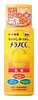
This brightening toner is formulated around Ascorbyl Glucoside and Dipotassium Glycyrrhizate to brighten dull-looking skin and fade the look of dark spots.
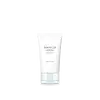
This barrier-repair moisturizer is formulated around Niacinamide and Centella Asiatica Extract to strengthen the skin barrier and hydrate skin.


What's inside
What's inside
 Key Ingredients
Benefits
Concerns
Ingredients Side-by-side
Ascorbyl Glucoside
Antioxidant




Dipotassium Glycyrrhizate
Humectant

Ascorbic Acid
Antioxidant

Citrus Limon Fruit Extract
Masking
Citrus Grandis Fruit Extract
Astringent
Alpinia Zerumbet Seed Extract
Antimicrobial
Glycerin
Humectant

Butylene Glycol
Humectant
Pentylene Glycol
Skin Conditioning
Isopentyldiol
Humectant
Tricaprylin
Perfuming
Sorbitan Stearate
Emulsifying

Cetearyl Alcohol
Emollient




Polysorbate 60
Emulsifying
Beheneth-5
EmulsifyingParaffinum Liquidum
Emollient
Dimethicone
Emollient
Potassium Hydroxide
BufferingPhenoxyethanol
Preservative
Behenyl Alcohol
Emollient
Sodium Citrate
BufferingAcrylates/C10-30 Alkyl Acrylate Crosspolymer
Emulsion StabilisingXanthan Gum
EmulsifyingEDTA
Hydroxyethylcellulose
Emulsion StabilisingCitric Acid
Buffering
Water
Skin ConditioningParfum
Masking
Ascorbyl Glucoside, Dipotassium Glycyrrhizate, Ascorbic Acid, Citrus Limon Fruit Extract, Citrus Grandis Fruit Extract, Alpinia Zerumbet Seed Extract, Glycerin, Butylene Glycol, Pentylene Glycol, Isopentyldiol, Tricaprylin, Sorbitan Stearate, Cetearyl Alcohol, Polysorbate 60, Beheneth-5, Paraffinum Liquidum, Dimethicone, Potassium Hydroxide, Phenoxyethanol, Behenyl Alcohol, Sodium Citrate, Acrylates/C10-30 Alkyl Acrylate Crosspolymer, Xanthan Gum, EDTA, Hydroxyethylcellulose, Citric Acid, Water, Parfum
Water
Skin ConditioningGlycerin
Humectant
1,2-Hexanediol
Skin Conditioning
Pentaerythrityl Tetraisostearate
Emollient
Caprylic/Capric Triglyceride
Masking
Niacinamide
Smoothing



Cetearyl Alcohol
Emollient
Glyceryl Stearate
Emollient
Polyglyceryl-2 Stearate
Emulsifying
Butylene Glycol
Humectant
Centella Asiatica Extract
Cleansing
Stearyl Alcohol
Emollient
Propanediol
Solvent
Carbomer
Emulsion StabilisingPolyglyceryl-3 Methylglucose Distearate
Emulsifying
Sorbitol
Humectant
Tromethamine
BufferingPolyglyceryl-3 Distearate
Emulsifying
Sedum Sarmentosum Extract
HumectantEthylhexylglycerin
Skin ConditioningCitric Acid
Buffering
Glyceryl Stearate Citrate
Emollient
Adenosine
Skin Conditioning
Musa Sapientum Flower Extract
Skin ConditioningRosa Damascena Flower Water
Masking
Disodium EDTA
Pyrus Communis Fruit Extract
Skin ConditioningPrunus Domestica Fruit Extract
MoisturisingMelia Azadirachta Leaf Extract
Skin ConditioningMelia Azadirachta Flower Extract
Skin ConditioningBiosaccharide Gum-1
Humectant
Cucumis Melo Fruit Extract
Skin ConditioningSodium Hyaluronate
Humectant
Hyaluronic Acid
Humectant
Hydrolyzed Hyaluronic Acid
Humectant
Coccinia Indica Fruit Extract
Skin Conditioning
Hedera Helix Leaf/Stem Extract
AntimicrobialHydrolyzed Collagen
Emollient
Solanum Melongena Fruit Extract
Skin ConditioningAdansonia Digitata Seed Extract
Skin ConditioningEquisetum Arvense Extract
AstringentOlea Europaea Leaf Extract
Perfuming
Vaccinium Macrocarpon Fruit Extract
AstringentFructan
Skin ConditioningSophora Japonica Flower Extract
Skin ProtectingOcimum Sanctum Leaf Extract
Skin ConditioningCurcuma Longa Root Extract
Antioxidant
Corallina Officinalis Extract
Skin Conditioning
Water, Glycerin, 1,2-Hexanediol, Pentaerythrityl Tetraisostearate, Caprylic/Capric Triglyceride, Niacinamide, Cetearyl Alcohol, Glyceryl Stearate, Polyglyceryl-2 Stearate, Butylene Glycol, Centella Asiatica Extract, Stearyl Alcohol, Propanediol, Carbomer, Polyglyceryl-3 Methylglucose Distearate, Sorbitol, Tromethamine, Polyglyceryl-3 Distearate, Sedum Sarmentosum Extract, Ethylhexylglycerin, Citric Acid, Glyceryl Stearate Citrate, Adenosine, Musa Sapientum Flower Extract, Rosa Damascena Flower Water, Disodium EDTA, Pyrus Communis Fruit Extract, Prunus Domestica Fruit Extract, Melia Azadirachta Leaf Extract, Melia Azadirachta Flower Extract, Biosaccharide Gum-1, Cucumis Melo Fruit Extract, Sodium Hyaluronate, Hyaluronic Acid, Hydrolyzed Hyaluronic Acid, Coccinia Indica Fruit Extract, Hedera Helix Leaf/Stem Extract, Hydrolyzed Collagen, Solanum Melongena Fruit Extract, Adansonia Digitata Seed Extract, Equisetum Arvense Extract, Olea Europaea Leaf Extract, Vaccinium Macrocarpon Fruit Extract, Fructan, Sophora Japonica Flower Extract, Ocimum Sanctum Leaf Extract, Curcuma Longa Root Extract, Corallina Officinalis Extract
Reviews
Ingredients Explained
These ingredients are found in both products.
Ingredients higher up in an ingredient list are typically present in a larger amount.
Butylene Glycol (or BG) is used within cosmetic products for a few different reasons:
Overall, Butylene Glycol is a safe and well-rounded ingredient that works well with other ingredients.
Though this ingredient works well with most skin types, some people with sensitive skin may experience a reaction such as allergic rashes, closed comedones, or itchiness.
Learn more about Butylene GlycolCetearyl alcohol is a waxy mixture of two fatty alcohols: cetyl alcohol and stearyl alcohol. It is an emollient and emulsifier.
Despite having "alcohol" in its name, it has nothing to do with drying solvent alcohols; the FDA also allows "alcohol-free" products to contain fatty alcohols like this ingredient.
It plays several roles in a formula:
Typical use levels for this ingredient sit around 1-10% and the Cosmetic Ingredient Review Expert Panel has affirmed safety at concentrations up to 25% in leave-on products.
Multiple assessments have found it to be non-irritating and non-sensitizing to most people.
However, there have been some cases of allergic contact dermatitis in patients with chronically compromised skin barriers.
Cetearyl alcohol has a comedogenic rating of 2 and irritancy rating of 1. Both of these numbers come from the 1989 study that used rabbit ears; a "2" means mildly comedogenic and a "1" means low irritancy.
Here's the catch: rabbit skin is more sensitive than human skin and throws a lot of false positives. A 1996 reappraisal found that ingredients rated 1-2 in the rabbit ear tests are generally safe for humans.
Remember comedogenic ratings are unable to assess the entire formula of a product or how it will react on your skin. Just be sure to patch test if you are unsure about certain ingredients.
This ingredient is not fungal acne safe. Cetearyl alcohol is a fatty alcohol with chain lengths that fall within the range that Malassezia can metabolize.
A 2019 study has also observed Malassezia growth in the presence of this ingredient, confirming it to be not-fungal acne safe.
Learn more about Cetearyl AlcoholCitric Acid is an alpha hydroxy acid (AHA) naturally found in citrus fruits like oranges, lemons, and limes.
Like other AHAs, citric acid can exfoliate skin by breaking down the bonds that hold dead skin cells together. This helps reveal smoother and brighter skin underneath.
However, this exfoliating effect only happens at high concentrations (20%) which can be hard to find in cosmetic products.
Due to this, citric acid is usually included in small amounts as a pH adjuster. This helps keep products slightly more acidic and compatible with skin's natural pH.
In skincare formulas, citric acid can:
While it can provide some skin benefits, research shows lactic acid and glycolic acid are generally more effective and less irritating exfoliants.
Most citric acid used in skincare today is made by fermenting sugars (usually from molasses). This synthetic version is identical to the natural citrus form but easier to stabilize and use in formulations.
Read more about some other popular AHA's here:
Learn more about Citric AcidGlycerin (or glycerol) is a compound naturally found in your skin. It's a powerhouse humectant that pulls water into the stratum corneum.
Topically, glycerin does several things at once:
Your skin makes glycerin on its own (mostly from sebaceous oil breakdown) and shuttles it to your outermost layer of skin, or your epidermis, via aquaporin-3.
Aquaporin-3 is a transporter that is essential for normal skin hydration, elasticity, and repair. Interestingly, mice lacking in AQP3 have dry and less elastic skin that can be fully corrected with glycerin.
This ingredient is non-irritating, plays well with almost every ingredient, and works across all skin types. Typical use is anywhere between 3-10% but can go up to 79% in some leave-on products.
Just know very high concentrations (>40%) can feel tacky in low humidity.
Glycerin is the name for this ingredient in American English. British English uses Glycerol/Glycerine.
Learn more about GlycerinWater. It's the most common cosmetic ingredient of all. You'll usually see it at the top of ingredient lists, meaning that it makes up the largest part of the product.
So why is it so popular? Water most often acts as a solvent - this means that it helps dissolve other ingredients into the formulation.
You'll also recognize water as that liquid we all need to stay alive. If you see this, drink a glass of water. Remember to stay hydrated!
Learn more about Water

