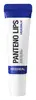
This barrier-repair lip moisturizer is formulated around Panthenol to strengthen the lip barrier and hydrate lips.
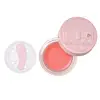
This hydrating lip mask is formulated around Argania Spinosa Kernel Oil and Butyrospermum Parkii Butter to hydrate lips and strengthen the lip barrier.


What's inside
What's inside
 Key Ingredients
Benefits
Concerns
Ingredients Side-by-side
Water
Skin ConditioningPanthenol
Skin Conditioning




Sorbitol
Humectant
Isohexadecane
EmollientCaprylic/Capric Triglyceride
Masking
Glycerin
Humectant
Dilinoleic Acid/Propanediol Copolymer
EmollientCetearyl Alcohol
Emollient





Diisostearyl Malate
EmollientMacadamia Ternifolia Seed Oil
Emollient
PEG/PPG-17/6 Copolymer
SolventPhytosteryl Sunflowerseedate
Skin ConditioningBeeswax
Emulsion Stabilising
Polysorbate 60
Emulsifying
Glyceryl Stearate
Emollient
Methyl Glucose Sesquistearate
Emollient
Sorbitan Sesquioleate
Emulsifying
Hydrogenated Vegetable Glycerides
EmollientDimethicone
Emollient
1,2-Hexanediol
Skin Conditioning
Tocopheryl Acetate
Antioxidant


PEG-100 Stearate
Surfactant
Arginine
Masking
Carbomer
Emulsion StabilisingButylene Glycol
Humectant
Caprylhydroxamic Acid
ChelatingSodium Acrylate/Sodium Acryloyldimethyl Taurate Copolymer
Emulsion StabilisingAllantoin
Skin Conditioning
Parfum
Masking


Polysorbate 80
Emulsifying
Disodium EDTA
ChelatingSodium Hyaluronate
Humectant

Helianthus Annuus Seed Oil
Emollient
Olea Europaea Fruit Oil
Masking
Argania Spinosa Kernel Oil
Emollient

Sorbitan Oleate
Emulsifying
Water, Panthenol, Sorbitol, Isohexadecane, Caprylic/Capric Triglyceride, Glycerin, Dilinoleic Acid/Propanediol Copolymer, Cetearyl Alcohol, Diisostearyl Malate, Macadamia Ternifolia Seed Oil, PEG/PPG-17/6 Copolymer, Phytosteryl Sunflowerseedate, Beeswax, Polysorbate 60, Glyceryl Stearate, Methyl Glucose Sesquistearate, Sorbitan Sesquioleate, Hydrogenated Vegetable Glycerides, Dimethicone, 1,2-Hexanediol, Tocopheryl Acetate, PEG-100 Stearate, Arginine, Carbomer, Butylene Glycol, Caprylhydroxamic Acid, Sodium Acrylate/Sodium Acryloyldimethyl Taurate Copolymer, Allantoin, Parfum, Polysorbate 80, Disodium EDTA, Sodium Hyaluronate, Helianthus Annuus Seed Oil, Olea Europaea Fruit Oil, Argania Spinosa Kernel Oil, Sorbitan Oleate
Dimer Dilinoleyl Dimer Dilinoleate
EmollientTriethylhexanoin
MaskingHydrogenated Polyisobutene
EmollientStearic Acid
Cleansing
Isotridecyl Isononanoate
EmollientDiisostearyl Malate
EmollientSynthetic Wax
Abrasive
Phytosteryl/Octyldodecyl Lauroyl Glutamate
Skin ConditioningSilica Dimethyl Silylate
EmollientPolyethylene
Abrasive
Tocopherol
Antioxidant
Polyglyceryl-2 Triisostearate
Emulsifying
Argania Spinosa Kernel Oil
Emollient
Butyrospermum Parkii Butter
Skin Conditioning
Ceramide NP
Skin Conditioning
Ascorbyl Tetraisopalmitate
Antioxidant
Honey
Humectant
Sodium Hyaluronate
Humectant
Petrolatum
Emollient
Butylene Glycol
Humectant
Water
Skin ConditioningCitrus Unshiu Peel Extract
MaskingTitanium Dioxide
Cosmetic Colorant

CI 19140
Cosmetic ColorantCI 15850
Cosmetic ColorantAluminum Hydroxide
EmollientDimer Dilinoleyl Dimer Dilinoleate, Triethylhexanoin, Hydrogenated Polyisobutene, Stearic Acid, Isotridecyl Isononanoate, Diisostearyl Malate, Synthetic Wax, Phytosteryl/Octyldodecyl Lauroyl Glutamate, Silica Dimethyl Silylate, Polyethylene, Tocopherol, Polyglyceryl-2 Triisostearate, Argania Spinosa Kernel Oil, Butyrospermum Parkii Butter, Ceramide NP, Ascorbyl Tetraisopalmitate, Honey, Sodium Hyaluronate, Petrolatum, Butylene Glycol, Water, Citrus Unshiu Peel Extract, Titanium Dioxide, CI 19140, CI 15850, Aluminum Hydroxide
Reviews
Ingredients Explained
These ingredients are found in both products.
Ingredients higher up in an ingredient list are typically present in a larger amount.
You may know this ingredient as argan oil. It has emollient and skin conditioning properties that help soften skin and reinforce the lipid barrier.
The fatty acid profile of argan oil is roughly 45-55% oleic acid, 28-36% linoleic acid, 10-15% palmitic acid, and 5-7% stearic acid. It also contains vitamin E, sterols, squalene, and polyphenols like ferulic acid.
Two clinical studies in postmenopausal women found that applying argan oil for 60 days significantly improved skin elasticity and moisturization (reduced transepidermal water loss and increased epidermal water content).
Since it is high in oleic and linoleic acid, this ingredient may not be fungal acne safe. Both of these fall in the C11-C24 range that Malassezia yeast can metabolize.
Learn more about Argania Spinosa Kernel OilButylene Glycol (or BG) is used within cosmetic products for a few different reasons:
Overall, Butylene Glycol is a safe and well-rounded ingredient that works well with other ingredients.
Though this ingredient works well with most skin types, some people with sensitive skin may experience a reaction such as allergic rashes, closed comedones, or itchiness.
Learn more about Butylene GlycolDiisostearyl Malate is an emollient and most often used in lip products. It comes from isostearyl alcohol, a fatty acid, and malic acid, an AHA.
As an emollient, Diisostearyl Malate helps create a thin film on your skin to trap moisture in. This helps keep your skin soft and smooth.
Sodium Hyaluronate is the salt form of hyaluronic acid. It is a long sugar chain that is naturally found in your skin, joints, and connective tissue that maintains hydration and elasticity.
In skincare, it works as a humectant. It pulls water from the environment and deeper layers of skin and binds it to the surface.
Interestingly, the size of the molecule affects its behavior:
Some clinical evidence links low molecular weight versions to improved wrinkle depth, elasticity, anti-inflammatory effects, and barrier repair.
Many serums use a blend of both weights so you can get surface hydration plus longer-lasting and deeper effects.
You'll typically see concentrations between 0.1-2% for this ingredient.
Learn more about Sodium HyaluronateWater. It's the most common cosmetic ingredient of all. You'll usually see it at the top of ingredient lists, meaning that it makes up the largest part of the product.
So why is it so popular? Water most often acts as a solvent - this means that it helps dissolve other ingredients into the formulation.
You'll also recognize water as that liquid we all need to stay alive. If you see this, drink a glass of water. Remember to stay hydrated!
Learn more about Water

