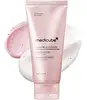
This glycolic acid foaming cleanser is formulated around Glycolic Acid to exfoliate and smooth skin.

What's inside
What's inside
 Key Ingredients
Benefits
Concerns
Ingredients Side-by-side
Water
Skin ConditioningGlycerin
Humectant


Sodium Cocoyl Glycinate
Cleansing
Sodium Lauroyl Glutamate
SurfactantLauryl Hydroxysultaine
CleansingCoco-Glucoside
Cleansing
Decyl Glucoside
Cleansing
1,2-Hexanediol
Skin Conditioning
Niacinamide
Smoothing









Sodium Chloride
MaskingCaprylyl Glycol
Emollient
Citric Acid
Buffering

Hydroxypropyl Starch Phosphate
Acrylates/C10-30 Alkyl Acrylate Crosspolymer
Emulsion StabilisingPolyquaternium-67
Silica
Abrasive
Parfum
Masking



Zea Mays Starch
Absorbent
Mannitol
Humectant
Microcrystalline Cellulose
AbsorbentDisodium EDTA
ChelatingCyanocobalamin
Skin ConditioningHydrogenated Lecithin
Emulsifying
CI 73360
Cosmetic ColorantGluconolactone
Chelating
Hydrolyzed Collagen
Emollient
Glycolic Acid
Buffering
Butylene Glycol
Humectant
Hydrolyzed Hyaluronic Acid
Humectant
Caprylic/Capric Triglyceride
Masking
Ceramide NP
Skin Conditioning
Adansonia Digitata Seed Oil
Emollient

Glutathione
Phellodendron Amurense Bark Extract
Skin ConditioningSalmon Egg Extract
Caprylyl/Capryl Glucoside
CleansingCamellia Japonica Flower Extract
EmollientPolyglyceryl-10 Laurate
Skin Conditioning
Polyglyceryl-10 Oleate
Skin Conditioning
Propanediol
Solvent
Sodium DNA
Skin Conditioning
Tocopherol
Antioxidant

Acetyl Hexapeptide-8
Humectant
Acetyl Tetrapeptide-5
Humectant
Adenosine
Skin Conditioning
Carnosine
Skin Conditioning
Ceramide As
Skin Conditioning
Ceramide Ns
Skin Conditioning
Palmitoyl Tetrapeptide-7
Skin Conditioning
Palmitoyl Tripeptide-5
Skin Conditioning
Ceramide AP
Skin Conditioning
Ceramide EOP
Skin Conditioning
Yeast Beta-Glucan
Skin ConditioningSodium Hyaluronate
Humectant
Water, Glycerin, Sodium Cocoyl Glycinate, Sodium Lauroyl Glutamate, Lauryl Hydroxysultaine, Coco-Glucoside, Decyl Glucoside, 1,2-Hexanediol, Niacinamide, Sodium Chloride, Caprylyl Glycol, Citric Acid, Hydroxypropyl Starch Phosphate, Acrylates/C10-30 Alkyl Acrylate Crosspolymer, Polyquaternium-67, Silica, Parfum, Zea Mays Starch, Mannitol, Microcrystalline Cellulose, Disodium EDTA, Cyanocobalamin, Hydrogenated Lecithin, CI 73360, Gluconolactone, Hydrolyzed Collagen, Glycolic Acid, Butylene Glycol, Hydrolyzed Hyaluronic Acid, Caprylic/Capric Triglyceride, Ceramide NP, Adansonia Digitata Seed Oil, Glutathione, Phellodendron Amurense Bark Extract, Salmon Egg Extract, Caprylyl/Capryl Glucoside, Camellia Japonica Flower Extract, Polyglyceryl-10 Laurate, Polyglyceryl-10 Oleate, Propanediol, Sodium DNA, Tocopherol, Acetyl Hexapeptide-8, Acetyl Tetrapeptide-5, Adenosine, Carnosine, Ceramide As, Ceramide Ns, Palmitoyl Tetrapeptide-7, Palmitoyl Tripeptide-5, Ceramide AP, Ceramide EOP, Yeast Beta-Glucan, Sodium Hyaluronate
Water
Skin ConditioningGlycerin
Humectant
Myristic Acid
Cleansing
Sorbitol
Humectant
Palmitic Acid
Emollient
Potassium Hydroxide
BufferingStearic Acid
Cleansing
Lauric Acid
Cleansing
Cetearyl Olivate
Potassium Cocoyl Glycinate
Surfactant
Parfum
Masking
Sodium Cocoyl Isethionate
Cleansing
Sorbitan Olivate
Emulsifying
Potassium Cocoate
Emulsifying
Coconut Acid
Cleansing
Butylene Glycol
Humectant
Sodium Isethionate
CleansingSodium Polyacrylate
Absorbent
Portulaca Oleracea Extract
Skin Conditioning
Gaultheria Procumbens Leaf Extract
Perfuming
Disodium EDTA
ChelatingCamellia Japonica Flower Extract
EmollientPropanediol
Solvent
Diisopropyl Adipate
EmollientLecithin
Emollient
1,2-Hexanediol
Skin Conditioning
Saponaria Officinalis Leaf Extract
AntimicrobialAcrylic Acid/Acrylamidomethyl Propane Sulfonic Acid Copolymer
ChelatingDimethylmethoxy Chromanol
Antioxidant
Glyceryl Caprylate
EmollientCitric Acid
Buffering
Potassium Sorbate
Preservative
Sodium Benzoate
Masking
Xanthan Gum
EmulsifyingChaenomeles Sinensis Fruit Extract
Antioxidant
Citrus Aurantium Dulcis Flower Extract
Skin ConditioningMelissa Officinalis Leaf Extract
Skin ConditioningWater, Glycerin, Myristic Acid, Sorbitol, Palmitic Acid, Potassium Hydroxide, Stearic Acid, Lauric Acid, Cetearyl Olivate, Potassium Cocoyl Glycinate, Parfum, Sodium Cocoyl Isethionate, Sorbitan Olivate, Potassium Cocoate, Coconut Acid, Butylene Glycol, Sodium Isethionate, Sodium Polyacrylate, Portulaca Oleracea Extract, Gaultheria Procumbens Leaf Extract, Disodium EDTA, Camellia Japonica Flower Extract, Propanediol, Diisopropyl Adipate, Lecithin, 1,2-Hexanediol, Saponaria Officinalis Leaf Extract, Acrylic Acid/Acrylamidomethyl Propane Sulfonic Acid Copolymer, Dimethylmethoxy Chromanol, Glyceryl Caprylate, Citric Acid, Potassium Sorbate, Sodium Benzoate, Xanthan Gum, Chaenomeles Sinensis Fruit Extract, Citrus Aurantium Dulcis Flower Extract, Melissa Officinalis Leaf Extract
Reviews
Ingredients Explained
These ingredients are found in both products.
Ingredients higher up in an ingredient list are typically present in a larger amount.
1,2-Hexanediol is a synthetic liquid and another multi-functional powerhouse.
It is a:
- Humectant, drawing moisture into the skin
- Emollient, helping to soften skin
- Solvent, dispersing and stabilizing formulas
- Preservative booster, enhancing the antimicrobial activity of other preservatives
Butylene Glycol (or BG) is used within cosmetic products for a few different reasons:
Overall, Butylene Glycol is a safe and well-rounded ingredient that works well with other ingredients.
Though this ingredient works well with most skin types, some people with sensitive skin may experience a reaction such as allergic rashes, closed comedones, or itchiness.
Learn more about Butylene GlycolCamellia Japonica Flower Extract comes from the Japanese Camellia plant (a cousin of the green tea plant). This plant is native to East Asia and known as "Tsubaki" in Japanese.
It's a flower extract packed with flavonoids and phenolic acids that give it most of its skincare value. In lab tests on human skin cells, the ethanol extract of the flower mopped up free radicals and boosted the skin's own antioxidant enzymes.
A separate study found the flower extract had solid antioxidant activity and reduced the reactive oxygen species that urban air pollution triggers in skin cells.
Newer work also points at anti-aging and calming effects:
One 2025 paper tied the extract and its component hyperoside to collagen III and elastin production plus better skin-barrier protein expression. A mouse study on eczema-like skin found four weeks of topical camellia extract reduced inflammation and itch-related markers.
Just know that most of these studies are cell-culture and animal work and not human trials. For now, it's best to treat it as a nice supporting antioxidant rather than a headline active.
At this time, there's no published regulatory use-level for this specific ingredient; suppliers usually sell it as a water/glycerin-based extract used in the low single-digit percent range.
There's no published contact-allergy case reports for this ingredient but as with any botanical, a patch test is sensible if you react to plant extracts generally.
Learn more about Camellia Japonica Flower ExtractCitric Acid is an alpha hydroxy acid (AHA) naturally found in citrus fruits like oranges, lemons, and limes.
Like other AHAs, citric acid can exfoliate skin by breaking down the bonds that hold dead skin cells together. This helps reveal smoother and brighter skin underneath.
However, this exfoliating effect only happens at high concentrations (20%) which can be hard to find in cosmetic products.
Due to this, citric acid is usually included in small amounts as a pH adjuster. This helps keep products slightly more acidic and compatible with skin's natural pH.
In skincare formulas, citric acid can:
While it can provide some skin benefits, research shows lactic acid and glycolic acid are generally more effective and less irritating exfoliants.
Most citric acid used in skincare today is made by fermenting sugars (usually from molasses). This synthetic version is identical to the natural citrus form but easier to stabilize and use in formulations.
Rosacea skin has a lower threshold for acids generally, with 62.5% of rosacea subjects in one study reacting to lactic acid in a sting test. This is why we mark citric acid as a potential rosacea trigger.
However, this ingredient shows up as a pH adjuster or chelator at roughly 0.1-1% in many products. These low levels are unlikely to be an issue for rosacea skin and becomes a potential trigger at exfoliating concentrations (20%). Because everybody's skin is unique, we recommend a patch test if you are unsure.
Learn more about Citric AcidDisodium EDTA is a chelating agent. It grabs onto and deactivates metal ions that sneak into your products from water, packaging, or air.
This ingredient mainly works behind the scenes and helps with:
On top of that, this ingredient can counteract the effects of hard water by binding to the minerals in it.
One thing worth knowing is that Disodium EDTA has been shown to be a mild penetration enhancer. It can help other ingredients absorb into skin more effectively which can be a double-edged sword (great for actives, but can also make the active too strong if you have sensitive skin).
Clinical patch testing showed no significant skin irritation at typical use concentrations and minimal dermal absorption.
You'll most likely see this ingredient near the end of an ingredient list. It's typically found in concentrations less than 1%.
Learn more about Disodium EDTAGlycerin (or glycerol) is a compound naturally found in your skin. It's a powerhouse humectant that pulls water into the stratum corneum.
Topically, glycerin does several things at once:
Your skin makes glycerin on its own (mostly from sebaceous oil breakdown) and shuttles it to your outermost layer of skin, or your epidermis, via aquaporin-3.
Aquaporin-3 is a transporter that is essential for normal skin hydration, elasticity, and repair. Interestingly, mice lacking in AQP3 have dry and less elastic skin that can be fully corrected with glycerin.
This ingredient is non-irritating, plays well with almost every ingredient, and works across all skin types. Typical use is anywhere between 3-10% but can go up to 79% in some leave-on products.
Just know very high concentrations (>40%) can feel tacky in low humidity.
Glycerin is the name for this ingredient in American English. British English uses Glycerol/Glycerine.
Learn more about GlycerinParfum is a catch-all term for an ingredient or more that is used to give a scent to products.
Also called "fragrance", this ingredient can be a blend of hundreds of chemicals or plant oils. This means every product with "fragrance" or "parfum" in the ingredients list is a different mixture.
For instance, Habanolide is a proprietary trade name for a specific aroma chemical. When used as a fragrance ingredient in cosmetics, most aroma chemicals fall under the broad labeling category of “FRAGRANCE” or “PARFUM” according to EU and US regulations.
The term 'parfum' or 'fragrance' is not regulated in many countries. In many cases, it is up to the brand to define this term.
For instance, many brands choose to label themselves as "fragrance-free" because they are not using synthetic fragrances. However, their products may still contain ingredients such as essential oils that are considered a fragrance by INCI standards.
One example is Calendula flower extract. Calendula is an essential oil that still imparts a scent or 'fragrance'.
Depending on the blend, the ingredients in the mixture can cause allergies and sensitivities on the skin. Some ingredients that are known EU allergens include linalool and citronellol.
Parfum can also be used to mask or cover an unpleasant scent.
The bottom line is: not all fragrances/parfum/ingredients are created equally. If you are worried about fragrances, we recommend taking a closer look at an ingredient. And of course, we always recommend speaking with a professional.
Learn more about ParfumPropanediol is an all-star ingredient. It softens, hydrates, and smooths the skin.
It’s often used to:
Propanediol is not likely to cause sensitivity and considered safe to use. It is derived from corn or petroleum with a clear color and no scent.
Learn more about PropanediolWater. It's the most common cosmetic ingredient of all. You'll usually see it at the top of ingredient lists, meaning that it makes up the largest part of the product.
So why is it so popular? Water most often acts as a solvent - this means that it helps dissolve other ingredients into the formulation.
You'll also recognize water as that liquid we all need to stay alive. If you see this, drink a glass of water. Remember to stay hydrated!
Learn more about Water

