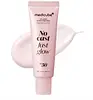
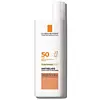
MediCube No Cast Just Glow Collagen Sunscreen SPF 50 Versus La Roche-Posay Anthelios Tinted Mineral Light Fluid Sunscreen SPF 50
This chemical sunscreen covers most of the UV range, lighter on the deep UVA that drives aging.
This hybrid sunscreen covers the full UV range and blocks ~98% of UVB at SPF 50.


What's inside
What's inside
 Key Ingredients
Benefits
Concerns
Ingredients Side-by-side
Water
Skin ConditioningHomosalate
Skin Conditioning

Octocrylene
UV Absorber

Butyloctyl Salicylate
Skin Conditioning
Ethylhexyl Salicylate
UV Absorber
Propanediol
Solvent

Butyl Methoxydibenzoylmethane
UV Absorber
Silica
Abrasive


1,2-Hexanediol
Skin Conditioning
Caprylyl Methicone
Skin Conditioning
Pentylene Glycol
Skin Conditioning
Polyglyceryl-3 Distearate
Emulsifying

Dimethicone
Emollient
Cetearyl Alcohol
Emollient



Poly C10-30 Alkyl Acrylate
Emulsion StabilisingTromethamine
BufferingPolyacrylate Crosspolymer-6
Emulsion StabilisingAcrylates/C10-30 Alkyl Acrylate Crosspolymer
Emulsion StabilisingSodium Stearoyl Glutamate
CleansingButylene Glycol
Humectant
Glyceryl Stearate Citrate
Emollient
Ammonium Acryloyldimethyltaurate/Vp Copolymer
Xanthan Gum
EmulsifyingEthylhexylglycerin
Skin ConditioningCyanocobalamin
Skin ConditioningNiacinamide
Smoothing







Ceramide NP
Skin Conditioning
Squalane
Emollient
Tocopherol
Antioxidant

Hydrolyzed Collagen
Emollient
Asiaticoside
Antioxidant
Madecassic Acid
Skin Conditioning
Asiatic Acid
Skin Conditioning
Centella Asiatica Extract
Cleansing
Hyaluronic Acid
Humectant
Caprylyl Glycol
Emollient
Soluble Collagen
Humectant
Acetyl Hexapeptide-8
Humectant
Water, Homosalate, Octocrylene, Butyloctyl Salicylate, Ethylhexyl Salicylate, Propanediol, Butyl Methoxydibenzoylmethane, Silica, 1,2-Hexanediol, Caprylyl Methicone, Pentylene Glycol, Polyglyceryl-3 Distearate, Dimethicone, Cetearyl Alcohol, Poly C10-30 Alkyl Acrylate, Tromethamine, Polyacrylate Crosspolymer-6, Acrylates/C10-30 Alkyl Acrylate Crosspolymer, Sodium Stearoyl Glutamate, Butylene Glycol, Glyceryl Stearate Citrate, Ammonium Acryloyldimethyltaurate/Vp Copolymer, Xanthan Gum, Ethylhexylglycerin, Cyanocobalamin, Niacinamide, Ceramide NP, Squalane, Tocopherol, Hydrolyzed Collagen, Asiaticoside, Madecassic Acid, Asiatic Acid, Centella Asiatica Extract, Hyaluronic Acid, Caprylyl Glycol, Soluble Collagen, Acetyl Hexapeptide-8
Titanium Dioxide 11%
Cosmetic Colorant
Water
Skin ConditioningIsododecane
EmollientC12-15 Alkyl Benzoate
AntimicrobialDimethicone
Emollient
Undecane
EmollientTriethylhexanoin
MaskingIsohexadecane
EmollientStyrene/Acrylates Copolymer
Nylon-12
Caprylyl Methicone
Skin Conditioning
Butyloctyl Salicylate
Skin Conditioning
Phenethyl Benzoate
Emollient

Silica
Abrasive
Tridecane
Perfuming
Dicaprylyl Carbonate
EmollientDicaprylyl Ether
Emollient
Talc
Abrasive
Dimethicone/PEG-10/15 Crosspolymer
Aluminum Stearate
Cosmetic ColorantPentylene Glycol
Skin Conditioning
PEG-9 Polydimethylsiloxyethyl Dimethicone
Emulsifying
Iron Oxides
Alumina
Abrasive
Polyhydroxystearic Acid
Emulsifying
Phenoxyethanol
Preservative
Magnesium Sulfate
Propylene Glycol
Humectant
Caprylyl Glycol
Emollient
Aluminum Hydroxide
EmollientPEG-8 Laurate
Emulsifying
Stearic Acid
Cleansing
Disteardimonium Hectorite
StabilisingDiethylhexyl Syringylidenemalonate
Skin Protecting
Tocopherol
Antioxidant
Propylene Carbonate
SolventCassia Alata Leaf Extract
AstringentMaltodextrin
Absorbent
Benzoic Acid
Masking
Disodium Stearoyl Glutamate
CleansingTitanium Dioxide 11%, Water, Isododecane, C12-15 Alkyl Benzoate, Dimethicone, Undecane, Triethylhexanoin, Isohexadecane, Styrene/Acrylates Copolymer, Nylon-12, Caprylyl Methicone, Butyloctyl Salicylate, Phenethyl Benzoate, Silica, Tridecane, Dicaprylyl Carbonate, Dicaprylyl Ether, Talc, Dimethicone/PEG-10/15 Crosspolymer, Aluminum Stearate, Pentylene Glycol, PEG-9 Polydimethylsiloxyethyl Dimethicone, Iron Oxides, Alumina, Polyhydroxystearic Acid, Phenoxyethanol, Magnesium Sulfate, Propylene Glycol, Caprylyl Glycol, Aluminum Hydroxide, PEG-8 Laurate, Stearic Acid, Disteardimonium Hectorite, Diethylhexyl Syringylidenemalonate, Tocopherol, Propylene Carbonate, Cassia Alata Leaf Extract, Maltodextrin, Benzoic Acid, Disodium Stearoyl Glutamate
Reviews
Ingredients Explained
These ingredients are found in both products.
Ingredients higher up in an ingredient list are typically present in a larger amount.
Butyloctyl Salicylate is a chemical UV filter structurally similar to octisalate. It is a photostabilizer, SPF booster, emollient and solvent. This ingredient helps evenly spread out ingredients.
According to a manufacturer, it is suitable for pairing with micro Titanium Dioxide, Zinc Oxide, and pigments.
Photostabilizers help stabilize UV-filters and prevents them from degrading quickly.
Learn more about Butyloctyl SalicylateCaprylyl Glycol is a humectant, skin conditioner, emollient, and preservative booster derived from either caprylic acid or synthetically created.
Typical use levels vary from 0.3-1% as a preservative booster and go up to 2% to condition skin.
Because it is not a free-fatty acid, this ingredient is fungal acne safe (there's nothing for Malassezia to feed on).
Learn more about Caprylyl GlycolCaprylyl Methicone is a synthetic and lightweight silicone fluid. It gives products a silky, dry-touch finish without the heaviness of pure oils.
Though the EU CosIng Database lists this ingredient as a skin conditioner, it is also used for sensory reasons. It spreads easily, cuts greasiness, and reduces tackiness.
This ingredient is volatile which means it will mostly evaporate (but it evaporates slower than older cyclomethicones, like Cyclotetrasiloxane).
Typical concentration ranges from 1-30% depending on if it's being used to tweak the feel of a product or acting as the main emollient.
Learn more about Caprylyl MethiconeDimethicone is a type of synthetic silicone created from natural materials such as quartz. It is also known as polydimethylsiloxane.
What it does:
Dimethicone comes in different viscosities:
Depending on the viscosity, dimethicone has different properties.
Ingredients lists don't always show which type is used, so we recommend reaching out to the brand if you have questions about the viscosity.
This ingredient is unlikely to cause irritation because it does not get absorbed into skin. However, people with silicone allergies should be careful about using this ingredient.
Note: Dimethicone may contribute to pilling. This is because it is not oil or water soluble, so pilling may occur when layered with products. When mixed with heavy oils in a formula, the outcome is also quite greasy.
Learn more about DimethiconePentylene Glycol (1,2-pentanediol) is a multitasking little diol with three main roles in a formula:
Research on alkanediols (the family pentylene glycol belongs to) show they work by disrupting microbial cell membranes. This disruption helps the primary preservative system in a product work more effectively at lower doses.
On the safety side, the Cosmetic Ingredient Review Expert Panel has concluded this ingredient to be safe as used in current cosmetic practices + concentrations.
Typical use levels in a formula run about 1-5%.
Learn more about Pentylene GlycolSilica, also known as silicon dioxide, is a naturally occurring mineral. It is used as a fine, spherical, and porous powder in cosmetics.
Though it has exfoliant properties, the function of silica varies depending on the product.
The unique structure of silica enhances the spreadability and adds smoothness, making it a great texture enhancer.
It is also used as an active carrier, emulsifier, and mattifier due to its ability to absorb excess oil.
In some products, tiny microneedles called spicules are made from silica or hydrolyzed sponge. When you rub them in, they lightly polish away dead skin layers and enhance the penetration of active ingredients.
Learn more about SilicaTocopherol is a fat-soluble antioxidant known as Vitamin E.
You'll find this ingredient in the vast majority of skincare (for good reason). It works to neutralize free radicals, or unstable molecules generated by UV exposure, pollution, and other environmental stressors, before they can cause oxidative damage to your skin cells.
Topically applied tocopherol has been shown to protect against UV damage by ramping up the skin's own natural defense enzymes.
It also acts as a skin conditioning agent; some studies show that regular topical use can improve the skin's water-binding capacity over 2-4 weeks.
This ingredient is especially loved for being a team player. When combined with Vitamin C, the photoprotective effect of both ingredients roughly doubles and the combo also helps reduce UV-induced DNA damage.
This ingredient has some brightening potential but it's more of a prevention ingredient than spot-fader. Cell studies show it can slow down melanin production but it's worth noting that it's not the most powerful brightener out there.
In formulations, it also serves as a stabilizer that helps protect other oxidation-prone ingredients from degrading.
Concentrations usually range from 0.1-1% in most leave-on products.
Learn more about TocopherolWater. It's the most common cosmetic ingredient of all. You'll usually see it at the top of ingredient lists, meaning that it makes up the largest part of the product.
So why is it so popular? Water most often acts as a solvent - this means that it helps dissolve other ingredients into the formulation.
You'll also recognize water as that liquid we all need to stay alive. If you see this, drink a glass of water. Remember to stay hydrated!
Learn more about Water

