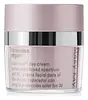
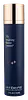
Mary Kay TimeWise Repair Volu-Firm Day Cream Sunscreen Broad Spectrum SPF 30 Versus SkinBetter Science Trio Rebalancing Moisture Treatment
This anti-aging day moisturizer is formulated around Tripeptide-1 and Hexylresorcinol to soften the look of wrinkles.
This barrier-repair moisturizer is formulated around Cholesterol and Squalane to strengthen the skin barrier and hydrate skin.

What's inside
What's inside
 Key Ingredients
Benefits
Concerns
Ingredients Side-by-side
Butyl Methoxydibenzoylmethane 3%
UV Absorber
Homosalate 9%
Skin Conditioning
Ethylhexyl Salicylate 4.5%
UV Absorber
Octocrylene 4%
UV Absorber

Benzophenone-3 4.5%
UV Absorber
Water
Skin ConditioningButylene Glycol
Humectant

Glycerin
Humectant
Cetearyl Alcohol
Emollient




Behenyl Alcohol
Emollient
Dicaprylyl Carbonate
EmollientAmmonium Acryloyldimethyltaurate/Vp Copolymer
Dimethicone
Emollient
Ceteareth-25
CleansingPentylene Glycol
Skin Conditioning
Tripeptide-1
Skin Conditioning

Tocopheryl Acetate
Antioxidant


Hexylresorcinol
Antimicrobial
Sodium PCA
Humectant
Centella Asiatica Meristem Cell Culture
Antioxidant
Silybum Marianum Fruit Extract
Skin Conditioning
Cestrum Latifolium Leaf Extract
Skin ConditioningCalcium Ketogluconate
Skin Conditioning4-T-Butylcyclohexanol
Masking

Disodium Ethylene Dicocamide PEG-15 Disulfate
Cleansing
Bisabolol
Antioxidant
Xanthan Gum
EmulsifyingMethyldihydrojasmonate
MaskingEthylene Brassylate
MaskingEthyl Linalool
Masking
Disodium EDTA
Trimethylbenzenepropanol
Masking
Isobutyl Methyl Tetrahydropyranol
MaskingGamma-Undecalactone
Perfuming
Phenylisohexanol
MaskingSodium Benzoate
Masking
Tetradecyl Aminobutyroylvalylaminobutyric Urea Trifluoroacetate
Skin ConditioningSilica
Abrasive


Triethanolamine
BufferingCitric Acid
Buffering
Propanediol
Solvent
Caprylyl Glycol
Emollient
Decylene Glycol
Skin ConditioningHydroxypropyl Cyclodextrin
MaskingPhenoxyethanol
Preservative
Hexylene Glycol
EmulsifyingEthylhexylglycerin
Skin Conditioning1,2-Hexanediol
Skin Conditioning
Iodopropynyl Butylcarbamate
Preservative
Magnesium Chloride
Butyl Methoxydibenzoylmethane 3%, Homosalate 9%, Ethylhexyl Salicylate 4.5%, Octocrylene 4%, Benzophenone-3 4.5%, Water, Butylene Glycol, Glycerin, Cetearyl Alcohol, Behenyl Alcohol, Dicaprylyl Carbonate, Ammonium Acryloyldimethyltaurate/Vp Copolymer, Dimethicone, Ceteareth-25, Pentylene Glycol, Tripeptide-1, Tocopheryl Acetate, Hexylresorcinol, Sodium PCA, Centella Asiatica Meristem Cell Culture, Silybum Marianum Fruit Extract, Cestrum Latifolium Leaf Extract, Calcium Ketogluconate, 4-T-Butylcyclohexanol, Disodium Ethylene Dicocamide PEG-15 Disulfate, Bisabolol, Xanthan Gum, Methyldihydrojasmonate, Ethylene Brassylate, Ethyl Linalool, Disodium EDTA, Trimethylbenzenepropanol, Isobutyl Methyl Tetrahydropyranol, Gamma-Undecalactone, Phenylisohexanol, Sodium Benzoate, Tetradecyl Aminobutyroylvalylaminobutyric Urea Trifluoroacetate, Silica, Triethanolamine, Citric Acid, Propanediol, Caprylyl Glycol, Decylene Glycol, Hydroxypropyl Cyclodextrin, Phenoxyethanol, Hexylene Glycol, Ethylhexylglycerin, 1,2-Hexanediol, Iodopropynyl Butylcarbamate, Magnesium Chloride
Water
Skin ConditioningCaprylic/Capric Triglyceride
Masking
Glyceryl Stearate
Emollient
Cholesterol
Emollient
Glycerin
Humectant
Hydroxyethyl Urea
Humectant
Butylene Glycol
Humectant
Sodium Lactate
Buffering
Polyglyceryl-6 Palmitate/Succinate
Emulsifying
Sodium PCA
Humectant
Squalane
Emollient
Isocetyl Stearoyl Stearate
Emollient
Ethyl Macadamiate
Skin Conditioning
N-Capryloyl Lysine
EmollientJojoba Esters
Emollient
Carnitine
Cleansing
Dimethicone
Emollient
Sodium Hyaluronate
Humectant
Urea
Buffering

Aminopropyl Ascorbyl Phosphate
Antioxidant
Salicornia Herbacea Extract
Skin ConditioningCeramide EOP
Skin Conditioning
Ceramide NP
Skin Conditioning
Linoleic Acid
Cleansing
Linolenic Acid
Cleansing
Carnosine
Skin Conditioning
Caffeine
Skin Conditioning
Salicylic Acid
Masking


Tocopherol
Antioxidant
Pullulan
Caprylyl Methicone
Skin Conditioning
Sclerotium Gum
Emulsion StabilisingXanthan Gum
EmulsifyingCetearyl Alcohol
Emollient
Ethylhexylglycerin
Skin ConditioningTriethyl Citrate
Masking
Silica
Abrasive
Lecithin
Emollient
Phytic Acid
Pentaerythrityl Tetra-Di-T-Butyl Hydroxyhydrocinnamate
Antioxidant
Triacetin
AntimicrobialSodium Hydroxide
BufferingPhenoxyethanol
Preservative
Lactic Acid
Buffering
Water, Caprylic/Capric Triglyceride, Glyceryl Stearate, Cholesterol, Glycerin, Hydroxyethyl Urea, Butylene Glycol, Sodium Lactate, Polyglyceryl-6 Palmitate/Succinate, Sodium PCA, Squalane, Isocetyl Stearoyl Stearate, Ethyl Macadamiate, N-Capryloyl Lysine, Jojoba Esters, Carnitine, Dimethicone, Sodium Hyaluronate, Urea, Aminopropyl Ascorbyl Phosphate, Salicornia Herbacea Extract, Ceramide EOP, Ceramide NP, Linoleic Acid, Linolenic Acid, Carnosine, Caffeine, Salicylic Acid, Tocopherol, Pullulan, Caprylyl Methicone, Sclerotium Gum, Xanthan Gum, Cetearyl Alcohol, Ethylhexylglycerin, Triethyl Citrate, Silica, Lecithin, Phytic Acid, Pentaerythrityl Tetra-Di-T-Butyl Hydroxyhydrocinnamate, Triacetin, Sodium Hydroxide, Phenoxyethanol, Lactic Acid
Reviews
Ingredients Explained
These ingredients are found in both products.
Ingredients higher up in an ingredient list are typically present in a larger amount.
Butylene Glycol (or BG) is used within cosmetic products for a few different reasons:
Overall, Butylene Glycol is a safe and well-rounded ingredient that works well with other ingredients.
Though this ingredient works well with most skin types, some people with sensitive skin may experience a reaction such as allergic rashes, closed comedones, or itchiness.
Learn more about Butylene GlycolCetearyl alcohol is a waxy mixture of two fatty alcohols: cetyl alcohol and stearyl alcohol. It is an emollient and emulsifier.
Despite having "alcohol" in its name, it has nothing to do with drying solvent alcohols; the FDA also allows "alcohol-free" products to contain fatty alcohols like this ingredient.
It plays several roles in a formula:
Typical use levels for this ingredient sit around 1-10% and the Cosmetic Ingredient Review Expert Panel has affirmed safety at concentrations up to 25% in leave-on products.
Multiple assessments have found it to be non-irritating and non-sensitizing to most people.
However, there have been some cases of allergic contact dermatitis in patients with chronically compromised skin barriers.
Cetearyl alcohol has a comedogenic rating of 2 and irritancy rating of 1. Both of these numbers come from the 1989 study that used rabbit ears; a "2" means mildly comedogenic and a "1" means low irritancy.
Here's the catch: rabbit skin is more sensitive than human skin and throws a lot of false positives. A 1996 reappraisal found that ingredients rated 1-2 in the rabbit ear tests are generally safe for humans.
Remember comedogenic ratings are unable to assess the entire formula of a product or how it will react on your skin. Just be sure to patch test if you are unsure about certain ingredients.
This ingredient is not fungal acne safe. Cetearyl alcohol is a fatty alcohol with chain lengths that fall within the range that Malassezia can metabolize.
A 2019 study has also observed Malassezia growth in the presence of this ingredient, confirming it to be not-fungal acne safe.
Learn more about Cetearyl AlcoholDimethicone is a type of synthetic silicone created from natural materials such as quartz. It is also known as polydimethylsiloxane.
What it does:
Dimethicone comes in different viscosities:
Depending on the viscosity, dimethicone has different properties.
Ingredients lists don't always show which type is used, so we recommend reaching out to the brand if you have questions about the viscosity.
This ingredient is unlikely to cause irritation because it does not get absorbed into skin. However, people with silicone allergies should be careful about using this ingredient.
Note: Dimethicone may contribute to pilling. This is because it is not oil or water soluble, so pilling may occur when layered with products. When mixed with heavy oils in a formula, the outcome is also quite greasy.
Learn more about DimethiconeEthylhexylglycerin is created from glycerin. It is a multitasker ingredient that:
The CIR Expert Panel found minimal skin absorption or sensitization of any kind in a safety assessment. Though this ingredient is considered well-tolerated, a small number of cases of allergic dermatitis have been published since 2002. Just be sure to patch test if you are unsure.
Industry-reported use ranges from 8% in rinse-off products and 2% in leave-on formulations.
Learn more about EthylhexylglycerinGlycerin (or glycerol) is a compound naturally found in your skin. It's a powerhouse humectant that pulls water into the stratum corneum.
Topically, glycerin does several things at once:
Your skin makes glycerin on its own (mostly from sebaceous oil breakdown) and shuttles it to your outermost layer of skin, or your epidermis, via aquaporin-3.
Aquaporin-3 is a transporter that is essential for normal skin hydration, elasticity, and repair. Interestingly, mice lacking in AQP3 have dry and less elastic skin that can be fully corrected with glycerin.
This ingredient is non-irritating, plays well with almost every ingredient, and works across all skin types. Typical use is anywhere between 3-10% but can go up to 79% in some leave-on products.
Just know very high concentrations (>40%) can feel tacky in low humidity.
Glycerin is the name for this ingredient in American English. British English uses Glycerol/Glycerine.
Learn more about GlycerinPhenoxyethanol is one of the most widely used preservatives in skincare (and for good reason!).
It has a large spectrum of antimicrobial activity and especially effective bacteria, yeast, and mold while only having a weak effect on your skin's natural microbiome.
On a cellular level, it disrupts the cell membranes of microbes by poking holes that make the cell leak. This shuts down the chemical reactions the microbe needs to make energy so it can no longer survive.
Another perk of this ingredient is that it stays functional across a wide pH range (3-10).
You'll often see it paired with boosters like Ethylhexylglycerin; one study showed that a 1:9 ratio of Ethylhexylglycerin to Phenoxyethanol damages bacterial membranes as effectively as doubling the Phenoxyethanol concentration on its own.
Typical use concentrations range from 0.3-1% depending on the formula, and this ingredient is capped at 1% int the EU.
Safety-wise, the fear mongering does not hold up to the evidence. The EU's Scientific Committee on Consumer Safety and FDA consider it safe as a preservative at up to 1%, including for children of all ages.
Adverse systemic effects only showed up in animal studies at exposures roughly 200x higher than what people get from cosmetics. And despite its very widespread use, this ingredient is a rare sensitizer and allergic reactions are uncommon.
Learn more about PhenoxyethanolSilica, also known as silicon dioxide, is a naturally occurring mineral. It is used as a fine, spherical, and porous powder in cosmetics.
Though it has exfoliant properties, the function of silica varies depending on the product.
The unique structure of silica enhances the spreadability and adds smoothness, making it a great texture enhancer.
It is also used as an active carrier, emulsifier, and mattifier due to its ability to absorb excess oil.
In some products, tiny microneedles called spicules are made from silica or hydrolyzed sponge. When you rub them in, they lightly polish away dead skin layers and enhance the penetration of active ingredients.
Learn more about SilicaSodium PCA (the salt of PCA) is one of the most well-established humectants in skincare.
Why is it so special? Your skin already makes it naturally; it's a natural component of your skin's Natural Moisturizing Factor (NMF), or the mix of water-binding compounds inside your skin cells that keeps things soft and hydrated.
As a cosmetic ingredient, it grabs water and holds it in the upper layers of skin to smooth roughness and ease dehydration.
There's some clinical support for the NMF approach with a study showing that a cream built to mimic the skin's NMF significantly boosted hydration.
Safety-wise, this ingredient non-irritating, non-comedogenic, and non-phototoxic in testing, with minimal skin absorption.
It also works really well with other hydrators like glycerin or hyaluronic acid, and typical usage is somewhere between 0.2-4%.
Learn more about Sodium PCAWater. It's the most common cosmetic ingredient of all. You'll usually see it at the top of ingredient lists, meaning that it makes up the largest part of the product.
So why is it so popular? Water most often acts as a solvent - this means that it helps dissolve other ingredients into the formulation.
You'll also recognize water as that liquid we all need to stay alive. If you see this, drink a glass of water. Remember to stay hydrated!
Learn more about WaterXanthan gum is used as a stabilizer and thickener within cosmetic products. It helps give products a sticky, thick feeling - preventing them from being too runny.
On the technical side of things, xanthan gum is a polysaccharide - a combination consisting of multiple sugar molecules bonded together.
Xanthan gum is a pretty common and great ingredient. It is a natural, non-toxic, non-irritating ingredient that is also commonly used in food products.
Learn more about Xanthan Gum

