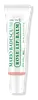
This barrier-repair lip moisturizer is formulated around Persea Gratissima Oil and Butyrospermum Parkii Butter to strengthen the lip barrier and hydrate lips.
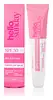
This barrier-repair lip moisturizer is formulated around Caprylic/Capric Triglyceride and Squalane to strengthen the lip barrier and hydrate lips.


What's inside
What's inside
 Key Ingredients
Benefits
Concerns
Ingredients Side-by-side
Hydrogenated Polydecene
EmollientCocoglycerides
Emollient


Ethylene/Propylene/Styrene Copolymer
Dimethicone
Emollient

Brassica Glycerides
EmollientPersea Gratissima Oil
Skin Conditioning



Glyceryl Behenate
Emollient
Microcrystalline Cellulose
AbsorbentPolyhydroxystearic Acid
Emulsifying
Jojoba Esters
Emollient
Helianthus Annuus Seed Wax
Skin Conditioning
Theobroma Cacao Seed Butter
Emollient
Butyrospermum Parkii Butter
Skin Conditioning
Dimethicone/Vinyl Dimethicone Crosspolymer
Skin Conditioning
Aloe Barbadensis Leaf Extract
Emollient

Cocos Nucifera Oil
Masking
Glyceryl Rosinate
Perfuming
Beeswax
Emulsion Stabilising
Hydrogenated Vegetable Oil
Emollient
Prunus Amygdalus Dulcis Oil
Skin Conditioning
Butylene/Ethylene/Styrene Copolymer
Linoleic Acid
Cleansing
Dimethicone Crosspolymer
Emulsion Stabilising
Acacia Decurrens Flower Cera
Emollient
Olea Europaea Oil Unsaponifiables
Skin Conditioning
Linolenic Acid
Cleansing
Raspberry Seed Oil/Tocopheryl Succinate Aminopropanediol Esters
Skin Conditioning
Polyglycerin-3
Humectant
Pentaerythrityl Tetra-Di-T-Butyl Hydroxyhydrocinnamate
Antioxidant
Silica
Abrasive


Silica Silylate
Emollient
Chamomilla Recutita Flower Extract
Masking
Tocopherol
Antioxidant


Parfum
Masking
Hydrogenated Polydecene, Cocoglycerides, Ethylene/Propylene/Styrene Copolymer, Dimethicone, Brassica Glycerides, Persea Gratissima Oil, Glyceryl Behenate, Microcrystalline Cellulose, Polyhydroxystearic Acid, Jojoba Esters, Helianthus Annuus Seed Wax, Theobroma Cacao Seed Butter, Butyrospermum Parkii Butter, Dimethicone/Vinyl Dimethicone Crosspolymer, Aloe Barbadensis Leaf Extract, Cocos Nucifera Oil, Glyceryl Rosinate, Beeswax, Hydrogenated Vegetable Oil, Prunus Amygdalus Dulcis Oil, Butylene/Ethylene/Styrene Copolymer, Linoleic Acid, Dimethicone Crosspolymer, Acacia Decurrens Flower Cera, Olea Europaea Oil Unsaponifiables, Linolenic Acid, Raspberry Seed Oil/Tocopheryl Succinate Aminopropanediol Esters, Polyglycerin-3, Pentaerythrityl Tetra-Di-T-Butyl Hydroxyhydrocinnamate, Silica, Silica Silylate, Chamomilla Recutita Flower Extract, Tocopherol, Parfum
Polyisobutene
Caprylic/Capric Triglyceride
Masking
Paraffinum Liquidum
Emollient
Silica Dimethyl Silylate
EmollientDiisopropyl Adipate
EmollientSqualane
Emollient
Bis-Ethylhexyloxyphenol Methoxyphenyl Triazine
UV Absorber
Butyl Methoxydibenzoylmethane
UV Absorber
Ethylhexyl Salicylate
UV Absorber
Ethylhexyl Triazone
UV Absorber
Octyldodecanol
Emollient
Diethylamino Hydroxybenzoyl Hexyl Benzoate
UV Filter
Octocrylene
UV Absorber
Butyrospermum Parkii Butter
Skin Conditioning
Dicaprylyl Carbonate
EmollientRicinus Communis Seed Oil
Masking
CI 77891
Cosmetic ColorantGlyceryl Dibehenate
Emollient
Synthetic Beeswax
Emulsion Stabilising
Parfum
Masking
Tribehenin
Emollient
Glyceryl Behenate
Emollient
Tocopherol
Antioxidant
1,2-Hexanediol
Skin Conditioning
Bisabolol
Antioxidant
Caprylyl Glycol
Emollient
Stearalkonium Hectorite
Gel FormingCI 45410
Cosmetic ColorantEthylhexyl Palmitate
Emollient
CI 77491
Cosmetic ColorantCI 77492
Cosmetic ColorantPropylene Carbonate
SolventCI 77499
Cosmetic ColorantPolyhydroxystearic Acid
Emulsifying
Benzyl Benzoate
Antimicrobial
Butylene Glycol
Humectant
Pentylene Glycol
Skin Conditioning
Sodium Hyaluronate
Humectant
Polyisobutene, Caprylic/Capric Triglyceride, Paraffinum Liquidum, Silica Dimethyl Silylate, Diisopropyl Adipate, Squalane, Bis-Ethylhexyloxyphenol Methoxyphenyl Triazine, Butyl Methoxydibenzoylmethane, Ethylhexyl Salicylate, Ethylhexyl Triazone, Octyldodecanol, Diethylamino Hydroxybenzoyl Hexyl Benzoate, Octocrylene, Butyrospermum Parkii Butter, Dicaprylyl Carbonate, Ricinus Communis Seed Oil, CI 77891, Glyceryl Dibehenate, Synthetic Beeswax, Parfum, Tribehenin, Glyceryl Behenate, Tocopherol, 1,2-Hexanediol, Bisabolol, Caprylyl Glycol, Stearalkonium Hectorite, CI 45410, Ethylhexyl Palmitate, CI 77491, CI 77492, Propylene Carbonate, CI 77499, Polyhydroxystearic Acid, Benzyl Benzoate, Butylene Glycol, Pentylene Glycol, Sodium Hyaluronate
Reviews
Ingredients Explained
These ingredients are found in both products.
Ingredients higher up in an ingredient list are typically present in a larger amount.
This ingredient is also known as shea butter. It is a plant-derived extract from the nuts of the Africa shea tree and one of the most well-studied emollients.
Because it has a high concentration of fatty acids (primarily oleic, stearic, and linoleic) it is able to form a protective barrier on the skin's surface. This helps seal in moisture and prevents transepidermal water loss (TEWL).
In vitro research found an increase in skin hydration by 58% and a decrease in TEWL by 37.8% after 24 hours of applying this ingredient (pretty impressive for a single ingredient!).
Besides hydration, shea butter also contains triterpenes that have anti-inflammatory potential. In particule, lupeol cinnamate has shown the highest anti-inflammatory activity in vivo.
Shea butter also contains vitamins A and E which may contribute to antioxidant activity.
While Shea Butter has an SPF rating of about 3-4, it is not a sunscreen replacement.
This ingredient may not be fungal acne safe because its fatty acids fall within the C11-C24 range that the Malassezia yeast can metabolize.
This ingredient shows up on a lot of "pore-clogging" lists but there's no real evidence behind that. It doesn't even have a comedogenic rating from an actual study; the numbers you'll find online come from blogs citing other blogs.
Ratings for other ingredients mostly come from a 1980s rabbit ear test. This test doesn't translate well to human skin or to real products because the ingredient sits at a much lower percentage.
Some people still find it breaks them out. So if that's you, definitely trust your skin. Just know this one's based on experience and not evidence.
Learn more about Butyrospermum Parkii ButterGlyceryl Behenate is an emollient and emulsifier.
It has a lipophilic-hydrophilic structure that lets it sit at the oil-water interface to keep emulsions stable while leaving skin feeling soft and smooth.
In pressed powder cosmetics, it double as a compacting agent.
This ingredient can be synthetically created or plant-derived. Safety-wise, it has a solid track record.
One thing to flag for fungal acne: since this ingredient is the monoester of behenic acid (C22), it falls within the C11-24 range that Malassezia can metabolize.
Learn more about Glyceryl BehenateParfum is a catch-all term for an ingredient or more that is used to give a scent to products.
Also called "fragrance", this ingredient can be a blend of hundreds of chemicals or plant oils. This means every product with "fragrance" or "parfum" in the ingredients list is a different mixture.
For instance, Habanolide is a proprietary trade name for a specific aroma chemical. When used as a fragrance ingredient in cosmetics, most aroma chemicals fall under the broad labeling category of “FRAGRANCE” or “PARFUM” according to EU and US regulations.
The term 'parfum' or 'fragrance' is not regulated in many countries. In many cases, it is up to the brand to define this term.
For instance, many brands choose to label themselves as "fragrance-free" because they are not using synthetic fragrances. However, their products may still contain ingredients such as essential oils that are considered a fragrance by INCI standards.
One example is Calendula flower extract. Calendula is an essential oil that still imparts a scent or 'fragrance'.
Depending on the blend, the ingredients in the mixture can cause allergies and sensitivities on the skin. Some ingredients that are known EU allergens include linalool and citronellol.
Parfum can also be used to mask or cover an unpleasant scent.
The bottom line is: not all fragrances/parfum/ingredients are created equally. If you are worried about fragrances, we recommend taking a closer look at an ingredient. And of course, we always recommend speaking with a professional.
Learn more about ParfumPolyhydroxystearic Acid is a vegetable-derived soft wax made from castor oil. It's an emulsion stabilizer, thickener, and film former.
You'll likely see it in sunscreens because it helps disperse pigments and UV-reflecting minerals like titanium dioxide and zinc oxide evenly.
Depending on the concentration, it can drastically change the texture of a product from pasty solid (like lipstick) to sprayable liquid.
The CIR Expert Panel for Cosmetic Ingredient Safety has concluded this ingredient to be safe in cosmetics. The highest reported use concentration is 14.2% in lipsticks.
Learn more about Polyhydroxystearic AcidTocopherol is a fat-soluble antioxidant known as Vitamin E.
You'll find this ingredient in the vast majority of skincare (for good reason). It works to neutralize free radicals, or unstable molecules generated by UV exposure, pollution, and other environmental stressors, before they can cause oxidative damage to your skin cells.
Topically applied tocopherol has been shown to protect against UV damage by ramping up the skin's own natural defense enzymes.
It also acts as a skin conditioning agent; some studies show that regular topical use can improve the skin's water-binding capacity over 2-4 weeks.
This ingredient is especially loved for being a team player. When combined with Vitamin C, the photoprotective effect of both ingredients roughly doubles and the combo also helps reduce UV-induced DNA damage.
This ingredient has some brightening potential but it's more of a prevention ingredient than spot-fader. Cell studies show it can slow down melanin production but it's worth noting that it's not the most powerful brightener out there.
In formulations, it also serves as a stabilizer that helps protect other oxidation-prone ingredients from degrading.
Concentrations usually range from 0.1-1% in most leave-on products.
Learn more about Tocopherol

