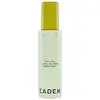
This hydrating essence is formulated around Niacinamide and Saccharomyces/Rice Ferment Filtrate to hydrate skin and strengthen the skin barrier.

What's inside
What's inside
 Key Ingredients
Benefits
Concerns
Ingredients Side-by-side
Water
Skin ConditioningGlycerin
Humectant


Niacinamide
Smoothing









Diglycerin
Humectant
Saccharomyces/Rice Ferment Filtrate
Skin Conditioning

Simmondsia Chinensis Seed Oil
Emollient
Sea Water
HumectantPanthenol
Skin Conditioning
Hydroxyacetophenone
Antioxidant
Sodium Hyaluronate
Humectant
Phospholipids
Skin Conditioning
Biosaccharide Gum-1
Humectant
Acacia Senegal Gum
MaskingXanthan Gum
EmulsifyingCaprylyl Glycol
Emollient
Beta-Glucan
Skin Conditioning
Butylene Glycol
Humectant
Dipropylene Glycol
HumectantPhenoxyethanol
Preservative
Algin
MaskingPropanediol
Solvent
Benzoic Acid
Masking
Sorbic Acid
Preservative
Glyceryl Caprylate
EmollientGlyceryl Undecylenate
Emollient
Citric Acid
Buffering
Ethylhexylglycerin
Skin ConditioningPotassium Sorbate
Preservative
Sodium Hydroxide
BufferingWater, Glycerin, Niacinamide, Diglycerin, Saccharomyces/Rice Ferment Filtrate, Simmondsia Chinensis Seed Oil, Sea Water, Panthenol, Hydroxyacetophenone, Sodium Hyaluronate, Phospholipids, Biosaccharide Gum-1, Acacia Senegal Gum, Xanthan Gum, Caprylyl Glycol, Beta-Glucan, Butylene Glycol, Dipropylene Glycol, Phenoxyethanol, Algin, Propanediol, Benzoic Acid, Sorbic Acid, Glyceryl Caprylate, Glyceryl Undecylenate, Citric Acid, Ethylhexylglycerin, Potassium Sorbate, Sodium Hydroxide
Water
Skin ConditioningPropanediol
Solvent
Methylpropanediol
SolventPentylene Glycol
Skin Conditioning
2,3-Butanediol
HumectantGlycerin
Humectant
Panthenol
Skin Conditioning
Melia Azadirachta Leaf Extract
Skin ConditioningSimmondsia Chinensis Seed Oil
Emollient
Olea Europaea Fruit Oil
Masking

Adansonia Digitata Seed Oil
Emollient
Citrullus Lanatus Seed Oil
Emollient
Melia Azadirachta Flower Extract
Skin ConditioningAdansonia Digitata Fruit Extract
EmollientCitrus Aurantium Bergamia Peel Oil
Perfuming



Pogostemon Cablin Leaf Oil
Masking
Citrus Aurantium Dulcis Peel Oil
Masking
Camphor
Masking
Juniperus Mexicana Oil
Masking
Citrus Aurantium Bergamia Fruit Oil
Masking
Aloe Barbadensis Leaf Juice
Skin Conditioning
Citrus Limon Peel Oil
Masking
Citrus Aurantifolia Peel Oil
Masking
Thymus Vulgaris Extract
Perfuming
Myristica Fragrans Kernel Oil
Masking
Butyrospermum Parkii Butter
Skin Conditioning
Tocopherol
Antioxidant
Sodium Hyaluronate
Humectant
Ectoin
Skin Conditioning
Allantoin
Skin Conditioning
Bisabolol
Antioxidant
Madecassoside
Antioxidant
Phospholipids
Skin Conditioning
Glycolipids
Skin ConditioningCaprylic/Capric Triglyceride
Masking
Cetearyl Alcohol
Emollient
Polyglyceryl-3 Methylglucose Distearate
Emulsifying
Hydrogenated Lecithin
Emulsifying
Xanthan Gum
EmulsifyingDipotassium Glycyrrhizate
Humectant
Hydroxyacetophenone
Antioxidant
Microcrystalline Cellulose
AbsorbentSqualane
Emollient
Behenyl Alcohol
Emollient
Butylene Glycol
Humectant
Cellulose Gum
Emulsion Stabilising1,2-Hexanediol
Skin Conditioning
Polyglutamic Acid
Skin Conditioning
Glyceryl Undecylenate
Emollient
Glyceryl Caprylate
EmollientEthylhexylglycerin
Skin ConditioningPolysorbate 20
Emulsifying
Phenethyl Acetate
Masking
Methylbenzyl Acetate
Masking
Ionone
Astringent
Gamma-Undecalactone
Perfuming
Citral
Perfuming
Limonene
Perfuming
Linalool
Perfuming
Linalyl Acetate
Masking
Water, Propanediol, Methylpropanediol, Pentylene Glycol, 2,3-Butanediol, Glycerin, Panthenol, Melia Azadirachta Leaf Extract, Simmondsia Chinensis Seed Oil, Olea Europaea Fruit Oil, Adansonia Digitata Seed Oil, Citrullus Lanatus Seed Oil, Melia Azadirachta Flower Extract, Adansonia Digitata Fruit Extract, Citrus Aurantium Bergamia Peel Oil, Pogostemon Cablin Leaf Oil, Citrus Aurantium Dulcis Peel Oil, Camphor, Juniperus Mexicana Oil, Citrus Aurantium Bergamia Fruit Oil, Aloe Barbadensis Leaf Juice, Citrus Limon Peel Oil, Citrus Aurantifolia Peel Oil, Thymus Vulgaris Extract, Myristica Fragrans Kernel Oil, Butyrospermum Parkii Butter, Tocopherol, Sodium Hyaluronate, Ectoin, Allantoin, Bisabolol, Madecassoside, Phospholipids, Glycolipids, Caprylic/Capric Triglyceride, Cetearyl Alcohol, Polyglyceryl-3 Methylglucose Distearate, Hydrogenated Lecithin, Xanthan Gum, Dipotassium Glycyrrhizate, Hydroxyacetophenone, Microcrystalline Cellulose, Squalane, Behenyl Alcohol, Butylene Glycol, Cellulose Gum, 1,2-Hexanediol, Polyglutamic Acid, Glyceryl Undecylenate, Glyceryl Caprylate, Ethylhexylglycerin, Polysorbate 20, Phenethyl Acetate, Methylbenzyl Acetate, Ionone, Gamma-Undecalactone, Citral, Limonene, Linalool, Linalyl Acetate
Reviews
Ingredients Explained
These ingredients are found in both products.
Ingredients higher up in an ingredient list are typically present in a larger amount.
Butylene Glycol (or BG) is used within cosmetic products for a few different reasons:
Overall, Butylene Glycol is a safe and well-rounded ingredient that works well with other ingredients.
Though this ingredient works well with most skin types, some people with sensitive skin may experience a reaction such as allergic rashes, closed comedones, or itchiness.
Learn more about Butylene GlycolEthylhexylglycerin is created from glycerin. It is a multitasker ingredient that:
The CIR Expert Panel found minimal skin absorption or sensitization of any kind in a safety assessment. Though this ingredient is considered well-tolerated, a small number of cases of allergic dermatitis have been published since 2002. Just be sure to patch test if you are unsure.
Industry-reported use ranges from 8% in rinse-off products and 2% in leave-on formulations.
Learn more about EthylhexylglycerinGlycerin (or glycerol) is a compound naturally found in your skin. It's a powerhouse humectant that pulls water into the stratum corneum.
Topically, glycerin does several things at once:
Your skin makes glycerin on its own (mostly from sebaceous oil breakdown) and shuttles it to your outermost layer of skin, or your epidermis, via aquaporin-3.
Aquaporin-3 is a transporter that is essential for normal skin hydration, elasticity, and repair. Interestingly, mice lacking in AQP3 have dry and less elastic skin that can be fully corrected with glycerin.
This ingredient is non-irritating, plays well with almost every ingredient, and works across all skin types. Typical use is anywhere between 3-10% but can go up to 79% in some leave-on products.
Just know very high concentrations (>40%) can feel tacky in low humidity.
Glycerin is the name for this ingredient in American English. British English uses Glycerol/Glycerine.
Learn more about GlycerinGlyceryl Caprylate comes from glycerin and caprylic acid. It is an emollient, co-emulsifier, and preservative booster.
Its short C8 fatty acid chain makes it behave differently from its longer-chain emollient cousins like Glyceryl Stearate. It feels more lightweight, fast-absorbing, and silky instead of rich and waxy.
As a co-emulsifier, its "head" and "tail" sit at the oil-water interface. But overall, the short C8 tail and not being water soluble means it doesn't really have the muscle to emulsify a formula on its own. That's why you'll often see it paired with a primary emulsifier like Cetearyl Glucoside.
Interestingly, Glyceryl Caprylate acts as a preservative booster. This is because its fatty-acid backbone disrupts microbial lipid membranes. It shows excellent activity against bacteria and yeast but is weaker against mold.
Typical concentrations range from 0.5-1% and this ingredient is generally non-irritating.
Because this ingredient has a C8 fatty acid chain, it is outside the range that the Malassezia yeast metabolizes (making it fungal acne safe).
Learn more about Glyceryl CaprylateGlyceryl Undecylenate is a gentle ester made by joining glycerin and undecylenic acid (a fatty acid pulled from castor oil).
In formulations, it pulls double duty as a skin-conditioning emollient and mild preservative.
The glycerin side attracts and binds water to support skin hydration and the undeclyenic acid side adds a bit of broad-spectrum antimicrobial activity.
Undecylenic acid inhibits the formation of fungal biofilm and the branching filaments that let fungi spread.
Typical use concentrations range from 0.1-5%, but it is generally used on the lower end and paired with other mild preservative boosters like caprylyl glycol.
On the fungal acne front:
This ingredient is described in the patent literature as a Malassezia-active ingredient used to treat an excess of Malassezia on the skin (Malassezia is actually a yeast and not fungal).
Though it leans anti-fungal, the leftover Malassezia yeast may feed on the Undecylenic Acid portion of this ingredient. Just know this ingredient may not be a trigger for everyone.
Learn more about Glyceryl UndecylenateHydroxyacetophenone is a small phenolic molecule that earns its place in a formulas as an antioxidant and preservative booster.
As a phenol, it is able to neutralize free radicals to protect both the product and the skin from oxidative stress.
Though it can't kill microbes on its own, it works as a good supporting agent when combined with other preservatives like Phenoxyethanol or 1,2-Hexanediol.
This ingredient naturally occurs as piceol in Norwegian spruce needles (~0.4-1.1% dry weight and in cloudberries). Though the cosmetic-grade material is synthesized for purity and consistency.
You'll usually see it used at low levels and suppliers recommend up to 1% added to a water phase.
Safety testing was done at concentrations like 0.05% in SPF products and 0.5% in a Human Repeated Insult Patch Test. The safety evidence is assuring; this ingredient is safe for cosmetics in current use and also holds safety status as a food flavoring as well.
An honest caveat: the "soothing" and "anti-inflammatory" claims come mostly from supplier marketing rather than published clinical trials. The Cosmetic Ingredient Review's own literature search found no useful efficacy studies on this ingredient.
So the antioxidant and preservative-boosting roles are the well supported ones while the calming benefit is plausible but thinly evidenced.
Overall, this is a well-tolerated, low-irritation multitasker that quietly helps a formula stay fresh and stable.
Learn more about HydroxyacetophenonePanthenol is a common ingredient that helps hydrate and soothe the skin. It is found naturally in our skin and hair.
There are two forms of panthenol: D and L.
D-panthenol is also known as dexpanthenol. Most cosmetics use dexpanthenol or a mixture of D and L-panthenol.
Panthenol is famous due to its ability to go deeper into the skin's layers. Using this ingredient has numerous pros (and no cons):
Like hyaluronic acid, panthenol is a humectant. Humectants are able to bind and hold large amounts of water to keep skin hydrated.
This ingredient works well for wound healing. It works by increasing tissue in the wound and helps close open wounds.
Once oxidized, panthenol converts to pantothenic acid. Panthothenic acid is found in all living cells.
This ingredient is also referred to as pro-vitamin B5.
Learn more about PanthenolPhospholipids are a family of skin-identical lipids that makeup the structural backbone of every cell membrane in your body.
In cosmetics, they function as skin conditioning agents with emulsifier and surfactant properties. They're typically sourced from soybean or sunflower lecithin (or sometimes egg yolk or marine sources).
Because they mirror the lipids naturally found in the deeper layers of your skin, topical phospholipids help reinforce the lipid matrix, reduce transepidermal water loss, and leave skin feeling conditioned.
They're also used to form liposomes, or tiny self-assembling vesible used to stabilize actives like vitamin c or retinol. This helps these ingredients integrate into the upper layers of skin more easily.
Phospholipids are compatible with everything and the CIR Expert Panel has concluded them to be safe at current use levels.
Some types of phospholipids include:
Learn more about PhospholipidsPropanediol is an all-star ingredient. It softens, hydrates, and smooths the skin.
It’s often used to:
Propanediol is not likely to cause sensitivity and considered safe to use. It is derived from corn or petroleum with a clear color and no scent.
Learn more about PropanediolJojoba oil is one of the most well-studied plant-derived ingredients in cosmetics. It is an emollient with a special structure.
Because it is made up of 97-98% wax esters, it closely mirrors the linear monoesters found in human sebum. This makes it skin compatible, non-greasy, and lightweight.
Unlike other plant oils, jojoba wax doesn't easily penetrate skin. It mostly works in the uppermost layers as an emollient. This just means it forms a light barrier on the skin to help retain moisture.
Formulations with jojoba esters up to 90% reduced transepidermal water loss (TEWL) and increased barrier recovery by 81% (outperforming bisabolol at 47%).
Besides barrier support, the science also suggests jojoba to have anti-inflammatory effects and potential applications for skin infections, aging, and wound healing.
Fun fact: Indigenous cultures have used jojoba as a moisturizer and to help treat burns for centuries.
Fungal acne: The Malassezia yeast is known to metabolize fatty acids in the C11-24 range and jojoba's dominant fatty acid components fall into this range. This ingredient may not be fungal acne safe.
Learn more about Simmondsia Chinensis Seed OilSodium Hyaluronate is the salt form of hyaluronic acid. It is a long sugar chain that is naturally found in your skin, joints, and connective tissue that maintains hydration and elasticity.
In skincare, it works as a humectant. It pulls water from the environment and deeper layers of skin and binds it to the surface.
Interestingly, the size of the molecule affects its behavior:
Some clinical evidence links low molecular weight versions to improved wrinkle depth, elasticity, anti-inflammatory effects, and barrier repair.
Many serums use a blend of both weights so you can get surface hydration plus longer-lasting and deeper effects.
You'll typically see concentrations between 0.1-2% for this ingredient.
Learn more about Sodium HyaluronateWater. It's the most common cosmetic ingredient of all. You'll usually see it at the top of ingredient lists, meaning that it makes up the largest part of the product.
So why is it so popular? Water most often acts as a solvent - this means that it helps dissolve other ingredients into the formulation.
You'll also recognize water as that liquid we all need to stay alive. If you see this, drink a glass of water. Remember to stay hydrated!
Learn more about WaterXanthan gum is used as a stabilizer and thickener within cosmetic products. It helps give products a sticky, thick feeling - preventing them from being too runny.
On the technical side of things, xanthan gum is a polysaccharide - a combination consisting of multiple sugar molecules bonded together.
Xanthan gum is a pretty common and great ingredient. It is a natural, non-toxic, non-irritating ingredient that is also commonly used in food products.
Learn more about Xanthan Gum

