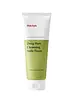
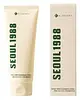
ma:nyo Deep Pore Cleansing Soda Foam Versus K-Secret Seoul 1988 Cleansing Foam : Pine Cica 1% + Probiotics
This salicylic acid foaming cleanser is formulated around Salicylic Acid to clear breakouts and unclog pores.

What's inside
What's inside
 Key Ingredients
Benefits
Concerns
Ingredients Side-by-side
Camellia Sinensis Leaf Extract
Antimicrobial







Glycerin
Humectant

Myristic Acid
Cleansing



Stearic Acid
Cleansing
Lauric Acid
Cleansing
Potassium Hydroxide
BufferingButylene Glycol
Humectant
Citrus Aurantium Dulcis Peel Oil
Masking

Glycol Distearate
Emollient
Diatomaceous Earth
Abrasive
Kaolin
Abrasive
Zea Mays Starch
Absorbent
Glyceryl Stearate
Emollient
Sorbitan Olivate
Emulsifying
Sodium Bicarbonate
Abrasive
Beeswax
Emulsion Stabilising
1,2-Hexanediol
Skin Conditioning
Sodium Hyaluronate
Humectant
Sodium PCA
Humectant
Aloe Barbadensis Leaf Extract
Emollient
Olea Europaea Fruit Oil
Masking
Saponaria Officinalis Leaf Extract
AntimicrobialDecyl Glucoside
Cleansing
Camellia Sinensis Leaf Powder
Morus Alba Root Extract
BleachingChlorella Vulgaris Powder
Skin ConditioningCarica Papaya Fruit Extract
Skin ConditioningPhaseolus Radiatus Seed Powder
Anthemis Nobilis Flower Powder
Skin ConditioningPanax Ginseng Root Extract
Emollient
Ethylhexylglycerin
Skin ConditioningLactuca Scariola Sativa Leaf Extract
Skin ConditioningVigna Radiata Seed Extract
Skin ConditioningCitrus Limon Fruit Extract
Masking
Glycyrrhiza Glabra Root Extract
Bleaching
Portulaca Oleracea Extract
Skin Conditioning
Pentylene Glycol
Skin Conditioning
Caprylyl Glycol
Emollient
Water
Skin ConditioningDioscorea Japonica Root Extract
Skin Conditioning
Oryza Sativa Bran Extract
Skin Conditioning
Lavandula Angustifolia Oil
Masking
Melaleuca Alternifolia Leaf Oil
Antioxidant
Limonene
Perfuming
Linalool
Perfuming
Camellia Sinensis Leaf Extract, Glycerin, Myristic Acid, Stearic Acid, Lauric Acid, Potassium Hydroxide, Butylene Glycol, Citrus Aurantium Dulcis Peel Oil, Glycol Distearate, Diatomaceous Earth, Kaolin, Zea Mays Starch, Glyceryl Stearate, Sorbitan Olivate, Sodium Bicarbonate, Beeswax, 1,2-Hexanediol, Sodium Hyaluronate, Sodium PCA, Aloe Barbadensis Leaf Extract, Olea Europaea Fruit Oil, Saponaria Officinalis Leaf Extract, Decyl Glucoside, Camellia Sinensis Leaf Powder, Morus Alba Root Extract, Chlorella Vulgaris Powder, Carica Papaya Fruit Extract, Phaseolus Radiatus Seed Powder, Anthemis Nobilis Flower Powder, Panax Ginseng Root Extract, Ethylhexylglycerin, Lactuca Scariola Sativa Leaf Extract, Vigna Radiata Seed Extract, Citrus Limon Fruit Extract, Glycyrrhiza Glabra Root Extract, Portulaca Oleracea Extract, Pentylene Glycol, Caprylyl Glycol, Water, Dioscorea Japonica Root Extract, Oryza Sativa Bran Extract, Lavandula Angustifolia Oil, Melaleuca Alternifolia Leaf Oil, Limonene, Linalool
Water
Skin ConditioningMyristic Acid
Cleansing
Glycerin
Humectant
Potassium Hydroxide
BufferingPalmitic Acid
Emollient
Stearic Acid
Cleansing
Coco-Betaine
Cleansing
Lauric Acid
Cleansing
Glyceryl Stearate
Emollient
Sorbitan Olivate
Emulsifying
Caprylyl Glycol
Emollient
1,2-Hexanediol
Skin Conditioning
Sodium Chloride
MaskingSalicylic Acid
Masking



Butylene Glycol
Humectant
Hydroxypropyl Starch Phosphate
Ethylhexylglycerin
Skin ConditioningBifida Ferment Lysate
Skin Conditioning
Synthetic Beeswax
Emulsion Stabilising
Disodium EDTA
Pinus Densiflora Leaf Extract
Antimicrobial
Centella Asiatica Extract
Cleansing
Lactobacillus Ferment
Skin Conditioning
Asiatic Acid
Skin Conditioning
Asiaticoside
Antioxidant
Madecassic Acid
Skin Conditioning
Madecassoside
Antioxidant
Bambusa Vulgaris Extract
Skin Conditioning
Chamaecyparis Obtusa Leaf Extract
Skin ConditioningThuja Orientalis Extract
AntimicrobialWater, Myristic Acid, Glycerin, Potassium Hydroxide, Palmitic Acid, Stearic Acid, Coco-Betaine, Lauric Acid, Glyceryl Stearate, Sorbitan Olivate, Caprylyl Glycol, 1,2-Hexanediol, Sodium Chloride, Salicylic Acid, Butylene Glycol, Hydroxypropyl Starch Phosphate, Ethylhexylglycerin, Bifida Ferment Lysate, Synthetic Beeswax, Disodium EDTA, Pinus Densiflora Leaf Extract, Centella Asiatica Extract, Lactobacillus Ferment, Asiatic Acid, Asiaticoside, Madecassic Acid, Madecassoside, Bambusa Vulgaris Extract, Chamaecyparis Obtusa Leaf Extract, Thuja Orientalis Extract
Reviews
Ingredients Explained
These ingredients are found in both products.
Ingredients higher up in an ingredient list are typically present in a larger amount.
1,2-Hexanediol is a synthetic liquid and another multi-functional powerhouse.
It is a:
- Humectant, drawing moisture into the skin
- Emollient, helping to soften skin
- Solvent, dispersing and stabilizing formulas
- Preservative booster, enhancing the antimicrobial activity of other preservatives
Butylene Glycol (or BG) is used within cosmetic products for a few different reasons:
Overall, Butylene Glycol is a safe and well-rounded ingredient that works well with other ingredients.
Though this ingredient works well with most skin types, some people with sensitive skin may experience a reaction such as allergic rashes, closed comedones, or itchiness.
Learn more about Butylene GlycolCaprylyl Glycol is a humectant, skin conditioner, emollient, and preservative booster derived from either caprylic acid or synthetically created.
Typical use levels vary from 0.3-1% as a preservative booster and go up to 2% to condition skin.
Because it is not a free-fatty acid, this ingredient is fungal acne safe (there's nothing for Malassezia to feed on).
Learn more about Caprylyl GlycolEthylhexylglycerin is created from glycerin. It is a multitasker ingredient that:
The CIR Expert Panel found minimal skin absorption or sensitization of any kind in a safety assessment. Though this ingredient is considered well-tolerated, a small number of cases of allergic dermatitis have been published since 2002. Just be sure to patch test if you are unsure.
Industry-reported use ranges from 8% in rinse-off products and 2% in leave-on formulations.
Learn more about EthylhexylglycerinGlycerin (or glycerol) is a compound naturally found in your skin. It's a powerhouse humectant that pulls water into the stratum corneum.
Topically, glycerin does several things at once:
Your skin makes glycerin on its own (mostly from sebaceous oil breakdown) and shuttles it to your outermost layer of skin, or your epidermis, via aquaporin-3.
Aquaporin-3 is a transporter that is essential for normal skin hydration, elasticity, and repair. Interestingly, mice lacking in AQP3 have dry and less elastic skin that can be fully corrected with glycerin.
This ingredient is non-irritating, plays well with almost every ingredient, and works across all skin types. Typical use is anywhere between 3-10% but can go up to 79% in some leave-on products.
Just know very high concentrations (>40%) can feel tacky in low humidity.
Glycerin is the name for this ingredient in American English. British English uses Glycerol/Glycerine.
Learn more about GlycerinGlyceryl Stearate is made by reacting glycerin with stearic acid (typically sourced from plant oils like palm or coconut). It's an emulsifier, emollient, and mild occlusive.
Emulsifiers help ingredients like oil and water stay mixed so your formula stays nicely blended and uniform in texture.
This ingredient is typically used in concentrations between 1-10%. Studies have found it to be non-sensitizing, non-phototoxic, and non-photoallergenic.
A close cousin of this ingredient is Glyceryl Stearate SE ("self-emulsifying"). This just has a small amount of sodium or potassium stearate added so it can emulsify without a co-emulsifier.
Since this ingredient is an ester of a C18 fatty acid, it may not be fungal acne safe. The Malassezia yeast can potentially metabolize within the C11-C24 range.
Fun fact: The human body also creates Glyceryl Stearate naturally.
Learn more about Glyceryl StearateLauric Acid is a saturated fatty acid naturally found in coconut oil, palm kernel oil, and even breast milk.
In cosmetics, it is an:
Lab studies have found that lauric acid is surprisingly good at killing acne-causing bacteria. However, these tests were done on bacteria in a petri dish and not on real skin, so we can't say for certain it works the same in a formulation on a real face.
The comedogenic rating of 4 comes from the 1972 rabbit ear model using undiluted ingredients. Comedogenicity is highly individual and one comedogenic ingredient cannot predict how a formula will behave on skin.
This ingredient is not fungal acne safe and research has confirmed Malassezia can use it as a food source. Even though "fungal acne" has the word "acne" in it, they are completely different. Regular acne is driven by a bacteria called Cutibacterium acnes, clogged pores, and excess oil. Fungal acne isn't really acne; it's caused by an overgrowth of a yeast called Malassezia that already lives on everyone's skin. Because one is bacterial and the other is fungal, they respond to different ingredients.
Learn more about Lauric AcidMyristic Acid, aka tetradecanoic acid, is a naturally occurring fatty acid found in coconut oil and palm oil.
In skincare, it is an:
Research indicates that this ingredient posts a low risk of irritation and sensitization.
Since myristic acid is a C14 fatty acid, it falls within the range that Malassezia can metabolize, and therefore not fungal acne safe.
Learn more about Myristic AcidPotassium Hydroxide (also known as potash) is a strong alkaline ingredient that does one job: it nudges a product's pH up so the whole formula lands in a skin-friendly range.
It's also the base that turns oils into liquid soap during the soap making process.
An expert safety panel reviewed it and found it safe when formulations are made to be non-irritating.
As a pH adjuster, it's typically used well under 1% though regulatory caps go much higher: 5% in nail cuticle removers and 2-4.5% in hair straighteners.
Though there is some concern for irritation from raw or high pH material, a well-balanced formula will be a non-issue for the vast majority of people.
Learn more about Potassium HydroxideSorbitan Olivate is created from the fatty acids in olive oil and sorbitol.
This ingredient is an oil in water emulsifier. It helps stabilize a product by preventing oils and waters from separating. Sorbitan Olivate also helps hydrate the skin.
This ingredient is also known as part of Olivem 1000, with Cetearyl Olivate being the other part.
According to a manufacturer, this ingredient helps preserve the natural microbiome of skin. Having a healthy microbiome helps keep our skin healthy and protects against harmful bacteria.
Please note, having a healthy microbiome is different from fungal acne; a healthy microbiome includes small amounts of yeast that normally live on your skin without causing problems.
Fungal acne happens when one type of yeast (Malassezia) grows out of control. This is usually because it's feeding on certain oils or fatty acids. Due to the olive oil base, this ingredient may not be fungal acne safe.
Learn more about Sorbitan OlivateStearic Acid is a fatty acid that is already found in your skin. It's one of the free fatty acids that works alongside ceramides and cholesterols to maintain your barrier.
In cosmetics, it is a multitasker:
Safety-wise, the CIR Expert Panel has concluded it to be safe in cosmetics when formulated to be non-irritating and non-sensitizing.
Free stearic acid is a C18 fatty acid that the Malassezia yeast can substrate, so this ingredient may not be fungal acne safe.
Learn more about Stearic AcidWater. It's the most common cosmetic ingredient of all. You'll usually see it at the top of ingredient lists, meaning that it makes up the largest part of the product.
So why is it so popular? Water most often acts as a solvent - this means that it helps dissolve other ingredients into the formulation.
You'll also recognize water as that liquid we all need to stay alive. If you see this, drink a glass of water. Remember to stay hydrated!
Learn more about Water

