
What's inside
What's inside
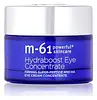 Key Ingredients
Benefits
Concerns
Ingredients Side-by-side
Water
Skin ConditioningCaprylic/Capric Triglyceride
Masking


Glycerin
Humectant
Propanediol
Solvent
Bis-Diglyceryl Polyacyladipate-2
Emollient
Niacinamide
Smoothing









Dicaprylyl Ether
Emollient
Cetearyl Glucoside
Emulsifying
Cetearyl Alcohol
Emollient


Cetyl Alcohol
Emollient
Isosorbide Dicaprylate
Skin ConditioningGlyceryl Stearate
Emollient
PEG-100 Stearate
Surfactant
Hydroxypropyl Cyclodextrin
MaskingPalmitoyl Tripeptide-38
Skin Conditioning
Saccharide Isomerate
Humectant
Sodium PCA
Humectant
Urea
Buffering
Trehalose
Humectant
Triacetin
AntimicrobialPolyquaternium-51
Skin Conditioning
Hyaluronic Acid
Humectant
Silanetriol
Phenoxyethanol
Preservative
Ethylhexylglycerin
Skin ConditioningSodium Acrylates Copolymer
Lecithin
Emollient
Polyacrylate-13
Polyisobutene
Tocopheryl Acetate
Antioxidant

Allantoin
Skin Conditioning
Panthenol
Skin Conditioning
Xanthan Gum
EmulsifyingSodium Hyaluronate
Humectant
Butylene Glycol
Humectant
Carbomer
Emulsion StabilisingPolysorbate 20
Emulsifying
Palmitoyl Oligopeptide
Cleansing
Palmitoyl Tetrapeptide-7
Skin Conditioning
Acetyl Hexapeptide-8
Humectant
Sodium Phytate
Aloe Barbadensis Leaf Extract
Emollient
Centella Asiatica Extract
Cleansing
Tamarindus Indica Seed Polysaccharide
Skin ConditioningWater, Caprylic/Capric Triglyceride, Glycerin, Propanediol, Bis-Diglyceryl Polyacyladipate-2, Niacinamide, Dicaprylyl Ether, Cetearyl Glucoside, Cetearyl Alcohol, Cetyl Alcohol, Isosorbide Dicaprylate, Glyceryl Stearate, PEG-100 Stearate, Hydroxypropyl Cyclodextrin, Palmitoyl Tripeptide-38, Saccharide Isomerate, Sodium PCA, Urea, Trehalose, Triacetin, Polyquaternium-51, Hyaluronic Acid, Silanetriol, Phenoxyethanol, Ethylhexylglycerin, Sodium Acrylates Copolymer, Lecithin, Polyacrylate-13, Polyisobutene, Tocopheryl Acetate, Allantoin, Panthenol, Xanthan Gum, Sodium Hyaluronate, Butylene Glycol, Carbomer, Polysorbate 20, Palmitoyl Oligopeptide, Palmitoyl Tetrapeptide-7, Acetyl Hexapeptide-8, Sodium Phytate, Aloe Barbadensis Leaf Extract, Centella Asiatica Extract, Tamarindus Indica Seed Polysaccharide
Water
Skin ConditioningGlycerin
Humectant
Propanediol
Solvent
Neopentyl Glycol Diheptanoate
EmollientDipentaerythrityl Hexa C5-9 Acid Esters
Skin ConditioningCetearyl Olivate
Cetearyl Alcohol
Emollient
Sorbitan Olivate
Emulsifying
Albizia Julibrissin Bark Extract
MaskingSigesbeckia Orientalis Extract
Skin ConditioningCaesalpinia Spinosa Fruit Extract
Skin ProtectingCamellia Sinensis Leaf Extract
Antimicrobial
Ginkgo Biloba Leaf Extract
Skin Conditioning
Hovenia Dulcis Fruit Extract
Skin ConditioningKappaphycus Alvarezii Extract
Skin ConditioningHyaluronic Acid
Humectant
Dipotassium Glycyrrhizate
Humectant
Sodium Hyaluronate
Humectant
Escin
TonicMenthyl Lactate
Masking
Acrylates/C10-30 Alkyl Acrylate Crosspolymer
Emulsion StabilisingButylene Glycol
Humectant
Dimethicone
Emollient
Potassium Hydroxide
BufferingSodium Metabisulfite
Antioxidant
Hydroxyacetophenone
Antioxidant
Potassium Sorbate
Preservative
Sodium Benzoate
Masking
Phenoxyethanol
Preservative
Mica
Cosmetic ColorantCI 77891
Cosmetic ColorantBenzyl Salicylate
Perfuming


Hexyl Cinnamal
Perfuming
Limonene
Perfuming
Linalool
Perfuming
Parfum
Masking
Water, Glycerin, Propanediol, Neopentyl Glycol Diheptanoate, Dipentaerythrityl Hexa C5-9 Acid Esters, Cetearyl Olivate, Cetearyl Alcohol, Sorbitan Olivate, Albizia Julibrissin Bark Extract, Sigesbeckia Orientalis Extract, Caesalpinia Spinosa Fruit Extract, Camellia Sinensis Leaf Extract, Ginkgo Biloba Leaf Extract, Hovenia Dulcis Fruit Extract, Kappaphycus Alvarezii Extract, Hyaluronic Acid, Dipotassium Glycyrrhizate, Sodium Hyaluronate, Escin, Menthyl Lactate, Acrylates/C10-30 Alkyl Acrylate Crosspolymer, Butylene Glycol, Dimethicone, Potassium Hydroxide, Sodium Metabisulfite, Hydroxyacetophenone, Potassium Sorbate, Sodium Benzoate, Phenoxyethanol, Mica, CI 77891, Benzyl Salicylate, Hexyl Cinnamal, Limonene, Linalool, Parfum
Ingredients Explained
These ingredients are found in both products.
Ingredients higher up in an ingredient list are typically present in a larger amount.
Butylene Glycol (or BG) is used within cosmetic products for a few different reasons:
Overall, Butylene Glycol is a safe and well-rounded ingredient that works well with other ingredients.
Though this ingredient works well with most skin types, some people with sensitive skin may experience a reaction such as allergic rashes, closed comedones, or itchiness.
Learn more about Butylene GlycolCetearyl alcohol is a waxy mixture of two fatty alcohols: cetyl alcohol and stearyl alcohol. It is an emollient and emulsifier.
Despite having "alcohol" in its name, it has nothing to do with drying solvent alcohols; the FDA also allows "alcohol-free" products to contain fatty alcohols like this ingredient.
It plays several roles in a formula:
Typical use levels for this ingredient sit around 1-10% and the Cosmetic Ingredient Review Expert Panel has affirmed safety at concentrations up to 25% in leave-on products.
Multiple assessments have found it to be non-irritating and non-sensitizing to most people.
However, there have been some cases of allergic contact dermatitis in patients with chronically compromised skin barriers.
Cetearyl alcohol has a comedogenic rating of 2 and irritancy rating of 1. Both of these numbers come from the 1989 study that used rabbit ears; a "2" means mildly comedogenic and a "1" means low irritancy.
Here's the catch: rabbit skin is more sensitive than human skin and throws a lot of false positives. A 1996 reappraisal found that ingredients rated 1-2 in the rabbit ear tests are generally safe for humans.
Remember comedogenic ratings are unable to assess the entire formula of a product or how it will react on your skin. Just be sure to patch test if you are unsure about certain ingredients.
This ingredient is not fungal acne safe. Cetearyl alcohol is a fatty alcohol with chain lengths that fall within the range that Malassezia can metabolize.
A 2019 study has also observed Malassezia growth in the presence of this ingredient, confirming it to be not-fungal acne safe.
Learn more about Cetearyl AlcoholGlycerin (or glycerol) is a compound naturally found in your skin. It's a powerhouse humectant that pulls water into the stratum corneum.
Topically, glycerin does several things at once:
Your skin makes glycerin on its own (mostly from sebaceous oil breakdown) and shuttles it to your outermost layer of skin, or your epidermis, via aquaporin-3.
Aquaporin-3 is a transporter that is essential for normal skin hydration, elasticity, and repair. Interestingly, mice lacking in AQP3 have dry and less elastic skin that can be fully corrected with glycerin.
This ingredient is non-irritating, plays well with almost every ingredient, and works across all skin types. Typical use is anywhere between 3-10% but can go up to 79% in some leave-on products.
Just know very high concentrations (>40%) can feel tacky in low humidity.
Glycerin is the name for this ingredient in American English. British English uses Glycerol/Glycerine.
Learn more about GlycerinHyaluronic acid (HA) is a glycosaminoglycan (basically a long sugar chain) that your skin already makes on its own. In your skin, HA lives in the extracellular matrix and acts as the body's moisture reservoir.
Topically, HA is a humectant that binds water and helps skin look more plump, smooth, and hydrated.
The only catch is that HA isn't a single thing; it actually comes in a wide range of molecular weights (~50 - 2,000+ kDA) and size matters.
Some clinical evidence links low molecular weight versions to improved wrinkle depth, elasticity, anti-inflammatory effects, and barrier repair.
This is why the best HA serums blend the two sizes together so you get the best of both worlds.
The majority of cosmetic HA is produced by bacterial fermentation, typically using Streptococcus or Bacillus strains. Typical use levels in skincare sit around 0.1-2%.
A clinical study using a 0.2% low-molecular weight HA gel showed improvement in facial seborrheic dermatitis with excellent tolerance.
These are some other common types of Hyaluronic Acid:
Learn more about Hyaluronic AcidPhenoxyethanol is a preservative that has germicide, antimicrobial, and aromatic properties. Studies show that phenoxyethanol can prevent microbial growth. By itself, it has a scent that is similar to that of a rose.
It's often used in formulations along with Caprylyl Glycol to preserve the shelf life of products.
Propanediol is an all-star ingredient. It softens, hydrates, and smooths the skin.
It’s often used to:
Propanediol is not likely to cause sensitivity and considered safe to use. It is derived from corn or petroleum with a clear color and no scent.
Learn more about PropanediolSodium Hyaluronate is the salt form of hyaluronic acid. It is a long sugar chain that is naturally found in your skin, joints, and connective tissue that maintains hydration and elasticity.
In skincare, it works as a humectant. It pulls water from the environment and deeper layers of skin and binds it to the surface.
Interestingly, the size of the molecule affects its behavior:
Some clinical evidence links low molecular weight versions to improved wrinkle depth, elasticity, anti-inflammatory effects, and barrier repair.
Many serums use a blend of both weights so you can get surface hydration plus longer-lasting and deeper effects.
You'll typically see concentrations between 0.1-2% for this ingredient.
Learn more about Sodium HyaluronateWater. It's the most common cosmetic ingredient of all. You'll usually see it at the top of ingredient lists, meaning that it makes up the largest part of the product.
So why is it so popular? Water most often acts as a solvent - this means that it helps dissolve other ingredients into the formulation.
You'll also recognize water as that liquid we all need to stay alive. If you see this, drink a glass of water. Remember to stay hydrated!
Learn more about Water
