
What's inside
What's inside
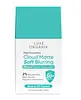 Key Ingredients
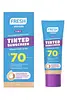
Benefits
Concerns
Ingredients Side-by-side
Water
Skin ConditioningCyclopentasiloxane
Emollient
Zinc Oxide
Cosmetic Colorant


Butyloctyl Salicylate
Skin Conditioning
Dimethicone
Emollient
Dipropylene Glycol
HumectantTitanium Dioxide
Cosmetic Colorant
Isododecane
EmollientCetyl PEG/PPG-10/1 Dimethicone
Emulsifying
PEG-10 Dimethicone
Skin Conditioning
Niacinamide
Smoothing









Polymethyl Methacrylate
Cyclomethicone
Emollient
Hydrogenated Polydecene
EmollientSilica
Abrasive
Propanediol
Solvent
Hydrogen Dimethicone
Dimethicone/Vinyl Dimethicone Crosspolymer
Skin Conditioning
Vinyl Dimethicone/Methicone Silsesquioxane Crosspolymer
Sodium Chloride
MaskingSorbitan Sesquioleate
Emulsifying

Aluminum Hydroxide
EmollientDisteardimonium Hectorite
StabilisingPolyhydroxystearic Acid
Emulsifying
Stearic Acid
Cleansing
Polyglyceryl-2 Triisostearate
Emulsifying
CI 77492
Cosmetic ColorantCaprylyl Glycol
Emollient
Ethylhexylglycerin
Skin ConditioningAdenosine
Skin Conditioning
CI 77491
Cosmetic ColorantBisabolol
Antioxidant
Quartz
Abrasive
Pentaerythrityl Tetra-Di-T-Butyl Hydroxyhydrocinnamate
Antioxidant
Butylene Glycol
Humectant
CI 77499
Cosmetic ColorantGlycerin
Humectant
1,2-Hexanediol
Skin Conditioning
Centella Asiatica Extract
Cleansing
Camellia Sinensis Leaf Extract
Antimicrobial
Lactobacillus Ferment
Skin Conditioning
Prunus Mume Fruit Extract
Humectant
Prunus Persica Leaf Extract
Emollient
Salix Nigra Bark Extract
Skin ProtectingMorus Alba Root Extract
BleachingCornus Officinalis Fruit Extract
Skin ConditioningGlycyrrhiza Glabra Root Extract
Bleaching
Artemisia Princeps Leaf Extract
Skin ConditioningHouttuynia Cordata Extract
Skin Conditioning
Citrus Junos Fruit Extract
Skin ConditioningAngelica Gigas Root Extract
Skin ConditioningPueraria Lobata Root Extract
HumectantScutellaria Baicalensis Root Extract
Astringent
Astragalus Membranaceus Root Extract
Emollient
Sophora Japonica Root Extract
Skin ProtectingPhenoxyethanol
Preservative
Beta-Glucan
Skin Conditioning
Asiaticoside
Antioxidant
Madecassic Acid
Skin Conditioning
Asiatic Acid
Skin Conditioning
Madecassoside
Antioxidant
Water, Cyclopentasiloxane, Zinc Oxide, Butyloctyl Salicylate, Dimethicone, Dipropylene Glycol, Titanium Dioxide, Isododecane, Cetyl PEG/PPG-10/1 Dimethicone, PEG-10 Dimethicone, Niacinamide, Polymethyl Methacrylate, Cyclomethicone, Hydrogenated Polydecene, Silica, Propanediol, Hydrogen Dimethicone, Dimethicone/Vinyl Dimethicone Crosspolymer, Vinyl Dimethicone/Methicone Silsesquioxane Crosspolymer, Sodium Chloride, Sorbitan Sesquioleate, Aluminum Hydroxide, Disteardimonium Hectorite, Polyhydroxystearic Acid, Stearic Acid, Polyglyceryl-2 Triisostearate, CI 77492, Caprylyl Glycol, Ethylhexylglycerin, Adenosine, CI 77491, Bisabolol, Quartz, Pentaerythrityl Tetra-Di-T-Butyl Hydroxyhydrocinnamate, Butylene Glycol, CI 77499, Glycerin, 1,2-Hexanediol, Centella Asiatica Extract, Camellia Sinensis Leaf Extract, Lactobacillus Ferment, Prunus Mume Fruit Extract, Prunus Persica Leaf Extract, Salix Nigra Bark Extract, Morus Alba Root Extract, Cornus Officinalis Fruit Extract, Glycyrrhiza Glabra Root Extract, Artemisia Princeps Leaf Extract, Houttuynia Cordata Extract, Citrus Junos Fruit Extract, Angelica Gigas Root Extract, Pueraria Lobata Root Extract, Scutellaria Baicalensis Root Extract, Astragalus Membranaceus Root Extract, Sophora Japonica Root Extract, Phenoxyethanol, Beta-Glucan, Asiaticoside, Madecassic Acid, Asiatic Acid, Madecassoside
Water
Skin ConditioningEthylhexyl Methoxycinnamate
UV Absorber
Benzophenone-3
UV Absorber
Butyl Methoxydibenzoylmethane
UV Absorber
Phospholipids
Skin Conditioning
Butylene Glycol
Humectant
Phenoxyethanol
Preservative
C15-19 Alkane
SolventTitanium Dioxide
Cosmetic Colorant
Aluminum Hydroxide
EmollientHydrogen Dimethicone
Caprylic/Capric Triglyceride
Masking
Isododecane
EmollientStearic Acid
Cleansing
Cetyl Alcohol
Emollient
Cyclopentasiloxane
Emollient
Glyceryl Stearate
Emollient
PEG-100 Stearate
Surfactant
Polyacrylate-13
Polyisobutene
Polysorbate 20
Emulsifying
Allantoin
Skin Conditioning
Soluble Collagen
Humectant
Sodium Benzoate
Masking
Citric Acid
Buffering
Sodium Hyaluronate
Humectant
CI 77499
Cosmetic ColorantCI 77491
Cosmetic ColorantCI 77492
Cosmetic ColorantIsopropyl Titanium Triisostearate
Emollient
Parfum
Masking


Menthol
Masking

Water, Ethylhexyl Methoxycinnamate, Benzophenone-3, Butyl Methoxydibenzoylmethane, Phospholipids, Butylene Glycol, Phenoxyethanol, C15-19 Alkane, Titanium Dioxide, Aluminum Hydroxide, Hydrogen Dimethicone, Caprylic/Capric Triglyceride, Isododecane, Stearic Acid, Cetyl Alcohol, Cyclopentasiloxane, Glyceryl Stearate, PEG-100 Stearate, Polyacrylate-13, Polyisobutene, Polysorbate 20, Allantoin, Soluble Collagen, Sodium Benzoate, Citric Acid, Sodium Hyaluronate, CI 77499, CI 77491, CI 77492, Isopropyl Titanium Triisostearate, Parfum, Menthol
Reviews
Ingredients Explained
These ingredients are found in both products.
Ingredients higher up in an ingredient list are typically present in a larger amount.
Aluminum Hydroxide is a form of aluminum. It can be naturally found in nature as the mineral gibbsite. In cosmetics, Aluminum Hydroxide is used as a colorant, pH adjuster, and absorbent.
As a colorant, Aluminum Hydroxide may add opacity, or reduce the transparency. Aluminum hydroxide is contains both basic and acidic properties.
According to manufacturers, this ingredient is an emollient and humectant. This means it helps hydrate the skin.
In medicine, this ingredient is used to help relieve heartburn and help heal ulcers.
There is currently no credible scientific evidence linking aluminum hydroxide in cosmetics to increased cancer risk.
Major health organizations allow the use of aluminum hydroxide in personal care products and have not flagged it as a carcinogenic risk at typical usage levels.
Learn more about Aluminum HydroxideButylene Glycol (or BG) is used within cosmetic products for a few different reasons:
Overall, Butylene Glycol is a safe and well-rounded ingredient that works well with other ingredients.
Though this ingredient works well with most skin types, some people with sensitive skin may experience a reaction such as allergic rashes, closed comedones, or itchiness.
Learn more about Butylene GlycolCi 77491 is also hydrated iron III oxide. It's sole purpose is to give a red/pink hue to products.
Iron III oxides are classified as inorganic chemicals for coloring.
Synthetically created Ci 77491 is considered safer than those naturally found. This is because the synthetically created version may contain less impurities. Iron oxides are generally non-toxic and non-allergenic.
Learn more about CI 77491CI 77492 is also hydrated iron III oxide. It's sole purpose is to give a yellow hue to products.
Iron III oxides are classified as inorganic chemicals for coloring.
Synthetically created CI 77492 is considered safer than those naturally found. This is because the synthetically created version may contain less impurities. Iron oxides are generally non-toxic and non-allergenic.
Learn more about CI 77492Ci 77499 is also hydrated iron III oxide. It is created from mixing red and black iron oxides. This helps give shades of darkness to a product.
Iron III oxides are classified as inorganic chemicals for coloring.
Cyclopentasiloxane (D5) is a lightweight silicone that mostly acts as an emollient and solvent in cosmetics. Its the reason your products feel silky, fast-spreading, and non-greasy.
Since D5 is volatile, it does its thing and then evaporates off the skin quickly.
The safety profile of this ingredient is reassuring; the US CIR Expert Panel concluded D5 is safe as used in cosmetics and Health Canada concluded that D5 is not harmful to human health or the environment as currently used in cosmetics
There's a study that people mention about D5 in a rat study showing tumors. This study is related to long-term inhalation of high D5 levels.
Regulatory bodies have judged this study to be not applicable in topical skincare since skin absorption of D5 is very low and we're not really inhaling huge amounts of D5.
The only restriction for this ingredient is environmental. The European Chemicals Agency (ECHA) restricted D5 in wash-off cosmetics at or above 0.1% due to their persistence in water.
Learn more about CyclopentasiloxaneHydrogen dimethicone is a silicone-based ingredient. It is mainly used to alter the texture and spread of a product without adding "stickiness".
Isododecane is a fragrance, emollient, and solvent.
As an emollient, it helps your skin stay soft and hydrated. Emollients help trap moisture into your skin.
Isododecane's role as a solvent makes it a great texture enhancer. It spreads smoothly on skin and does not leave a sticky feeling behind. Isododecane also helps prevent color transfer in makeup products.
Isododecane is not absorbed into skin.
The chemical name for this ingredient is 2,2,4,6,6-PENTAMETHYLHEPTANE.
Learn more about IsododecanePhenoxyethanol is a preservative that has germicide, antimicrobial, and aromatic properties. Studies show that phenoxyethanol can prevent microbial growth. By itself, it has a scent that is similar to that of a rose.
It's often used in formulations along with Caprylyl Glycol to preserve the shelf life of products.
Stearic Acid is a fatty acid that is already found in your skin. It's one of the free fatty acids that works alongside ceramides and cholesterols to maintain your barrier.
In cosmetics, it is a multitasker:
Safety-wise, the CIR Expert Panel has concluded it to be safe in cosmetics when formulated to be non-irritating and non-sensitizing.
Free stearic acid is a C18 fatty acid that the Malassezia yeast can substrate, so this ingredient may not be fungal acne safe.
Learn more about Stearic AcidTitanium dioxide is a mineral UV filter widely used in sunscreens and cosmetics.
It is one of only two UV filters officially classified as “mineral” by regulatory agencies, the other being zinc oxide.
Titanium dioxide provides broad-spectrum protection mostly in the UVB and UVAII range, with some protection in the UVAI range.
While its UVA protection isn’t as strong as zinc oxide’s, the difference is minor.
A common myth is that mineral UV filters reflect UV light. However, modern research shows titanium dioxide absorbs UV radiation like chemical filters (~95% absorption & 5% reflection).
Thanks to its non-irritating nature, titanium dioxide is suitable for sensitive, acne-prone, or redness-prone skin. It is unlikely to cause "eye sting" like other sunscreen ingredients.
A major drawback of this ingredient is its white cast and thick texture. This is why mineral sunscreens often leave a white cast and are less cosmetically elegant than chemical/hybrid sunscreens.
To improve white cast and spreadability, micronized or nano-sized titanium dioxide is often used.
There are ongoing concerns surrounding nano-titanium oxide's impact on marine ecosystems.
There is no conclusive evidence that any form of titanium oxide (or any other sunscreen ingredients) will cause harm to marine ecosystems or coral reefs. The science is still developing but many consumers are keeping a close eye on this issue.
Please note, many destinations have reef-safety sunscreen rules. For instance, the U.S. Virgin Islands advises all visitors to use non-nano mineral sunscreens.
Nano mineral sunscreens once raised safety concerns about absorption into skin.
Extensive research has shown that they do not penetrate healthy or damaged skin; they remain safely on the surface and the top layer of dead skin (stratum corneum).
You'll likely find titanium dioxide bundled with alumina, silica, or dimethicone. These ingredients help make titanium dioxide highly photostable; this prevents it from interacting with other formula components under UV light.
Learn more about Titanium DioxideWater. It's the most common cosmetic ingredient of all. You'll usually see it at the top of ingredient lists, meaning that it makes up the largest part of the product.
So why is it so popular? Water most often acts as a solvent - this means that it helps dissolve other ingredients into the formulation.
You'll also recognize water as that liquid we all need to stay alive. If you see this, drink a glass of water. Remember to stay hydrated!
Learn more about Water
