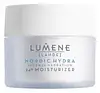
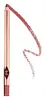
Lumene Nordic Hydra Intense Hydration 24 Hour Moisturizer Versus Charlotte Tilbury Lip Cheat Lip Liner
This barrier-repair moisturizer is formulated around Butyrospermum Parkii Butter and Saccharide Isomerate to strengthen the skin barrier and hydrate skin.


What's inside
What's inside
 Key Ingredients
Benefits
Concerns
Ingredients Side-by-side
Water
Skin ConditioningCaprylic/Capric Triglyceride
Masking


Butyrospermum Parkii Butter
Skin Conditioning




Glycerin
Humectant
Hydrogenated Polydecene
EmollientBetula Alba Juice
AstringentButylene Glycol
Humectant
Aluminum Starch Octenylsuccinate
Absorbent
Dimethicone
Emollient
Phenoxyethanol
Preservative
Ammonium Acryloyldimethyltaurate/Vp Copolymer
Betaine
Humectant
Saccharide Isomerate
Humectant
Tocopheryl Acetate
Antioxidant


Undecane
EmollientXylitylglucoside
Humectant
Ceteth-20
CleansingCetyl Alcohol
Emollient
Glyceryl Stearate
Emollient
PEG-75 Stearate
Surfactant
Steareth-20
CleansingPropanediol
Solvent
Anhydroxylitol
Humectant
Trehalose
Humectant
Tridecane
Perfuming

Urea
Buffering

Xylitol
Humectant
Ethylhexylglycerin
Skin ConditioningAllantoin
Skin Conditioning
PEG-8
HumectantPentylene Glycol
Skin Conditioning
Serine
Masking
Disodium EDTA
Tocopherol
Antioxidant
Citric Acid
Buffering
Sodium Citrate
BufferingAlgin
Masking
Caprylyl Glycol
Emollient
Disodium Phosphate
BufferingGlyceryl Polyacrylate
Pullulan
Sodium Hyaluronate
Humectant
Ascorbyl Palmitate
Antioxidant
Sodium Hydroxide
BufferingPotassium Phosphate
BufferingAscorbic Acid
Antioxidant
Helianthus Annuus Seed Oil
Emollient
Linalool
Perfuming

Benzyl Salicylate
Perfuming
Alpha-Isomethyl Ionone
Perfuming
Limonene
Perfuming
Citronellol
Perfuming
Parfum
Masking
Water, Caprylic/Capric Triglyceride, Butyrospermum Parkii Butter, Glycerin, Hydrogenated Polydecene, Betula Alba Juice, Butylene Glycol, Aluminum Starch Octenylsuccinate, Dimethicone, Phenoxyethanol, Ammonium Acryloyldimethyltaurate/Vp Copolymer, Betaine, Saccharide Isomerate, Tocopheryl Acetate, Undecane, Xylitylglucoside, Ceteth-20, Cetyl Alcohol, Glyceryl Stearate, PEG-75 Stearate, Steareth-20, Propanediol, Anhydroxylitol, Trehalose, Tridecane, Urea, Xylitol, Ethylhexylglycerin, Allantoin, PEG-8, Pentylene Glycol, Serine, Disodium EDTA, Tocopherol, Citric Acid, Sodium Citrate, Algin, Caprylyl Glycol, Disodium Phosphate, Glyceryl Polyacrylate, Pullulan, Sodium Hyaluronate, Ascorbyl Palmitate, Sodium Hydroxide, Potassium Phosphate, Ascorbic Acid, Helianthus Annuus Seed Oil, Linalool, Benzyl Salicylate, Alpha-Isomethyl Ionone, Limonene, Citronellol, Parfum
Cyclopentasiloxane
Emollient
Synthetic Wax
Abrasive
Isododecane
EmollientPolybutene
Hydrogenated Cottonseed Oil
Emollient
Mica
Cosmetic ColorantCeresin
Emulsion StabilisingOzokerite
Emulsion StabilisingCera Microcristallina
Emulsion StabilisingEthylhexyl Palmitate
Emollient
Simmondsia Chinensis Seed Oil
Emollient
Tocopherol
Antioxidant
Ascorbyl Palmitate
Antioxidant
Silica Dimethyl Silylate
EmollientButylene Glycol
Humectant
Caprylyl Glycol
Emollient
Sodium Hyaluronate
Humectant
Hexylene Glycol
EmulsifyingPhenoxyethanol
Preservative
CI 77891
Cosmetic ColorantIron Oxides
CI 15850
Cosmetic ColorantCyclopentasiloxane, Synthetic Wax, Isododecane, Polybutene, Hydrogenated Cottonseed Oil, Mica, Ceresin, Ozokerite, Cera Microcristallina, Ethylhexyl Palmitate, Simmondsia Chinensis Seed Oil, Tocopherol, Ascorbyl Palmitate, Silica Dimethyl Silylate, Butylene Glycol, Caprylyl Glycol, Sodium Hyaluronate, Hexylene Glycol, Phenoxyethanol, CI 77891, Iron Oxides, CI 15850
Reviews
Ingredients Explained
These ingredients are found in both products.
Ingredients higher up in an ingredient list are typically present in a larger amount.
Ascorbyl Palmitate is a fat-soluble form of vitamin C (Ascorbic Acid) made by combining it with palmitic acid.
It is able to blend easily into creams and oil-based formulas because it dissolves in oils rather than water.
As you may know, regular vitamin C is notorious for breaking down when exposed to sunlight and air. Ascorbyl Palmitate is more stable and degrades at a slower rate.
Research on whether it converts efficiently into active vitamin C once it's applied on your skin is still limited.
Some in-vitro studies suggest it may support collagen production, but it is not considered one of the stronger vitamin C derivatives, like:
Due to the palmitic acid base, this ingredient may not be fungal acne safe. Comedogenic studies have also shown this ingredient to have a rating of 2.
It's also worth keeping in mind that comedogenic and irritancy ratings are tested on individual ingredients, not finished formulas. The final product's formulation, concentration, and other ingredients all play a role in how something actually behaves on your skin.
Learn more about Ascorbyl PalmitateButylene Glycol (or BG) is used within cosmetic products for a few different reasons:
Overall, Butylene Glycol is a safe and well-rounded ingredient that works well with other ingredients.
Though this ingredient works well with most skin types, some people with sensitive skin may experience a reaction such as allergic rashes, closed comedones, or itchiness.
Learn more about Butylene GlycolCaprylyl Glycol is a humectant, skin conditioner, emollient, and preservative booster derived from either caprylic acid or synthetically created.
Typical use levels vary from 0.3-1% as a preservative booster and go up to 2% to condition skin.
Because it is not a free-fatty acid, this ingredient is fungal acne safe (there's nothing for Malassezia to feed on).
Learn more about Caprylyl GlycolPhenoxyethanol is one of the most widely used preservatives in skincare (and for good reason!).
It has a large spectrum of antimicrobial activity and especially effective bacteria, yeast, and mold while only having a weak effect on your skin's natural microbiome.
On a cellular level, it disrupts the cell membranes of microbes by poking holes that make the cell leak. This shuts down the chemical reactions the microbe needs to make energy so it can no longer survive.
Another perk of this ingredient is that it stays functional across a wide pH range (3-10).
You'll often see it paired with boosters like Ethylhexylglycerin; one study showed that a 1:9 ratio of Ethylhexylglycerin to Phenoxyethanol damages bacterial membranes as effectively as doubling the Phenoxyethanol concentration on its own.
Typical use concentrations range from 0.3-1% depending on the formula, and this ingredient is capped at 1% int the EU.
Safety-wise, the fear mongering does not hold up to the evidence. The EU's Scientific Committee on Consumer Safety and FDA consider it safe as a preservative at up to 1%, including for children of all ages.
Adverse systemic effects only showed up in animal studies at exposures roughly 200x higher than what people get from cosmetics. And despite its very widespread use, this ingredient is a rare sensitizer and allergic reactions are uncommon.
Learn more about PhenoxyethanolSodium Hyaluronate is the salt form of hyaluronic acid. It is a long sugar chain that is naturally found in your skin, joints, and connective tissue that maintains hydration and elasticity.
In skincare, it works as a humectant. It pulls water from the environment and deeper layers of skin and binds it to the surface.
Interestingly, the size of the molecule affects its behavior:
Some clinical evidence links low molecular weight versions to improved wrinkle depth, elasticity, anti-inflammatory effects, and barrier repair.
Many serums use a blend of both weights so you can get surface hydration plus longer-lasting and deeper effects.
You'll typically see concentrations between 0.1-2% for this ingredient.
Learn more about Sodium HyaluronateTocopherol is a fat-soluble antioxidant known as Vitamin E.
You'll find this ingredient in the vast majority of skincare (for good reason). It works to neutralize free radicals, or unstable molecules generated by UV exposure, pollution, and other environmental stressors, before they can cause oxidative damage to your skin cells.
Topically applied tocopherol has been shown to protect against UV damage by ramping up the skin's own natural defense enzymes.
It also acts as a skin conditioning agent; some studies show that regular topical use can improve the skin's water-binding capacity over 2-4 weeks.
This ingredient is especially loved for being a team player. When combined with Vitamin C, the photoprotective effect of both ingredients roughly doubles and the combo also helps reduce UV-induced DNA damage.
This ingredient has some brightening potential but it's more of a prevention ingredient than spot-fader. Cell studies show it can slow down melanin production but it's worth noting that it's not the most powerful brightener out there.
In formulations, it also serves as a stabilizer that helps protect other oxidation-prone ingredients from degrading.
Concentrations usually range from 0.1-1% in most leave-on products.
Learn more about Tocopherol

