Lumene Arktis Arctic Hydra Care Moisture and Relief Rich Night Balm Versus Lumene Nordic-C [Valo] Glow Renew Night Cream
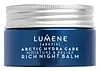
This calming night moisturizer is formulated around Butyrospermum Parkii Butter and Avena Sativa Kernel Oil to calm redness and hydrate skin.
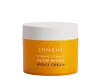
This brightening night moisturizer is formulated around Ascorbyl Tetraisopalmitate and Niacinamide to brighten dull-looking skin.

What's inside
What's inside
 Key Ingredients
Benefits
Concerns
Ingredients Side-by-side
Water
Skin ConditioningGlycerin
Humectant


Butyrospermum Parkii Butter
Skin Conditioning




Oleyl Erucate
Emollient
Propanediol
Solvent
Canola Oil
Emollient
Myristyl Myristate
Emollient
Shea Butter Ethyl Esters
Emollient
Betaine
Humectant
Vaccinium Myrtillus Fruit Juice
Skin ConditioningC12-16 Alcohols
EmollientCetyl Alcohol
Emollient

Glyceryl Stearate
Emollient
Avena Sativa Kernel Oil
Skin Conditioning
Hydrogenated Oat Kernel Oil
Emollient
Vaccinium Myrtillus Seed Oil
Skin Conditioning
Hydrogenated Lecithin
Emulsifying
Palmitic Acid
Emollient
Tocopherol
Antioxidant




Phenoxyethanol
Preservative
Saccharide Isomerate
Humectant
Helianthus Annuus Seed Oil
Emollient
Sodium Lauroyl Lactylate
EmulsifyingCetyl Hydroxyethylcellulose
Emulsion StabilisingSclerotium Gum
Emulsion StabilisingSodium Gluconate
ChelatingEthylhexylglycerin
Skin ConditioningCeramide NP
Skin Conditioning
Ceramide AP
Skin Conditioning
Phytosphingosine
Skin Conditioning
Cholesterol
Emollient
Citric Acid
Buffering
Sodium Citrate
BufferingSodium Carrageenan
Emulsion StabilisingXanthan Gum
EmulsifyingCarbomer
Emulsion StabilisingMaris Sal
Skin ConditioningRosmarinus Officinalis Leaf Extract
AntimicrobialCeramide EOP
Skin Conditioning
Water, Glycerin, Butyrospermum Parkii Butter, Oleyl Erucate, Propanediol, Canola Oil, Myristyl Myristate, Shea Butter Ethyl Esters, Betaine, Vaccinium Myrtillus Fruit Juice, C12-16 Alcohols, Cetyl Alcohol, Glyceryl Stearate, Avena Sativa Kernel Oil, Hydrogenated Oat Kernel Oil, Vaccinium Myrtillus Seed Oil, Hydrogenated Lecithin, Palmitic Acid, Tocopherol, Phenoxyethanol, Saccharide Isomerate, Helianthus Annuus Seed Oil, Sodium Lauroyl Lactylate, Cetyl Hydroxyethylcellulose, Sclerotium Gum, Sodium Gluconate, Ethylhexylglycerin, Ceramide NP, Ceramide AP, Phytosphingosine, Cholesterol, Citric Acid, Sodium Citrate, Sodium Carrageenan, Xanthan Gum, Carbomer, Maris Sal, Rosmarinus Officinalis Leaf Extract, Ceramide EOP
Water
Skin ConditioningPrunus Amygdalus Dulcis Oil
Skin Conditioning
Cetearyl Alcohol
Emollient
Propanediol
Solvent
Olus Oil
Emollient
Glycerin
Humectant
Vaccinium Myrtillus Fruit Juice
Skin ConditioningOctyldodecyl Myristate
EmollientVitis Vinifera Seed Oil
Emollient
Hydrogenated Ethylhexyl Olivate
EmollientHydrogenated Olive Oil Unsaponifiables
Emollient
Cetyl Palmitate
Emollient
Cetearyl Glucoside
Emulsifying
Ascorbyl Tetraisopalmitate
Antioxidant
Niacinamide
Smoothing




Oleyl Erucate
Emollient
Silica
Abrasive
Sodium Stearoyl Glutamate
CleansingRubus Chamaemorus Seed Oil
Skin Conditioning
Rubus Chamaemorus Seed Extract
Skin ConditioningHydrogenated Olive Oil
Skin Conditioning
Saccharide Isomerate
Humectant
Dicaprylyl Ether
Emollient
Heptyl Undecylenate
EmollientPentylene Glycol
Skin Conditioning
Olea Europaea Fruit Oil
Masking
Sodium Polyglutamate
HumectantTocopheryl Acetate
Antioxidant
Ethylhexylglycerin
Skin ConditioningHydroxyacetophenone
Antioxidant
Microcrystalline Cellulose
AbsorbentAcacia Senegal Gum
MaskingPhenoxyethanol
Preservative
Xanthan Gum
EmulsifyingGlycine Soja Oil
Emollient
Allantoin
Skin Conditioning
Sodium Hyaluronate
Humectant
Olea Europaea Oil Unsaponifiables
Skin Conditioning
Lactic Acid
Buffering
Tocopherol
Antioxidant
Cellulose Gum
Emulsion StabilisingDisodium EDTA
ChelatingAdenosine
Skin Conditioning
Biosaccharide Gum-1
Humectant
Helianthus Annuus Seed Oil
Emollient
Citric Acid
Buffering
Sodium Citrate
BufferingRosmarinus Officinalis Leaf Extract
AntimicrobialLimonene
Perfuming
Citrus Aurantium Peel Oil
Tetramethyl Acetyloctahydronaphthalenes
Masking
Linalool
Perfuming
Citral
Perfuming
Pinene
Masking
Parfum
Masking
Water, Prunus Amygdalus Dulcis Oil, Cetearyl Alcohol, Propanediol, Olus Oil, Glycerin, Vaccinium Myrtillus Fruit Juice, Octyldodecyl Myristate, Vitis Vinifera Seed Oil, Hydrogenated Ethylhexyl Olivate, Hydrogenated Olive Oil Unsaponifiables, Cetyl Palmitate, Cetearyl Glucoside, Ascorbyl Tetraisopalmitate, Niacinamide, Oleyl Erucate, Silica, Sodium Stearoyl Glutamate, Rubus Chamaemorus Seed Oil, Rubus Chamaemorus Seed Extract, Hydrogenated Olive Oil, Saccharide Isomerate, Dicaprylyl Ether, Heptyl Undecylenate, Pentylene Glycol, Olea Europaea Fruit Oil, Sodium Polyglutamate, Tocopheryl Acetate, Ethylhexylglycerin, Hydroxyacetophenone, Microcrystalline Cellulose, Acacia Senegal Gum, Phenoxyethanol, Xanthan Gum, Glycine Soja Oil, Allantoin, Sodium Hyaluronate, Olea Europaea Oil Unsaponifiables, Lactic Acid, Tocopherol, Cellulose Gum, Disodium EDTA, Adenosine, Biosaccharide Gum-1, Helianthus Annuus Seed Oil, Citric Acid, Sodium Citrate, Rosmarinus Officinalis Leaf Extract, Limonene, Citrus Aurantium Peel Oil, Tetramethyl Acetyloctahydronaphthalenes, Linalool, Citral, Pinene, Parfum
Ingredients Explained
These ingredients are found in both products.
Ingredients higher up in an ingredient list are typically present in a larger amount.
Citric Acid is an alpha hydroxy acid (AHA) naturally found in citrus fruits like oranges, lemons, and limes.
Like other AHAs, citric acid can exfoliate skin by breaking down the bonds that hold dead skin cells together. This helps reveal smoother and brighter skin underneath.
However, this exfoliating effect only happens at high concentrations (20%) which can be hard to find in cosmetic products.
Due to this, citric acid is usually included in small amounts as a pH adjuster. This helps keep products slightly more acidic and compatible with skin's natural pH.
In skincare formulas, citric acid can:
While it can provide some skin benefits, research shows lactic acid and glycolic acid are generally more effective and less irritating exfoliants.
Most citric acid used in skincare today is made by fermenting sugars (usually from molasses). This synthetic version is identical to the natural citrus form but easier to stabilize and use in formulations.
Rosacea skin has a lower threshold for acids generally, with 62.5% of rosacea subjects in one study reacting to lactic acid in a sting test. This is why we mark citric acid as a potential rosacea trigger.
However, this ingredient shows up as a pH adjuster or chelator at roughly 0.1-1% in many products. These low levels are unlikely to be an issue for rosacea skin and becomes a potential trigger at exfoliating concentrations (20%). Because everybody's skin is unique, we recommend a patch test if you are unsure.
Learn more about Citric AcidEthylhexylglycerin is created from glycerin. It is a multitasker ingredient that:
The CIR Expert Panel found minimal skin absorption or sensitization of any kind in a safety assessment. Though this ingredient is considered well-tolerated, a small number of cases of allergic dermatitis have been published since 2002. Just be sure to patch test if you are unsure.
Industry-reported use ranges from 8% in rinse-off products and 2% in leave-on formulations.
Learn more about EthylhexylglycerinGlycerin (or glycerol) is a compound naturally found in your skin. It's a powerhouse humectant that pulls water into the stratum corneum.
Topically, glycerin does several things at once:
Your skin makes glycerin on its own (mostly from sebaceous oil breakdown) and shuttles it to your outermost layer of skin, or your epidermis, via aquaporin-3.
Aquaporin-3 is a transporter that is essential for normal skin hydration, elasticity, and repair. Interestingly, mice lacking in AQP3 have dry and less elastic skin that can be fully corrected with glycerin.
This ingredient is non-irritating, plays well with almost every ingredient, and works across all skin types. Typical use is anywhere between 3-10% but can go up to 79% in some leave-on products.
Just know very high concentrations (>40%) can feel tacky in low humidity.
Glycerin is the name for this ingredient in American English. British English uses Glycerol/Glycerine.
Learn more about GlycerinHelianthus Annuus Seed Oil is a plant oil derived from the seeds of a sunflower.
It is rich in fatty acids, primarily linoleic acid and oleic acid. This gives it emollient and skin conditioning properties.
The reason this ingredient is so effective is because it forms a thin film on the skin that reduces transepidermal water loss (TEWL) while supplying linoleic acid to the stratum corneum to improve barrier strength.
The high linoleic acid content is particularly noteworthy for acne-prone skin.
Research suggests that acne-prone skin tends to be deficient in linoleic acid in sebum. Topical application may help replenish this to support a healthier follicular environment and less comedone-promoting sebum.
One randomized study found sunflower seed oil preserved skin barrier integrity in adult volunteers with and without atopic dermatitis (outperforming olive oil).
This ingredient is well-studied, gentle, and an effective emollient suitable for most skin types.
On fungal acne: This ingredient may not be Fungal acne (Malassezia folliculitis) safe. This is because it contains fatty acids with carbon chain lengths in the C11-C24 range.
Learn more about Helianthus Annuus Seed OilOleyl Erucate is created from oleyl alcohol and erucic acid. It mainly functions as an emollient.
Emollients help soften and hydrate the skin by forming a lightweight film on skin that reduces water loss and improves feel.
In some cases, Oleyl Erucate is used as a solvent or dispersing agent to help make formulations easier to spread.
This ingredient may not be fungal acne safe.
Learn more about Oleyl ErucatePhenoxyethanol is one of the most widely used preservatives in skincare (and for good reason!).
It has a large spectrum of antimicrobial activity and especially effective bacteria, yeast, and mold while only having a weak effect on your skin's natural microbiome.
On a cellular level, it disrupts the cell membranes of microbes by poking holes that make the cell leak. This shuts down the chemical reactions the microbe needs to make energy so it can no longer survive.
Another perk of this ingredient is that it stays functional across a wide pH range (3-10).
You'll often see it paired with boosters like Ethylhexylglycerin; one study showed that a 1:9 ratio of Ethylhexylglycerin to Phenoxyethanol damages bacterial membranes as effectively as doubling the Phenoxyethanol concentration on its own.
Typical use concentrations range from 0.3-1% depending on the formula, and this ingredient is capped at 1% int the EU.
Safety-wise, the fear mongering does not hold up to the evidence. The EU's Scientific Committee on Consumer Safety and FDA consider it safe as a preservative at up to 1%, including for children of all ages.
Adverse systemic effects only showed up in animal studies at exposures roughly 200x higher than what people get from cosmetics. And despite its very widespread use, this ingredient is a rare sensitizer and allergic reactions are uncommon.
Learn more about PhenoxyethanolPropanediol is an all-star ingredient. It softens, hydrates, and smooths the skin.
It’s often used to:
Propanediol is not likely to cause sensitivity and considered safe to use. It is derived from corn or petroleum with a clear color and no scent.
Learn more about PropanediolThis is a botanical extract from the rosemary plant (the same one you cook with). In skincare, it mostly works as a skin conditioning agent.
Its activity comes from a handful of polyphenols, carnosic acid, carnosol, and rosmarinic acid. Almost 90% of the antioxidant activity of this ingredient can be attributed to canosol and carnosic acid.
These compounds protect your skin two ways:
1) They fight off free radicals, or the unstable molecules from things like sun and pollution that age and damage skin.
2) They help calm inflammation by switching off the chemical signals that tell skin to get red and irritated.
Lab studies also suggest that rosmarinic acid may help protect collagen and slow sugar-related damage to it.
The Cosmetic Ingredient Review has concluded rosemary-derived ingredients to be safe when formulated to be non-sensitizing.
Rosemary can occasionally cause allergic contact dermatitis (due to carnosol), so be sure to patch test if you have reactive or fragrance-sensitive skin.
Learn more about Rosmarinus Officinalis Leaf ExtractSaccharide Isomerate comes from sugars found in corn. It is a skin hydrator.
The structure of this ingredient can be altered to be more similar to the carbohydrates found in our skin. This ability to mimic our skin gives it hydrating properties.
Specifically, saccharide Isomerate is a humectant. Humectants draw moisture from the air to our skin.
Research shows Saccharide Isomerate to be an effective moisturizer.
Learn more about Saccharide IsomerateSodium Citrate is the sodium salts of citric acid. In skincare, it is used to alter pH levels and acts as a preservative.
Its main functions are to maintain the pH of a product and neutralize metal ions.
The acidity of our skin is maintained by our glands and skin biome; normal pH level of skin is slightly acidic (~4.75-5.5).
Being slightly acidic allows our skin to create an "acid mantle". This acid mantle is a thin barrier that protects our skin from bacteria and contaminants.
Learn more about Sodium CitrateTocopherol is a fat-soluble antioxidant known as Vitamin E.
You'll find this ingredient in the vast majority of skincare (for good reason). It works to neutralize free radicals, or unstable molecules generated by UV exposure, pollution, and other environmental stressors, before they can cause oxidative damage to your skin cells.
Topically applied tocopherol has been shown to protect against UV damage by ramping up the skin's own natural defense enzymes.
It also acts as a skin conditioning agent; some studies show that regular topical use can improve the skin's water-binding capacity over 2-4 weeks.
This ingredient is especially loved for being a team player. When combined with Vitamin C, the photoprotective effect of both ingredients roughly doubles and the combo also helps reduce UV-induced DNA damage.
This ingredient has some brightening potential but it's more of a prevention ingredient than spot-fader. Cell studies show it can slow down melanin production but it's worth noting that it's not the most powerful brightener out there.
In formulations, it also serves as a stabilizer that helps protect other oxidation-prone ingredients from degrading.
Concentrations usually range from 0.1-1% in most leave-on products.
Learn more about TocopherolWe don't have a description for Vaccinium Myrtillus Fruit Juice yet.
Water. It's the most common cosmetic ingredient of all. You'll usually see it at the top of ingredient lists, meaning that it makes up the largest part of the product.
So why is it so popular? Water most often acts as a solvent - this means that it helps dissolve other ingredients into the formulation.
You'll also recognize water as that liquid we all need to stay alive. If you see this, drink a glass of water. Remember to stay hydrated!
Learn more about WaterXanthan gum is used as a stabilizer and thickener within cosmetic products. It helps give products a sticky, thick feeling - preventing them from being too runny.
On the technical side of things, xanthan gum is a polysaccharide - a combination consisting of multiple sugar molecules bonded together.
Xanthan gum is a pretty common and great ingredient. It is a natural, non-toxic, non-irritating ingredient that is also commonly used in food products.
Learn more about Xanthan Gum

