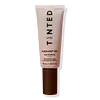
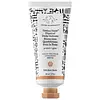
Live Tinted Hueguard Skin Tint SPF 50 Mineral Sunscreen Broad Spectrum Versus Drunk Elephant Umbra Tinte Physical Daily Defense SPF 30

What's inside
What's inside
 Key Ingredients
Benefits
Concerns
Ingredients Side-by-side
Zinc Oxide 9.5%
Cosmetic Colorant


Allantoin
Skin Conditioning




Aluminum Hydroxide
EmollientAscorbyl Palmitate
Antioxidant






Bisabolol
Masking
Buddleja Davidii Callus Extract
Butyloctyl Salicylate
Skin Conditioning
C12-15 Alkyl Benzoate
AntimicrobialC13-15 Alkane
SolventCaprylic/Capric Triglyceride
Masking
Caprylyl Glycol
Emollient
Citric Acid
Buffering


Coco-Caprylate
Emollient
Crocus Sativus Flower Extract
MaskingDisteardimonium Hectorite
StabilisingGlycerin
Humectant
Hippophae Rhamnoides Seed Oil
Skin Protecting
Hydrogenated Lecithin
Emulsifying
Hydrolyzed Sodium Hyaluronate
Skin Conditioning
Iron Oxides
Isoamyl Laurate
Emollient
Lecithin
Emollient
Methylpropanediol
SolventPhenylpropanol
Masking
Physalis Pubescens Fruit Juice
Skin ConditioningPolyglyceryl-3 Polyricinoleate
Emulsifying
Polyglyceryl-4 Diisostearate/Polyhydroxystearate/Sebacate
Emulsifying
Pyrus Malus Fruit Extract
Skin Conditioning
Silica
Abrasive

Silica Silylate
EmollientSodium Chloride
Masking

Sodium Hyaluronate
Humectant
CI 77891
Cosmetic ColorantTocopherol
Antioxidant
Water
Skin ConditioningWithania Somnifera Root Extract
Skin Conditioning
Xanthan Gum
EmulsifyingZinc Oxide 9.5%, Allantoin, Aluminum Hydroxide, Ascorbyl Palmitate, Bisabolol, Buddleja Davidii Callus Extract, Butyloctyl Salicylate, C12-15 Alkyl Benzoate, C13-15 Alkane, Caprylic/Capric Triglyceride, Caprylyl Glycol, Citric Acid, Coco-Caprylate, Crocus Sativus Flower Extract, Disteardimonium Hectorite, Glycerin, Hippophae Rhamnoides Seed Oil, Hydrogenated Lecithin, Hydrolyzed Sodium Hyaluronate, Iron Oxides, Isoamyl Laurate, Lecithin, Methylpropanediol, Phenylpropanol, Physalis Pubescens Fruit Juice, Polyglyceryl-3 Polyricinoleate, Polyglyceryl-4 Diisostearate/Polyhydroxystearate/Sebacate, Pyrus Malus Fruit Extract, Silica, Silica Silylate, Sodium Chloride, Sodium Hyaluronate, CI 77891, Tocopherol, Water, Withania Somnifera Root Extract, Xanthan Gum
Water
Skin ConditioningZinc Oxide
Cosmetic Colorant
Caprylic/Capric Triglyceride
Masking
Dicaprylyl Carbonate
EmollientGlycerin
Humectant
Pentylene Glycol
Skin ConditioningSteareth-2
EmulsifyingPropanediol
Solvent
Steareth-21
CleansingPolyhydroxystearic Acid
Emulsifying
Cetearyl Alcohol
Emollient
Silica
Abrasive
Sclerocarya Birrea Seed Oil
Humectant
Triethoxycaprylylsilane

Caprylyl Glycol
Emollient
Cetearyl Glucoside
EmulsifyingSodium Stearoyl Glutamate
CleansingXanthan Gum
EmulsifyingCI 77492
Cosmetic ColorantAloe Barbadensis Leaf Extract
Emollient
Tocopheryl Acetate
Antioxidant
Trisodium Ethylenediamine Disuccinate
CI 77491
Cosmetic ColorantCaprylhydroxamic Acid
Haematococcus Pluvialis Extract
Antioxidant
Raspberry Seed Oil/Tocopheryl Succinate Aminopropanediol Esters
Skin Conditioning
Tetrahexyldecyl Ascorbate
Antioxidant
Tocopherol
Antioxidant
Phenoxyethanol
Preservative
Chondrus Crispus Extract
Skin Conditioning
Sodium C14-16 Olefin Sulfonate
Cleansing
CI 77499
Cosmetic ColorantGlycine
Buffering
Sucrose
Humectant
Acetyl Glucosamine
Skin ConditioningHelianthus Annuus Sprout Extract
Skin ConditioningHydrolyzed Wheat Protein
Skin ConditioningSimmondsia Chinensis Seed Oil
Emollient
Helianthus Annuus Seed Oil
Emollient
Lecithin
Emollient
Sea Water
HumectantChlorphenesin
Antimicrobial
Sodium Dehydroacetate
Preservative
Vitis Vinifera Juice Extract
Antioxidant
Water, Zinc Oxide, Caprylic/Capric Triglyceride, Dicaprylyl Carbonate, Glycerin, Pentylene Glycol, Steareth-2, Propanediol, Steareth-21, Polyhydroxystearic Acid, Cetearyl Alcohol, Silica, Sclerocarya Birrea Seed Oil, Triethoxycaprylylsilane, Caprylyl Glycol, Cetearyl Glucoside, Sodium Stearoyl Glutamate, Xanthan Gum, CI 77492, Aloe Barbadensis Leaf Extract, Tocopheryl Acetate, Trisodium Ethylenediamine Disuccinate, CI 77491, Caprylhydroxamic Acid, Haematococcus Pluvialis Extract, Raspberry Seed Oil/Tocopheryl Succinate Aminopropanediol Esters, Tetrahexyldecyl Ascorbate, Tocopherol, Phenoxyethanol, Chondrus Crispus Extract, Sodium C14-16 Olefin Sulfonate, CI 77499, Glycine, Sucrose, Acetyl Glucosamine, Helianthus Annuus Sprout Extract, Hydrolyzed Wheat Protein, Simmondsia Chinensis Seed Oil, Helianthus Annuus Seed Oil, Lecithin, Sea Water, Chlorphenesin, Sodium Dehydroacetate, Vitis Vinifera Juice Extract
Ingredients Explained
These ingredients are found in both products.
Ingredients higher up in an ingredient list are typically present in a larger amount.
This ingredient is an emollient, solvent, and texture enhancer. It is considered a skin-softener by helping the skin prevent moisture loss.
It helps thicken a product's formula and makes it easier to spread by dissolving clumping compounds.
Caprylic Triglyceride is made by combining glycerin with coconut oil, forming a clear liquid.
While there is an assumption Caprylic Triglyceride can clog pores due to it being derived from coconut oil, there is no research supporting this.
Learn more about Caprylic/Capric TriglycerideCaprylyl Glycol is a humectant and emollient, meaning it attracts and preserves moisture.
It is a common ingredient in many products, especially those designed to hydrate skin. The primary benefits are retaining moisture, skin softening, and promoting a healthy skin barrier.
Though Caprylyl Glycol is an alcohol derived from fatty acids, it is not the kind that can dry out skin.
This ingredient is also used as a preservative to extend the life of products. It has slight antimicrobial properties.
Learn more about Caprylyl GlycolGlycerin is already naturally found in your skin. It helps moisturize and protect your skin.
A study from 2016 found glycerin to be more effective as a humectant than AHAs and hyaluronic acid.
As a humectant, it helps the skin stay hydrated by pulling moisture to your skin. The low molecular weight of glycerin allows it to pull moisture into the deeper layers of your skin.
Hydrated skin improves your skin barrier; Your skin barrier helps protect against irritants and bacteria.
Glycerin has also been found to have antimicrobial and antiviral properties. Due to these properties, glycerin is often used in wound and burn treatments.
In cosmetics, glycerin is usually derived from plants such as soybean or palm. However, it can also be sourced from animals, such as tallow or animal fat.
This ingredient is organic, colorless, odorless, and non-toxic.
Glycerin is the name for this ingredient in American English. British English uses Glycerol/Glycerine.
Learn more about GlycerinLecithin is a term for a group of substances found in the cell membranes of plants, animals, and humans. They are made up of mixture of phospholipids.
This ingredient has emollient and emulsifying properties.
As an emollient, lecithen helps soften the skin and creates a barrier to keep moisture in.
As an emulsifier, it also helps prevent water and oil ingredients from separating. Lecithin can also help ingredients be better absorbed by the skin.
This is because the phospholipids in lecithin produce liposomes. Liposomes help other ingredients get through the skin barrier.
Depending on the source of this ingredient, lecithin may not be fungal acne safe. This is because some sources of lecithin come from soybean oil, which may feed the malassezia yeast that feeds fungal acne.
We recommend reaching out to the brand you are purchasing from to inquire about the source of their lecithin.
Some other names for this ingredient include soy lecithin and deoiled soy lecithin.
Learn more about LecithinSilica, also known as silicon dioxide, is a naturally occurring mineral. It is used as a fine, spherical, and porous powder in cosmetics.
Though it has exfoliant properties, the function of silica varies depending on the product.
The unique structure of silica enhances the spreadability and adds smoothness, making it a great texture enhancer.
It is also used as an active carrier, emulsifier, and mattifier due to its ability to absorb excess oil.
In some products, tiny microneedles called spicules are made from silica or hydrolyzed sponge. When you rub them in, they lightly polish away dead skin layers and enhance the penetration of active ingredients.
Learn more about SilicaTocopherol (also known as Vitamin E) is a common antioxidant used to help protect the skin from free-radicals and strengthen the skin barrier. It's also fat soluble - this means our skin is great at absorbing it.
Vitamin E also helps keep your natural skin lipids healthy. Your lipid skin barrier naturally consists of lipids, ceramides, and fatty acids. Vitamin E offers extra protection for your skin’s lipid barrier, keeping your skin healthy and nourished.
Another benefit is a bit of UV protection. Vitamin E helps reduce the damage caused by UVB rays. (It should not replace your sunscreen). Combining it with Vitamin C can decrease sunburned cells and hyperpigmentation after UV exposure.
You might have noticed Vitamin E + C often paired together. This is because it is great at stabilizing Vitamin C. Using the two together helps increase the effectiveness of both ingredients.
There are often claims that Vitamin E can reduce/prevent scarring, but these claims haven't been confirmed by scientific research.
Learn more about TocopherolWater. It's the most common cosmetic ingredient of all. You'll usually see it at the top of ingredient lists, meaning that it makes up the largest part of the product.
So why is it so popular? Water most often acts as a solvent - this means that it helps dissolve other ingredients into the formulation.
You'll also recognize water as that liquid we all need to stay alive. If you see this, drink a glass of water. Stay hydrated!
Learn more about WaterXanthan gum is used as a stabilizer and thickener within cosmetic products. It helps give products a sticky, thick feeling - preventing them from being too runny.
On the technical side of things, xanthan gum is a polysaccharide - a combination consisting of multiple sugar molecules bonded together.
Xanthan gum is a pretty common and great ingredient. It is a natural, non-toxic, non-irritating ingredient that is also commonly used in food products.
Learn more about Xanthan GumZinc Oxide is a mineral broad-spectrum UV filter; it is the broadest UVA and UVB reflector approved by the FDA. It also has skin protectant and skin soothing properties.
Zinc oxide is one of the most effective broad-spectrum UV filters. It protects against UVB, UVAII, and UVAI. In comparison to its counterpart titanium dioxide, zinc oxide provides uniform and extended UVA protection.
Another great benefit? This ingredient is highly photostable so it won't degrade easily under sunlight.
A common myth is that mineral UV filters are widely believed to primarily reflect UV light.
However, modern research shows titanium dioxide absorbs UV radiation like chemical filters (~95% absorption & 5% reflection).
Zinc oxide has great skin soothing properties so you'll likely find this in sunscreens formulated for sensitive skin or babies/children. It is unlikely to cause "eye sting" like other sunscreen ingredients.
Regulatory agencies consider zinc oxide to be non-toxic and safe. It has also been shown to not penetrate the skin.
Unfortunately, this ingredient does leave a visible white cast. This is why mineral sunscreens are often less cosmetically elegant than chemical or hybrid ones.
In cosmetics, zinc oxide can be found in both non-nano and nano-sized forms. The nano version is used to reduce white cast and improve the texture of sunscreen formulas.
There are ongoing concerns surrounding nano-zinc oxide's impact on marine ecosystems and whether it can be absorbed into skin.
Regarding marine ecosystems and coral reefs, there is no conclusive evidence that any form of zinc oxide (or any other sunscreen ingredients) will cause harm. The science is still developing but many consumers are keeping a close eye on this issue.
Please note, many destinations have reef-safety sunscreen rules. For instance, the U.S. Virgin Islands advises all visitors to use non-nano mineral sunscreens.
There has also been some stir about whether micronized or nano zinc oxide has potential photoxicity and absorption through the skin/lungs.
An in-vitro (done in a test tube or petri dish) study demonstrated micronized zinc oxide to have potential phototoxicity. There's no need to fret; the EU Commission's Scientific Committee on Consumer Safety has stated, "The relevance of these findings needs to be clarified by appropriate investigations in vivo." Or in other words, further studies done on living organisms are needed to prove this.
Current research shows zinc oxide nanoparticles do not penetrate intact or sunburned skin. They either remain on the surface or in the outermost layer of dead skin (stratum corneum).
Zinc oxide is one of only two classified mineral UV filters with titanium dioxide being the other one.
Fun fact: Zinc has been used throughout history as an ingredient in paint and medicine. An Indian text from 500BC is believed to list zinc oxide as a salve for open wound. The Ancient Greek physician Dioscorides has also mentioned the use of zinc as an ointment in 1AD.
Learn more about Zinc Oxide
