

What's inside
What's inside
 Key Ingredients
Benefits
Concerns
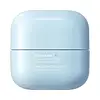
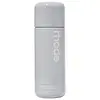
Ingredients Side-by-side
Water
Skin ConditioningGlycerin
Humectant



Butylene Glycol
Humectant
PPG-5 Caprylyl Ether
Skin ConditioningPolyglyceryl-3 Methylglucose Distearate
Emulsifying
Methyl Trimethicone
Skin Conditioning
Glyceryl Stearate
Emollient
Pentaerythrityl Tetraethylhexanoate
Emollient
Ceramide AP
Skin Conditioning


1,2-Hexanediol
Skin Conditioning
Stearyl Dimethicone
Emollient
Bis-Hydroxyethoxypropyl Dimethicone
Emollient
Cetyl Alcohol
Emollient
Lactobacillus Ferment Lysate
Skin Conditioning
Caprylic/Capric/Myristic/Stearic Triglyceride
EmollientPalmitic Acid
Emollient
Stearic Acid
Cleansing
Panthenol
Skin Conditioning
Hydroxyethyl Acrylate/Sodium Acryloyldimethyl Taurate Copolymer
Emulsion StabilisingPropanediol
Solvent
Acrylates/C10-30 Alkyl Acrylate Crosspolymer
Emulsion StabilisingXanthan Gum
EmulsifyingGlyceryl Caprylate
EmollientDextrin
AbsorbentTromethamine
BufferingEthylhexylglycerin
Skin ConditioningDisodium EDTA
Sorbitan Isostearate
Emulsifying
Allantoin
Skin Conditioning
Hydrolyzed Hyaluronic Acid
Humectant
Ceramide NP
Skin Conditioning
Parfum
Masking


Beta-Glucan
Skin Conditioning
Cholesterol
Emollient
Mannitol
Humectant
Tocopherol
Antioxidant

Acetyl Tetrapeptide-11
Skin Conditioning
Undaria Pinnatifida Extract
Skin ConditioningWater, Glycerin, Butylene Glycol, PPG-5 Caprylyl Ether, Polyglyceryl-3 Methylglucose Distearate, Methyl Trimethicone, Glyceryl Stearate, Pentaerythrityl Tetraethylhexanoate, Ceramide AP, 1,2-Hexanediol, Stearyl Dimethicone, Bis-Hydroxyethoxypropyl Dimethicone, Cetyl Alcohol, Lactobacillus Ferment Lysate, Caprylic/Capric/Myristic/Stearic Triglyceride, Palmitic Acid, Stearic Acid, Panthenol, Hydroxyethyl Acrylate/Sodium Acryloyldimethyl Taurate Copolymer, Propanediol, Acrylates/C10-30 Alkyl Acrylate Crosspolymer, Xanthan Gum, Glyceryl Caprylate, Dextrin, Tromethamine, Ethylhexylglycerin, Disodium EDTA, Sorbitan Isostearate, Allantoin, Hydrolyzed Hyaluronic Acid, Ceramide NP, Parfum, Beta-Glucan, Cholesterol, Mannitol, Tocopherol, Acetyl Tetrapeptide-11, Undaria Pinnatifida Extract
Water
Skin ConditioningC12-15 Alkyl Benzoate
AntimicrobialCoconut Alkanes
Emollient
Glycerin
Humectant
Polyglyceryl-3 Oleate
Emulsifying
Polyglyceryl-10 Mono/Dioleate
Skin ConditioningTocopheryl Acetate
Antioxidant
Sodium Hyaluronate
Humectant
Sodium Hyaluronate Crosspolymer
Humectant
Hydrolyzed Sodium Hyaluronate
Skin Conditioning
Sodium Acetylated Hyaluronate
Humectant
Ceramide NP
Skin Conditioning
Ceramide AP
Skin Conditioning
Ceramide EOP
Skin Conditioning
Beta-Glucan
Skin Conditioning
Copper Gluconate
Skin Conditioning
Magnesium Aspartate
Skin ConditioningOleic Acid
Emollient
Linoleic Acid
Cleansing

Linolenic Acid
Cleansing
Xanthan Gum
EmulsifyingZinc Gluconate
Skin Conditioning
Euterpe Oleracea Sterols
Skin ConditioningPhosphatidylglycerol
Phytosphingosine
Skin Conditioning
Caprylyl Glycol
Emollient
Cholesterol
Emollient
Coco-Caprylate/Caprate
Emollient
PEG-7 Glyceryl Cocoate
Emulsifying
Cetyl Hydroxyethylcellulose
Emulsion StabilisingCarbomer
Emulsion StabilisingSodium Lauroyl Lactylate
EmulsifyingPentylene Glycol
Skin Conditioning1,2-Hexanediol
Skin Conditioning
Sodium Phytate
Phenoxyethanol
Preservative
Ethylhexylglycerin
Skin ConditioningSodium Benzoate
Masking
Chlorphenesin
Antimicrobial
Citric Acid
Buffering



Water, C12-15 Alkyl Benzoate, Coconut Alkanes, Glycerin, Polyglyceryl-3 Oleate, Polyglyceryl-10 Mono/Dioleate, Tocopheryl Acetate, Sodium Hyaluronate, Sodium Hyaluronate Crosspolymer, Hydrolyzed Sodium Hyaluronate, Sodium Acetylated Hyaluronate, Ceramide NP, Ceramide AP, Ceramide EOP, Beta-Glucan, Copper Gluconate, Magnesium Aspartate, Oleic Acid, Linoleic Acid, Linolenic Acid, Xanthan Gum, Zinc Gluconate, Euterpe Oleracea Sterols, Phosphatidylglycerol, Phytosphingosine, Caprylyl Glycol, Cholesterol, Coco-Caprylate/Caprate, PEG-7 Glyceryl Cocoate, Cetyl Hydroxyethylcellulose, Carbomer, Sodium Lauroyl Lactylate, Pentylene Glycol, 1,2-Hexanediol, Sodium Phytate, Phenoxyethanol, Ethylhexylglycerin, Sodium Benzoate, Chlorphenesin, Citric Acid
Reviews
Ingredients Explained
These ingredients are found in both products.
Ingredients higher up in an ingredient list are typically present in a larger amount.
1,2-Hexanediol is a synthetic liquid and another multi-functional powerhouse.
It is a:
- Humectant, drawing moisture into the skin
- Emollient, helping to soften skin
- Solvent, dispersing and stabilizing formulas
- Preservative booster, enhancing the antimicrobial activity of other preservatives
Beta-Glucan is a polysaccharide. It can be derived from the cell walls of seaweed, oats, yeast, and fungi. It hydrates the skin and helps boost your skin's natural barrier.
As an antioxidant, beta-glucan helps fight free-radicals. Free-radicals are molecules that may damage your skin cells, such as pollution.
Studies show this ingredient may be an effective wrinkle reducer as it can deeply penetrate into skin. It has also been show to help with wound healing.
Learn more about Beta-GlucanCeramide AP is formally known as Ceramide 6.
Ceramides are intercellular lipids naturally found in our skin that bonds dead skin cells together to create a barrier. Having a strong skin barrier leads to more firm and hydrated skin.
They are known for their ability to hold water and thus are a great ingredient for dry skin. By bolstering the skin ceramides act as a barrier against irritating ingredients. This can help with inflammation as well.
If you would like to eat ceramides, sweet potatoes contain a small amount.
Read more about other common types of ceramides here:
Ceramide NP
Ceramide EOP
Ceramide NP is a type of ceramide and formally known as ceramide 3.
Ceramides are intercellular lipids naturally found in our skin that bonds dead skin cells together to create a barrier. They are known for their ability to hold water and thus are a great ingredient for dry skin.
Ceramides are an important building block for our skin barrier. A stronger barrier helps the skin look more firm and hydrated. By bolstering the skin ceramides act as a barrier against irritating ingredients. This can help with inflammation as well.
If you would like to eat ceramides, sweet potatoes contain a small amount.
Read more about other common types of ceramides here:
Ceramide AP
Ceramide EOP
Cholesterol is a class of organic molecules called lipids. It helps hydrate your skin and is essential to having a healthy skin barrier.
Our skin naturally contains cholesterol in the outermost layer. Besides cholesterol, it also contains ceramides and fatty acids. Cholesterol makes up about 1/4 of your skin's outer layer and barrier. Your skin barrier is responsible for keeping allergens and microbes out. Having a healthy skin barrier is also responsible for keeping your skin firm and plump.
Our bodies use cholestrol to create vitamin D, steroid hormones, and more.
Learn more about CholesterolEthylhexylglycerin (we can't pronounce this either) is commonly used as a preservative and skin softener. It is derived from glyceryl.
You might see Ethylhexylglycerin often paired with other preservatives such as phenoxyethanol. Ethylhexylglycerin has been found to increase the effectiveness of these other preservatives.
Glycerin is already naturally found in your skin. It helps moisturize and protect your skin.
A study from 2016 found glycerin to be more effective as a humectant than AHAs and hyaluronic acid.
As a humectant, it helps the skin stay hydrated by pulling moisture to your skin. The low molecular weight of glycerin allows it to pull moisture into the deeper layers of your skin.
Hydrated skin improves your skin barrier; Your skin barrier helps protect against irritants and bacteria.
Glycerin has also been found to have antimicrobial and antiviral properties. Due to these properties, glycerin is often used in wound and burn treatments.
In cosmetics, glycerin is usually derived from plants such as soybean or palm. However, it can also be sourced from animals, such as tallow or animal fat.
This ingredient is organic, colorless, odorless, and non-toxic.
Glycerin is the name for this ingredient in American English. British English uses Glycerol/Glycerine.
Learn more about GlycerinWater. It's the most common cosmetic ingredient of all. You'll usually see it at the top of ingredient lists, meaning that it makes up the largest part of the product.
So why is it so popular? Water most often acts as a solvent - this means that it helps dissolve other ingredients into the formulation.
You'll also recognize water as that liquid we all need to stay alive. If you see this, drink a glass of water. Stay hydrated!
Learn more about WaterXanthan gum is used as a stabilizer and thickener within cosmetic products. It helps give products a sticky, thick feeling - preventing them from being too runny.
On the technical side of things, xanthan gum is a polysaccharide - a combination consisting of multiple sugar molecules bonded together.
Xanthan gum is a pretty common and great ingredient. It is a natural, non-toxic, non-irritating ingredient that is also commonly used in food products.
Learn more about Xanthan Gum
