

What's inside
What's inside
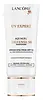 Key Ingredients
Benefits
Concerns
Ingredients Side-by-side
Butyl Methoxydibenzoylmethane 3%
UV Absorber
Homosalate 10.7%
Skin Conditioning
Ethylhexyl Salicylate 3.2%
UV Absorber
Octocrylene 6%
UV Absorber

Benzophenone-3 3.9%
UV Absorber
Water
Skin ConditioningDimethicone
Emollient

Alcohol Denat.
Antimicrobial


Styrene/Acrylates Copolymer
Acrylates/Dimethicone Copolymer
Skin Conditioning
Tocopherol
Antioxidant







Sodium Polyacrylate
Absorbent
Sodium Dodecylbenzenesulfonate
CleansingSodium Benzoate
Masking
Phenoxyethanol
Preservative
PEG-8 Laurate
Emulsifying
Silica
Abrasive


Pentylene Glycol
Skin Conditioning
Mentha Piperita Extract
CleansingPropylene Glycol
Humectant
Leontopodium Alpinum Flower/Leaf Extract
Skin ConditioningCaprylyl Glycol
Emollient
Acrylates/C10-30 Alkyl Acrylate Crosspolymer
Emulsion StabilisingSorbitol
Humectant
Moringa Oleifera Seed Extract
Skin Conditioning
Disodium EDTA
Rosa Gallica Flower Extract
AstringentDisodium Phosphate
BufferingCitric Acid
Buffering
Potassium Sorbate
Preservative
Glycerin
Humectant
Parfum
Masking

Butyl Methoxydibenzoylmethane 3%, Homosalate 10.7%, Ethylhexyl Salicylate 3.2%, Octocrylene 6%, Benzophenone-3 3.9%, Water, Dimethicone, Alcohol Denat., Styrene/Acrylates Copolymer, Acrylates/Dimethicone Copolymer, Tocopherol, Sodium Polyacrylate, Sodium Dodecylbenzenesulfonate, Sodium Benzoate, Phenoxyethanol, PEG-8 Laurate, Silica, Pentylene Glycol, Mentha Piperita Extract, Propylene Glycol, Leontopodium Alpinum Flower/Leaf Extract, Caprylyl Glycol, Acrylates/C10-30 Alkyl Acrylate Crosspolymer, Sorbitol, Moringa Oleifera Seed Extract, Disodium EDTA, Rosa Gallica Flower Extract, Disodium Phosphate, Citric Acid, Potassium Sorbate, Glycerin, Parfum
Water
Skin ConditioningPentylene Glycol
Skin Conditioning
Coco-Caprylate/Caprate
Emollient
Ethylhexyl Methoxycinnamate
UV Absorber
Glycerin
Humectant
Dimethicone
Emollient
Butylene Glycol
Humectant
Caprylyl Methicone
Skin Conditioning
C12-15 Alkyl Benzoate
AntimicrobialC14-22 Alcohols
Emulsion Stabilising
Ceramide EOP
Skin Conditioning
Ceramide Ns
Skin Conditioning
Ceramide Ng
Skin Conditioning
Ceramide NP
Skin Conditioning
Ceramide As
Skin Conditioning
Ceramide AP
Skin Conditioning
Hyaluronic Acid
Humectant
Centella Asiatica Extract
Cleansing
Bis-Ethylhexyloxyphenol Methoxyphenyl Triazine
Skin Conditioning
Glycereth-26
Humectant
Triacontanyl Pvp
HumectantMethylene Bis-Benzotriazolyl Tetramethylbutylphenol
UV Filter
Ethylhexyl Triazone
UV Absorber
Decyl Glucoside
Cleansing
Sorbitan Caprylate
EmulsifyingSteareth-21
CleansingTocopheryl Acetate
Antioxidant
C12-20 Alkyl Glucoside
EmulsifyingAmmonium Acryloyldimethyltaurate/Vp Copolymer
Ectoin
Skin Conditioning
Aluminum Starch Octenylsuccinate
Absorbent
Allantoin
Skin Conditioning
Bisabolol
Antioxidant
Bifida Ferment Filtrate
Skin Conditioning
Disodium EDTA
Acrylates/C10-30 Alkyl Acrylate Crosspolymer
Emulsion StabilisingPortulaca Oleracea Extract
Skin Conditioning
Sodium Hyaluronate
Humectant
Maris Aqua
HumectantXanthan Gum
Emulsifying1,2-Hexanediol
Skin Conditioning
Hydroxyacetophenone
Antioxidant
Phormidium Persicinum Extract
Antioxidant
Hydrolyzed Rhodophyceae Extract
Pancratium Maritimum Extract
BleachingWater, Pentylene Glycol, Coco-Caprylate/Caprate, Ethylhexyl Methoxycinnamate, Glycerin, Dimethicone, Butylene Glycol, Caprylyl Methicone, C12-15 Alkyl Benzoate, C14-22 Alcohols, Ceramide EOP, Ceramide Ns, Ceramide Ng, Ceramide NP, Ceramide As, Ceramide AP, Hyaluronic Acid, Centella Asiatica Extract, Bis-Ethylhexyloxyphenol Methoxyphenyl Triazine, Glycereth-26, Triacontanyl Pvp, Methylene Bis-Benzotriazolyl Tetramethylbutylphenol, Ethylhexyl Triazone, Decyl Glucoside, Sorbitan Caprylate, Steareth-21, Tocopheryl Acetate, C12-20 Alkyl Glucoside, Ammonium Acryloyldimethyltaurate/Vp Copolymer, Ectoin, Aluminum Starch Octenylsuccinate, Allantoin, Bisabolol, Bifida Ferment Filtrate, Disodium EDTA, Acrylates/C10-30 Alkyl Acrylate Crosspolymer, Portulaca Oleracea Extract, Sodium Hyaluronate, Maris Aqua, Xanthan Gum, 1,2-Hexanediol, Hydroxyacetophenone, Phormidium Persicinum Extract, Hydrolyzed Rhodophyceae Extract, Pancratium Maritimum Extract
Reviews
Ingredients Explained
These ingredients are found in both products.
Ingredients higher up in an ingredient list are typically present in a larger amount.
Acrylates/C10-30 Alkyl Acrylate Crosspolymer is a synthetic polymer. It is used to thicken, emulsify, and improve the texture of products.
As an emulsifier, it helps stabilize oil-in-water emulsions to give products an elegant feel when applied.
It can also form a thin protective film on skin. One study found that a formula using this polymer helped slow down how quickly other ingredients (like DEET) were absorbed through skin.
A 2024 study of over 1,300 patients confirmed that sensitization to this ingredient is rare. It is also non-mutagenic and has a clean track record.
Learn more about Acrylates/C10-30 Alkyl Acrylate CrosspolymerDimethicone is a type of synthetic silicone created from natural materials such as quartz. It is also known as polydimethylsiloxane.
What it does:
Dimethicone comes in different viscosities:
Depending on the viscosity, dimethicone has different properties.
Ingredients lists don't always show which type is used, so we recommend reaching out to the brand if you have questions about the viscosity.
This ingredient is unlikely to cause irritation because it does not get absorbed into skin. However, people with silicone allergies should be careful about using this ingredient.
Note: Dimethicone may contribute to pilling. This is because it is not oil or water soluble, so pilling may occur when layered with products. When mixed with heavy oils in a formula, the outcome is also quite greasy.
Learn more about DimethiconeDisodium EDTA is a chelating agent. It grabs onto and deactivates metal ions that sneak into your products from water, packaging, or air.
This ingredient mainly works behind the scenes and helps with:
On top of that, this ingredient can counteract the effects of hard water by binding to the minerals in it.
One thing worth knowing is that Disodium EDTA has been shown to be a mild penetration enhancer. It can help other ingredients absorb into skin more effectively which can be a double-edged sword (great for actives, but can also make the active too strong if you have sensitive skin).
Clinical patch testing showed no significant skin irritation at typical use concentrations and minimal dermal absorption.
You'll most likely see this ingredient near the end of an ingredient list. It's typically found in concentrations less than 1%.
Learn more about Disodium EDTAGlycerin (or glycerol) is a compound naturally found in your skin. It's a powerhouse humectant that pulls water into the stratum corneum.
Topically, glycerin does several things at once:
Your skin makes glycerin on its own (mostly from sebaceous oil breakdown) and shuttles it to your outermost layer of skin, or your epidermis, via aquaporin-3.
Aquaporin-3 is a transporter that is essential for normal skin hydration, elasticity, and repair. Interestingly, mice lacking in AQP3 have dry and less elastic skin that can be fully corrected with glycerin.
This ingredient is non-irritating, plays well with almost every ingredient, and works across all skin types. Typical use is anywhere between 3-10% but can go up to 79% in some leave-on products.
Just know very high concentrations (>40%) can feel tacky in low humidity.
Glycerin is the name for this ingredient in American English. British English uses Glycerol/Glycerine.
Learn more about GlycerinPentylene glycol is typically used within a product to thicken it. It also adds a smooth, soft, and moisturizing feel to the product. It is naturally found in plants such as sugar beets.
The hydrophilic trait of Pentylene Glycol makes it a humectant. As a humectant, Pentylene Glycol helps draw moisture from the air to your skin. This can help keep your skin hydrated.
This property also makes Pentylene Glycol a great texture enhancer. It can also help thicken or stabilize a product.
Pentylene Glycol also acts as a mild preservative and helps to keep a product microbe-free.
Some people may experience mild eye and skin irritation from Pentylene Glycol. We always recommend speaking with a professional about using this ingredient in your routine.
Pentylene Glycol has a low molecular weight and is part of the 1,2-glycol family.
Learn more about Pentylene GlycolWater. It's the most common cosmetic ingredient of all. You'll usually see it at the top of ingredient lists, meaning that it makes up the largest part of the product.
So why is it so popular? Water most often acts as a solvent - this means that it helps dissolve other ingredients into the formulation.
You'll also recognize water as that liquid we all need to stay alive. If you see this, drink a glass of water. Remember to stay hydrated!
Learn more about Water
