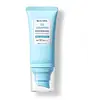
This chemical sunscreen covers the full UV range and blocks ~98% of UVB at SPF 50.
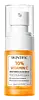
This brightening serum is formulated around Ascorbic Acid and Tranexamic Acid to brighten dull-looking skin and fade the look of dark spots.

What's inside
What's inside
 Key Ingredients
Benefits
Concerns
Ingredients Side-by-side
Water
Skin ConditioningPentylene Glycol
Skin Conditioning
Coco-Caprylate/Caprate
Emollient
Ethylhexyl Methoxycinnamate
UV Absorber


Glycerin
Humectant

Dimethicone
Emollient
Butylene Glycol
Humectant
Caprylyl Methicone
Skin Conditioning
C12-15 Alkyl Benzoate
AntimicrobialC14-22 Alcohols
Emulsion Stabilising
Ceramide EOP
Skin Conditioning



Ceramide Ns
Skin Conditioning
Ceramide Ng
Skin Conditioning
Ceramide NP
Skin Conditioning
Ceramide As
Skin Conditioning
Ceramide AP
Skin Conditioning
Hyaluronic Acid
Humectant
Centella Asiatica Extract
Cleansing
Bis-Ethylhexyloxyphenol Methoxyphenyl Triazine
Skin Conditioning
Glycereth-26
Humectant
Triacontanyl Pvp
HumectantMethylene Bis-Benzotriazolyl Tetramethylbutylphenol
UV Filter
Ethylhexyl Triazone
UV Absorber
Decyl Glucoside
Cleansing
Sorbitan Caprylate
EmulsifyingSteareth-21
CleansingTocopheryl Acetate
Antioxidant


C12-20 Alkyl Glucoside
EmulsifyingAmmonium Acryloyldimethyltaurate/Vp Copolymer
Ectoin
Skin Conditioning
Aluminum Starch Octenylsuccinate
Absorbent
Allantoin
Skin Conditioning
Bisabolol
Antioxidant
Bifida Ferment Filtrate
Skin Conditioning
Disodium EDTA
Acrylates/C10-30 Alkyl Acrylate Crosspolymer
Emulsion StabilisingPortulaca Oleracea Extract
Skin Conditioning
Sodium Hyaluronate
Humectant
Maris Aqua
HumectantXanthan Gum
Emulsifying1,2-Hexanediol
Skin Conditioning
Hydroxyacetophenone
Antioxidant
Phormidium Persicinum Extract
Antioxidant
Hydrolyzed Rhodophyceae Extract
Pancratium Maritimum Extract
BleachingWater, Pentylene Glycol, Coco-Caprylate/Caprate, Ethylhexyl Methoxycinnamate, Glycerin, Dimethicone, Butylene Glycol, Caprylyl Methicone, C12-15 Alkyl Benzoate, C14-22 Alcohols, Ceramide EOP, Ceramide Ns, Ceramide Ng, Ceramide NP, Ceramide As, Ceramide AP, Hyaluronic Acid, Centella Asiatica Extract, Bis-Ethylhexyloxyphenol Methoxyphenyl Triazine, Glycereth-26, Triacontanyl Pvp, Methylene Bis-Benzotriazolyl Tetramethylbutylphenol, Ethylhexyl Triazone, Decyl Glucoside, Sorbitan Caprylate, Steareth-21, Tocopheryl Acetate, C12-20 Alkyl Glucoside, Ammonium Acryloyldimethyltaurate/Vp Copolymer, Ectoin, Aluminum Starch Octenylsuccinate, Allantoin, Bisabolol, Bifida Ferment Filtrate, Disodium EDTA, Acrylates/C10-30 Alkyl Acrylate Crosspolymer, Portulaca Oleracea Extract, Sodium Hyaluronate, Maris Aqua, Xanthan Gum, 1,2-Hexanediol, Hydroxyacetophenone, Phormidium Persicinum Extract, Hydrolyzed Rhodophyceae Extract, Pancratium Maritimum Extract
Water
Skin ConditioningAscorbic Acid
Antioxidant

Butylene Glycol
Humectant
Glycerin
Humectant
Tranexamic Acid
Astringent
Betaine
Humectant
PEG/PPG-17/6 Copolymer
Solvent1,2-Hexanediol
Skin Conditioning
Hydroxyacetophenone
Antioxidant
Bis-PEG-18 Methyl Ether Dimethyl Silane
EmollientAcrylates/C10-30 Alkyl Acrylate Crosspolymer
Emulsion StabilisingTocopherol
Antioxidant
Citrus Reticulata Fruit Extract
Skin ProtectingHydrolyzed Sodium Hyaluronate
Skin Conditioning
3-O-Ethyl Ascorbic Acid
Skin Conditioning
Aminomethyl Propanol
BufferingAlgin
Masking

Pentylene Glycol
Skin Conditioning
Sodium Hyaluronate
Humectant
Ergothioneine
Antioxidant
Ferulic Acid
Antimicrobial
Sodium Acetylated Hyaluronate
Humectant
Sodium Hyaluronate Crosspolymer
Humectant
Citrus Reticulata Peel Extract
Skin ConditioningNonapeptide-1
Skin Conditioning
Hexapeptide-2
Bleaching
Hexapeptide-9
Skin Conditioning
Oligopeptide-1
Skin Conditioning
Laminaria Digitata Extract
Skin Protecting
Ceramide AP
Skin Conditioning
Ceramide As
Skin Conditioning
Ceramide Ns
Skin Conditioning
Ceramide EOP
Skin Conditioning
Ceramide NP
Skin Conditioning
Cetyl-Pg Hydroxyethyl Palmitamide
Skin ConditioningHydrogenated Lecithin
Emulsifying
Cholesterol
Emollient
Allantoin
Skin Conditioning
PPG-26-Buteth-26
Skin ConditioningPEG-40 Hydrogenated Castor Oil
Emulsifying


Pvm/Ma Copolymer
Emulsion StabilisingGlyceryl Acrylate/Acrylic Acid Copolymer
HumectantPolysorbate 20
Emulsifying
Ethylhexylglycerin
Skin ConditioningWater, Ascorbic Acid, Butylene Glycol, Glycerin, Tranexamic Acid, Betaine, PEG/PPG-17/6 Copolymer, 1,2-Hexanediol, Hydroxyacetophenone, Bis-PEG-18 Methyl Ether Dimethyl Silane, Acrylates/C10-30 Alkyl Acrylate Crosspolymer, Tocopherol, Citrus Reticulata Fruit Extract, Hydrolyzed Sodium Hyaluronate, 3-O-Ethyl Ascorbic Acid, Aminomethyl Propanol, Algin, Pentylene Glycol, Sodium Hyaluronate, Ergothioneine, Ferulic Acid, Sodium Acetylated Hyaluronate, Sodium Hyaluronate Crosspolymer, Citrus Reticulata Peel Extract, Nonapeptide-1, Hexapeptide-2, Hexapeptide-9, Oligopeptide-1, Laminaria Digitata Extract, Ceramide AP, Ceramide As, Ceramide Ns, Ceramide EOP, Ceramide NP, Cetyl-Pg Hydroxyethyl Palmitamide, Hydrogenated Lecithin, Cholesterol, Allantoin, PPG-26-Buteth-26, PEG-40 Hydrogenated Castor Oil, Pvm/Ma Copolymer, Glyceryl Acrylate/Acrylic Acid Copolymer, Polysorbate 20, Ethylhexylglycerin
Reviews
Ingredients Explained
These ingredients are found in both products.
Ingredients higher up in an ingredient list are typically present in a larger amount.
1,2-Hexanediol is a synthetic liquid and another multi-functional powerhouse.
It is a:
- Humectant, drawing moisture into the skin
- Emollient, helping to soften skin
- Solvent, dispersing and stabilizing formulas
- Preservative booster, enhancing the antimicrobial activity of other preservatives
Acrylates/C10-30 Alkyl Acrylate Crosspolymer is a synthetic polymer. It is used to thicken, emulsify, and improve the texture of products.
As an emulsifier, it helps stabilize oil-in-water emulsions to give products an elegant feel when applied.
It can also form a thin protective film on skin. One study found that a formula using this polymer helped slow down how quickly other ingredients (like DEET) were absorbed through skin.
A 2024 study of over 1,300 patients confirmed that sensitization to this ingredient is rare. It is also non-mutagenic and has a clean track record.
Learn more about Acrylates/C10-30 Alkyl Acrylate CrosspolymerAllantoin is a soothing ingredient known for its protective and moisturizing properties; it's basically a quiet workhorse ingredient you can find in a huge range of cosmetics.
Though it can be derived from the comfrey plant, allantoin is produced synthetically for cosmetic products to ensure purity.
Research shows it can encourage your skin cells to turn over and renew by stimulating keratinocyte and fibroblast proliferation.
It also has mild keratolytic properties to help loosen and shed dead skin cells without being harsh.
Studies also suggest allantoin can help calm inflammation by dialing down some of the chemical signals your skin sends out when it is irritated.
This ingredient is typically used in the 0.1-0.5% range, and the FDA recognizes it as a skin protectant in OTC products up to 2%.
Overall, allantoin is a wonderful addition to most routines; it is stable across a wide pH range (~4-8), works well with other ingredients, and is considered non-sensitizing/non-irritating.
Fun fact: Allantoin is naturally occurring in comfrey root, beets, chamomile, and wheat sprouts. Our bodies even produce it as a byproduct of uric acid metabolism.
Learn more about AllantoinButylene Glycol (or BG) is used within cosmetic products for a few different reasons:
Overall, Butylene Glycol is a safe and well-rounded ingredient that works well with other ingredients.
Though this ingredient works well with most skin types, some people with sensitive skin may experience a reaction such as allergic rashes, closed comedones, or itchiness.
Learn more about Butylene GlycolCeramide AP is is a skin-identical lipid that mimics what your skin already makes naturally. Ceramides help maintain epidermal integrity and barrier function.
You'll often see this ingredient paired with other ceramides (like ceramide NP), cholesterol, or fatty acids because this combination best mimics the natural lipid mix your skin already has.
The skin's ability to produce ceramides gets disrupted in skin conditions like eczema. This in turn weakens the skin barrier and applying ceramides topically has been shown to replenish what's been lost to restore barrier function.
Most of the studies with Ceramide AP test it as part of a multi-ceramide complex; studies reinforce ceramide AP's role in rebalancing ceramides in skin and improving skin hydration.
Learn more about Ceramide APCeramide AS is formally known as Ceramides 4 and 5.
Ceramides are intercellular lipids naturally found in our skin that bonds dead skin cells together to create a barrier. They are known for their ability to hold water and thus are a great ingredient for dry skin.
Ceramide EOP is formally known as Ceramide 1.
It is naturally found in skin and part of the intercellular "mortar" holding everything together in your outermost layer.
EOP stands for a linked Ester fatty acid, a linked Omega hydroxy fatty acid, and the Phytosphingosine base.
What makes Ceramide EOP special is its ultra-long fatty acid chain; this unique structure allows it to bridge the lipid layers in your skin barrier to prevent water loss (something no other ceramide can do).
Low levels of Ceramide EOP have been found in people with eczema and psoriasis.
Using it together with other ceramides, cholesterol, and linoleic acid have been shown to meaningfully improve hydration and reduce water loss.
In one clinical study, a regimen using Ceramide EOP, NP, and AP led to significant symptom improvements in patients with eczema, psoriasis, and dry skin in just 4 weeks.
You'll usually see concentrations between 0.1-0.5% in formulations. Overall, this is a well-tolerated and safe ingredient for cosmetic use.
Learn more about Ceramide EOPCeramide NP (formerly known as Ceramide 3) is one of the skin's naturally occurring lipids.
Since ceramides are the major lipid components of the skin, they are crucial for maintaining skin barrier and hydration. Ceramide NP most closely mirrors the dominant kind in human skin amongst ceramide subtypes.
This ceramide works by slotting into gaps within the stratum corneum's lipid matrix to limit trans-epidermal water loss (TEWL) and shield the skin against external irritants.
A study with 312 patients found that using a ceramide-containing routine for 4 weeks reduced the severity of atopic dermatitis by over 61%.
Another clinical study in subjects aged 60 and older found that a ceramide body wash and moisturizer improved skin dryness and itchy skin in 15 days.
Overall, ceramides are considered non-irritating and safety tests have found little to no observable adverse effects from using this ingredient.
Ceramide NP is usually sourced from plants (like soybean or rice bran), or produced synthetically.
Learn more about Ceramide NPCeramide NS is formally known as Ceramide 2. It is one of the major ceramides in the stratum corneum (outermost layer of skin) plays a role in forming a protective barrier.
Due to its structure, skin lipids can be packed tightly and in turn, this strengthens the barrier and reduces water loss.
Studies show conditions like atopic dermatitis can worsen when ceramide NS levels are low.
Learn more about Ceramide NsGlycerin (or glycerol) is a compound naturally found in your skin. It's a powerhouse humectant that pulls water into the stratum corneum.
Topically, glycerin does several things at once:
Your skin makes glycerin on its own (mostly from sebaceous oil breakdown) and shuttles it to your outermost layer of skin, or your epidermis, via aquaporin-3.
Aquaporin-3 is a transporter that is essential for normal skin hydration, elasticity, and repair. Interestingly, mice lacking in AQP3 have dry and less elastic skin that can be fully corrected with glycerin.
This ingredient is non-irritating, plays well with almost every ingredient, and works across all skin types. Typical use is anywhere between 3-10% but can go up to 79% in some leave-on products.
Just know very high concentrations (>40%) can feel tacky in low humidity.
Glycerin is the name for this ingredient in American English. British English uses Glycerol/Glycerine.
Learn more about GlycerinHydroxyacetophenone is a small phenolic molecule that earns its place in a formulas as an antioxidant and preservative booster.
As a phenol, it is able to neutralize free radicals to protect both the product and the skin from oxidative stress.
Though it can't kill microbes on its own, it works as a good supporting agent when combined with other preservatives like Phenoxyethanol or 1,2-Hexanediol.
This ingredient naturally occurs as piceol in Norwegian spruce needles (~0.4-1.1% dry weight and in cloudberries). Though the cosmetic-grade material is synthesized for purity and consistency.
You'll usually see it used at low levels and suppliers recommend up to 1% added to a water phase.
Safety testing was done at concentrations like 0.05% in SPF products and 0.5% in a Human Repeated Insult Patch Test. The safety evidence is assuring; this ingredient is safe for cosmetics in current use and also holds safety status as a food flavoring as well.
An honest caveat: the "soothing" and "anti-inflammatory" claims come mostly from supplier marketing rather than published clinical trials. The Cosmetic Ingredient Review's own literature search found no useful efficacy studies on this ingredient.
So the antioxidant and preservative-boosting roles are the well supported ones while the calming benefit is plausible but thinly evidenced.
Overall, this is a well-tolerated, low-irritation multitasker that quietly helps a formula stay fresh and stable.
Learn more about HydroxyacetophenonePentylene Glycol (1,2-pentanediol) is a multitasking little diol with three main roles in a formula:
Research on alkanediols (the family pentylene glycol belongs to) show they work by disrupting microbial cell membranes. This disruption helps the primary preservative system in a product work more effectively at lower doses.
On the safety side, the Cosmetic Ingredient Review Expert Panel has concluded this ingredient to be safe as used in current cosmetic practices + concentrations.
Typical use levels in a formula run about 1-5%.
Learn more about Pentylene GlycolSodium Hyaluronate is the salt form of hyaluronic acid. It is a long sugar chain that is naturally found in your skin, joints, and connective tissue that maintains hydration and elasticity.
In skincare, it works as a humectant. It pulls water from the environment and deeper layers of skin and binds it to the surface.
Interestingly, the size of the molecule affects its behavior:
Some clinical evidence links low molecular weight versions to improved wrinkle depth, elasticity, anti-inflammatory effects, and barrier repair.
Many serums use a blend of both weights so you can get surface hydration plus longer-lasting and deeper effects.
You'll typically see concentrations between 0.1-2% for this ingredient.
Learn more about Sodium HyaluronateWater. It's the most common cosmetic ingredient of all. You'll usually see it at the top of ingredient lists, meaning that it makes up the largest part of the product.
So why is it so popular? Water most often acts as a solvent - this means that it helps dissolve other ingredients into the formulation.
You'll also recognize water as that liquid we all need to stay alive. If you see this, drink a glass of water. Remember to stay hydrated!
Learn more about Water

