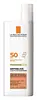
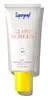
La Roche-Posay Anthelios Tinted Mineral Light Fluid Sunscreen SPF 50 Versus Supergoop! Glowscreen SPF 40 PA+++


What's inside
What's inside
 Key Ingredients
Benefits
Concerns
Ingredients Side-by-side
Water
Skin ConditioningIsododecane
EmollientC12-15 Alkyl Benzoate
AntimicrobialDimethicone
Emollient

Undecane
EmollientTriethylhexanoin
MaskingIsohexadecane
EmollientStyrene/Acrylates Copolymer
Nylon-12


Caprylyl Methicone
Skin Conditioning
Butyloctyl Salicylate
Skin Conditioning
Phenethyl Benzoate
Emollient
Silica
Abrasive

Tridecane
Perfuming
Dicaprylyl Carbonate
EmollientDicaprylyl Ether
Emollient
Talc
Abrasive
Dimethicone/PEG-10/15 Crosspolymer
Aluminum Stearate
Cosmetic ColorantPentylene Glycol
Skin Conditioning
C9-15 Fluoroalcohol Phosphate
Skin ConditioningTocopherol
Antioxidant





Phenoxyethanol
Preservative
Stearic Acid
Cleansing

Diethylhexyl Syringylidenemalonate
Skin ProtectingPEG-9 Polydimethylsiloxyethyl Dimethicone
Emulsifying
Magnesium Sulfate
PEG-8 Laurate
Emulsifying
PEG-9
HumectantPolyhydroxystearic Acid
Emulsifying
Maltodextrin
Absorbent
Benzoic Acid
Masking
Iron Oxides
Propylene Glycol
Humectant
Propylene Carbonate
SolventCaprylyl Glycol
Emollient
Disteardimonium Hectorite
StabilisingCassia Alata Leaf Extract
AstringentAlumina
Abrasive
Aluminum Hydroxide
EmollientWater, Isododecane, C12-15 Alkyl Benzoate, Dimethicone, Undecane, Triethylhexanoin, Isohexadecane, Styrene/Acrylates Copolymer, Nylon-12, Caprylyl Methicone, Butyloctyl Salicylate, Phenethyl Benzoate, Silica, Tridecane, Dicaprylyl Carbonate, Dicaprylyl Ether, Talc, Dimethicone/PEG-10/15 Crosspolymer, Aluminum Stearate, Pentylene Glycol, C9-15 Fluoroalcohol Phosphate, Tocopherol, Phenoxyethanol, Stearic Acid, Diethylhexyl Syringylidenemalonate, PEG-9 Polydimethylsiloxyethyl Dimethicone, Magnesium Sulfate, PEG-8 Laurate, PEG-9, Polyhydroxystearic Acid, Maltodextrin, Benzoic Acid, Iron Oxides, Propylene Glycol, Propylene Carbonate, Caprylyl Glycol, Disteardimonium Hectorite, Cassia Alata Leaf Extract, Alumina, Aluminum Hydroxide
Butyl Methoxydibenzoylmethane 3%
UV Absorber
Homosalate 4%
Skin Conditioning
Ethylhexyl Salicylate 5%
UV Absorber
Octocrylene 8%
UV Absorber
Water
Skin ConditioningButyloctyl Salicylate
Skin Conditioning
Propanediol
Solvent
Titanium Dioxide
Cosmetic Colorant
Glycerin
Humectant
C12-15 Alkyl Benzoate
AntimicrobialMica
Cosmetic ColorantGlyceryl Stearate Citrate
Emollient
Isododecane
EmollientNiacinamide
Smoothing



Polymethylsilsesquioxane
Glyceryl Stearate
Emollient
Caprylic/Capric Triglyceride
Masking
Cetyl Phosphate
EmulsifyingDiisopropyl Sebacate
EmollientIsodecyl Neopentanoate
EmollientLauryl Lactate
EmollientCoco-Caprylate
Emollient
Arginine
Masking
Silica
Abrasive
Butylene Glycol
Humectant
1,2-Hexanediol
Skin Conditioning
Caprylyl Glycol
Emollient
Hydroxyacetophenone
Antioxidant
Sodium Hyaluronate
Humectant
Chlorphenesin
Antimicrobial
Acrylates/C10-30 Alkyl Acrylate Crosspolymer
Emulsion StabilisingTin Oxide
Abrasive
Trisodium Ethylenediamine Disuccinate
Phospholipids
Skin Conditioning
Limonium Gerberi Extract
Skin ProtectingIron Oxides
Leuconostoc/Radish Root Ferment Filtrate
Antimicrobial
Theobroma Cacao Seed Extract
Antioxidant
Pantothenic Acid
Skin ConditioningTocopherol
Antioxidant
Triethoxycaprylylsilane
Ferulic Acid
Antimicrobial
Butyl Methoxydibenzoylmethane 3%, Homosalate 4%, Ethylhexyl Salicylate 5%, Octocrylene 8%, Water, Butyloctyl Salicylate, Propanediol, Titanium Dioxide, Glycerin, C12-15 Alkyl Benzoate, Mica, Glyceryl Stearate Citrate, Isododecane, Niacinamide, Polymethylsilsesquioxane, Glyceryl Stearate, Caprylic/Capric Triglyceride, Cetyl Phosphate, Diisopropyl Sebacate, Isodecyl Neopentanoate, Lauryl Lactate, Coco-Caprylate, Arginine, Silica, Butylene Glycol, 1,2-Hexanediol, Caprylyl Glycol, Hydroxyacetophenone, Sodium Hyaluronate, Chlorphenesin, Acrylates/C10-30 Alkyl Acrylate Crosspolymer, Tin Oxide, Trisodium Ethylenediamine Disuccinate, Phospholipids, Limonium Gerberi Extract, Iron Oxides, Leuconostoc/Radish Root Ferment Filtrate, Theobroma Cacao Seed Extract, Pantothenic Acid, Tocopherol, Triethoxycaprylylsilane, Ferulic Acid
Reviews
Ingredients Explained
These ingredients are found in both products.
Ingredients higher up in an ingredient list are typically present in a larger amount.
Butyloctyl Salicylate is a chemical UV filter structurally similar to octisalate. It is a photostabilizer, SPF booster, emollient and solvent. This ingredient helps evenly spread out ingredients.
According to a manufacturer, it is suitable for pairing with micro Titanium Dioxide, Zinc Oxide, and pigments.
Photostabilizers help stabilize UV-filters and prevents them from degrading quickly.
Learn more about Butyloctyl SalicylateC12-15 Alkyl Benzoate is a lightweight emollient made by combinig benzoic acid with fatty alcohols that are 12-15 carbons long.
In cosmetics, it plays several roles:
The Cosmetic Review Expert Panel has concluded the alkyl benzoate group to be safe as used in cosmetics; it wasn't found to be a skin irritant and unlikely to be absorbed due to its low water solubility.
This report recorded almost 1000 reported uses with concentrations up to 59% in leave-on products but your cosmetics will typically use 0.5-15% depending on the product.
It's often called a "SPF booster": this is because it keeps UV filters properly dissolved and evenly distributed to support a sunscreen's performance. It doesn't actually raise SPF on its own.
Overall, this ingredient is well tolerated.
This ingredient is fungal acne safe because it is an ester of benzoic acid.
Think of this ingredient as two parts stuck together: an oily part and an acid part. Malassezia only gets a meal when it can snip off a fatty acid to eat. With C12-15 Alkyl Benzoate, the acid part is benzoic acid, which isn't a fatty acid and which the yeast can't use as food.
Benzoic acid is actually used as a preservative to stop yeast from growing.
The oily part is a blend of C12-15 fatty alcohols but fatty alcohols in this size range can support only a little Malassezia growth (mostly for one species of Malassezia as well).
In the ingredient, those alcohols stay locked inside the molecule. The yeast can only reach them by snipping the benzoate bond, and that type of bond is harder for it to cut than a normal fatty bond.
So not much gets released. And whatever does get snipped comes packaged with benzoic acid, which discourages yeast growth.
Learn more about C12-15 Alkyl BenzoateCaprylyl Glycol is a humectant, skin conditioner, emollient, and preservative booster derived from either caprylic acid or synthetically created.
Typical use levels vary from 0.3-1% as a preservative booster and go up to 2% to condition skin.
Because it is not a free-fatty acid, this ingredient is fungal acne safe (there's nothing for Malassezia to feed on).
Learn more about Caprylyl GlycolIsododecane is a fragrance, emollient, and solvent.
As an emollient, it helps your skin stay soft and hydrated. Emollients help trap moisture into your skin.
Isododecane's role as a solvent makes it a great texture enhancer. It spreads smoothly on skin and does not leave a sticky feeling behind. Isododecane also helps prevent color transfer in makeup products.
Isododecane is not absorbed into skin.
The chemical name for this ingredient is 2,2,4,6,6-PENTAMETHYLHEPTANE.
Learn more about IsododecaneSilica, also known as silicon dioxide, is a naturally occurring mineral. It is used as a fine, spherical, and porous powder in cosmetics.
Though it has exfoliant properties, the function of silica varies depending on the product.
The unique structure of silica enhances the spreadability and adds smoothness, making it a great texture enhancer.
It is also used as an active carrier, emulsifier, and mattifier due to its ability to absorb excess oil.
In some products, tiny microneedles called spicules are made from silica or hydrolyzed sponge. When you rub them in, they lightly polish away dead skin layers and enhance the penetration of active ingredients.
Learn more about SilicaTocopherol is a fat-soluble antioxidant known as Vitamin E.
You'll find this ingredient in the vast majority of skincare (for good reason). It works to neutralize free radicals, or unstable molecules generated by UV exposure, pollution, and other environmental stressors, before they can cause oxidative damage to your skin cells.
Topically applied tocopherol has been shown to protect against UV damage by ramping up the skin's own natural defense enzymes.
It also acts as a skin conditioning agent; some studies show that regular topical use can improve the skin's water-binding capacity over 2-4 weeks.
This ingredient is especially loved for being a team player. When combined with Vitamin C, the photoprotective effect of both ingredients roughly doubles and the combo also helps reduce UV-induced DNA damage.
This ingredient has some brightening potential but it's more of a prevention ingredient than spot-fader. Cell studies show it can slow down melanin production but it's worth noting that it's not the most powerful brightener out there.
In formulations, it also serves as a stabilizer that helps protect other oxidation-prone ingredients from degrading.
Concentrations usually range from 0.1-1% in most leave-on products.
Learn more about TocopherolWater. It's the most common cosmetic ingredient of all. You'll usually see it at the top of ingredient lists, meaning that it makes up the largest part of the product.
So why is it so popular? Water most often acts as a solvent - this means that it helps dissolve other ingredients into the formulation.
You'll also recognize water as that liquid we all need to stay alive. If you see this, drink a glass of water. Remember to stay hydrated!
Learn more about WaterThis ingredient is a combination of red, black, and yellow iron oxide pigments. This combination of colors is usually found in foundation, because it results in a "skin" color.
The EU typically uses CI numbers for colorants when applicable, such as CI 77489. In the US, iron oxides are regulated as color additives and "iron oxides" is the most commonly used name in US cosmetic practice.
A 2021 paper looked at skincare formulations containing iron oxides and found that they reduced transmission of blue light when measured optically. In simple terms, the pigment particles helped block or scatter part of the visible light spectrum in lab testing and the authors suggest this could translate into better protection against blue-light-related skin effects.
There is also clinical and experimental research showing that tinted products containing iron oxides can reduce visible light-induced pigmentation:
Please note, whether a product reduces visible or blue light depends on things like:
In the EU's CosIng database, iron oxides are only listed as a colorant. CosIng groups ingredients by their main cosmetic role, such as colorant, preservative, or UV filter.
Though studies say iron oxides can "attenuate blue light", they're describing an optical property and not an officially recognized cosmetic function.
So CosIng isn’t contradicting the research. It’s just classifying iron oxides by what they officially are: pigments that add color.
Learn more about Iron Oxides
