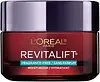
This anti-aging moisturizer is formulated around Niacinamide and Capryloyl Salicylic Acid to soften the look of wrinkles and refine skin texture.
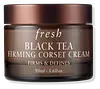
This anti-aging moisturizer is formulated around Saccharomyces/Xylinum/Black Tea Ferment and Acetyl Dipeptide-1 Cetyl Ester to soften the look of wrinkles.


What's inside
What's inside
 Key Ingredients
Benefits
Concerns
Ingredients Side-by-side
Water
Skin ConditioningGlycerin
Humectant


Isohexadecane
EmollientIsopropyl Isostearate
Emollient




Niacinamide
Smoothing









Aluminum Starch Octenylsuccinate
Absorbent
Nylon-12

Dimethicone
Emollient
Cetyl Alcohol
Emollient

Polyethylene
Abrasive
Stearyl Alcohol
Emollient
Cetearyl Alcohol
Emollient
Stearic Acid
Cleansing
Behenyl Alcohol
Emollient
Phenoxyethanol
Preservative
Synthetic Fluorphlogopite
Palmitic Acid
Emollient
Polyacrylamide
Capryloyl Salicylic Acid
Exfoliating
Sodium Acrylates Copolymer
Caprylic/Capric Triglyceride
Masking
CI 77891
Cosmetic ColorantPEG-100 Stearate
Surfactant
Caffeine
Skin Conditioning
Ascorbyl Glucoside
Antioxidant

C13-14 Isoparaffin
Emollient
Cetearyl Glucoside
Emulsifying
Dimethiconol
Emollient
Tocopherol
Antioxidant
Sodium Hyaluronate
Humectant
Retinyl Palmitate
Skin Conditioning
Disodium EDTA
Sodium Hydroxide
BufferingLaureth-7
EmulsifyingAdenosine
Skin Conditioning
Myristic Acid
Cleansing
PEG-30 Dipolyhydroxystearate
Emulsifying
Sorbitan Oleate
Emulsifying
Tin Oxide
Abrasive
Ceramide AP
Skin Conditioning
Water, Glycerin, Isohexadecane, Isopropyl Isostearate, Niacinamide, Aluminum Starch Octenylsuccinate, Nylon-12, Dimethicone, Cetyl Alcohol, Polyethylene, Stearyl Alcohol, Cetearyl Alcohol, Stearic Acid, Behenyl Alcohol, Phenoxyethanol, Synthetic Fluorphlogopite, Palmitic Acid, Polyacrylamide, Capryloyl Salicylic Acid, Sodium Acrylates Copolymer, Caprylic/Capric Triglyceride, CI 77891, PEG-100 Stearate, Caffeine, Ascorbyl Glucoside, C13-14 Isoparaffin, Cetearyl Glucoside, Dimethiconol, Tocopherol, Sodium Hyaluronate, Retinyl Palmitate, Disodium EDTA, Sodium Hydroxide, Laureth-7, Adenosine, Myristic Acid, PEG-30 Dipolyhydroxystearate, Sorbitan Oleate, Tin Oxide, Ceramide AP
Water
Skin ConditioningButylene Glycol
Humectant
Isononyl Isononanoate
EmollientCetearyl Isononanoate
Emollient
Cocoglycerides
Emollient
Glycerin
Humectant
Propanediol
Solvent
Pentylene Glycol
Skin Conditioning
Steareth-21
CleansingAlpinia Galanga Extract
Skin ConditioningSaccharomyces/Xylinum/Black Tea Ferment
Skin Conditioning
Acetyl Dipeptide-1 Cetyl Ester
Skin Conditioning
Lycium Chinense Fruit Extract
Antioxidant
Rubus Fruticosus Leaf Extract
MaskingLitchi Chinensis Seed Extract
Skin ConditioningCamellia Sinensis Leaf Extract
Antimicrobial
Tocopheryl Acetate
Antioxidant
Tocopherol
Antioxidant
Myristyl Myristate
Emollient
Jojoba Esters
Emollient
Behenyl Alcohol
Emollient
Cetyl Alcohol
Emollient
Stearyl Alcohol
Emollient
Glyceryl Stearate
Emollient
Hydroxyethyl Acrylate/Sodium Acryloyldimethyl Taurate Copolymer
Emulsion StabilisingDimethicone
Emollient
Parfum
Masking


Diphenylsiloxy Phenyl Trimethicone
Skin Conditioning
Squalane
Emollient
Caprylyl Glycol
Emollient
Acrylates/C10-30 Alkyl Acrylate Crosspolymer
Emulsion StabilisingSorbitol
Humectant
Xanthan Gum
EmulsifyingTromethamine
BufferingSodium Hyaluronate
Humectant
Maltodextrin
Absorbent
Algin
MaskingDimethicone/Phenyl Vinyl Dimethicone Crosspolymer
Polysorbate 60
Emulsifying
Adenosine
Skin Conditioning
Polyvinyl Alcohol
Sorbitan Isostearate
Emulsifying
Cellulose Gum
Emulsion StabilisingCaprylic/Capric Triglyceride
Masking
Citric Acid
Buffering
Chlorphenesin
Antimicrobial
Sodium Benzoate
Masking
Potassium Sorbate
Preservative
Linalool
Perfuming
Water, Butylene Glycol, Isononyl Isononanoate, Cetearyl Isononanoate, Cocoglycerides, Glycerin, Propanediol, Pentylene Glycol, Steareth-21, Alpinia Galanga Extract, Saccharomyces/Xylinum/Black Tea Ferment, Acetyl Dipeptide-1 Cetyl Ester, Lycium Chinense Fruit Extract, Rubus Fruticosus Leaf Extract, Litchi Chinensis Seed Extract, Camellia Sinensis Leaf Extract, Tocopheryl Acetate, Tocopherol, Myristyl Myristate, Jojoba Esters, Behenyl Alcohol, Cetyl Alcohol, Stearyl Alcohol, Glyceryl Stearate, Hydroxyethyl Acrylate/Sodium Acryloyldimethyl Taurate Copolymer, Dimethicone, Parfum, Diphenylsiloxy Phenyl Trimethicone, Squalane, Caprylyl Glycol, Acrylates/C10-30 Alkyl Acrylate Crosspolymer, Sorbitol, Xanthan Gum, Tromethamine, Sodium Hyaluronate, Maltodextrin, Algin, Dimethicone/Phenyl Vinyl Dimethicone Crosspolymer, Polysorbate 60, Adenosine, Polyvinyl Alcohol, Sorbitan Isostearate, Cellulose Gum, Caprylic/Capric Triglyceride, Citric Acid, Chlorphenesin, Sodium Benzoate, Potassium Sorbate, Linalool
Reviews
Ingredients Explained
These ingredients are found in both products.
Ingredients higher up in an ingredient list are typically present in a larger amount.
Adenosine is a purine nucleoside that your body already makes in every cell. In skincare, it acts mainly as a skin conditioning and anti-aging agent.
The way it works is fairly well mapped out:
Your skin has cells called fibroblasts that build collagen (the stuff that keeps skin firm and smooth). Adenosine basically flips a switch on these cells that tells them to get to work making more collagen and other proteins. These cells slow down on their own as skin ages, so Adenosine helps give them a little nudge to keep going.
The clinical backing is pretty solid too.
A blind, randomized, placebo-controlled trial of 126 women aged 45-65 tested a 0.1% cream twice daily and found real improvements in crow's feet and frown lines using a precise 3D skin-mapping technique; these changes showed up by week 3 and held at 2 months.
A later study using Adenosine-loaded dissolving microneedle patches reported gains in wrinkle depth, dermal density, elasticity, and hydration.
On concentrations, South Korea's Ministry of Food and Drug Safety has set 0.04% as the approved functional anti-wrinkle level. You'll typically see this ingredient used somewhere in the 0.04-0.1% range since it works at low doses.
This ingredient has been found safe for cosmetics with the data showing no irritation or sensitization.
Overall, this is a great ingredient for any anti-aging routine and has no photosensitizing effect, so it suits both AM and PM use.
Learn more about AdenosineBehenyl Alcohol is a type of fatty alcohol (these are different from the drying, solvent alcohols).
Fatty Alcohols have hydrating properties and are most often used as an emollient or to thicken a product. They are usually derived from natural fats and oils; behenyl alcohol is derived from the fats of vegetable oils.
Emollients help keep your skin soft and hydrated by creating a film that traps moisture in.
In 2000, Behenyl Alcohol was approved by the US as medicine to reduce the duration of cold sores.
Learn more about Behenyl AlcoholCaprylic/Capric Triglyceride (aka MCT Oil) is a lightweight emollient, solvent, and texture enhancer. It is considered a skin-softener by helping to prevent moisture loss.
Though it behaves like an oil, it is not technically one due to its chemical composition. One perk of this ingredient is that it is very stable, resistant to oxidation, and unlikely to go rancid.
In practice, that translates to a long shelf life and a consistently elegant skin feel.
While there is an assumption Caprylic Triglyceride can clog pores due to it being derived from coconut oil, there is no research supporting this. Just patch test if you have concerns.
Fractionated coconut oil and MCT Oil are both listed as Caprylic/Capric Triglyceride according to INCI. This is because INCI names are based on the ingredient’s final chemical composition and not its marketing name or source.
This ingredient is treated as the gold standard fungal acne safe oil. Even though it is coconut derived, the problematic lauric acid is stripped out.
This leaves just caprylic (C8) and capric (C10) acid. These chain lengths actually trend antifungal; a 2020 study found caprylic acid was enough to disrupt Malassezia furfur cell membrane, with a caprylic acid derivative damaging membrane structures at concentrations as low as 0.2%.
Learn more about Caprylic/Capric TriglycerideCetyl Alcohol is a fatty alcohol. Fatty Alcohols are most often used as an emollient or to thicken a product.
Its main roles are:
Though it has "alcohol" in the name, it is not related to denatured alcohol or ethyl alcohol.
The FDA allows products labeled "alcohol-free" to have fatty alcohols.
This ingredient may not be fungal acne safe. It is a primary fatty alcohol with a chain length above 12 carbons. A study from 2019 show Malassezia can feed on fatty alcohols in this range, so it may trigger fungal acne in those prone to it.
Learn more about Cetyl AlcoholDimethicone is a type of synthetic silicone created from natural materials such as quartz. It is also known as polydimethylsiloxane.
What it does:
Dimethicone comes in different viscosities:
Depending on the viscosity, dimethicone has different properties.
Ingredients lists don't always show which type is used, so we recommend reaching out to the brand if you have questions about the viscosity.
This ingredient is unlikely to cause irritation because it does not get absorbed into skin. However, people with silicone allergies should be careful about using this ingredient.
Note: Dimethicone may contribute to pilling. This is because it is not oil or water soluble, so pilling may occur when layered with products. When mixed with heavy oils in a formula, the outcome is also quite greasy.
Learn more about DimethiconeGlycerin (or glycerol) is a compound naturally found in your skin. It's a powerhouse humectant that pulls water into the stratum corneum.
Topically, glycerin does several things at once:
Your skin makes glycerin on its own (mostly from sebaceous oil breakdown) and shuttles it to your outermost layer of skin, or your epidermis, via aquaporin-3.
Aquaporin-3 is a transporter that is essential for normal skin hydration, elasticity, and repair. Interestingly, mice lacking in AQP3 have dry and less elastic skin that can be fully corrected with glycerin.
This ingredient is non-irritating, plays well with almost every ingredient, and works across all skin types. Typical use is anywhere between 3-10% but can go up to 79% in some leave-on products.
Just know very high concentrations (>40%) can feel tacky in low humidity.
Glycerin is the name for this ingredient in American English. British English uses Glycerol/Glycerine.
Learn more about GlycerinSodium Hyaluronate is the salt form of hyaluronic acid. It is a long sugar chain that is naturally found in your skin, joints, and connective tissue that maintains hydration and elasticity.
In skincare, it works as a humectant. It pulls water from the environment and deeper layers of skin and binds it to the surface.
Interestingly, the size of the molecule affects its behavior:
Some clinical evidence links low molecular weight versions to improved wrinkle depth, elasticity, anti-inflammatory effects, and barrier repair.
Many serums use a blend of both weights so you can get surface hydration plus longer-lasting and deeper effects.
You'll typically see concentrations between 0.1-2% for this ingredient.
Learn more about Sodium HyaluronateStearyl Alcohol is a type of fatty alcohol from stearic acid. It is a white, waxy compound used to emulsify ingredients used as an emollient or to thicken a product.
Emollients help soothe and hydrate the skin by trapping moisture.
Fatty alcohols are usually derived from natural fats and oils and therefore do not have the same drying or irritating effect as solvent (ethanol) alcohols.
The FDA allows products labeled "alcohol-free" to have fatty alcohols.
This ingredient may not be fungal acne safe. It is a primary fatty alcohol with a chain length above 12 carbons. A study from 2019 show Malassezia can feed on fatty alcohols in this range, so it may trigger fungal acne in those prone to it.
Learn more about Stearyl AlcoholTocopherol is a fat-soluble antioxidant known as Vitamin E.
You'll find this ingredient in the vast majority of skincare (for good reason). It works to neutralize free radicals, or unstable molecules generated by UV exposure, pollution, and other environmental stressors, before they can cause oxidative damage to your skin cells.
Topically applied tocopherol has been shown to protect against UV damage by ramping up the skin's own natural defense enzymes.
It also acts as a skin conditioning agent; some studies show that regular topical use can improve the skin's water-binding capacity over 2-4 weeks.
This ingredient is especially loved for being a team player. When combined with Vitamin C, the photoprotective effect of both ingredients roughly doubles and the combo also helps reduce UV-induced DNA damage.
This ingredient has some brightening potential but it's more of a prevention ingredient than spot-fader. Cell studies show it can slow down melanin production but it's worth noting that it's not the most powerful brightener out there.
In formulations, it also serves as a stabilizer that helps protect other oxidation-prone ingredients from degrading.
Concentrations usually range from 0.1-1% in most leave-on products.
Learn more about TocopherolWater. It's the most common cosmetic ingredient of all. You'll usually see it at the top of ingredient lists, meaning that it makes up the largest part of the product.
So why is it so popular? Water most often acts as a solvent - this means that it helps dissolve other ingredients into the formulation.
You'll also recognize water as that liquid we all need to stay alive. If you see this, drink a glass of water. Remember to stay hydrated!
Learn more about Water

