Knours Moisturizing Shea Butter + Sweet Almond Oil Youth Cream Versus Knours Balancing 5xHA + Gromwell Root Bubble Burst Serum
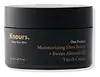
This anti-aging moisturizer is formulated around Prunus Amygdalus Dulcis Oil and Butyrospermum Parkii Butter to soften the look of wrinkles and hydrate skin.
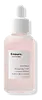
This hydrating serum is formulated around Niacinamide and Hyaluronic Acid to hydrate skin and strengthen the skin barrier.

What's inside
What's inside
 Key Ingredients
Benefits
Concerns
Ingredients Side-by-side
Water
Skin ConditioningGlycerin
Humectant


Caprylic/Capric Triglyceride
Masking
Prunus Amygdalus Dulcis Oil 3%
Skin Conditioning




Butyrospermum Parkii Butter 3%
Skin Conditioning
Propanediol
Solvent
Niacinamide
Smoothing









Adansonia Digitata Seed Oil
Emollient
Beeswax
Emulsion Stabilising
Stearic Acid
Cleansing
Cetearyl Alcohol
Emollient
Cetearyl Olivate
Sorbitan Olivate
Emulsifying
Olea Europaea Fruit Oil
Masking
Poria Cocos Extract
Skin ConditioningAgastache Mexicana Flower/Leaf/Stem Extract
Skin ConditioningHippophae Rhamnoides Fruit Extract
Skin Conditioning
Passiflora Incarnata Flower Extract
Skin ConditioningLithospermum Erythrorhizon Root Extract
Skin ConditioningGlyceryl Stearate
Emollient
Helianthus Annuus Seed Oil
Emollient
Camellia Japonica Seed Oil
Emollient
1,2-Hexanediol
Skin Conditioning
Caprylyl Glycol
Emollient
Arginine
Masking
Carbomer
Emulsion StabilisingUsnea Barbata Extract
Zanthoxylum Piperitum Fruit Extract
Skin ConditioningPulsatilla Koreana Extract
Skin ConditioningRosmarinus Officinalis Leaf Extract
AntimicrobialAdenosine
Skin Conditioning
Lavandula Angustifolia Oil
Masking


Citrus Aurantium Dulcis Peel Oil
Masking
Tocopherol
Antioxidant

Aniba Rosodora Wood Oil
Astringent
Cymbopogon Martini Oil
Masking
Vitex Agnus Castus Extract
AstringentGeraniol
Perfuming
Linalool
Perfuming
Limonene
Perfuming
Water, Glycerin, Caprylic/Capric Triglyceride, Prunus Amygdalus Dulcis Oil 3%, Butyrospermum Parkii Butter 3%, Propanediol, Niacinamide, Adansonia Digitata Seed Oil, Beeswax, Stearic Acid, Cetearyl Alcohol, Cetearyl Olivate, Sorbitan Olivate, Olea Europaea Fruit Oil, Poria Cocos Extract, Agastache Mexicana Flower/Leaf/Stem Extract, Hippophae Rhamnoides Fruit Extract, Passiflora Incarnata Flower Extract, Lithospermum Erythrorhizon Root Extract, Glyceryl Stearate, Helianthus Annuus Seed Oil, Camellia Japonica Seed Oil, 1,2-Hexanediol, Caprylyl Glycol, Arginine, Carbomer, Usnea Barbata Extract, Zanthoxylum Piperitum Fruit Extract, Pulsatilla Koreana Extract, Rosmarinus Officinalis Leaf Extract, Adenosine, Lavandula Angustifolia Oil, Citrus Aurantium Dulcis Peel Oil, Tocopherol, Aniba Rosodora Wood Oil, Cymbopogon Martini Oil, Vitex Agnus Castus Extract, Geraniol, Linalool, Limonene
Rosa Damascena Flower Water
Masking
Water
Skin ConditioningButylene Glycol
Humectant
Propanediol
Solvent
Isononyl Isononanoate
Emollient1,2-Hexanediol
Skin Conditioning
Niacinamide
Smoothing
Glycerin
Humectant
Sodium Hyaluronate Crosspolymer
Humectant
Carbomer
Emulsion StabilisingHydrolyzed Sodium Hyaluronate
Skin Conditioning
Hydrolyzed Hyaluronic Acid
Humectant
Hyaluronic Acid
Humectant
Lithospermum Erythrorhizon Root Extract
Skin ConditioningRetinal
Skin Conditioning
Tromethamine
BufferingBetaine
Humectant
Adenosine
Skin Conditioning
Cyamopsis Tetragonoloba Gum
Emulsion StabilisingAgar
MaskingEclipta Prostrata Extract
Skin Conditioning
Sodium Hyaluronate
Humectant
Pentylene Glycol
Skin Conditioning
Disodium EDTA
Trehalose
Humectant
Panthenol
Skin Conditioning
Citric Acid
Buffering
Melia Azadirachta Leaf Extract
Skin ConditioningVitex Agnus Castus Extract
AstringentCaprylic/Capric Triglyceride
Masking
Xanthan Gum
EmulsifyingAgastache Mexicana Flower/Leaf/Stem Extract
Skin ConditioningPassiflora Incarnata Flower Extract
Skin ConditioningMoringa Oleifera Seed Oil
Emollient
Ethylhexylglycerin
Skin ConditioningPoria Cocos Extract
Skin ConditioningHippophae Rhamnoides Fruit Extract
Skin Conditioning
Rosa Damascena Flower Water, Water, Butylene Glycol, Propanediol, Isononyl Isononanoate, 1,2-Hexanediol, Niacinamide, Glycerin, Sodium Hyaluronate Crosspolymer, Carbomer, Hydrolyzed Sodium Hyaluronate, Hydrolyzed Hyaluronic Acid, Hyaluronic Acid, Lithospermum Erythrorhizon Root Extract, Retinal, Tromethamine, Betaine, Adenosine, Cyamopsis Tetragonoloba Gum, Agar, Eclipta Prostrata Extract, Sodium Hyaluronate, Pentylene Glycol, Disodium EDTA, Trehalose, Panthenol, Citric Acid, Melia Azadirachta Leaf Extract, Vitex Agnus Castus Extract, Caprylic/Capric Triglyceride, Xanthan Gum, Agastache Mexicana Flower/Leaf/Stem Extract, Passiflora Incarnata Flower Extract, Moringa Oleifera Seed Oil, Ethylhexylglycerin, Poria Cocos Extract, Hippophae Rhamnoides Fruit Extract
Ingredients Explained
These ingredients are found in both products.
Ingredients higher up in an ingredient list are typically present in a larger amount.
1,2-Hexanediol is a synthetic liquid and another multi-functional powerhouse.
It is a:
- Humectant, drawing moisture into the skin
- Emollient, helping to soften skin
- Solvent, dispersing and stabilizing formulas
- Preservative booster, enhancing the antimicrobial activity of other preservatives
Adenosine is a purine nucleoside that your body already makes in every cell. In skincare, it acts mainly as a skin conditioning and anti-aging agent.
The way it works is fairly well mapped out:
Your skin has cells called fibroblasts that build collagen (the stuff that keeps skin firm and smooth). Adenosine basically flips a switch on these cells that tells them to get to work making more collagen and other proteins. These cells slow down on their own as skin ages, so Adenosine helps give them a little nudge to keep going.
The clinical backing is pretty solid too.
A blind, randomized, placebo-controlled trial of 126 women aged 45-65 tested a 0.1% cream twice daily and found real improvements in crow's feet and frown lines using a precise 3D skin-mapping technique; these changes showed up by week 3 and held at 2 months.
A later study using Adenosine-loaded dissolving microneedle patches reported gains in wrinkle depth, dermal density, elasticity, and hydration.
On concentrations, South Korea's Ministry of Food and Drug Safety has set 0.04% as the approved functional anti-wrinkle level. You'll typically see this ingredient used somewhere in the 0.04-0.1% range since it works at low doses.
This ingredient has been found safe for cosmetics with the data showing no irritation or sensitization.
Overall, this is a great ingredient for any anti-aging routine and has no photosensitizing effect, so it suits both AM and PM use.
Learn more about AdenosineAgastache Mexicana is a shrub from North America. All parts of this shrub contain antioxidants.
Antioxidants help fight free-radicals. Free-radicals are molecules that may damage your skin cells.
Caprylic/Capric Triglyceride (aka MCT Oil) is a lightweight emollient, solvent, and texture enhancer. It is considered a skin-softener by helping to prevent moisture loss.
Though it behaves like an oil, it is not technically one due to its chemical composition. One perk of this ingredient is that it is very stable, resistant to oxidation, and unlikely to go rancid.
In practice, that translates to a long shelf life and a consistently elegant skin feel.
While there is an assumption Caprylic Triglyceride can clog pores due to it being derived from coconut oil, there is no research supporting this. Just patch test if you have concerns.
Fractionated coconut oil and MCT Oil are both listed as Caprylic/Capric Triglyceride according to INCI. This is because INCI names are based on the ingredient’s final chemical composition and not its marketing name or source.
This ingredient is treated as the gold standard fungal acne safe oil. Even though it is coconut derived, the problematic lauric acid is stripped out.
This leaves just caprylic (C8) and capric (C10) acid. These chain lengths actually trend antifungal; a 2020 study found caprylic acid was enough to disrupt Malassezia furfur cell membrane, with a caprylic acid derivative damaging membrane structures at concentrations as low as 0.2%.
Learn more about Caprylic/Capric TriglycerideCarbomer is a synthetic thickening and gelling agent. It's basically the ingredient that gives a lot of serums, gels, creams, and sunscreens their smooth, non-sticky texture.
Although legally permitted at very high levels, carbomers are normally used at concentrations below 1%.
It also needs to be neutralized to actually thicken, and because it is a large molecule, it doesn't really penetrate the skin barrier.
Allergy-wise, the risk is very low. Clinical studies show carbomers have low potential for skin irritation/sensitization even at concentrations up to 100%.
A 2024 UK study patch-tested 1,302 patients and found true allergy to the parent group of carbomer to be rare with no confirmed relevant reactions.
Learn more about CarbomerGlycerin (or glycerol) is a compound naturally found in your skin. It's a powerhouse humectant that pulls water into the stratum corneum.
Topically, glycerin does several things at once:
Your skin makes glycerin on its own (mostly from sebaceous oil breakdown) and shuttles it to your outermost layer of skin, or your epidermis, via aquaporin-3.
Aquaporin-3 is a transporter that is essential for normal skin hydration, elasticity, and repair. Interestingly, mice lacking in AQP3 have dry and less elastic skin that can be fully corrected with glycerin.
This ingredient is non-irritating, plays well with almost every ingredient, and works across all skin types. Typical use is anywhere between 3-10% but can go up to 79% in some leave-on products.
Just know very high concentrations (>40%) can feel tacky in low humidity.
Glycerin is the name for this ingredient in American English. British English uses Glycerol/Glycerine.
Learn more about GlycerinHippophae Rhamnoides Fruit Extract comes from the seabuckthorn berry. This berry is native to Asia and has been used in traditional medicine for centuries.
The seabuckthorn fruit contains carotenoids, palmitic acid, palmitoleic acid, Vitamin C, linoleic acid, and vitamin E.
The nutritious content of seabuckthorn fruit helps hydrate and nourish the skin. A study from 2018 found seabuckthorn may help with alleviating UV damage due to its anti-inflammatory property. However, it should not replace your sunscreen.
Due to its antioxidant properties, seabuckthorn fruit may help reduce the signs of aging. Antioxidants help fight unstable free-radical molecules, or molecules that may damage your skin cells.
Learn more about Hippophae Rhamnoides Fruit ExtractLithospermum Erythrorhizon Root Extract comes from the roots of the Lithospermumerythrorhizon plant, or the purple gromwell plant.
Studies show this root extract has anti-inflammatory properties and protects against oxidative stress. It also displayed UV absorption capability and protection against UV-B damage. However, it should not replace your sunscreen.
The dried roots of this plant are used in traditional Chinese and Japanese medicine due to its antiviral properties.
Learn more about Lithospermum Erythrorhizon Root ExtractNiacinamide is a multitasking form of vitamin B3 that strengthens the skin barrier, reduces pores and dark spots, regulates oil, and improves signs of aging.
And the best part? It's gentle and well-tolerated by most skin types, including sensitive and reactive skin.
You might have heard of "niacin flush", or the reddening of skin that causes itchiness. Niacinamide has not been found to cause this.
In very rare cases, some individuals may not be able to tolerate niacinamide at all or experience an allergic reaction to it.
If you are experiencing flaking, irritation, and dryness with this ingredient, be sure to double check all your products as this ingredient can be found in all categories of skincare.
When incorporating niacinamide into your routine, look out for concentration amounts. Typically, 5% niacinamide provides benefits such as fading dark spots. However, if you have sensitive skin, it is better to begin with a smaller concentration.
When you apply niacinamide to your skin, your body converts it into nicotinamide adenine dinucleotide (NAD). NAD is an essential coenzyme that is already found in your cells as "fuel" and powers countless biological processes.
In your skin, NAD helps repair cell damage, produce new healthy cells, support collagen production, strengthen the skin barrier, and fight environmental stressors (like UV and pollution).
Our natural NAD levels start to decline with age, leading to slower skin repair, visible aging, and a weaker skin barrier. By providing your skin niacinamide, you're recharging your skin's NAD levels. This leads to stronger, healthier, and younger looking skin.
Another name for vitamin B3 is nicotinamide. This vitamin is water-soluble and our bodies don't store it. We obtain Vitamin B3 from either food or skincare. Meat, fish, wheat, yeast, and leafy greens contain vitamin B3.
The type of niacinamide used in skincare is synthetically created.
Learn more about NiacinamideWe don't have a description for Passiflora Incarnata Flower Extract yet.
This ingredient comes from a medicinal mushroom commonly used in East Asian medicine. It has skin conditioning properties. It is also known as Wolfiporia extensa.
It is particularly great at soothing inflammation and protecting skin from stress due to its high content of polysaccharides and triterpenoids.
Some studies link the triterpenes to reduced oxidative stress and collagen protection in skin models. This suggests potential benefits for early signs of aging.
On top of that, studies also report tyrosinase inhibition and reduced melanin production in melanocyte models to help brighten skin (though more clinical evidence is needed for definitive claims).
The polysaccharides can also help hydrate the skin as humectants.
Safety data shows a low irritation risk for this ingredient. However, like any extract, some may experience an allergic reaction when using this ingredient. Be sure to patch test!
Learn more about Poria Cocos ExtractPropanediol is an all-star ingredient. It softens, hydrates, and smooths the skin.
It’s often used to:
Propanediol is not likely to cause sensitivity and considered safe to use. It is derived from corn or petroleum with a clear color and no scent.
Learn more about PropanediolVitex Agnus-Castus Extract comes from the chasteberry. It has soothing and contains antioxidant rich compounds.
Most of the research for this extract focuses on oral use and topical clinical evidence is limited at this time. In oral studies, this ingredient is studied for hormone-related conditions (such as PMS or menopause).
Topical use is generally considered safe but allergic or sensitive reactions are possible. Be sure to patch test.
Learn more about Vitex Agnus Castus ExtractWater. It's the most common cosmetic ingredient of all. You'll usually see it at the top of ingredient lists, meaning that it makes up the largest part of the product.
So why is it so popular? Water most often acts as a solvent - this means that it helps dissolve other ingredients into the formulation.
You'll also recognize water as that liquid we all need to stay alive. If you see this, drink a glass of water. Remember to stay hydrated!
Learn more about Water

