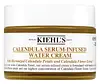
This calming moisturizer is formulated around Panthenol and Calendula Officinalis Flower Extract to calm redness and hydrate skin.
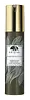
This anti-aging serum is formulated around Niacinamide and Acetyl Hexapeptide-8 to soften the look of wrinkles and refine skin texture.

What's inside
What's inside
 Key Ingredients
Benefits
Concerns
Ingredients Side-by-side
Water
Skin ConditioningDimethicone
Emollient

Glycerin
Humectant

Propylene Glycol
Humectant

Propanediol
Solvent
Panthenol
Skin Conditioning

Dimethicone/PEG-10/15 Crosspolymer
Bisabolol
Antioxidant
Diisopropyl Sebacate
EmollientSodium Chloride
MaskingPhenoxyethanol
Preservative
Polymethylsilsesquioxane
Chlorphenesin
Antimicrobial
Citrus Limon Peel Oil
Masking





Sodium Citrate
BufferingCalendula Officinalis Flower Extract
Masking
Limonene
Perfuming
PEG-10 Dimethicone
Skin Conditioning
Trisodium Ethylenediamine Disuccinate
ChelatingCalendula Officinalis Flower
Skin Conditioning
Citric Acid
Buffering

Dipropylene Glycol
HumectantGeranium Maculatum Oil
Masking
Chamomilla Recutita Flower Oil
Masking
Citral
Perfuming
Citronellol
Perfuming
Geraniol
Perfuming
Farnesol
Perfuming
Linalool
Perfuming
Tocopherol
Antioxidant


Cymbopogon Schoenanthus Oil
Masking
Artemisia Absinthium Extract
Skin ConditioningWater, Dimethicone, Glycerin, Propylene Glycol, Propanediol, Panthenol, Dimethicone/PEG-10/15 Crosspolymer, Bisabolol, Diisopropyl Sebacate, Sodium Chloride, Phenoxyethanol, Polymethylsilsesquioxane, Chlorphenesin, Citrus Limon Peel Oil, Sodium Citrate, Calendula Officinalis Flower Extract, Limonene, PEG-10 Dimethicone, Trisodium Ethylenediamine Disuccinate, Calendula Officinalis Flower, Citric Acid, Dipropylene Glycol, Geranium Maculatum Oil, Chamomilla Recutita Flower Oil, Citral, Citronellol, Geraniol, Farnesol, Linalool, Tocopherol, Cymbopogon Schoenanthus Oil, Artemisia Absinthium Extract
Water
Skin ConditioningButylene Glycol
Humectant
Niacinamide
Smoothing




Glycerin
Humectant
Heptyl Undecylenate
EmollientOctyldodecanol
Emollient
Glycereth-26
Humectant
Sodium Acrylates Copolymer
Algae Extract
Emollient
Illicium Verum Fruit/Seed Oil
Masking
Citrus Aurantium Bergamia Fruit Oil
Masking
Pelargonium Graveolens Flower Oil
Masking
Lavandula Angustifolia Oil
Masking
Citrus Limon Peel Oil
Masking
Litsea Cubeba Fruit Oil
Masking
Citrus Nobilis Peel Oil
Masking
Myristica Fragrans Kernel Oil
Masking
Citrus Aurantium Dulcis Oil
Masking
Rosa Damascena Flower Oil
Masking
Hibiscus Abelmoschus Extract
MaskingCarthamus Tinctorius Seed Oil
Masking
Linalool
Perfuming
Geraniol
Perfuming
Citronellol
Perfuming
Limonene
Perfuming
Anogeissus Leiocarpus Bark Extract
Skin ProtectingAcetyl Hexapeptide-8
Humectant
Palmitoyl Tripeptide-1
Skin Conditioning
Acetyl Octapeptide-3
Humectant
Palmitoyl Tetrapeptide-7
Skin Conditioning
Palmitoyl Hexapeptide-12
Skin Conditioning
Dipeptide Diaminobutyroyl Benzylamide Diacetate
Skin Conditioning
Sodium Hyaluronate
Humectant
Sigesbeckia Orientalis Extract
Skin ConditioningCommiphora Mukul Resin Extract
Skin ConditioningLaminaria Saccharina Extract
Skin Protecting
Glucosamine Hcl
Bambusa Vulgaris Extract
Skin Conditioning
Caffeine
Skin Conditioning
Rosmarinus Officinalis Leaf Extract
AntimicrobialMolasses Extract
Skin ConditioningTocopheryl Acetate
Antioxidant
Scutellaria Baicalensis Root Extract
Astringent
Pyrus Malus Fruit Extract
Skin Conditioning
Cucumis Sativus Fruit Extract
Emollient
Pisum Sativum Extract
Skin ConditioningCaprylic/Capric Triglyceride
Masking
Lecithin
Emollient
Xanthan Gum
EmulsifyingCaprylyl Glycol
Emollient
Hexylene Glycol
EmulsifyingPEG-8
HumectantGlyceryl Polymethacrylate
Carbomer
Emulsion StabilisingPolysorbate 20
Emulsifying
Sodium Metabisulfite
Antioxidant
Sodium Sulfite
Preservative
Disodium EDTA
ChelatingSodium Phytate
ChelatingBHT
Antioxidant
Potassium Sorbate
Preservative
Phenoxyethanol
Preservative
Essential Oils
Water, Butylene Glycol, Niacinamide, Glycerin, Heptyl Undecylenate, Octyldodecanol, Glycereth-26, Sodium Acrylates Copolymer, Algae Extract, Illicium Verum Fruit/Seed Oil, Citrus Aurantium Bergamia Fruit Oil, Pelargonium Graveolens Flower Oil, Lavandula Angustifolia Oil, Citrus Limon Peel Oil, Litsea Cubeba Fruit Oil, Citrus Nobilis Peel Oil, Myristica Fragrans Kernel Oil, Citrus Aurantium Dulcis Oil, Rosa Damascena Flower Oil, Hibiscus Abelmoschus Extract, Carthamus Tinctorius Seed Oil, Linalool, Geraniol, Citronellol, Limonene, Anogeissus Leiocarpus Bark Extract, Acetyl Hexapeptide-8, Palmitoyl Tripeptide-1, Acetyl Octapeptide-3, Palmitoyl Tetrapeptide-7, Palmitoyl Hexapeptide-12, Dipeptide Diaminobutyroyl Benzylamide Diacetate, Sodium Hyaluronate, Sigesbeckia Orientalis Extract, Commiphora Mukul Resin Extract, Laminaria Saccharina Extract, Glucosamine Hcl, Bambusa Vulgaris Extract, Caffeine, Rosmarinus Officinalis Leaf Extract, Molasses Extract, Tocopheryl Acetate, Scutellaria Baicalensis Root Extract, Pyrus Malus Fruit Extract, Cucumis Sativus Fruit Extract, Pisum Sativum Extract, Caprylic/Capric Triglyceride, Lecithin, Xanthan Gum, Caprylyl Glycol, Hexylene Glycol, PEG-8, Glyceryl Polymethacrylate, Carbomer, Polysorbate 20, Sodium Metabisulfite, Sodium Sulfite, Disodium EDTA, Sodium Phytate, BHT, Potassium Sorbate, Phenoxyethanol, Essential Oils
Reviews
Ingredients Explained
These ingredients are found in both products.
Ingredients higher up in an ingredient list are typically present in a larger amount.
Citronellol is used to add fragrance/parfum to a product. It is often derived from plants such as roses. In fact, it can be found in many essential oils including geranium, lavender, neroli, and more. The scent of Citronellol is often described as "fresh, grassy, and citrus-like".
Since the Citronellol molecule is already unstable, Citronellol becomes irritating on the skin when exposed to air.
Citronellol is a modified terpene. Terpenes are unsaturated hydrocarbons found in plants. They make up the primary part of essential oils.
Citronellol is not able to be absorbed into deeper layers of the skin. It has low permeability,
Citronellol is also a natural insect repellent.
Learn more about CitronellolCitrus Limon Peel Oil is created from the peels of the lemon. It is used to add a lemon-scent to products. Lemon peel oil also has antibacterial, antifungal, and antioxidant properties. However, it may also cause phototoxicity and sensitize skin.
Lemon peel oil contains limonene, a skin sensitizing ingredient. Another component is furanocoumarin, which induces phototoxicity in skin.
Furanocoumarins bind and destabilize your DNA to increase the rate of sunburn.
Most reputable companies will remove furanocoumarins from their formulations.
Learn more about Citrus Limon Peel OilGeraniol is used to add fragrance/parfum to a product. It is the main component of citronellol. It is a monoterpenoid and an alcohol.
Monoterpenes are naturally found in many parts of different plants.
Geraniol can be found in many essential oils including Rose Oil and Citronella Oil. The scent of Geraniol is often described as "rose-like". Many foods also contain Geraniol for fruit flavoring.
Geraniol can irritate the skin when exposed to air. However, irritation depends on the ability of geraniol to penetrate into the skin. In general, geraniol is not able to penetrate skin easily.
Geraniol is colorless and has low water-solubility. However, it is soluble in common organic solvents.
Like citronellol, it is a natural insect repellent.
2,6-Octadien-1-ol, 3,7-dimethyl-, (2E)-
Learn more about GeraniolGlycerin (or glycerol) is a compound naturally found in your skin. It's a powerhouse humectant that pulls water into the stratum corneum.
Topically, glycerin does several things at once:
Your skin makes glycerin on its own (mostly from sebaceous oil breakdown) and shuttles it to your outermost layer of skin, or your epidermis, via aquaporin-3.
Aquaporin-3 is a transporter that is essential for normal skin hydration, elasticity, and repair. Interestingly, mice lacking in AQP3 have dry and less elastic skin that can be fully corrected with glycerin.
This ingredient is non-irritating, plays well with almost every ingredient, and works across all skin types. Typical use is anywhere between 3-10% but can go up to 79% in some leave-on products.
Just know very high concentrations (>40%) can feel tacky in low humidity.
Glycerin is the name for this ingredient in American English. British English uses Glycerol/Glycerine.
Learn more about GlycerinLimonene is the compound that gives citrus peel its smell.
In skincare, it shows up as a standalone fragrance ingredient or as a natural compound of citrus and other essential oils.
You'll typically see this ingredient used in very small amounts; anything above 0.001% in a leave-on product or 0.01% in a rinse-off has to be named on the label in the EU. The citrus oils that carry it sit around 0.5-1% in a finished formula.
Fresh limonene is a weak allergen; the real issue is that it slowly reacts with air and then breaks down from oxidation to create hydroperoxides (which are strong sensitizers). This is why suppliers are required to keep the peroxide value below 20 mmol.
Positive reactions in people being investigated for eczema vary:
It's worth skipping if you have a known fragrance allergy or a compromised barrier, but the risk is low for most people.
Older or long-opened products are also more likely to bother you than fresh ones due to oxidation.
Learn more about LimoneneLinalool is a small, naturally occurring scent molecule found in plants like lavender, coriander, bergamot, and more.
It is one of the two most-used fragrance ingredients in cosmetics and added purely for smell. Since it's not used for a skin benefit, there's no "effective dose". Concentration depends on the fragrance load of the product.
The EU requires it to be named on the label above 0.001% in leave-on and 0.01% in rinse-off products.
Fresh linalool is a weak sensitizer but air exposure turns some of it into hydroperoxides, which are strong sensitizers. Those oxidation products are the actual allergy concern.
Patch-test clinics see positive reactions to linalool hydroperoxides in about 4% to 12% of dermatitis patients depending on country and test concentration.
Resassuringly, one analytical study found hydroperoxide levels in real fragranced products to be orders of magnitude below what induced sensitization in animal studies with no evidence of oxidation building up during normal storage.
The practical takeaway is that linalool is fine for most people but worth avoiding if you have a confirmed fragrance contact allergy or a badly compromised barrier.
Products stored a long time after opening are also the high-risk scenario since that is when oxidation happens.
The scent of linalool is described as floral, spicy tropical, and citrus-like.
Learn more about LinaloolPhenoxyethanol is one of the most widely used preservatives in skincare (and for good reason!).
It has a large spectrum of antimicrobial activity and especially effective bacteria, yeast, and mold while only having a weak effect on your skin's natural microbiome.
On a cellular level, it disrupts the cell membranes of microbes by poking holes that make the cell leak. This shuts down the chemical reactions the microbe needs to make energy so it can no longer survive.
Another perk of this ingredient is that it stays functional across a wide pH range (3-10).
You'll often see it paired with boosters like Ethylhexylglycerin; one study showed that a 1:9 ratio of Ethylhexylglycerin to Phenoxyethanol damages bacterial membranes as effectively as doubling the Phenoxyethanol concentration on its own.
Typical use concentrations range from 0.3-1% depending on the formula, and this ingredient is capped at 1% int the EU.
Safety-wise, the fear mongering does not hold up to the evidence. The EU's Scientific Committee on Consumer Safety and FDA consider it safe as a preservative at up to 1%, including for children of all ages.
Adverse systemic effects only showed up in animal studies at exposures roughly 200x higher than what people get from cosmetics. And despite its very widespread use, this ingredient is a rare sensitizer and allergic reactions are uncommon.
Learn more about PhenoxyethanolWater. It's the most common cosmetic ingredient of all. You'll usually see it at the top of ingredient lists, meaning that it makes up the largest part of the product.
So why is it so popular? Water most often acts as a solvent - this means that it helps dissolve other ingredients into the formulation.
You'll also recognize water as that liquid we all need to stay alive. If you see this, drink a glass of water. Remember to stay hydrated!
Learn more about Water

