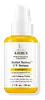
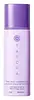
Kiehl's Better Screen UV Serum SPF 50+ Facial Sunscreen With Collagen Peptide Versus Tatcha The Silk Sunscreen SPF 50 Weightless Mineral Sunscreen
This chemical sunscreen covers most of the UV range, lighter on the deep UVA that drives aging.
This hybrid sunscreen covers the full UV range and blocks ~98% of UVB at SPF 50.

What's inside
What's inside
 Key Ingredients
Benefits
Concerns
Ingredients Side-by-side
Butyl Methoxydibenzoylmethane 3%
UV Absorber
Homosalate 7%
Skin Conditioning
Ethylhexyl Salicylate 5%
UV Absorber
Octocrylene 7%
UV Absorber

Water
Skin ConditioningGlycerin
Humectant


C15-19 Alkane
SolventPropanediol
Solvent
C12-22 Alkyl Acrylate/Hydroxyethylacrylate Copolymer
StabilisingTocopherol
Antioxidant





Sodium Stearoyl Glutamate
CleansingButylene Glycol
Humectant
Cetearyl Alcohol
Emollient





Sclerotium Gum
Emulsion StabilisingHydroxyacetophenone
Antioxidant
Caprylyl Glycol
Emollient
Sodium Starch Octenylsuccinate
AbsorbentGlyceryl Stearate
Emollient
Jojoba Esters
Emollient
Helianthus Annuus Seed Wax
Skin Conditioning
Hydroxypropyl Starch Phosphate
Trisodium Ethylenediamine Disuccinate
Carbomer
Emulsion StabilisingSodium Lactate
Buffering
Sodium Hydroxide
BufferingPolysorbate 20
Emulsifying
Polyglycerin-3
Humectant
Palmitoyl Tripeptide-1
Skin Conditioning

Palmitoyl Tetrapeptide-7
Skin Conditioning
Butyl Methoxydibenzoylmethane 3%, Homosalate 7%, Ethylhexyl Salicylate 5%, Octocrylene 7%, Water, Glycerin, C15-19 Alkane, Propanediol, C12-22 Alkyl Acrylate/Hydroxyethylacrylate Copolymer, Tocopherol, Sodium Stearoyl Glutamate, Butylene Glycol, Cetearyl Alcohol, Sclerotium Gum, Hydroxyacetophenone, Caprylyl Glycol, Sodium Starch Octenylsuccinate, Glyceryl Stearate, Jojoba Esters, Helianthus Annuus Seed Wax, Hydroxypropyl Starch Phosphate, Trisodium Ethylenediamine Disuccinate, Carbomer, Sodium Lactate, Sodium Hydroxide, Polysorbate 20, Polyglycerin-3, Palmitoyl Tripeptide-1, Palmitoyl Tetrapeptide-7
Zinc Oxide 10%
Cosmetic Colorant
Water
Skin ConditioningC12-15 Alkyl Benzoate
AntimicrobialCaprylic/Capric Triglyceride
Masking
Lauryl PEG-8 Dimethicone
Surfactant
Dimethicone
Emollient
Isododecane
EmollientTridecyl Salicylate
Skin Conditioning
Hdi/Trimethylol Hexyllactone Crosspolymer
Propanediol
Solvent
Caprylyl Methicone
Skin Conditioning
Polymethylsilsesquioxane
Niacinamide
Smoothing



Saccharomyces/Rice Ferment Filtrate
Skin Conditioning
Silica
Abrasive
Squalane
Emollient
Camellia Sinensis Leaf Extract
Antimicrobial
Cladosiphon Okamuranus Extract
Skin Conditioning
Hydrolyzed Silk
Humectant
Bisabolol
Antioxidant
Allantoin
Skin Conditioning
Tocopherol
Antioxidant
Theobroma Cacao Seed Extract
Antioxidant
Arctium Lappa Root Extract
Skin Conditioning
Kappaphycus Alvarezii Extract
Skin Conditioning
Sodium Hyaluronate
Humectant
Lecithin
Emollient
Caesalpinia Spinosa Fruit Extract
Skin ProtectingLactobacillus
Skin ConditioningMaltodextrin
Absorbent
Caprylyl Glycol
Emollient
Dimethicone Crosspolymer
Emulsion Stabilising
Hydrogenated Lecithin
Emulsifying
Tetrasodium Glutamate Diacetate
PEG-10
HumectantPolyglyceryl-2 Dipolyhydroxystearate
Skin Conditioning
Propylene Glycol
Humectant
Lauryl PEG-10 Tris(Trimethylsiloxy)Silylethyl Dimethicone
Emulsifying
Polyglyceryl-4 Diisostearate/Polyhydroxystearate/Sebacate
Emulsifying
Butylene Glycol
Humectant
Phosphoric Acid
BufferingSodium Hydroxide
BufferingSodium Chloride
MaskingHexylene Glycol
EmulsifyingEthylhexylglycerin
Skin ConditioningPhenoxyethanol
Preservative
Iron Oxides
Zinc Oxide 10%, Water, C12-15 Alkyl Benzoate, Caprylic/Capric Triglyceride, Lauryl PEG-8 Dimethicone, Dimethicone, Isododecane, Tridecyl Salicylate, Hdi/Trimethylol Hexyllactone Crosspolymer, Propanediol, Caprylyl Methicone, Polymethylsilsesquioxane, Niacinamide, Saccharomyces/Rice Ferment Filtrate, Silica, Squalane, Camellia Sinensis Leaf Extract, Cladosiphon Okamuranus Extract, Hydrolyzed Silk, Bisabolol, Allantoin, Tocopherol, Theobroma Cacao Seed Extract, Arctium Lappa Root Extract, Kappaphycus Alvarezii Extract, Sodium Hyaluronate, Lecithin, Caesalpinia Spinosa Fruit Extract, Lactobacillus, Maltodextrin, Caprylyl Glycol, Dimethicone Crosspolymer, Hydrogenated Lecithin, Tetrasodium Glutamate Diacetate, PEG-10, Polyglyceryl-2 Dipolyhydroxystearate, Propylene Glycol, Lauryl PEG-10 Tris(Trimethylsiloxy)Silylethyl Dimethicone, Polyglyceryl-4 Diisostearate/Polyhydroxystearate/Sebacate, Butylene Glycol, Phosphoric Acid, Sodium Hydroxide, Sodium Chloride, Hexylene Glycol, Ethylhexylglycerin, Phenoxyethanol, Iron Oxides
Reviews
Ingredients Explained
These ingredients are found in both products.
Ingredients higher up in an ingredient list are typically present in a larger amount.
Butylene Glycol (or BG) is used within cosmetic products for a few different reasons:
Overall, Butylene Glycol is a safe and well-rounded ingredient that works well with other ingredients.
Though this ingredient works well with most skin types, some people with sensitive skin may experience a reaction such as allergic rashes, closed comedones, or itchiness.
Learn more about Butylene GlycolCaprylyl Glycol is a humectant, skin conditioner, emollient, and preservative booster derived from either caprylic acid or synthetically created.
Typical use levels vary from 0.3-1% as a preservative booster and go up to 2% to condition skin.
Because it is not a free-fatty acid, this ingredient is fungal acne safe (there's nothing for Malassezia to feed on).
Learn more about Caprylyl GlycolPropanediol is an all-star ingredient. It softens, hydrates, and smooths the skin.
It’s often used to:
Propanediol is not likely to cause sensitivity and considered safe to use. It is derived from corn or petroleum with a clear color and no scent.
Learn more about PropanediolSodium Hydroxide is also known as lye or caustic soda. It is used to adjust the pH of products; many ingredients require a specific pH to be effective.
In small amounts, sodium hydroxide is considered safe to use. However, large amounts may cause chemical burns due to its high alkaline.
Your skin has a natural pH and acid mantle. This acid mantle helps prevent harmful bacteria from breaking through. The acid mantle also helps keep your skin hydrated.
"Alkaline" refers to a high pH level. A low pH level would be considered acidic.
Learn more about Sodium HydroxideTocopherol is a fat-soluble antioxidant known as Vitamin E.
You'll find this ingredient in the vast majority of skincare (for good reason). It works to neutralize free radicals, or unstable molecules generated by UV exposure, pollution, and other environmental stressors, before they can cause oxidative damage to your skin cells.
Topically applied tocopherol has been shown to protect against UV damage by ramping up the skin's own natural defense enzymes.
It also acts as a skin conditioning agent; some studies show that regular topical use can improve the skin's water-binding capacity over 2-4 weeks.
This ingredient is especially loved for being a team player. When combined with Vitamin C, the photoprotective effect of both ingredients roughly doubles and the combo also helps reduce UV-induced DNA damage.
This ingredient has some brightening potential but it's more of a prevention ingredient than spot-fader. Cell studies show it can slow down melanin production but it's worth noting that it's not the most powerful brightener out there.
In formulations, it also serves as a stabilizer that helps protect other oxidation-prone ingredients from degrading.
Concentrations usually range from 0.1-1% in most leave-on products.
Learn more about TocopherolWater. It's the most common cosmetic ingredient of all. You'll usually see it at the top of ingredient lists, meaning that it makes up the largest part of the product.
So why is it so popular? Water most often acts as a solvent - this means that it helps dissolve other ingredients into the formulation.
You'll also recognize water as that liquid we all need to stay alive. If you see this, drink a glass of water. Remember to stay hydrated!
Learn more about Water

