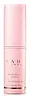
This anti-aging moisturizer is formulated around Helianthus Annuus Seed Oil and Adenosine to soften the look of wrinkles and hydrate skin.
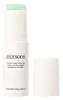
This calming moisturizer is formulated around Centella Asiatica Extract and Bisabolol to calm redness and strengthen the skin barrier.

What's inside
What's inside
 Key Ingredients
Benefits
Concerns
Ingredients Side-by-side
Helianthus Annuus Seed Oil
Emollient



Polyglyceryl-2 Triisostearate
Emulsifying
Euphorbia Cerifera Cera
Astringent
Butyrospermum Parkii Butter
Skin Conditioning



Prunus Amygdalus Dulcis Oil
Skin Conditioning
Pyrus Malus Seed Oil
Emollient
Octyldodecanol
Emollient
Microcrystalline Wax
Emulsion StabilisingEclipta Prostrata Extract
Skin Conditioning
Melia Azadirachta Leaf Extract
Skin ConditioningGlycyrrhiza Glabra Root Extract
Bleaching



Moringa Oleifera Seed Oil
Emollient
Candida/Garcinia Cambogia Ferment
Oryza Sativa Germ Oil
Emollient
Schisandra Chinensis Fruit Extract
Skin Conditioning
Curcuma Longa Root Extract
Antioxidant

Lithospermum Erythrorhizon Root Extract
Skin ConditioningCanola Oil
Emollient
Caesalpinia Spinosa Fruit Extract
Skin ProtectingChlorella Vulgaris Extract
Skin ConditioningKappaphycus Alvarezii Extract
Skin Conditioning
Daucus Carota Sativa Seed Oil
Emollient
Hydrolyzed Collagen
Emollient
Althaea Rosea Flower Extract
Skin ConditioningDaucus Carota Sativa Root Extract
Skin Conditioning
Tocopherol
Antioxidant
Adenosine
Skin Conditioning
Water
Skin ConditioningButylene Glycol
Humectant
1,2-Hexanediol
Skin Conditioning
Beta-Carotene
Skin ConditioningTocopheryl Acetate
Antioxidant
Ethylhexylglycerin
Skin ConditioningSoluble Proteoglycan
Skin ConditioningSodium DNA
Skin Conditioning
BHT
Antioxidant
Parfum
Masking

Benzyl Salicylate
Perfuming
Benzyl Benzoate
Antimicrobial
Butylphenyl Methylpropional
Perfuming
Hexyl Cinnamal
Perfuming
Hydroxycitronellal
Perfuming
Citronellol
Perfuming
Alpha-Isomethyl Ionone
Perfuming
Gardenia Florida Fruit Extract
Skin ConditioningHelianthus Annuus Seed Oil, Polyglyceryl-2 Triisostearate, Euphorbia Cerifera Cera, Butyrospermum Parkii Butter, Prunus Amygdalus Dulcis Oil, Pyrus Malus Seed Oil, Octyldodecanol, Microcrystalline Wax, Eclipta Prostrata Extract, Melia Azadirachta Leaf Extract, Glycyrrhiza Glabra Root Extract, Moringa Oleifera Seed Oil, Candida/Garcinia Cambogia Ferment, Oryza Sativa Germ Oil, Schisandra Chinensis Fruit Extract, Curcuma Longa Root Extract, Lithospermum Erythrorhizon Root Extract, Canola Oil, Caesalpinia Spinosa Fruit Extract, Chlorella Vulgaris Extract, Kappaphycus Alvarezii Extract, Daucus Carota Sativa Seed Oil, Hydrolyzed Collagen, Althaea Rosea Flower Extract, Daucus Carota Sativa Root Extract, Tocopherol, Adenosine, Water, Butylene Glycol, 1,2-Hexanediol, Beta-Carotene, Tocopheryl Acetate, Ethylhexylglycerin, Soluble Proteoglycan, Sodium DNA, BHT, Parfum, Benzyl Salicylate, Benzyl Benzoate, Butylphenyl Methylpropional, Hexyl Cinnamal, Hydroxycitronellal, Citronellol, Alpha-Isomethyl Ionone, Gardenia Florida Fruit Extract
Caprylic/Capric Triglyceride
Masking
Dicaprylyl Carbonate
EmollientHelianthus Annuus Seed Oil
Emollient
Silica
Abrasive


Trioctyldodecyl Citrate
EmollientSynthetic Wax
Abrasive
Synthetic Fluorphlogopite
Vinyl Dimethicone/Methicone Silsesquioxane Crosspolymer

Polyethylene
Abrasive
Bis-Behenyl/Isostearyl/Phytosteryl Dimer Dilinoleyl Dimer Dilinoleate
EmollientTocopheryl Acetate
Antioxidant
Ricinus Communis Seed Oil
Masking
Phytosteryl/Isostearyl/Cetyl/Stearyl/Behenyl Dimer Dilinoleate
Skin Conditioning
Macadamia Seed Oil Polyglyceryl-6 Esters Behenate
Emollient
Ceresin
Emulsion StabilisingMicrocrystalline Wax
Emulsion StabilisingMelia Azadirachta Leaf Extract
Skin ConditioningMelia Azadirachta Flower Extract
Skin ConditioningCoccinia Indica Fruit Extract
Skin Conditioning
Centella Asiatica Extract
Cleansing
Solanum Melongena Fruit Extract
Skin ConditioningCurcuma Longa Root Extract
Antioxidant
Ocimum Sanctum Leaf Extract
Skin ConditioningCorallina Officinalis Extract
Skin Conditioning
Aloe Barbadensis Flower Extract
EmollientSimmondsia Chinensis Seed Oil
Emollient
Sorbitan Olivate
Emulsifying
Bisabolol
Antioxidant
Sorbitan Sesquioleate
Emulsifying
Silica Silylate
Emollient
Tocopherol
Antioxidant
Glyceryl Behenate/Eicosadioate
Emollient
Propylene Glycol Dicaprylate/Dicaprate
EmollientAmber Powder
Moringa Oleifera Seed Oil
Emollient
Dehydroacetic Acid
Preservative
Caprylic/Capric Triglyceride, Dicaprylyl Carbonate, Helianthus Annuus Seed Oil, Silica, Trioctyldodecyl Citrate, Synthetic Wax, Synthetic Fluorphlogopite, Vinyl Dimethicone/Methicone Silsesquioxane Crosspolymer, Polyethylene, Bis-Behenyl/Isostearyl/Phytosteryl Dimer Dilinoleyl Dimer Dilinoleate, Tocopheryl Acetate, Ricinus Communis Seed Oil, Phytosteryl/Isostearyl/Cetyl/Stearyl/Behenyl Dimer Dilinoleate, Macadamia Seed Oil Polyglyceryl-6 Esters Behenate, Ceresin, Microcrystalline Wax, Melia Azadirachta Leaf Extract, Melia Azadirachta Flower Extract, Coccinia Indica Fruit Extract, Centella Asiatica Extract, Solanum Melongena Fruit Extract, Curcuma Longa Root Extract, Ocimum Sanctum Leaf Extract, Corallina Officinalis Extract, Aloe Barbadensis Flower Extract, Simmondsia Chinensis Seed Oil, Sorbitan Olivate, Bisabolol, Sorbitan Sesquioleate, Silica Silylate, Tocopherol, Glyceryl Behenate/Eicosadioate, Propylene Glycol Dicaprylate/Dicaprate, Amber Powder, Moringa Oleifera Seed Oil, Dehydroacetic Acid
Reviews
Ingredients Explained
These ingredients are found in both products.
Ingredients higher up in an ingredient list are typically present in a larger amount.
Curcuma Longa Root Extract comes from the rhizome (underground stem) of the turmeric plant.
While the official EU Cosing Database lists this ingredient as a fragrance, it actually does more than give products a scent.
This ingredient contains a group of yellow pigments called curcuminoids (mostly curcumin) that give it genuine antioxidant and anti-inflammatory activity in skin.
Reviews of topical clinical studies have found turmeric/curcumin to be generally well-tolerated and useful across conditions like eczema and mild inflammation.
One thing working in its favor is that curcumin barely penetrates; in lab skin-permeation testing, the curcuminoids mostly stayed in the outermost layer of skin. This is a good thing because its soothing and antioxidant activity is a surface-level job anyway.
At this time, industry data shows there's no single "correct" cosmetic percentage. It's used across a wide range depending on the product and varies from tiny fractions of a percent up to a few percent.
Allergy-wise, curcumin is a documented (but uncommon) contact allergen. It can also cross react with related plants, so anyone with a turmeric/ginger/cinnamon allergy or reactive skin should patch test first.
Learn more about Curcuma Longa Root ExtractHelianthus Annuus Seed Oil is a plant oil derived from the seeds of a sunflower.
It is rich in fatty acids, primarily linoleic acid and oleic acid. This gives it emollient and skin conditioning properties.
The reason this ingredient is so effective is because it forms a thin film on the skin that reduces transepidermal water loss (TEWL) while supplying linoleic acid to the stratum corneum to improve barrier strength.
The high linoleic acid content is particularly noteworthy for acne-prone skin.
Research suggests that acne-prone skin tends to be deficient in linoleic acid in sebum. Topical application may help replenish this to support a healthier follicular environment and less comedone-promoting sebum.
One randomized study found sunflower seed oil preserved skin barrier integrity in adult volunteers with and without atopic dermatitis (outperforming olive oil).
This ingredient is well-studied, gentle, and an effective emollient suitable for most skin types.
On fungal acne: This ingredient may not be Fungal acne (Malassezia folliculitis) safe. This is because it contains fatty acids with carbon chain lengths in the C11-C24 range.
Learn more about Helianthus Annuus Seed OilThis ingredient is also known as neem leaf extract. It contains natural compounds like nimbidin, quercetin, and other polyphenols that give it antibacterial, antifungal, and anti-inflammatory activity.
Lab studies have shown neem leaf extract can inhibit acne-related bacteria and help calm skin. Animal studies on wound gels using 1-3% neem leaf extract found it sped up healing without causing irritation.
A wound-healing study testing gels with the extract at 1%, 2%, and 3% concentrations and found none of them irritated the skin.
Most commercial products also use it in a similar low range (typically under 5%).
Allergy-wise, there are some case reports on neem oil causing allergic contact dermatitis so people with plant/botanical sensitivities may want to patch test first.
Learn more about Melia Azadirachta Leaf ExtractMicrocrystalline Wax is derived from petroleum through a de-oiling process, then highly refined and purified before use in cosmetics.
In skincare formulations, it is used to improve texture and create a smooth, even consistency. It also helps stabilize products by preventing ingredients from separating.
Moringa Oleifera Seed Oil is a lightweight oil from the seeds of the Moringa oleifera tree. In cosmetics, it's an emollient that forms a light film to slow water loss and soften skin.
Its fatty acid composition is dominated by oleic acid (70-78%), with smaller amounts of behenic, palmitic, and stearic acids (this profile is actually pretty similar to olive oil).
Notably, this ingredient is oxidatively stable for an oil and resists going rancid as fast as other oils.
A small, in vivo study on 32 participants found a cream with this ingredient increased skin hydration with no reported skin irritation. It also found the tocopherol content gave it some antioxidant activity as well.
One thing to flag for fungal acne:
Because this oil is so high in oleic acid, Malassezia can use it as a food source and this ingredient may not be fungal acne safe.
For everyone else, this ingredient is well-tolerated and nourishing with a good safety track record.
Learn more about Moringa Oleifera Seed OilTocopherol is a fat-soluble antioxidant known as Vitamin E.
You'll find this ingredient in the vast majority of skincare (for good reason). It works to neutralize free radicals, or unstable molecules generated by UV exposure, pollution, and other environmental stressors, before they can cause oxidative damage to your skin cells.
Topically applied tocopherol has been shown to protect against UV damage by ramping up the skin's own natural defense enzymes.
It also acts as a skin conditioning agent; some studies show that regular topical use can improve the skin's water-binding capacity over 2-4 weeks.
This ingredient is especially loved for being a team player. When combined with Vitamin C, the photoprotective effect of both ingredients roughly doubles and the combo also helps reduce UV-induced DNA damage.
This ingredient has some brightening potential but it's more of a prevention ingredient than spot-fader. Cell studies show it can slow down melanin production but it's worth noting that it's not the most powerful brightener out there.
In formulations, it also serves as a stabilizer that helps protect other oxidation-prone ingredients from degrading.
Concentrations usually range from 0.1-1% in most leave-on products.
Learn more about TocopherolTocopheryl Acetate is a stable, shelf-friendly form of vitamin E.
Formulators love it because plain vitamin E oxidizes quickly once it hits air. This acetate version stays stable and resists going off, helping to extend a product's shelf life.
It's actually inactive on its own and works like a slow-release "storage" form; the enzymes in your skin called esterases gradually convert it into active vitamin E over time.
One in vivo study showed 5% of the acetate in the living layer of the epidermis converted to vitamin E after 5 days of application. This study also found the skin gained protection against UV damage even though the conversion was slow and small.
Once converted, vitamin E acts as a skin's main fat-soluble antioxidant that fights free radicals to protect skin from damage.
Topical vitamin E generally boosts the skin's photoprotection, and it reduced UV-damage in animal models.
This ingredient has some brightening potential but it's more of a prevention ingredient than spot-fader. Cell studies show it can slow down melanin production but it's worth noting that it's not the most powerful brightener out there.
Overall, it has a pretty solid safety profile and has been found to be non-irritating and non-comedogenic. Allergic reactions may happen but stay rare due to how widely the ingredient gets used.
The concentration will vary depending on the formula; industry data shows 0.1% in baby lotions, 3% in lipsticks, and 5% in foot powders. You can also find this ingredient at 100% in a pure vitamin E oil.
Most leave-on skincare keeps it at the lower end, often between 0.5-1%.
Learn more about Tocopheryl Acetate

