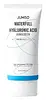
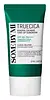
JUMISO Waterfull Hyaluronic Acid Sunscreen SPF 50+ PA++++ Versus Some By Mi Truecica Mineral Calming Tone-up Suncream SPF 50+ PA++++
This chemical sunscreen covers the full UV range and blocks ~98% of UVB at SPF 50.
This hybrid sunscreen covers the full UV range and blocks ~98% of UVB at SPF 50.

What's inside
What's inside
 Key Ingredients
Benefits
Concerns
Ingredients Side-by-side
Water
Skin ConditioningDipropylene Glycol
HumectantDibutyl Adipate
EmollientPhenethyl Benzoate
Emollient

CI 77891
Cosmetic ColorantIsononyl Isononanoate
EmollientGlycerin
Humectant


Niacinamide
Smoothing









Ethylhexyl Triazone
UV Absorber
Nylon-12

Polysilicone-15
UV Filter
Polyglyceryl-3 Methylglucose Distearate
Emulsifying

Potassium Cetyl Phosphate
EmulsifyingBehenyl Alcohol
Emollient
Poly C10-30 Alkyl Acrylate
Emulsion StabilisingTromethamine
BufferingSodium Acrylates Crosspolymer-2
AbsorbentHydroxyacetophenone
Antioxidant
Stearic Acid
Cleansing
Sodium Polyacryloyldimethyl Taurate
Emulsion StabilisingDisodium EDTA
T-Butyl Alcohol
Perfuming


Butylene Glycol
Humectant
Hyaluronic Acid
Humectant
Ethylhexylglycerin
Skin ConditioningHydrolyzed Hyaluronic Acid
Humectant
Terephthalylidene Dicamphor Sulfonic Acid
UV Absorber
Aluminum Hydroxide
EmollientDiethylamino Hydroxybenzoyl Hexyl Benzoate
UV Filter
Bis-Ethylhexyloxyphenol Methoxyphenyl Triazine
UV Absorber
Silica
Abrasive
Sodium Hyaluronate
Humectant
Polyhydroxystearic Acid
Emulsifying
Polyglyceryl-2 Dipolyhydroxystearate
Skin Conditioning
1,2-Hexanediol
Skin Conditioning
Hydroxyethyl Acrylate/Sodium Acryloyldimethyl Taurate Copolymer
Emulsion StabilisingPolyacrylate Crosspolymer-6
Emulsion StabilisingCoco-Caprylate/Caprate
Emollient
Water, Dipropylene Glycol, Dibutyl Adipate, Phenethyl Benzoate, CI 77891, Isononyl Isononanoate, Glycerin, Niacinamide, Ethylhexyl Triazone, Nylon-12, Polysilicone-15, Polyglyceryl-3 Methylglucose Distearate, Potassium Cetyl Phosphate, Behenyl Alcohol, Poly C10-30 Alkyl Acrylate, Tromethamine, Sodium Acrylates Crosspolymer-2, Hydroxyacetophenone, Stearic Acid, Sodium Polyacryloyldimethyl Taurate, Disodium EDTA, T-Butyl Alcohol, Butylene Glycol, Hyaluronic Acid, Ethylhexylglycerin, Hydrolyzed Hyaluronic Acid, Terephthalylidene Dicamphor Sulfonic Acid, Aluminum Hydroxide, Diethylamino Hydroxybenzoyl Hexyl Benzoate, Bis-Ethylhexyloxyphenol Methoxyphenyl Triazine, Silica, Sodium Hyaluronate, Polyhydroxystearic Acid, Polyglyceryl-2 Dipolyhydroxystearate, 1,2-Hexanediol, Hydroxyethyl Acrylate/Sodium Acryloyldimethyl Taurate Copolymer, Polyacrylate Crosspolymer-6, Coco-Caprylate/Caprate
Melaleuca Alternifolia Leaf Water
Antimicrobial
Cyclopentasiloxane
Emollient
Zinc Oxide
Cosmetic Colorant
Butyloctyl Salicylate
Skin Conditioning
Titanium Dioxide
Cosmetic Colorant
Propanediol
Solvent
Benzotriazolyl Dodecyl P-Cresol
UV AbsorberPEG-10 Dimethicone
Skin Conditioning
Niacinamide
Smoothing
Phenyl Trimethicone
Skin Conditioning
Disteardimonium Hectorite
StabilisingMagnesium Sulfate
1,2-Hexanediol
Skin Conditioning
Caprylic/Capric Glycerides
EmollientDimethicone
Emollient
Vp/Hexadecene Copolymer
Polymethylsilsesquioxane
Aluminum Hydroxide
EmollientStearic Acid
Cleansing
Sorbitan Sesquioleate
Emulsifying
Dimethicone Crosspolymer
Emulsion Stabilising
Dimethicone/Vinyl Dimethicone Crosspolymer
Skin Conditioning
Lavandula Angustifolia Oil
Masking



Adenosine
Skin Conditioning
Water
Skin ConditioningAloe Barbadensis Leaf Extract
Emollient
Glycerin
Humectant
Centella Asiatica Leaf Extract
Skin Conditioning
Butylene Glycol
Humectant
Artemisia Vulgaris Extract
Skin Conditioning
Glycolipids
Skin ConditioningPyrus Communis Flower Extract
Skin ConditioningPolyglyceryl-10 Oleate
Skin Conditioning
Resveratrol
Antioxidant
Ethylhexylglycerin
Skin ConditioningAsiaticoside
Antioxidant
Madecassic Acid
Skin Conditioning
Asiatic Acid
Skin Conditioning
Madecassoside
Antioxidant
Triethoxycaprylylsilane
Linalool
Perfuming
Limonene
Perfuming
Melaleuca Alternifolia Leaf Water, Cyclopentasiloxane, Zinc Oxide, Butyloctyl Salicylate, Titanium Dioxide, Propanediol, Benzotriazolyl Dodecyl P-Cresol, PEG-10 Dimethicone, Niacinamide, Phenyl Trimethicone, Disteardimonium Hectorite, Magnesium Sulfate, 1,2-Hexanediol, Caprylic/Capric Glycerides, Dimethicone, Vp/Hexadecene Copolymer, Polymethylsilsesquioxane, Aluminum Hydroxide, Stearic Acid, Sorbitan Sesquioleate, Dimethicone Crosspolymer, Dimethicone/Vinyl Dimethicone Crosspolymer, Lavandula Angustifolia Oil, Adenosine, Water, Aloe Barbadensis Leaf Extract, Glycerin, Centella Asiatica Leaf Extract, Butylene Glycol, Artemisia Vulgaris Extract, Glycolipids, Pyrus Communis Flower Extract, Polyglyceryl-10 Oleate, Resveratrol, Ethylhexylglycerin, Asiaticoside, Madecassic Acid, Asiatic Acid, Madecassoside, Triethoxycaprylylsilane, Linalool, Limonene
Reviews
Ingredients Explained
These ingredients are found in both products.
Ingredients higher up in an ingredient list are typically present in a larger amount.
1,2-Hexanediol is a synthetic liquid and another multi-functional powerhouse.
It is a:
- Humectant, drawing moisture into the skin
- Emollient, helping to soften skin
- Solvent, dispersing and stabilizing formulas
- Preservative booster, enhancing the antimicrobial activity of other preservatives
Aluminum Hydroxide is a form of aluminum. It can be naturally found in nature as the mineral gibbsite. In cosmetics, Aluminum Hydroxide is used as a colorant, pH adjuster, and absorbent.
As a colorant, Aluminum Hydroxide may add opacity, or reduce the transparency. Aluminum hydroxide is contains both basic and acidic properties.
According to manufacturers, this ingredient is an emollient and humectant. This means it helps hydrate the skin.
In medicine, this ingredient is used to help relieve heartburn and help heal ulcers.
There is currently no credible scientific evidence linking aluminum hydroxide in cosmetics to increased cancer risk.
Major health organizations allow the use of aluminum hydroxide in personal care products and have not flagged it as a carcinogenic risk at typical usage levels.
Learn more about Aluminum HydroxideButylene Glycol (or BG) is used within cosmetic products for a few different reasons:
Overall, Butylene Glycol is a safe and well-rounded ingredient that works well with other ingredients.
Though this ingredient works well with most skin types, some people with sensitive skin may experience a reaction such as allergic rashes, closed comedones, or itchiness.
Learn more about Butylene GlycolEthylhexylglycerin is created from glycerin. It is a multitasker ingredient that:
The CIR Expert Panel found minimal skin absorption or sensitization of any kind in a safety assessment. Though this ingredient is considered well-tolerated, a small number of cases of allergic dermatitis have been published since 2002. Just be sure to patch test if you are unsure.
Industry-reported use ranges from 8% in rinse-off products and 2% in leave-on formulations.
Learn more about EthylhexylglycerinGlycerin (or glycerol) is a compound naturally found in your skin. It's a powerhouse humectant that pulls water into the stratum corneum.
Topically, glycerin does several things at once:
Your skin makes glycerin on its own (mostly from sebaceous oil breakdown) and shuttles it to your outermost layer of skin, or your epidermis, via aquaporin-3.
Aquaporin-3 is a transporter that is essential for normal skin hydration, elasticity, and repair. Interestingly, mice lacking in AQP3 have dry and less elastic skin that can be fully corrected with glycerin.
This ingredient is non-irritating, plays well with almost every ingredient, and works across all skin types. Typical use is anywhere between 3-10% but can go up to 79% in some leave-on products.
Just know very high concentrations (>40%) can feel tacky in low humidity.
Glycerin is the name for this ingredient in American English. British English uses Glycerol/Glycerine.
Learn more about GlycerinNiacinamide is a multitasking form of vitamin B3 that strengthens the skin barrier, reduces pores and dark spots, regulates oil, and improves signs of aging.
And the best part? It's gentle and well-tolerated by most skin types, including sensitive and reactive skin.
You might have heard of "niacin flush", or the reddening of skin that causes itchiness. Niacinamide has not been found to cause this.
In very rare cases, some individuals may not be able to tolerate niacinamide at all or experience an allergic reaction to it.
If you are experiencing flaking, irritation, and dryness with this ingredient, be sure to double check all your products as this ingredient can be found in all categories of skincare.
When incorporating niacinamide into your routine, look out for concentration amounts. Typically, 5% niacinamide provides benefits such as fading dark spots. However, if you have sensitive skin, it is better to begin with a smaller concentration.
When you apply niacinamide to your skin, your body converts it into nicotinamide adenine dinucleotide (NAD). NAD is an essential coenzyme that is already found in your cells as "fuel" and powers countless biological processes.
In your skin, NAD helps repair cell damage, produce new healthy cells, support collagen production, strengthen the skin barrier, and fight environmental stressors (like UV and pollution).
Our natural NAD levels start to decline with age, leading to slower skin repair, visible aging, and a weaker skin barrier. By providing your skin niacinamide, you're recharging your skin's NAD levels. This leads to stronger, healthier, and younger looking skin.
Another name for vitamin B3 is nicotinamide. This vitamin is water-soluble and our bodies don't store it. We obtain Vitamin B3 from either food or skincare. Meat, fish, wheat, yeast, and leafy greens contain vitamin B3.
The type of niacinamide used in skincare is synthetically created.
Learn more about NiacinamideStearic Acid is a fatty acid that is already found in your skin. It's one of the free fatty acids that works alongside ceramides and cholesterols to maintain your barrier.
In cosmetics, it is a multitasker:
Safety-wise, the CIR Expert Panel has concluded it to be safe in cosmetics when formulated to be non-irritating and non-sensitizing.
Free stearic acid is a C18 fatty acid that the Malassezia yeast can substrate, so this ingredient may not be fungal acne safe.
Learn more about Stearic AcidWater. It's the most common cosmetic ingredient of all. You'll usually see it at the top of ingredient lists, meaning that it makes up the largest part of the product.
So why is it so popular? Water most often acts as a solvent - this means that it helps dissolve other ingredients into the formulation.
You'll also recognize water as that liquid we all need to stay alive. If you see this, drink a glass of water. Remember to stay hydrated!
Learn more about Water

