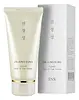
This barrier-repair moisturizer is formulated around Niacinamide and Ceramide NP to strengthen the skin barrier and soften the look of wrinkles.
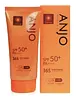
This hybrid sunscreen covers the full UV range and blocks ~98% of UVB at SPF 50.

What's inside
What's inside
 Key Ingredients
Benefits
Concerns
Ingredients Side-by-side
Water
Skin ConditioningDipropylene Glycol
HumectantHydrogenated Polydecene
EmollientPhenyl Trimethicone
Skin Conditioning
Glycerin
Humectant


1,2-Hexanediol
Skin Conditioning
Niacinamide
Smoothing









Caprylic/Capric Triglyceride
Masking
Glyceryl Stearate
Emollient

Ceramide As
Skin Conditioning
Ceramide AP
Skin Conditioning
Ceramide Ns
Skin Conditioning
Ceramide NP
Skin Conditioning
Centella Asiatica Extract
Cleansing
Centella Asiatica Root Extract
Skin Conditioning
Centella Asiatica Leaf Extract
Skin Conditioning
Madecassoside
Antioxidant
Madecassic Acid
Skin Conditioning
Asiaticoside
Antioxidant
Asiatic Acid
Skin Conditioning
Sodium Hyaluronate
Humectant
Hyaluronic Acid
Humectant
Sodium Acetylated Hyaluronate
Humectant
Sodium Hyaluronate Crosspolymer
Humectant
Potassium Hyaluronate
Skin ConditioningHydroxypropyltrimonium Hyaluronate
Hydrolyzed Sodium Hyaluronate
Skin Conditioning
Hydrolyzed Hyaluronic Acid
Humectant
Copper Tripeptide-1
Skin Conditioning
Tripeptide-1
Skin Conditioning
Palmitoyl Tripeptide-1
Skin Conditioning
Palmitoyl Pentapeptide-4
Skin Conditioning
Hexapeptide-11
Skin Conditioning
Hexapeptide-9
Skin Conditioning
Acetyl Hexapeptide-8
Humectant
Sparassis Crispa Extract
Emulsion StabilisingGlycine Soja Germ Extract
EmollientCamellia Japonica Flower Extract
EmollientUndaria Pinnatifida Extract
Skin ConditioningIllicium Verum Fruit Extract
Perfuming
Geranium Maculatum Extract
TonicChrysanthellum Indicum Extract
Skin Conditioning
Laminaria Digitata Extract
Skin Protecting

Camellia Sinensis Leaf Extract
Antimicrobial
Ficus Carica Fruit Extract
Humectant
Fraxinus Rhynchophylla Extract
Skin ConditioningOcimum Basilicum Flower/Leaf/Stem Extract
TonicAcmella Oleracea Extract
Skin ProtectingGlutathione
Beta-Glucan
Skin Conditioning
Cholesterol
Emollient
Panthenol
Skin Conditioning
Butylene Glycol
Humectant
Synthetic Beeswax
Emulsion Stabilising
Polyglyceryl-10 Laurate
Skin Conditioning
Hydrogenated Lecithin
Emulsifying
Adenosine
Skin Conditioning
Disodium EDTA
ChelatingXanthan Gum
EmulsifyingSodium Polyacrylate
Absorbent
Caprylyl Glycol
Emollient
Ethylhexylglycerin
Skin ConditioningWater, Dipropylene Glycol, Hydrogenated Polydecene, Phenyl Trimethicone, Glycerin, 1,2-Hexanediol, Niacinamide, Caprylic/Capric Triglyceride, Glyceryl Stearate, Ceramide As, Ceramide AP, Ceramide Ns, Ceramide NP, Centella Asiatica Extract, Centella Asiatica Root Extract, Centella Asiatica Leaf Extract, Madecassoside, Madecassic Acid, Asiaticoside, Asiatic Acid, Sodium Hyaluronate, Hyaluronic Acid, Sodium Acetylated Hyaluronate, Sodium Hyaluronate Crosspolymer, Potassium Hyaluronate, Hydroxypropyltrimonium Hyaluronate, Hydrolyzed Sodium Hyaluronate, Hydrolyzed Hyaluronic Acid, Copper Tripeptide-1, Tripeptide-1, Palmitoyl Tripeptide-1, Palmitoyl Pentapeptide-4, Hexapeptide-11, Hexapeptide-9, Acetyl Hexapeptide-8, Sparassis Crispa Extract, Glycine Soja Germ Extract, Camellia Japonica Flower Extract, Undaria Pinnatifida Extract, Illicium Verum Fruit Extract, Geranium Maculatum Extract, Chrysanthellum Indicum Extract, Laminaria Digitata Extract, Camellia Sinensis Leaf Extract, Ficus Carica Fruit Extract, Fraxinus Rhynchophylla Extract, Ocimum Basilicum Flower/Leaf/Stem Extract, Acmella Oleracea Extract, Glutathione, Beta-Glucan, Cholesterol, Panthenol, Butylene Glycol, Synthetic Beeswax, Polyglyceryl-10 Laurate, Hydrogenated Lecithin, Adenosine, Disodium EDTA, Xanthan Gum, Sodium Polyacrylate, Caprylyl Glycol, Ethylhexylglycerin
Cyclomethicone
Emollient
Titanium Dioxide
Cosmetic Colorant

Butylene Glycol
Humectant
Caprylic/Capric Triglyceride
Masking
Propylene Glycol
Humectant
Ethylhexyl Methoxycinnamate
UV Absorber
Cetyl PEG/PPG-10/1 Dimethicone
Emulsifying
4-Methylbenzylidene Camphor
UV Absorber
Zinc Oxide
Cosmetic Colorant
Paraffinum Liquidum
Emollient

Sorbitan Olivate
Emulsifying
Microcrystalline Wax
Emulsion StabilisingButyrospermum Parkii Butter
Skin Conditioning
Dimethicone
Emollient
CI 77492
Cosmetic ColorantSodium Hyaluronate
Humectant
Magnesium Sulfate
Beeswax
Emulsion Stabilising
CI 77491
Cosmetic ColorantCI 77499
Cosmetic ColorantAllantoin
Skin Conditioning
Betaine
Humectant
Sodium Chloride
MaskingGlyceryl Caprylate
EmollientCaprylyl Glycol
Emollient
Tocopheryl Acetate
Antioxidant
Camellia Sinensis Leaf Extract
Antimicrobial
Morus Alba Bark Extract
Skin ConditioningGlycyrrhiza Glabra Root Extract
Bleaching
Disodium EDTA
ChelatingCyclomethicone, Titanium Dioxide, Butylene Glycol, Caprylic/Capric Triglyceride, Propylene Glycol, Ethylhexyl Methoxycinnamate, Cetyl PEG/PPG-10/1 Dimethicone, 4-Methylbenzylidene Camphor, Zinc Oxide, Paraffinum Liquidum, Sorbitan Olivate, Microcrystalline Wax, Butyrospermum Parkii Butter, Dimethicone, CI 77492, Sodium Hyaluronate, Magnesium Sulfate, Beeswax, CI 77491, CI 77499, Allantoin, Betaine, Sodium Chloride, Glyceryl Caprylate, Caprylyl Glycol, Tocopheryl Acetate, Camellia Sinensis Leaf Extract, Morus Alba Bark Extract, Glycyrrhiza Glabra Root Extract, Disodium EDTA
Reviews
Ingredients Explained
These ingredients are found in both products.
Ingredients higher up in an ingredient list are typically present in a larger amount.
Butylene Glycol (or BG) is used within cosmetic products for a few different reasons:
Overall, Butylene Glycol is a safe and well-rounded ingredient that works well with other ingredients.
Though this ingredient works well with most skin types, some people with sensitive skin may experience a reaction such as allergic rashes, closed comedones, or itchiness.
Learn more about Butylene GlycolCamellia Sinensis Leaf Extract (tea extract) is one of the most well-researched plant extracts in skincare with an impressive resume.
Black tea, green tea, and oolong tea are all harvested from the Camellia Sinensis plant.
Studies show green tea extract and its catechins (like epigallocatechin gallate (EGCG)) help your skin cells product energy more efficiently and reducing the number of free-radicals that can damage your skin from the inside.
In lab-grown skin models, this translated to younger, healthier, and stronger skin.
There's also good sun protection data; researchers saw less DNA damage and redness on human skin when green tea was applied before UVB exposure. And the more they applied, the better the protection.
Needless to say, this ingredient shouldn't replace your sunscreen. But it is a great supportive ingredient that you can already find in many sunscreens and antioxidant serums.
A 2009 study found a 2% green tea lotion was effective for mild-to-moderate acne thanks to its anti-inflammatory and mild antimicrobial activity.
The quality of the extract matters a lot here:
Good extracts contain 50-90% catechins while lower quality ones are mostly there for marketing. We recommend reaching out to the brand if you have questions about the quality or source of their ingredients.
Human Repeated Insult Patch Testing showed no irritation or sensitization at use concentrations (0.86% in leave-on products and up to 30% as leaf water).
Learn more about Camellia Sinensis Leaf ExtractCaprylic/Capric Triglyceride (aka MCT Oil) is a lightweight emollient, solvent, and texture enhancer. It is considered a skin-softener by helping to prevent moisture loss.
Though it behaves like an oil, it is not technically one due to its chemical composition. One perk of this ingredient is that it is very stable, resistant to oxidation, and unlikely to go rancid.
In practice, that translates to a long shelf life and a consistently elegant skin feel.
While there is an assumption Caprylic Triglyceride can clog pores due to it being derived from coconut oil, there is no research supporting this. Just patch test if you have concerns.
Fractionated coconut oil and MCT Oil are both listed as Caprylic/Capric Triglyceride according to INCI. This is because INCI names are based on the ingredient’s final chemical composition and not its marketing name or source.
This ingredient is treated as the gold standard fungal acne safe oil. Even though it is coconut derived, the problematic lauric acid is stripped out.
This leaves just caprylic (C8) and capric (C10) acid. These chain lengths actually trend antifungal; a 2020 study found caprylic acid was enough to disrupt Malassezia furfur cell membrane, with a caprylic acid derivative damaging membrane structures at concentrations as low as 0.2%.
Learn more about Caprylic/Capric TriglycerideCaprylyl Glycol is a humectant, skin conditioner, emollient, and preservative booster derived from either caprylic acid or synthetically created.
Typical use levels vary from 0.3-1% as a preservative booster and go up to 2% to condition skin.
Because it is not a free-fatty acid, this ingredient is fungal acne safe (there's nothing for Malassezia to feed on).
Learn more about Caprylyl GlycolDisodium EDTA is a chelating agent. It grabs onto and deactivates metal ions that sneak into your products from water, packaging, or air.
This ingredient mainly works behind the scenes and helps with:
On top of that, this ingredient can counteract the effects of hard water by binding to the minerals in it.
One thing worth knowing is that Disodium EDTA has been shown to be a mild penetration enhancer. It can help other ingredients absorb into skin more effectively which can be a double-edged sword (great for actives, but can also make the active too strong if you have sensitive skin).
Clinical patch testing showed no significant skin irritation at typical use concentrations and minimal dermal absorption.
You'll most likely see this ingredient near the end of an ingredient list. It's typically found in concentrations less than 1%.
Learn more about Disodium EDTASodium Hyaluronate is the salt form of hyaluronic acid. It is a long sugar chain that is naturally found in your skin, joints, and connective tissue that maintains hydration and elasticity.
In skincare, it works as a humectant. It pulls water from the environment and deeper layers of skin and binds it to the surface.
Interestingly, the size of the molecule affects its behavior:
Some clinical evidence links low molecular weight versions to improved wrinkle depth, elasticity, anti-inflammatory effects, and barrier repair.
Many serums use a blend of both weights so you can get surface hydration plus longer-lasting and deeper effects.
You'll typically see concentrations between 0.1-2% for this ingredient.
Learn more about Sodium Hyaluronate

