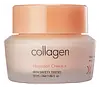
This anti-aging moisturizer is formulated around Laminaria Japonica Extract and Sodium Hyaluronate to soften the look of wrinkles and hydrate skin.
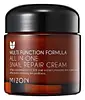
This barrier-repair moisturizer is formulated around Snail Secretion Filtrate and Centella Asiatica Extract to strengthen the skin barrier and calm redness.

What's inside
What's inside
 Key Ingredients
Benefits
Concerns
Ingredients Side-by-side
Water
Skin ConditioningOctyldodecanol
Emollient
Cyclomethicone
Emollient
Butylene Glycol
Humectant

Glycereth-26
Humectant
Cetearyl Alcohol
Emollient





Glycerin
Humectant
PEG-20 Methyl Glucose Sesquistearate
Emulsifying
Sodium Polyacrylate
Absorbent
1,2-Hexanediol
Skin Conditioning
Ethylhexyl Stearate
Emollient
Caprylyl Glycol
Emollient
Ethylhexylglycerin
Skin ConditioningHydrolyzed Collagen
Emollient
Methyl Glucose Sesquistearate
Emollient
Parfum
Masking


Propylene Glycol
Humectant
Tocopheryl Acetate
Antioxidant


Laminaria Japonica Extract
Skin Protecting

Trideceth-6
EmulsifyingHydrolyzed Malt Extract
Skin ConditioningSodium Hyaluronate
Humectant
Benzyl Salicylate
Perfuming
Saussurea Involucrata Extract
HumectantAlpha-Isomethyl Ionone
Perfuming
Linalool
Perfuming
Disodium EDTA
ChelatingHexyl Cinnamal
Perfuming
Hydroxycitronellal
Perfuming
Citronellol
Perfuming
Ethyl Hexanediol
SolventGeraniol
Perfuming
Arctostaphylos Uva-Ursi Leaf Extract
Skin Conditioning
Phenoxyethanol
Preservative
CI 15985
Cosmetic ColorantCI 14700
Cosmetic ColorantWater, Octyldodecanol, Cyclomethicone, Butylene Glycol, Glycereth-26, Cetearyl Alcohol, Glycerin, PEG-20 Methyl Glucose Sesquistearate, Sodium Polyacrylate, 1,2-Hexanediol, Ethylhexyl Stearate, Caprylyl Glycol, Ethylhexylglycerin, Hydrolyzed Collagen, Methyl Glucose Sesquistearate, Parfum, Propylene Glycol, Tocopheryl Acetate, Laminaria Japonica Extract, Trideceth-6, Hydrolyzed Malt Extract, Sodium Hyaluronate, Benzyl Salicylate, Saussurea Involucrata Extract, Alpha-Isomethyl Ionone, Linalool, Disodium EDTA, Hexyl Cinnamal, Hydroxycitronellal, Citronellol, Ethyl Hexanediol, Geraniol, Arctostaphylos Uva-Ursi Leaf Extract, Phenoxyethanol, CI 15985, CI 14700
Water
Skin ConditioningSnail Secretion Filtrate
Skin Conditioning
Butylene Glycol
Humectant
1,2-Hexanediol
Skin Conditioning
Cetearyl Olivate
Sorbitan Olivate
Emulsifying
Cetearyl Alcohol
Emollient
Glyceryl Stearate
Emollient
Dimethicone
Emollient
Hydrogenated Vegetable Oil
Emollient
Palmitic Acid
Emollient
Stearic Acid
Cleansing
Polyacrylate-13
Dipropylene Glycol
HumectantTriethanolamine
BufferingCarbomer
Emulsion StabilisingHydroxyacetophenone
Antioxidant
PEG/PPG-17/6 Copolymer
SolventPolyisobutene
Sodium Polyacrylate
Absorbent
Caprylyl Glycol
Emollient
Adenosine
Skin Conditioning
Polysorbate 20
Emulsifying
Sorbitan Isostearate
Emulsifying
Disodium EDTA
ChelatingDipotassium Glycyrrhizate
Humectant
Glycerin
Humectant
Alcohol
Antimicrobial

Portulaca Oleracea Extract
Skin Conditioning
Betula Platyphylla Japonica Juice
Skin Conditioning
Artemisia Absinthium Extract
Skin ConditioningArnica Montana Flower Extract
Masking
Gentiana Lutea Root Extract
Skin ConditioningFragaria Chiloensis Fruit Extract
Skin Conditioning
Achillea Millefolium Extract
CleansingRubus Idaeus Fruit Extract
AstringentCamellia Sinensis Leaf Extract
Antimicrobial

Palmitoyl Tripeptide-5
Skin Conditioning

Propylene Glycol
Humectant
Centella Asiatica Extract
Cleansing
Citric Acid
Buffering
Sodium Hyaluronate
Humectant
Beta-Glucan
Skin Conditioning
Potassium Sorbate
Preservative
Copper Tripeptide-1
Skin Conditioning
Fragaria Vesca Fruit Extract
AstringentEthylhexylglycerin
Skin ConditioningMadecassoside
Antioxidant
Madecassic Acid
Skin Conditioning
Asiaticoside
Antioxidant
Asiatic Acid
Skin Conditioning
Water, Snail Secretion Filtrate, Butylene Glycol, 1,2-Hexanediol, Cetearyl Olivate, Sorbitan Olivate, Cetearyl Alcohol, Glyceryl Stearate, Dimethicone, Hydrogenated Vegetable Oil, Palmitic Acid, Stearic Acid, Polyacrylate-13, Dipropylene Glycol, Triethanolamine, Carbomer, Hydroxyacetophenone, PEG/PPG-17/6 Copolymer, Polyisobutene, Sodium Polyacrylate, Caprylyl Glycol, Adenosine, Polysorbate 20, Sorbitan Isostearate, Disodium EDTA, Dipotassium Glycyrrhizate, Glycerin, Alcohol, Portulaca Oleracea Extract, Betula Platyphylla Japonica Juice, Artemisia Absinthium Extract, Arnica Montana Flower Extract, Gentiana Lutea Root Extract, Fragaria Chiloensis Fruit Extract, Achillea Millefolium Extract, Rubus Idaeus Fruit Extract, Camellia Sinensis Leaf Extract, Palmitoyl Tripeptide-5, Propylene Glycol, Centella Asiatica Extract, Citric Acid, Sodium Hyaluronate, Beta-Glucan, Potassium Sorbate, Copper Tripeptide-1, Fragaria Vesca Fruit Extract, Ethylhexylglycerin, Madecassoside, Madecassic Acid, Asiaticoside, Asiatic Acid
Reviews
Ingredients Explained
These ingredients are found in both products.
Ingredients higher up in an ingredient list are typically present in a larger amount.
1,2-Hexanediol is a synthetic liquid and another multi-functional powerhouse.
It is a:
- Humectant, drawing moisture into the skin
- Emollient, helping to soften skin
- Solvent, dispersing and stabilizing formulas
- Preservative booster, enhancing the antimicrobial activity of other preservatives
Butylene Glycol (or BG) is used within cosmetic products for a few different reasons:
Overall, Butylene Glycol is a safe and well-rounded ingredient that works well with other ingredients.
Though this ingredient works well with most skin types, some people with sensitive skin may experience a reaction such as allergic rashes, closed comedones, or itchiness.
Learn more about Butylene GlycolCaprylyl Glycol is a humectant, skin conditioner, emollient, and preservative booster derived from either caprylic acid or synthetically created.
Typical use levels vary from 0.3-1% as a preservative booster and go up to 2% to condition skin.
Because it is not a free-fatty acid, this ingredient is fungal acne safe (there's nothing for Malassezia to feed on).
Learn more about Caprylyl GlycolCetearyl alcohol is a waxy mixture of two fatty alcohols: cetyl alcohol and stearyl alcohol. It is an emollient and emulsifier.
Despite having "alcohol" in its name, it has nothing to do with drying solvent alcohols; the FDA also allows "alcohol-free" products to contain fatty alcohols like this ingredient.
It plays several roles in a formula:
Typical use levels for this ingredient sit around 1-10% and the Cosmetic Ingredient Review Expert Panel has affirmed safety at concentrations up to 25% in leave-on products.
Multiple assessments have found it to be non-irritating and non-sensitizing to most people.
However, there have been some cases of allergic contact dermatitis in patients with chronically compromised skin barriers.
Cetearyl alcohol has a comedogenic rating of 2 and irritancy rating of 1. Both of these numbers come from the 1989 study that used rabbit ears; a "2" means mildly comedogenic and a "1" means low irritancy.
Here's the catch: rabbit skin is more sensitive than human skin and throws a lot of false positives. A 1996 reappraisal found that ingredients rated 1-2 in the rabbit ear tests are generally safe for humans.
Remember comedogenic ratings are unable to assess the entire formula of a product or how it will react on your skin. Just be sure to patch test if you are unsure about certain ingredients.
This ingredient is not fungal acne safe. Cetearyl alcohol is a fatty alcohol with chain lengths that fall within the range that Malassezia can metabolize.
A 2019 study has also observed Malassezia growth in the presence of this ingredient, confirming it to be not-fungal acne safe.
Learn more about Cetearyl AlcoholDisodium EDTA is a chelating agent. It grabs onto and deactivates metal ions that sneak into your products from water, packaging, or air.
This ingredient mainly works behind the scenes and helps with:
On top of that, this ingredient can counteract the effects of hard water by binding to the minerals in it.
One thing worth knowing is that Disodium EDTA has been shown to be a mild penetration enhancer. It can help other ingredients absorb into skin more effectively which can be a double-edged sword (great for actives, but can also make the active too strong if you have sensitive skin).
Clinical patch testing showed no significant skin irritation at typical use concentrations and minimal dermal absorption.
You'll most likely see this ingredient near the end of an ingredient list. It's typically found in concentrations less than 1%.
Learn more about Disodium EDTAEthylhexylglycerin is created from glycerin. It is a multitasker ingredient that:
The CIR Expert Panel found minimal skin absorption or sensitization of any kind in a safety assessment. Though this ingredient is considered well-tolerated, a small number of cases of allergic dermatitis have been published since 2002. Just be sure to patch test if you are unsure.
Industry-reported use ranges from 8% in rinse-off products and 2% in leave-on formulations.
Learn more about EthylhexylglycerinGlycerin (or glycerol) is a compound naturally found in your skin. It's a powerhouse humectant that pulls water into the stratum corneum.
Topically, glycerin does several things at once:
Your skin makes glycerin on its own (mostly from sebaceous oil breakdown) and shuttles it to your outermost layer of skin, or your epidermis, via aquaporin-3.
Aquaporin-3 is a transporter that is essential for normal skin hydration, elasticity, and repair. Interestingly, mice lacking in AQP3 have dry and less elastic skin that can be fully corrected with glycerin.
This ingredient is non-irritating, plays well with almost every ingredient, and works across all skin types. Typical use is anywhere between 3-10% but can go up to 79% in some leave-on products.
Just know very high concentrations (>40%) can feel tacky in low humidity.
Glycerin is the name for this ingredient in American English. British English uses Glycerol/Glycerine.
Learn more about GlycerinPropylene Glycol is a synthetic, colorless, odorless liquid that has been a staple in cosmetics for decades. It is a skin conditioning agent, humectant, and solvent.
As a humectant, it draw water to the skin to reduce flaking and restore suppleness. It's also a solvent that helps dissolve other actives and keeps formulas stable across temperature changes.
The CIR Expert Panel has confirmed this ingredient to be nontoxic and clinical studies show no sensitization at cosmetic use concentrations.
True allergic reactions are quite rare: a 15-year retrospective study of 6,751 patients found only 0.31% had a positive reaction (and less than half were considered clinically relevant).
It seemed that when sensitization does occur, it's most commonly linked to topical medication (like corticosteroids) and not cosmetics. Allergic contact dermatitis also appears largely limited to individuals with underlying skin conditions.
Overall, propylene glycol is a well-studied ingredient that most people can tolerate without issue.
Learn more about Propylene GlycolSodium Hyaluronate is the salt form of hyaluronic acid. It is a long sugar chain that is naturally found in your skin, joints, and connective tissue that maintains hydration and elasticity.
In skincare, it works as a humectant. It pulls water from the environment and deeper layers of skin and binds it to the surface.
Interestingly, the size of the molecule affects its behavior:
Some clinical evidence links low molecular weight versions to improved wrinkle depth, elasticity, anti-inflammatory effects, and barrier repair.
Many serums use a blend of both weights so you can get surface hydration plus longer-lasting and deeper effects.
You'll typically see concentrations between 0.1-2% for this ingredient.
Learn more about Sodium HyaluronateSodium Polyacrylate is the sodium salt of polyacrylic acid. It is used as an absorber, emollient, and stabilizer.
This ingredient is a super-absorbent polymer - meaning it can absorb 100 to 1000 times its mass in water. As an emollient, Sodium Polyacrylate helps soften and soothe skin. Emollients work by creating a barrier to trap moisture in. This helps keep your skin hydrated.
Water. It's the most common cosmetic ingredient of all. You'll usually see it at the top of ingredient lists, meaning that it makes up the largest part of the product.
So why is it so popular? Water most often acts as a solvent - this means that it helps dissolve other ingredients into the formulation.
You'll also recognize water as that liquid we all need to stay alive. If you see this, drink a glass of water. Remember to stay hydrated!
Learn more about Water

