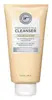
This mild cream cleanser is made to cleanse without leaving your skin tight or dry.
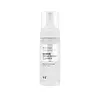
This mild foaming cleanser is made to cleanse while respecting your skin barrier.


What's inside
What's inside
 Key Ingredients
Benefits
Concerns
Ingredients Side-by-side
Water
Skin ConditioningGlycerin
Humectant


Sodium Methyl Cocoyl Taurate
Cleansing
Coco-Betaine
Cleansing
Sodium Cocoyl Isethionate
Cleansing
Sodium Chloride
MaskingPPG-5-Ceteth-20
EmulsifyingGlycol Distearate
Emollient

Sodium Hydroxide
BufferingAcrylates/C10-30 Alkyl Acrylate Crosspolymer
Emulsion StabilisingPhenoxyethanol
Preservative
Glyceryl Stearate
Emollient
Citric Acid
Buffering

PEG-100 Stearate
Surfactant
Coconut Acid
Cleansing
Coco-Glucoside
Cleansing
Caprylyl Glycol
Emollient
Tocopherol
Antioxidant




PEG-55 Propylene Glycol Oleate
Surfactant
Propylene Glycol
Humectant
Squalane
Emollient
Parfum
Masking


Salicylic Acid
Masking





Chlorphenesin
Antimicrobial
Glyceryl Oleate
Emollient
Trisodium Ethylenediamine Disuccinate
ChelatingPolyquaternium-53
Butyrospermum Parkii Butter
Skin Conditioning

Limonene
Perfuming
PEG-30 Dipolyhydroxystearate
Emulsifying
Trideceth-6
EmulsifyingAdenosine
Skin Conditioning
Colloidal Oatmeal
Absorbent
Butylene Glycol
Humectant
Benzoic Acid
Masking
Linalool
Perfuming
Geraniol
Perfuming
Ceramide NP
Skin Conditioning
Sodium Hyaluronate
Humectant
Hydroxypalmitoyl Sphinganine
Skin Conditioning
Citronellol
Perfuming
Carbomer
Emulsion StabilisingSodium Lactate
Buffering
CI 19140
Cosmetic ColorantPolysorbate 20
Emulsifying
Palmitoyl Tripeptide-1
Skin Conditioning
Palmitoyl Tetrapeptide-7
Skin Conditioning
Water, Glycerin, Sodium Methyl Cocoyl Taurate, Coco-Betaine, Sodium Cocoyl Isethionate, Sodium Chloride, PPG-5-Ceteth-20, Glycol Distearate, Sodium Hydroxide, Acrylates/C10-30 Alkyl Acrylate Crosspolymer, Phenoxyethanol, Glyceryl Stearate, Citric Acid, PEG-100 Stearate, Coconut Acid, Coco-Glucoside, Caprylyl Glycol, Tocopherol, PEG-55 Propylene Glycol Oleate, Propylene Glycol, Squalane, Parfum, Salicylic Acid, Chlorphenesin, Glyceryl Oleate, Trisodium Ethylenediamine Disuccinate, Polyquaternium-53, Butyrospermum Parkii Butter, Limonene, PEG-30 Dipolyhydroxystearate, Trideceth-6, Adenosine, Colloidal Oatmeal, Butylene Glycol, Benzoic Acid, Linalool, Geraniol, Ceramide NP, Sodium Hyaluronate, Hydroxypalmitoyl Sphinganine, Citronellol, Carbomer, Sodium Lactate, CI 19140, Polysorbate 20, Palmitoyl Tripeptide-1, Palmitoyl Tetrapeptide-7
Water
Skin ConditioningCoco-Glucoside
Cleansing
Butylene Glycol
Humectant
Disodium Cocoamphodiacetate
Cleansing1,2-Hexanediol
Skin Conditioning
Sodium Chloride
MaskingPotassium Cocoyl Glycinate
Surfactant
Citric Acid
Buffering
Sodium Cocoyl Apple Amino Acids
Foam Boosting
Potassium Cocoate
Emulsifying
Ethylhexylglycerin
Skin ConditioningCollagen Water
Humectant
Hexylene Glycol
EmulsifyingDisodium EDTA
ChelatingTetrasodium Glutamate Diacetate
ChelatingSodium Citrate
BufferingCeramide NP
Skin Conditioning
2,3-Butanediol
HumectantAscorbic Acid
Antioxidant
Ectoin
Skin Conditioning
Hydrogenated Lecithin
Emulsifying
Lactobacillus/Milk Ferment Filtrate
Skin ConditioningNiacinamide
Smoothing
Panthenol
Skin Conditioning
Squalane
Emollient
Glycerin
Humectant
Collagen Extract
Skin Conditioning
Glyceryl Stearates
Emollient
Hydrolyzed Milk Protein
Skin ConditioningHouttuynia Cordata Extract
Skin Conditioning
Cholesterol
Emollient
Ceramide As
Skin Conditioning
Ceramide AP
Skin Conditioning
Colostrum
Skin Conditioning
Ceramide Ns
Skin Conditioning
Milk Lipids
Skin Conditioning
Theanine
EmollientGlutathione
Centella Asiatica Extract
Cleansing
Hyaluronic Acid
Humectant
Panax Ginseng Root Extract
Emollient
Ceramide EOP
Skin Conditioning
Lactose
HumectantSodium DNA
Skin Conditioning
Water, Coco-Glucoside, Butylene Glycol, Disodium Cocoamphodiacetate, 1,2-Hexanediol, Sodium Chloride, Potassium Cocoyl Glycinate, Citric Acid, Sodium Cocoyl Apple Amino Acids, Potassium Cocoate, Ethylhexylglycerin, Collagen Water, Hexylene Glycol, Disodium EDTA, Tetrasodium Glutamate Diacetate, Sodium Citrate, Ceramide NP, 2,3-Butanediol, Ascorbic Acid, Ectoin, Hydrogenated Lecithin, Lactobacillus/Milk Ferment Filtrate, Niacinamide, Panthenol, Squalane, Glycerin, Collagen Extract, Glyceryl Stearates, Hydrolyzed Milk Protein, Houttuynia Cordata Extract, Cholesterol, Ceramide As, Ceramide AP, Colostrum, Ceramide Ns, Milk Lipids, Theanine, Glutathione, Centella Asiatica Extract, Hyaluronic Acid, Panax Ginseng Root Extract, Ceramide EOP, Lactose, Sodium DNA
Reviews
Ingredients Explained
These ingredients are found in both products.
Ingredients higher up in an ingredient list are typically present in a larger amount.
Butylene Glycol (or BG) is used within cosmetic products for a few different reasons:
Overall, Butylene Glycol is a safe and well-rounded ingredient that works well with other ingredients.
Though this ingredient works well with most skin types, some people with sensitive skin may experience a reaction such as allergic rashes, closed comedones, or itchiness.
Learn more about Butylene GlycolCeramide NP (formerly known as Ceramide 3) is one of the skin's naturally occurring lipids.
Since ceramides are the major lipid components of the skin, they are crucial for maintaining skin barrier and hydration. Ceramide NP most closely mirrors the dominant kind in human skin amongst ceramide subtypes.
This ceramide works by slotting into gaps within the stratum corneum's lipid matrix to limit trans-epidermal water loss (TEWL) and shield the skin against external irritants.
A study with 312 patients found that using a ceramide-containing routine for 4 weeks reduced the severity of atopic dermatitis by over 61%.
Another clinical study in subjects aged 60 and older found that a ceramide body wash and moisturizer improved skin dryness and itchy skin in 15 days.
Overall, ceramides are considered non-irritating and safety tests have found little to no observable adverse effects from using this ingredient.
Ceramide NP is usually sourced from plants (like soybean or rice bran), or produced synthetically.
Learn more about Ceramide NPCitric Acid is an alpha hydroxy acid (AHA) naturally found in citrus fruits like oranges, lemons, and limes.
Like other AHAs, citric acid can exfoliate skin by breaking down the bonds that hold dead skin cells together. This helps reveal smoother and brighter skin underneath.
However, this exfoliating effect only happens at high concentrations (20%) which can be hard to find in cosmetic products.
Due to this, citric acid is usually included in small amounts as a pH adjuster. This helps keep products slightly more acidic and compatible with skin's natural pH.
In skincare formulas, citric acid can:
While it can provide some skin benefits, research shows lactic acid and glycolic acid are generally more effective and less irritating exfoliants.
Most citric acid used in skincare today is made by fermenting sugars (usually from molasses). This synthetic version is identical to the natural citrus form but easier to stabilize and use in formulations.
Rosacea skin has a lower threshold for acids generally, with 62.5% of rosacea subjects in one study reacting to lactic acid in a sting test. This is why we mark citric acid as a potential rosacea trigger.
However, this ingredient shows up as a pH adjuster or chelator at roughly 0.1-1% in many products. These low levels are unlikely to be an issue for rosacea skin and becomes a potential trigger at exfoliating concentrations (20%). Because everybody's skin is unique, we recommend a patch test if you are unsure.
Learn more about Citric AcidCoco-Glucoside is a surfactant, or a cleansing ingredient. It is made from glucose and coconut oil.
Surfactants help gather dirt, oil, and other pollutants from your skin to be rinsed away.
This ingredient is considered gentle and non-comedogenic. However, it may still be irritating for some.
Learn more about Coco-GlucosideGlycerin (or glycerol) is a compound naturally found in your skin. It's a powerhouse humectant that pulls water into the stratum corneum.
Topically, glycerin does several things at once:
Your skin makes glycerin on its own (mostly from sebaceous oil breakdown) and shuttles it to your outermost layer of skin, or your epidermis, via aquaporin-3.
Aquaporin-3 is a transporter that is essential for normal skin hydration, elasticity, and repair. Interestingly, mice lacking in AQP3 have dry and less elastic skin that can be fully corrected with glycerin.
This ingredient is non-irritating, plays well with almost every ingredient, and works across all skin types. Typical use is anywhere between 3-10% but can go up to 79% in some leave-on products.
Just know very high concentrations (>40%) can feel tacky in low humidity.
Glycerin is the name for this ingredient in American English. British English uses Glycerol/Glycerine.
Learn more about GlycerinChances are, you eat sodium chloride every day. Sodium Chloride is also known as table salt. This ingredient has many purposes in skincare: thickener, emulsifier, and exfoliator.
You'll most likely find this ingredient in cleansers where it is used to create a gel-like texture. As an emulsifier, it also prevents ingredients from separating.
You might see people debate whether Sodium Chloride is comedogenic, but there actually haven't been any comedogenic tests done on it. Either way, the overall formulation of a product matters a lot more than any single ingredient.
You might see this ingredient used in scrubs as a primary exfoliating ingredient.
Learn more about Sodium ChlorideSqualane is the hydrogenated and shelf-stable form of squalene (a lipid that naturally occurs in human sebum).
It is an emollient and skin conditioning agent that is able to integrate seamlessly into the skin's lipid barrier without clogging pores.
This is due to how structurally similar it is to what your skin already produces.
Though it is mostly an emollient that helps soften and hydrate skin, it also has some humectant and occlusive action. Humectants help the skin retain moisture while occlusives seal it in, making squalane a triple-threat moisturizer.
Research shows it has antioxidant capabilities that help protect against stressors like UV exposure, specifically UVA induced oxidative stress. This study also found that it supports collagen biosynthesis in human dermal fibroblasts.
No clinical study has reported significant adverse effects and irritation reactions are very rare from this ingredient (even at 100% concentration).
Overall, it's a fantastic ingredient for hydration and is suitable for all skin types.
This depends on the source. Squalane can be derived from both plants and animals. Most squalane used in skincare comes from plants.
Please note: the source of squalane is only known if disclosed by the brand. We recommend reaching out to the brand if you have any questions about their squalane.
Read more about squalene with an "e".
Though squalane is often called an oil, it’s technically not one. It is a hydrocarbon, meaning it is only made of carbon and hydrogen. True oils are triglycerides and made of fatty acids and glycerol.
The term “oil-free” isn’t regulated so companies can define it however they want. Some exclude all oils, while others just avoid mineral oil or comedogenic oils.
Squalane has a comedogenic rating of 1 from the original 1972 study that tested raw ingredients under occlusion on rabbit ears. This system is not standardized or peer-reviewed, and using the raw ingredients is very different from how diluted cosmetic formulations are used on human skin.
A comedogenic rating of 1 means it is "unlikely to clog pores" according to the original rating system.
The overall formula of a product matters more than the individual ingredients on whether or not it will cause clogged pores.
Learn more about SqualaneWater. It's the most common cosmetic ingredient of all. You'll usually see it at the top of ingredient lists, meaning that it makes up the largest part of the product.
So why is it so popular? Water most often acts as a solvent - this means that it helps dissolve other ingredients into the formulation.
You'll also recognize water as that liquid we all need to stay alive. If you see this, drink a glass of water. Remember to stay hydrated!
Learn more about Water

