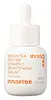
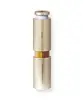
innisfree Green Tea Enzyme Vitamin C Brightening Serum Versus Laneige Perfect Renew 3X Signature Serum
This brightening serum is formulated around 3-O-Ethyl Ascorbic Acid and Niacinamide to brighten dull-looking skin and refine skin texture.
This anti-aging serum is formulated around Tranexamic Acid and Retinol to soften the look of wrinkles and fade the look of dark spots.

What's inside
What's inside
 Key Ingredients
Benefits
Concerns
Ingredients Side-by-side
Water
Skin ConditioningPropanediol
Solvent

1,2-Hexanediol
Skin Conditioning
Glycerin
Humectant
3-O-Ethyl Ascorbic Acid
Skin Conditioning




Butylene Glycol
Humectant
Lactobacillus Ferment Lysate
Skin Conditioning
Squalane
Emollient
Helianthus Annuus Seed Oil
Emollient


Dextrin
AbsorbentAcrylates/C10-30 Alkyl Acrylate Crosspolymer
Emulsion StabilisingCaprylic/Capric Triglyceride
Masking
Tromethamine
BufferingXanthan Gum
EmulsifyingGluconolactone
Chelating


Citrus Reticulata Peel Extract
Skin ConditioningPanthenol
Skin Conditioning
Niacinamide
Smoothing

Allantoin
Skin Conditioning
Daucus Carota Sativa Root Extract
Skin Conditioning
Hyaluronic Acid
Humectant
Pentylene Glycol
Skin Conditioning
Sodium Metaphosphate
BufferingSilica Dimethyl Silylate
EmollientCyclodextrin
AbsorbentTocopherol
Antioxidant

Ethylhexylglycerin
Skin ConditioningMadecassoside
Antioxidant
Hydrogenated Poly(C6-20 Olefin)
Abrasive
Protease
Exfoliating
Ascorbyl Tetraisopalmitate
Antioxidant
Glutathione
Achillea Millefolium Extract
CleansingHdi/Trimethylol Hexyllactone Crosspolymer
Beta-Carotene
Skin ConditioningFerulic Acid
Antimicrobial
Water, Propanediol, 1,2-Hexanediol, Glycerin, 3-O-Ethyl Ascorbic Acid, Butylene Glycol, Lactobacillus Ferment Lysate, Squalane, Helianthus Annuus Seed Oil, Dextrin, Acrylates/C10-30 Alkyl Acrylate Crosspolymer, Caprylic/Capric Triglyceride, Tromethamine, Xanthan Gum, Gluconolactone, Citrus Reticulata Peel Extract, Panthenol, Niacinamide, Allantoin, Daucus Carota Sativa Root Extract, Hyaluronic Acid, Pentylene Glycol, Sodium Metaphosphate, Silica Dimethyl Silylate, Cyclodextrin, Tocopherol, Ethylhexylglycerin, Madecassoside, Hydrogenated Poly(C6-20 Olefin), Protease, Ascorbyl Tetraisopalmitate, Glutathione, Achillea Millefolium Extract, Hdi/Trimethylol Hexyllactone Crosspolymer, Beta-Carotene, Ferulic Acid
Water
Skin ConditioningGlycerin
Humectant
Butylene Glycol
Humectant
Glyceryl Polymethacrylate
Dipropylene Glycol
Humectant1,2-Hexanediol
Skin Conditioning
Xylitol
Humectant
Polyacrylate Crosspolymer-6
Emulsion StabilisingLactobacillus Ferment
Skin Conditioning
Ammonium Acryloyldimethyltaurate/Vp Copolymer
Sodium Polyacryloyldimethyl Taurate
Emulsion StabilisingHaberlea Rhodopensis Leaf Extract
Skin ConditioningPropanediol
Solvent
Tranexamic Acid
Astringent
Dextrin
AbsorbentTheobroma Cacao Extract
Skin ConditioningDisodium EDTA
ChelatingEthylhexylglycerin
Skin ConditioningAdenosine
Skin Conditioning
Dipotassium Glycyrrhizate
Humectant
Bioflavonoids
Skin ConditioningT-Butyl Alcohol
Perfuming




Ferulic Acid
Antimicrobial
Inonotus Obliquus Extract
Skin ConditioningTocopherol
Antioxidant
Dimethicone
Emollient
Polysilicone-11
PEG-10 Dimethicone
Skin Conditioning
Pentaerythrityl Tetraethylhexanoate
Emollient
Dimethicone/Vinyl Dimethicone Crosspolymer
Skin Conditioning
Vinyl Dimethicone/Methicone Silsesquioxane Crosspolymer
Dimethiconol
Emollient
Polysorbate 20
Emulsifying
Boron Nitride
Absorbent
Sclerotium Gum
Emulsion StabilisingAmmonium Acryloyldimethyltaurate/Beheneth-25 Methacrylate Crosspolymer
Emulsion StabilisingGlyceryl Caprylate
EmollientCaprylyl Glycol
Emollient
Hydrolyzed Collagen
Emollient
Acetyl Tetrapeptide-2
Skin Conditioning
Diphenyl Dimethicone
Emollient
Diphenylsiloxy Phenyl Trimethicone
Skin Conditioning
Glycine Soja Oil
Emollient

Gellan Gum
Helianthus Annuus Seed Oil
Emollient
Xanthan Gum
EmulsifyingParfum
Masking
Sodium Chloride
MaskingDaucus Carota Sativa Root Extract
Skin Conditioning
Silica Dimethyl Silylate
EmollientMagnesium Sulfate
Retinol
Skin Conditioning
Gold
Cosmetic ColorantAscorbyl Tetraisopalmitate
Antioxidant
BHT
Antioxidant
Beta-Carotene
Skin ConditioningCeramide NP
Skin Conditioning
Water, Glycerin, Butylene Glycol, Glyceryl Polymethacrylate, Dipropylene Glycol, 1,2-Hexanediol, Xylitol, Polyacrylate Crosspolymer-6, Lactobacillus Ferment, Ammonium Acryloyldimethyltaurate/Vp Copolymer, Sodium Polyacryloyldimethyl Taurate, Haberlea Rhodopensis Leaf Extract, Propanediol, Tranexamic Acid, Dextrin, Theobroma Cacao Extract, Disodium EDTA, Ethylhexylglycerin, Adenosine, Dipotassium Glycyrrhizate, Bioflavonoids, T-Butyl Alcohol, Ferulic Acid, Inonotus Obliquus Extract, Tocopherol, Dimethicone, Polysilicone-11, PEG-10 Dimethicone, Pentaerythrityl Tetraethylhexanoate, Dimethicone/Vinyl Dimethicone Crosspolymer, Vinyl Dimethicone/Methicone Silsesquioxane Crosspolymer, Dimethiconol, Polysorbate 20, Boron Nitride, Sclerotium Gum, Ammonium Acryloyldimethyltaurate/Beheneth-25 Methacrylate Crosspolymer, Glyceryl Caprylate, Caprylyl Glycol, Hydrolyzed Collagen, Acetyl Tetrapeptide-2, Diphenyl Dimethicone, Diphenylsiloxy Phenyl Trimethicone, Glycine Soja Oil, Gellan Gum, Helianthus Annuus Seed Oil, Xanthan Gum, Parfum, Sodium Chloride, Daucus Carota Sativa Root Extract, Silica Dimethyl Silylate, Magnesium Sulfate, Retinol, Gold, Ascorbyl Tetraisopalmitate, BHT, Beta-Carotene, Ceramide NP
Reviews
Ingredients Explained
These ingredients are found in both products.
Ingredients higher up in an ingredient list are typically present in a larger amount.
1,2-Hexanediol is a synthetic liquid and another multi-functional powerhouse.
It is a:
- Humectant, drawing moisture into the skin
- Emollient, helping to soften skin
- Solvent, dispersing and stabilizing formulas
- Preservative booster, enhancing the antimicrobial activity of other preservatives
Ascorbyl Tetraisopalmitate is a version of ascorbic acid, or Vitamin C.
This ingredient has many benefits including reducing wrinkles, skin soothing, dark spot fading, and fighting against free radicals.
It helps with dark spot fading by interfering with the process of skin darkening, helping to reduce hyperpigmentation. Like other forms of vitamin C, this ingredient encourages the skin to create more collagen.
As an antioxidant, it helps fight free-radicals. Free-radicals are molecules that may damage your skin cells.
One study found Ascorbyl Tetraisopalmitate to degrade in sunlight, but is stabilized when combined with acetyl zingerone.
Learn more about Ascorbyl TetraisopalmitateBeta-Carotene is a fat-soluble carotenoid pigment. It is the thing responsible for giving carrots, sweet potatoes, apricots, and other orange-yellow produce their color.
It is a potent antioxidant that neutralizes free radicals (mainly reactive oxygen species) that come at your skin from both the environment and internal processes.
When applied topically, beta-carotene accumulates in your outermost layer of skin and acts as a first-line defense against photo-oxidative stress.
Research has established that carotenoids like beta-carotene boosts your skin's innate resistance against UVB induced erythema. Please know this does not mean beta-carotene can replace your sunscreen.
Newer studies show it can also help inhibit molecular markers of oxidative stress like MMP-1 and MMP-9, enzymes that break down collagen.
In some cases, it can be used as a cosmetic colorant as well (INCI name: CI 40800).
Beta-carotene pairs well with other antioxidants like Vitamin E and Vitamin C for a synergistic effect.
Learn more about Beta-CaroteneButylene Glycol (or BG) is used within cosmetic products for a few different reasons:
Overall, Butylene Glycol is a safe and well-rounded ingredient that works well with other ingredients.
Though this ingredient works well with most skin types, some people with sensitive skin may experience a reaction such as allergic rashes, closed comedones, or itchiness.
Learn more about Butylene GlycolDaucus Carota Sativa Root Extract comes from the root commonly known as carrot (the orange kind we eat!).
This extract contains beta-carotene, a pigment responsible for giving plants the orange color. Beta-carotene is a potent antioxidant. Antioxidants may help reduce the signs of aging.
Beta-carotene is the reason we turn orange if we eat too many carrots.
It should be noted coming into contact with the leaves of wild carrots can cause skin irritation. The sap causes phytophotodermatitis, or sensitivity exposed to sunlight.
This ingredient is created using the edible parts of the carrot.
Learn more about Daucus Carota Sativa Root ExtractDextrin is a starch-derived polysaccharide. It's made by partially breaking down corn, potato, or other plant starches.
Think of it as "half-processed" starch; it's less complex than the original but not fully broken down into sugar like maltodextrin.
In cosmetics, it mainly functions as a bulking agent, viscosity controller, binder, and absorbent. It helps thicken products, stabilize powders, and get certain textures a less "wet" feel.
This ingredient has a pretty solid safety profile; it's recognized as a safe food additive and its large molecular size means it doesn't meaningfully penetrate skin.
Human repeat insult patch tests using a rinse-off facial product containing 42.69% dextrin found no skin irritation or sensitization in 54 subjects.
Typical real-world usage is much lower: usually under 1% as a texture modifier and up to 40% in masks (rinse off products use less).
Learn more about DextrinEthylhexylglycerin is created from glycerin. It is a multitasker ingredient that:
The CIR Expert Panel found minimal skin absorption or sensitization of any kind in a safety assessment. Though this ingredient is considered well-tolerated, a small number of cases of allergic dermatitis have been published since 2002. Just be sure to patch test if you are unsure.
Industry-reported use ranges from 8% in rinse-off products and 2% in leave-on formulations.
Learn more about EthylhexylglycerinFerulic Acid is a plant based antioxidant that can be naturally found in the cell walls of grains like rice, oats, and corn. It has antioxidant and antimicrobial properties, and has the ability to boost the performance of other antioxidants as well.
A well-known study found that adding Ferulic Acid to a solution of Vitamins C and E doubled the photoprotection of skin. This is why you'll often see it paired with Vitamin C or Vitamin E serums rather than sold on its own.
A 2025 review of 18 human studies found that using Ferulic Acid (0.5-1%) daily for one to three months showed improvements in:
As far as allergies go, Ferulic acid is generally well-tolerated but can cause an allergic reaction in very rare cases. It's also worth noting that Ferulic acid is often extracted from plant sources like rice bran or wheat bran, so be sure to path test if you have known grain allergies.
Outside of skincare, researchers are also looking into Ferulic Acid for its potential benefits in areas like diabetes, Alzheimer's, and heart health.
Learn more about Ferulic AcidGlycerin (or glycerol) is a compound naturally found in your skin. It's a powerhouse humectant that pulls water into the stratum corneum.
Topically, glycerin does several things at once:
Your skin makes glycerin on its own (mostly from sebaceous oil breakdown) and shuttles it to your outermost layer of skin, or your epidermis, via aquaporin-3.
Aquaporin-3 is a transporter that is essential for normal skin hydration, elasticity, and repair. Interestingly, mice lacking in AQP3 have dry and less elastic skin that can be fully corrected with glycerin.
This ingredient is non-irritating, plays well with almost every ingredient, and works across all skin types. Typical use is anywhere between 3-10% but can go up to 79% in some leave-on products.
Just know very high concentrations (>40%) can feel tacky in low humidity.
Glycerin is the name for this ingredient in American English. British English uses Glycerol/Glycerine.
Learn more about GlycerinHelianthus Annuus Seed Oil is a plant oil derived from the seeds of a sunflower.
It is rich in fatty acids, primarily linoleic acid and oleic acid. This gives it emollient and skin conditioning properties.
The reason this ingredient is so effective is because it forms a thin film on the skin that reduces transepidermal water loss (TEWL) while supplying linoleic acid to the stratum corneum to improve barrier strength.
The high linoleic acid content is particularly noteworthy for acne-prone skin.
Research suggests that acne-prone skin tends to be deficient in linoleic acid in sebum. Topical application may help replenish this to support a healthier follicular environment and less comedone-promoting sebum.
One randomized study found sunflower seed oil preserved skin barrier integrity in adult volunteers with and without atopic dermatitis (outperforming olive oil).
This ingredient is well-studied, gentle, and an effective emollient suitable for most skin types.
On fungal acne: This ingredient may not be Fungal acne (Malassezia folliculitis) safe. This is because it contains fatty acids with carbon chain lengths in the C11-C24 range.
Learn more about Helianthus Annuus Seed OilPropanediol is an all-star ingredient. It softens, hydrates, and smooths the skin.
It’s often used to:
Propanediol is not likely to cause sensitivity and considered safe to use. It is derived from corn or petroleum with a clear color and no scent.
Learn more about PropanediolThis silica is mainly used to thicken oils and suspend particles in oils. It is not water soluble.
According to the manufacturer, it:
The manufacturer also claims this ingredient to be useful in makeup.
In lipstick formulations, this ingredient improves color payoff, reduces pigment settling, and reduces oil bleeding. This ingredient also improves the grip of powder products such as dry shampoos.
Learn more about Silica Dimethyl SilylateTocopherol is a fat-soluble antioxidant known as Vitamin E.
You'll find this ingredient in the vast majority of skincare (for good reason). It works to neutralize free radicals, or unstable molecules generated by UV exposure, pollution, and other environmental stressors, before they can cause oxidative damage to your skin cells.
Topically applied tocopherol has been shown to protect against UV damage by ramping up the skin's own natural defense enzymes.
It also acts as a skin conditioning agent; some studies show that regular topical use can improve the skin's water-binding capacity over 2-4 weeks.
This ingredient is especially loved for being a team player. When combined with Vitamin C, the photoprotective effect of both ingredients roughly doubles and the combo also helps reduce UV-induced DNA damage.
This ingredient has some brightening potential but it's more of a prevention ingredient than spot-fader. Cell studies show it can slow down melanin production but it's worth noting that it's not the most powerful brightener out there.
In formulations, it also serves as a stabilizer that helps protect other oxidation-prone ingredients from degrading.
Concentrations usually range from 0.1-1% in most leave-on products.
Learn more about TocopherolWater. It's the most common cosmetic ingredient of all. You'll usually see it at the top of ingredient lists, meaning that it makes up the largest part of the product.
So why is it so popular? Water most often acts as a solvent - this means that it helps dissolve other ingredients into the formulation.
You'll also recognize water as that liquid we all need to stay alive. If you see this, drink a glass of water. Remember to stay hydrated!
Learn more about WaterXanthan gum is used as a stabilizer and thickener within cosmetic products. It helps give products a sticky, thick feeling - preventing them from being too runny.
On the technical side of things, xanthan gum is a polysaccharide - a combination consisting of multiple sugar molecules bonded together.
Xanthan gum is a pretty common and great ingredient. It is a natural, non-toxic, non-irritating ingredient that is also commonly used in food products.
Learn more about Xanthan Gum

