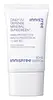
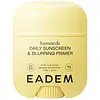
innisfree Daily UV Defense Mineral Sunscreen SPF 50 Versus Eadem Sunsuede Daily Sunscreen & Blurring Primer Stick SPF 50+ PA++++
This hybrid sunscreen covers the full UV range and blocks ~98% of UVB at SPF 50.
This chemical sunscreen covers most of the UV range, lighter on the deep UVA that drives aging.


What's inside
What's inside
 Key Ingredients
Benefits
Concerns
Ingredients Side-by-side
Water
Skin ConditioningZinc Oxide
Cosmetic Colorant


Propylheptyl Caprylate
EmollientButyloctyl Salicylate
Skin Conditioning
Propanediol
Solvent

Caprylyl Methicone
Skin Conditioning
Disiloxane
Skin Conditioning
Polyglyceryl-3 Polydimethylsiloxyethyl Dimethicone
Skin Conditioning
Polymethylsilsesquioxane
Polyglyceryl-2 Dipolyhydroxystearate
Skin Conditioning

Disteardimonium Hectorite
StabilisingMagnesium Sulfate
Triethoxycaprylylsilane
1,2-Hexanediol
Skin Conditioning
Silica
Abrasive

Lauryl Polyglyceryl-3 Polydimethylsiloxyethyl Dimethicone
Skin Conditioning
Synthetic Fluorphlogopite
Dicaprylyl Carbonate
EmollientCaprylyl Glycol
Emollient
Glyceryl Caprylate
EmollientCI 77288
Cosmetic ColorantMica
Cosmetic ColorantEthylhexylglycerin
Skin ConditioningSodium Hyaluronate
Humectant


Tocopherol
Antioxidant



Squalane
Emollient
Ceramide NP
Skin Conditioning

Niacinamide
Smoothing



Hydrolyzed Sodium Hyaluronate
Skin Conditioning
Panthenol
Skin Conditioning
Butylene Glycol
Humectant
Centella Asiatica Extract
Cleansing
Centella Asiatica Leaf Extract
Skin Conditioning
Saccharomyces Ferment
Skin Conditioning
Centella Asiatica Root Extract
Skin Conditioning
Hydroxypropyltrimonium Hyaluronate
Asiaticoside
Antioxidant
Madecassoside
Antioxidant
Hydrolyzed Hyaluronic Acid
Humectant
Sodium Acetylated Hyaluronate
Humectant
Hyaluronic Acid
Humectant
Sodium Hyaluronate Crosspolymer
Humectant
Potassium Hyaluronate
Skin ConditioningAsiatic Acid
Skin Conditioning
Madecassic Acid
Skin Conditioning
Water, Zinc Oxide, Propylheptyl Caprylate, Butyloctyl Salicylate, Propanediol, Caprylyl Methicone, Disiloxane, Polyglyceryl-3 Polydimethylsiloxyethyl Dimethicone, Polymethylsilsesquioxane, Polyglyceryl-2 Dipolyhydroxystearate, Disteardimonium Hectorite, Magnesium Sulfate, Triethoxycaprylylsilane, 1,2-Hexanediol, Silica, Lauryl Polyglyceryl-3 Polydimethylsiloxyethyl Dimethicone, Synthetic Fluorphlogopite, Dicaprylyl Carbonate, Caprylyl Glycol, Glyceryl Caprylate, CI 77288, Mica, Ethylhexylglycerin, Sodium Hyaluronate, Tocopherol, Squalane, Ceramide NP, Niacinamide, Hydrolyzed Sodium Hyaluronate, Panthenol, Butylene Glycol, Centella Asiatica Extract, Centella Asiatica Leaf Extract, Saccharomyces Ferment, Centella Asiatica Root Extract, Hydroxypropyltrimonium Hyaluronate, Asiaticoside, Madecassoside, Hydrolyzed Hyaluronic Acid, Sodium Acetylated Hyaluronate, Hyaluronic Acid, Sodium Hyaluronate Crosspolymer, Potassium Hyaluronate, Asiatic Acid, Madecassic Acid
Diethylhexyl Carbonate
EmollientDimethicone
Emollient
Synthetic Wax
Abrasive
Methyl Methacrylate Crosspolymer
Homosalate
Skin Conditioning
Octocrylene
UV Absorber

Ethylhexyl Salicylate
UV Absorber
Butyloctyl Salicylate
Skin Conditioning
Diphenylsiloxy Phenyl Trimethicone
Skin Conditioning
C12-15 Alkyl Benzoate
AntimicrobialIsopropyl Palmitate
Emollient
Butyl Methoxydibenzoylmethane
UV Absorber
Diisostearyl Malate
EmollientEthylhexyl Isononanoate
EmollientIsoeicosane
EmollientPolyethylene
Abrasive
Polymethylsilsesquioxane
Ethylene/Propylene Copolymer
Abrasive
Dimethicone/Vinyl Dimethicone Crosspolymer
Skin Conditioning
Camellia Japonica Seed Oil
Emollient
Bis-Behenyl/Isostearyl/Phytosteryl Dimer Dilinoleyl Dimer Dilinoleate
EmollientAnanas Sativus Fruit Extract
Skin ConditioningCarica Papaya Fruit Extract
Skin ConditioningGarcinia Mangostana Peel Extract
Skin ConditioningMangifera Indica Fruit Extract
Skin ConditioningMorinda Citrifolia Extract
AstringentMusa Sapientum Fruit Extract
Skin ConditioningNephelium Lappaceum Branch/Fruit/Leaf Extract
Skin ConditioningPsidium Guajava Fruit Extract
AstringentResveratrol
Antioxidant
Zinc PCA
Humectant
Kaolin
Abrasive
Zeolite
AbsorbentAluminum Starch Octenylsuccinate
Absorbent
Caprylic/Capric Triglyceride
Masking
Polyglyceryl-2 Triisostearate
Emulsifying
Silica Dimethyl Silylate
EmollientDimethicone Crosspolymer
Emulsion Stabilising
CI 42090
Cosmetic ColorantCI 19140
Cosmetic ColorantDiethylhexyl Carbonate, Dimethicone, Synthetic Wax, Methyl Methacrylate Crosspolymer, Homosalate, Octocrylene, Ethylhexyl Salicylate, Butyloctyl Salicylate, Diphenylsiloxy Phenyl Trimethicone, C12-15 Alkyl Benzoate, Isopropyl Palmitate, Butyl Methoxydibenzoylmethane, Diisostearyl Malate, Ethylhexyl Isononanoate, Isoeicosane, Polyethylene, Polymethylsilsesquioxane, Ethylene/Propylene Copolymer, Dimethicone/Vinyl Dimethicone Crosspolymer, Camellia Japonica Seed Oil, Bis-Behenyl/Isostearyl/Phytosteryl Dimer Dilinoleyl Dimer Dilinoleate, Ananas Sativus Fruit Extract, Carica Papaya Fruit Extract, Garcinia Mangostana Peel Extract, Mangifera Indica Fruit Extract, Morinda Citrifolia Extract, Musa Sapientum Fruit Extract, Nephelium Lappaceum Branch/Fruit/Leaf Extract, Psidium Guajava Fruit Extract, Resveratrol, Zinc PCA, Kaolin, Zeolite, Aluminum Starch Octenylsuccinate, Caprylic/Capric Triglyceride, Polyglyceryl-2 Triisostearate, Silica Dimethyl Silylate, Dimethicone Crosspolymer, CI 42090, CI 19140
Reviews
Ingredients Explained
These ingredients are found in both products.
Ingredients higher up in an ingredient list are typically present in a larger amount.
Butyloctyl Salicylate is a chemical UV filter structurally similar to octisalate. It is a photostabilizer, SPF booster, emollient and solvent. This ingredient helps evenly spread out ingredients.
According to a manufacturer, it is suitable for pairing with micro Titanium Dioxide, Zinc Oxide, and pigments.
Photostabilizers help stabilize UV-filters and prevents them from degrading quickly.
Learn more about Butyloctyl SalicylatePolymethylsilsesquioxane is a silicone used as a film forming agent.
When applied to the skin, this ingredient creates an invisible film on the surface. This film still allows oxygen to pass through, but prevents moisture from escaping. This can help condition and hydrate the skin. It also leaves a silky feel when applied.
Polymethylsilsesquioxane has not been shown to clog pores. It has been deemed safe to use up to 55%, but most cosmetics use much less.
If you have concerns about using this ingredient, we recommend speaking with a professional.
Learn more about Polymethylsilsesquioxane

