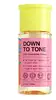
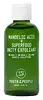
iNNBEAUTY PROJECT Down to Tone Life Changing Toner Versus Youth To The People Mandelic Acid + Superfood Unity Exfoliant
This smoothing toner is formulated around Gluconolactone and Lactic Acid to refine skin texture and brighten dull-looking skin.
This brightening exfoliator is formulated around Ascorbic Acid and Panthenol to brighten dull-looking skin and refine skin texture.

What's inside
What's inside
 Key Ingredients
Benefits
Concerns
Ingredients Side-by-side
Water
Skin ConditioningGlycerin
Humectant


Gluconolactone
Skin Conditioning






Lactic Acid
Buffering




Propanediol
Solvent
Sodium Citrate
BufferingNiacinamide
Smoothing


Phytic Acid
Malic Acid
Buffering
Salicylic Acid
Masking


Boerhavia Diffusa Root Extract
Skin Protecting
Curcuma Longa Root Extract
Antioxidant

Pinus Pinaster Bark Extract
Antioxidant
Polyglutamic Acid
Skin Conditioning
Vinegar
Vaccinium Myrtillus Fruit/Leaf Extract
AstringentArginine
Masking
Acer Saccharum Extract
Skin ConditioningSaccharum Officinarum Extract
MoisturisingCitric Acid
Buffering
Citrus Aurantium Dulcis Fruit Extract
MaskingCitrus Limon Fruit Extract
Masking
Arctium Lappa Root Extract
Skin Conditioning
Docosahexaenoic Acid
Skin Conditioning
Eicosapentaenoic Acid
Emollient
Phosphatidylcholine
EmulsifyingLactobacillus/Punica Granatum Fruit Ferment Extract
Antioxidant
Leuconostoc/Radish Root Ferment Filtrate
Antimicrobial
Phytosphingosine
Skin Conditioning
Sodium Phytate
1,2-Hexanediol
Skin Conditioning
Caprylic/Capric Triglyceride
Masking
Hydroxyethylcellulose
Emulsion StabilisingXanthan Gum
EmulsifyingSorbitol
Humectant
Tetrasodium Glutamate Diacetate
Hydroxyacetophenone
Antioxidant
Tocopheryl Acetate
Antioxidant
Ethylhexylglycerin
Skin ConditioningWater, Glycerin, Gluconolactone, Lactic Acid, Propanediol, Sodium Citrate, Niacinamide, Phytic Acid, Malic Acid, Salicylic Acid, Boerhavia Diffusa Root Extract, Curcuma Longa Root Extract, Pinus Pinaster Bark Extract, Polyglutamic Acid, Vinegar, Vaccinium Myrtillus Fruit/Leaf Extract, Arginine, Acer Saccharum Extract, Saccharum Officinarum Extract, Citric Acid, Citrus Aurantium Dulcis Fruit Extract, Citrus Limon Fruit Extract, Arctium Lappa Root Extract, Docosahexaenoic Acid, Eicosapentaenoic Acid, Phosphatidylcholine, Lactobacillus/Punica Granatum Fruit Ferment Extract, Leuconostoc/Radish Root Ferment Filtrate, Phytosphingosine, Sodium Phytate, 1,2-Hexanediol, Caprylic/Capric Triglyceride, Hydroxyethylcellulose, Xanthan Gum, Sorbitol, Tetrasodium Glutamate Diacetate, Hydroxyacetophenone, Tocopheryl Acetate, Ethylhexylglycerin
Water
Skin ConditioningHelianthus Annuus Seed Oil
Emollient
Stearic Acid
Cleansing
Glycerin
Humectant
Glyceryl Stearate
Emollient
Cetyl Alcohol
Emollient
Ascorbic Acid
Antioxidant
Lecithin
Emollient
Panthenol
Skin Conditioning
Sodium Hyaluronate Crosspolymer
Humectant
Tocopheryl Acetate
Antioxidant
Phenoxyethanol
Preservative
Hydroxyethylcellulose
Emulsion StabilisingPotassium Sorbate
Preservative
Aloe Barbadensis Leaf Extract
Emollient
Brassica Oleracea Capitata Leaf Extract
Skin ConditioningCamellia Sinensis Leaf Extract
Antimicrobial
Chamomilla Recutita Flower Extract
Masking
Medicago Sativa Leaf Extract
Skin ConditioningSpinacia Oleracea Leaf Extract
Skin ConditioningParfum
Masking
Pentylene Glycol
Skin Conditioning
Ethylhexylglycerin
Skin ConditioningMagnesium Chloride
Palmitoyl Dipeptide-5 Diaminobutyroyl Hydroxythreonine
Skin Conditioning
Palmitoyl Tripeptide-5
Skin Conditioning
Tetradecyl Aminobutyroylvalylaminobutyric Urea Trifluoroacetate
Skin ConditioningBenzyl Benzoate
Antimicrobial
Citronellol
Perfuming
Hexyl Cinnamal
Perfuming
Limonene
Perfuming
Linalool
Perfuming
Water, Helianthus Annuus Seed Oil, Stearic Acid, Glycerin, Glyceryl Stearate, Cetyl Alcohol, Ascorbic Acid, Lecithin, Panthenol, Sodium Hyaluronate Crosspolymer, Tocopheryl Acetate, Phenoxyethanol, Hydroxyethylcellulose, Potassium Sorbate, Aloe Barbadensis Leaf Extract, Brassica Oleracea Capitata Leaf Extract, Camellia Sinensis Leaf Extract, Chamomilla Recutita Flower Extract, Medicago Sativa Leaf Extract, Spinacia Oleracea Leaf Extract, Parfum, Pentylene Glycol, Ethylhexylglycerin, Magnesium Chloride, Palmitoyl Dipeptide-5 Diaminobutyroyl Hydroxythreonine, Palmitoyl Tripeptide-5, Tetradecyl Aminobutyroylvalylaminobutyric Urea Trifluoroacetate, Benzyl Benzoate, Citronellol, Hexyl Cinnamal, Limonene, Linalool
Reviews
Ingredients Explained
These ingredients are found in both products.
Ingredients higher up in an ingredient list are typically present in a larger amount.
Ethylhexylglycerin is created from glycerin. It is a multitasker ingredient that:
The CIR Expert Panel found minimal skin absorption or sensitization of any kind in a safety assessment. Though this ingredient is considered well-tolerated, a small number of cases of allergic dermatitis have been published since 2002. Just be sure to patch test if you are unsure.
Industry-reported use ranges from 8% in rinse-off products and 2% in leave-on formulations.
Learn more about EthylhexylglycerinGlycerin (or glycerol) is a compound naturally found in your skin. It's a powerhouse humectant that pulls water into the stratum corneum.
Topically, glycerin does several things at once:
Your skin makes glycerin on its own (mostly from sebaceous oil breakdown) and shuttles it to your outermost layer of skin, or your epidermis, via aquaporin-3.
Aquaporin-3 is a transporter that is essential for normal skin hydration, elasticity, and repair. Interestingly, mice lacking in AQP3 have dry and less elastic skin that can be fully corrected with glycerin.
This ingredient is non-irritating, plays well with almost every ingredient, and works across all skin types. Typical use is anywhere between 3-10% but can go up to 79% in some leave-on products.
Just know very high concentrations (>40%) can feel tacky in low humidity.
Glycerin is the name for this ingredient in American English. British English uses Glycerol/Glycerine.
Learn more about GlycerinHydroxyethylcellulose is used to improve the texture of products. It is created from a chemical reaction involving ethylene oxide and alkali-cellulose. Cellulose is a sugar found in plant cell walls and help give plants structure.
This ingredient helps stabilize products by preventing ingredients from separating. It can also help thicken the texture of a product.
This ingredient can also be found in pill medicines to help our bodies digest other ingredients.
Learn more about HydroxyethylcelluloseTocopheryl Acetate is a stable, shelf-friendly form of vitamin E.
Formulators love it because plain vitamin E oxidizes quickly once it hits air. This acetate version stays stable and resists going off, helping to extend a product's shelf life.
It's actually inactive on its own and works like a slow-release "storage" form; the enzymes in your skin called esterases gradually convert it into active vitamin E over time.
One in vivo study showed 5% of the acetate in the living layer of the epidermis converted to vitamin E after 5 days of application. This study also found the skin gained protection against UV damage even though the conversion was slow and small.
Once converted, vitamin E acts as a skin's main fat-soluble antioxidant that fights free radicals to protect skin from damage.
Topical vitamin E generally boosts the skin's photoprotection, and it reduced UV-damage in animal models.
This ingredient has some brightening potential but it's more of a prevention ingredient than spot-fader. Cell studies show it can slow down melanin production but it's worth noting that it's not the most powerful brightener out there.
Overall, it has a pretty solid safety profile and has been found to be non-irritating and non-comedogenic. Allergic reactions may happen but stay rare due to how widely the ingredient gets used.
The concentration will vary depending on the formula; industry data shows 0.1% in baby lotions, 3% in lipsticks, and 5% in foot powders. You can also find this ingredient at 100% in a pure vitamin E oil.
Most leave-on skincare keeps it at the lower end, often between 0.5-1%.
Learn more about Tocopheryl AcetateWater. It's the most common cosmetic ingredient of all. You'll usually see it at the top of ingredient lists, meaning that it makes up the largest part of the product.
So why is it so popular? Water most often acts as a solvent - this means that it helps dissolve other ingredients into the formulation.
You'll also recognize water as that liquid we all need to stay alive. If you see this, drink a glass of water. Remember to stay hydrated!
Learn more about Water

