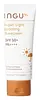
This hybrid sunscreen covers the full UV range and blocks ~98% of UVB at SPF 50.
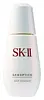
This brightening serum is formulated around Galactomyces Ferment Filtrate and Niacinamide to fade the look of dark spots and brighten dull-looking skin.


What's inside
What's inside
 Key Ingredients
Benefits
Concerns
Ingredients Side-by-side
Water
Skin ConditioningHomosalate
Skin Conditioning

Propylene Glycol
Humectant


Isododecane
EmollientMethylene Bis-Benzotriazolyl Tetramethylbutylphenol
UV Filter
Bis-Ethylhexyloxyphenol Methoxyphenyl Triazine
UV Absorber
Cyclopentasiloxane
Emollient
Zinc Oxide
Cosmetic Colorant
Steareth-2
EmulsifyingSteareth-21
CleansingAmmonium Acryloyldimethyltaurate/Vp Copolymer
PEG-10 Dimethicone
Skin Conditioning
Titanium Dioxide
Cosmetic Colorant
Decyl Glucoside
Cleansing
Methylpropanediol
SolventGlyceryl Stearate Se
Emulsifying


PEG-100 Stearate
Surfactant
Xanthan Gum
EmulsifyingXylitylglucoside
Humectant
Caprylyl Glycol
Emollient
Anhydroxylitol
Humectant
Methicone
Emollient
Polyquaternium-80
CleansingAlumina
Abrasive
Xylitol
Humectant
Disodium EDTA
ChelatingDidecyldimonium Chloride
EmulsifyingGlucose
Humectant
Melanin
Skin ProtectingTocopheryl Acetate
Antioxidant


Dipropylene Glycol
HumectantPentylene Glycol
Skin Conditioning
Polysorbate 80
Emulsifying
Asiaticoside
Antioxidant




Madecassic Acid
Skin Conditioning
Asiatic Acid
Skin Conditioning
Sodium Benzoate
Masking
Cholesterol
Emollient
Ethylhexylglycerin
Skin ConditioningWater, Homosalate, Propylene Glycol, Isododecane, Methylene Bis-Benzotriazolyl Tetramethylbutylphenol, Bis-Ethylhexyloxyphenol Methoxyphenyl Triazine, Cyclopentasiloxane, Zinc Oxide, Steareth-2, Steareth-21, Ammonium Acryloyldimethyltaurate/Vp Copolymer, PEG-10 Dimethicone, Titanium Dioxide, Decyl Glucoside, Methylpropanediol, Glyceryl Stearate Se, PEG-100 Stearate, Xanthan Gum, Xylitylglucoside, Caprylyl Glycol, Anhydroxylitol, Methicone, Polyquaternium-80, Alumina, Xylitol, Disodium EDTA, Didecyldimonium Chloride, Glucose, Melanin, Tocopheryl Acetate, Dipropylene Glycol, Pentylene Glycol, Polysorbate 80, Asiaticoside, Madecassic Acid, Asiatic Acid, Sodium Benzoate, Cholesterol, Ethylhexylglycerin
Water
Skin ConditioningGalactomyces Ferment Filtrate
Humectant
Butylene Glycol
Humectant
Cyclopentasiloxane
Emollient
Niacinamide
Smoothing


Triethylhexanoin
MaskingGlycerin
Humectant
Pentylene Glycol
Skin Conditioning
Nylon-12
Phytosteryl/Octyldodecyl Lauroyl Glutamate
Skin ConditioningInositol
Humectant
Polymethylsilsesquioxane
Boron Nitride
Absorbent
Caprylic/Capric Triglyceride
Masking
Panthenol
Skin Conditioning
PEG-20 Sorbitan Cocoate
Emulsifying
Dimethicone/Vinyl Dimethicone Crosspolymer
Skin Conditioning
Acrylates/C10-30 Alkyl Acrylate Crosspolymer
Emulsion StabilisingPhenoxyethanol
Preservative
PEG-11 Methyl Ether Dimethicone
Emulsifying
Polyacrylamide
Laureth-7
EmulsifyingBenzyl Alcohol
Perfuming




Aminomethyl Propanol
BufferingC13-14 Isoparaffin
Emollient
Disodium EDTA
ChelatingMethylparaben
Preservative
Hexyldecanol
Emollient
Sodium Benzoate
Masking
Xanthan Gum
EmulsifyingAscorbyl Glucoside
Antioxidant
Laminaria Saccharina Extract
Skin Protecting
Tocopherol
Antioxidant
Zea Mays Oil
Emulsifying
Methicone
Emollient
CI 77492
Cosmetic ColorantCI 75130
Cosmetic ColorantWater, Galactomyces Ferment Filtrate, Butylene Glycol, Cyclopentasiloxane, Niacinamide, Triethylhexanoin, Glycerin, Pentylene Glycol, Nylon-12, Phytosteryl/Octyldodecyl Lauroyl Glutamate, Inositol, Polymethylsilsesquioxane, Boron Nitride, Caprylic/Capric Triglyceride, Panthenol, PEG-20 Sorbitan Cocoate, Dimethicone/Vinyl Dimethicone Crosspolymer, Acrylates/C10-30 Alkyl Acrylate Crosspolymer, Phenoxyethanol, PEG-11 Methyl Ether Dimethicone, Polyacrylamide, Laureth-7, Benzyl Alcohol, Aminomethyl Propanol, C13-14 Isoparaffin, Disodium EDTA, Methylparaben, Hexyldecanol, Sodium Benzoate, Xanthan Gum, Ascorbyl Glucoside, Laminaria Saccharina Extract, Tocopherol, Zea Mays Oil, Methicone, CI 77492, CI 75130
Reviews
Ingredients Explained
These ingredients are found in both products.
Ingredients higher up in an ingredient list are typically present in a larger amount.
Cyclopentasiloxane (D5) is a lightweight silicone that mostly acts as an emollient and solvent in cosmetics. Its the reason your products feel silky, fast-spreading, and non-greasy.
Since D5 is volatile, it does its thing and then evaporates off the skin quickly.
The safety profile of this ingredient is reassuring; the US CIR Expert Panel concluded D5 is safe as used in cosmetics and Health Canada concluded that D5 is not harmful to human health or the environment as currently used in cosmetics
There's a study that people mention about D5 in a rat study showing tumors. This study is related to long-term inhalation of high D5 levels.
Regulatory bodies have judged this study to be not applicable in topical skincare since skin absorption of D5 is very low and we're not really inhaling huge amounts of D5.
The only restriction for this ingredient is environmental. The European Chemicals Agency (ECHA) restricted D5 in wash-off cosmetics at or above 0.1% due to their persistence in water.
Learn more about CyclopentasiloxaneDisodium EDTA is a chelating agent. It grabs onto and deactivates metal ions that sneak into your products from water, packaging, or air.
This ingredient mainly works behind the scenes and helps with:
On top of that, this ingredient can counteract the effects of hard water by binding to the minerals in it.
One thing worth knowing is that Disodium EDTA has been shown to be a mild penetration enhancer. It can help other ingredients absorb into skin more effectively which can be a double-edged sword (great for actives, but can also make the active too strong if you have sensitive skin).
Clinical patch testing showed no significant skin irritation at typical use concentrations and minimal dermal absorption.
You'll most likely see this ingredient near the end of an ingredient list. It's typically found in concentrations less than 1%.
Learn more about Disodium EDTAMethicone is a type of silicone and is a simpler form of dimethicone.
Silicones are used to enhance the texture of products and have emollient properties. Methicone is used to give products a silky texture and improves spreadability.
Pentylene Glycol (1,2-pentanediol) is a multitasking little diol with three main roles in a formula:
Research on alkanediols (the family pentylene glycol belongs to) show they work by disrupting microbial cell membranes. This disruption helps the primary preservative system in a product work more effectively at lower doses.
On the safety side, the Cosmetic Ingredient Review Expert Panel has concluded this ingredient to be safe as used in current cosmetic practices + concentrations.
Typical use levels in a formula run about 1-5%.
Learn more about Pentylene GlycolSodium Benzoate is a preservative. It's used in both cosmetic and food products to inhibit the growth of mold and bacteria. It is typically produced synthetically.
Both the US FDA and EU Health Committee have approved the use of sodium benzoate. In the US, levels of 0.1% (of the total product) are allowed.
Sodium benzoate works as a preservative by inhibiting the growth of bacteria inside of cells. It prevents the cell from fermenting a type of sugar using an enzyme called phosphofructokinase.
It is the salt of benzoic acid. Foods containing sodium benzoate include soda, salad dressings, condiments, fruit juices, wines, and snack foods.
Studies for using ascorbic acid and sodium benzoate in cosmetics are lacking, especially in skincare routines with multiple steps.
We always recommend speaking with a professional, such as a dermatologist, if you have any concerns.
Learn more about Sodium BenzoateWater. It's the most common cosmetic ingredient of all. You'll usually see it at the top of ingredient lists, meaning that it makes up the largest part of the product.
So why is it so popular? Water most often acts as a solvent - this means that it helps dissolve other ingredients into the formulation.
You'll also recognize water as that liquid we all need to stay alive. If you see this, drink a glass of water. Remember to stay hydrated!
Learn more about WaterXanthan gum is used as a stabilizer and thickener within cosmetic products. It helps give products a sticky, thick feeling - preventing them from being too runny.
On the technical side of things, xanthan gum is a polysaccharide - a combination consisting of multiple sugar molecules bonded together.
Xanthan gum is a pretty common and great ingredient. It is a natural, non-toxic, non-irritating ingredient that is also commonly used in food products.
Learn more about Xanthan Gum

