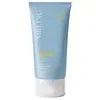
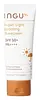
Sibling Daily Aqua Shield All UV Sunscreen SPF 50+ Versus Ingu Super-Light Soothing Sunscreen SPF 50+
This chemical sunscreen covers the full UV range and blocks ~98% of UVB at SPF 50.
This hybrid sunscreen covers the full UV range and blocks ~98% of UVB at SPF 50.

What's inside
What's inside
 Key Ingredients
Benefits
Concerns
Ingredients Side-by-side
Water
Skin ConditioningEthylhexyl Methoxycinnamate
UV Absorber


Dibutyl Adipate
EmollientPropanediol
Solvent

Methyl Methacrylate Crosspolymer

Diethylamino Hydroxybenzoyl Hexyl Benzoate
UV Filter
Ethylhexyl Triazone
UV Absorber
Methylene Bis-Benzotriazolyl Tetramethylbutylphenol
UV Filter
Poly C10-30 Alkyl Acrylate
Emulsion StabilisingCoco-Caprylate/Caprate
Emollient
Diethylhexyl Butamido Triazone
UV Absorber
Polyglyceryl-3 Methylglucose Distearate
Emulsifying

Glycerin
Humectant
Phenoxyethanol
Preservative
1,2-Hexanediol
Skin Conditioning
Behenyl Alcohol
Emollient
Pentylene Glycol
Skin Conditioning
Polyacrylate Crosspolymer-6
Emulsion StabilisingDecyl Glucoside
Cleansing
Sodium Acrylates Crosspolymer-2
AbsorbentHydroxyethyl Urea
Humectant
Bisabolol
Antioxidant


Sodium Stearoyl Glutamate
CleansingChlorphenesin
Antimicrobial
Glycogen
HumectantMaltodextrin
Absorbent
Propylene Glycol
Humectant
Xanthan Gum
EmulsifyingAlpha-Glucan
HumectantCaesalpinia Sappan Extract
Skin ConditioningGlucosyl Ceramide
Skin Conditioning

Glucose
Humectant
Hydrolyzed Pea Protein
EmollientSodium Chloride
MaskingHelianthus Annuus Sprout Extract
Skin ConditioningSodium Succinate
BufferingWater, Ethylhexyl Methoxycinnamate, Dibutyl Adipate, Propanediol, Methyl Methacrylate Crosspolymer, Diethylamino Hydroxybenzoyl Hexyl Benzoate, Ethylhexyl Triazone, Methylene Bis-Benzotriazolyl Tetramethylbutylphenol, Poly C10-30 Alkyl Acrylate, Coco-Caprylate/Caprate, Diethylhexyl Butamido Triazone, Polyglyceryl-3 Methylglucose Distearate, Glycerin, Phenoxyethanol, 1,2-Hexanediol, Behenyl Alcohol, Pentylene Glycol, Polyacrylate Crosspolymer-6, Decyl Glucoside, Sodium Acrylates Crosspolymer-2, Hydroxyethyl Urea, Bisabolol, Sodium Stearoyl Glutamate, Chlorphenesin, Glycogen, Maltodextrin, Propylene Glycol, Xanthan Gum, Alpha-Glucan, Caesalpinia Sappan Extract, Glucosyl Ceramide, Glucose, Hydrolyzed Pea Protein, Sodium Chloride, Helianthus Annuus Sprout Extract, Sodium Succinate
Water
Skin ConditioningHomosalate
Skin Conditioning
Propylene Glycol
Humectant
Isododecane
EmollientMethylene Bis-Benzotriazolyl Tetramethylbutylphenol
UV Filter
Bis-Ethylhexyloxyphenol Methoxyphenyl Triazine
UV Absorber
Cyclopentasiloxane
Emollient
Zinc Oxide
Cosmetic Colorant
Steareth-2
EmulsifyingSteareth-21
CleansingAmmonium Acryloyldimethyltaurate/Vp Copolymer
PEG-10 Dimethicone
Skin Conditioning
Titanium Dioxide
Cosmetic Colorant
Decyl Glucoside
Cleansing
Methylpropanediol
SolventGlyceryl Stearate Se
Emulsifying

PEG-100 Stearate
Surfactant
Xanthan Gum
EmulsifyingXylitylglucoside
Humectant
Caprylyl Glycol
Emollient
Anhydroxylitol
Humectant
Methicone
Emollient
Polyquaternium-80
CleansingAlumina
Abrasive
Xylitol
Humectant
Disodium EDTA
ChelatingDidecyldimonium Chloride
EmulsifyingGlucose
Humectant
Melanin
Skin ProtectingTocopheryl Acetate
Antioxidant

Dipropylene Glycol
HumectantPentylene Glycol
Skin Conditioning
Polysorbate 80
Emulsifying
Asiaticoside
Antioxidant
Madecassic Acid
Skin Conditioning
Asiatic Acid
Skin Conditioning
Sodium Benzoate
Masking
Cholesterol
Emollient
Ethylhexylglycerin
Skin ConditioningWater, Homosalate, Propylene Glycol, Isododecane, Methylene Bis-Benzotriazolyl Tetramethylbutylphenol, Bis-Ethylhexyloxyphenol Methoxyphenyl Triazine, Cyclopentasiloxane, Zinc Oxide, Steareth-2, Steareth-21, Ammonium Acryloyldimethyltaurate/Vp Copolymer, PEG-10 Dimethicone, Titanium Dioxide, Decyl Glucoside, Methylpropanediol, Glyceryl Stearate Se, PEG-100 Stearate, Xanthan Gum, Xylitylglucoside, Caprylyl Glycol, Anhydroxylitol, Methicone, Polyquaternium-80, Alumina, Xylitol, Disodium EDTA, Didecyldimonium Chloride, Glucose, Melanin, Tocopheryl Acetate, Dipropylene Glycol, Pentylene Glycol, Polysorbate 80, Asiaticoside, Madecassic Acid, Asiatic Acid, Sodium Benzoate, Cholesterol, Ethylhexylglycerin
Reviews
Ingredients Explained
These ingredients are found in both products.
Ingredients higher up in an ingredient list are typically present in a larger amount.
Decyl Glucoside is a plant-derived surfactant and emulsion stabilizer. It is created by reacting glucose with the fatty acids from plants.
Like all surfactants, it works by lowering the surface tension between water and oil. This makes it so that dirt, sebum, and makeup can be lifted off your skin and rinsed away. It also produces a dense and creamy foam.
Because it has a neutral charge, it is compatible with a wide range of ingredients and stays stable across a broad pH range/water hardiness conditions.
Patch testing has shown it to have the lowest irritation potential among common cleansing surfactants (like SLS).
Typical use levels range from 5-20% in rinse-off cleansers.
One thing worth knowing: The American Contact Dermatitis Society named the parent family, alkyl glucosides, "Allergen of the Year" in 2017. The prevalence of allergy is pretty low but be sure to patch test if you've reacted to "gentle" or sulfate-free cleansers before.
This ingredient is fungal acne safe because the fatty alcohol portion of this ingredient is not within the C11-24 chain length that Malassezia can metabolize.
Learn more about Decyl GlucosideGlucose is a simple sugar (a monosaccharide). In skincare, it is mostly a humectant and skin conditioning agent.
Mechanistically, it has multiple hydroxyl groups that hydrogen-bond to water. This pulls moisture into the upper layers of skin to keep the surface soft and hydrated.
It's worth knowing sugars are already a natural component of the skin's NMF (natural moisturizing factor) so it's a molecule that your stratum corneum is well-acquainted with.
Just so you know, glucose is hydrophilic (water-loving) and the stratum corneum is a strong barrier to hydrophilic compounds. This just means penetration is slow and most of the action is happening on the surface.
Gram-to-gram, glucose is not as efficient as a humectant as glycerin. This is why you'll likely see glycose paired with stronger humectants for a bigger hydration payoff.
In skincare, glucose is typically derived from corn or other starch sources.
Learn more about GlucoseThis ingredient is also known as Tinosorb M or Bisoctrizole and is a bit of an overachiever in the sunscreen world.
It's a hybrid broad-spectrum filter that covers UVA and UVB (~280-400nm) with peak absorption around 305nm for UVB or 360nm for UVA (and a tiny bit in blue-light territory as well).
One of its best party tricks is photostability; it doesn't break down with repeated sun exposure and doesn't generate free radicals in the process either. You'll also see it paired with wobbly filters like avobenzone because it helps stabilize them.
The safety profile is assuring as well. Because it's a large molecule, it doesn't easily absorb into skin and rarely causes irritation.
It's approved in the EU, Asia, and Australia up to 10% and most formulas land somewhere in the 2-10% range.
You won't find it as a sunscreen active in the US, but it can make an appearance as a formula-protecting UV-absorber.
Learn more about Methylene Bis-Benzotriazolyl TetramethylbutylphenolPentylene Glycol (1,2-pentanediol) is a multitasking little diol with three main roles in a formula:
Research on alkanediols (the family pentylene glycol belongs to) show they work by disrupting microbial cell membranes. This disruption helps the primary preservative system in a product work more effectively at lower doses.
On the safety side, the Cosmetic Ingredient Review Expert Panel has concluded this ingredient to be safe as used in current cosmetic practices + concentrations.
Typical use levels in a formula run about 1-5%.
Learn more about Pentylene GlycolPropylene Glycol is a synthetic, colorless, odorless liquid that has been a staple in cosmetics for decades. It is a skin conditioning agent, humectant, and solvent.
As a humectant, it draw water to the skin to reduce flaking and restore suppleness. It's also a solvent that helps dissolve other actives and keeps formulas stable across temperature changes.
The CIR Expert Panel has confirmed this ingredient to be nontoxic and clinical studies show no sensitization at cosmetic use concentrations.
True allergic reactions are quite rare: a 15-year retrospective study of 6,751 patients found only 0.31% had a positive reaction (and less than half were considered clinically relevant).
It seemed that when sensitization does occur, it's most commonly linked to topical medication (like corticosteroids) and not cosmetics. Allergic contact dermatitis also appears largely limited to individuals with underlying skin conditions.
Overall, propylene glycol is a well-studied ingredient that most people can tolerate without issue.
Learn more about Propylene GlycolWater. It's the most common cosmetic ingredient of all. You'll usually see it at the top of ingredient lists, meaning that it makes up the largest part of the product.
So why is it so popular? Water most often acts as a solvent - this means that it helps dissolve other ingredients into the formulation.
You'll also recognize water as that liquid we all need to stay alive. If you see this, drink a glass of water. Remember to stay hydrated!
Learn more about WaterXanthan gum is used as a stabilizer and thickener within cosmetic products. It helps give products a sticky, thick feeling - preventing them from being too runny.
On the technical side of things, xanthan gum is a polysaccharide - a combination consisting of multiple sugar molecules bonded together.
Xanthan gum is a pretty common and great ingredient. It is a natural, non-toxic, non-irritating ingredient that is also commonly used in food products.
Learn more about Xanthan Gum

