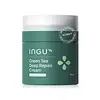
This barrier-repair moisturizer is formulated around Camellia Sinensis Leaf Extract and Niacinamide to strengthen the skin barrier and calm redness.
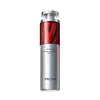
This anti-aging essence is formulated around Acetyl Glucosamine and Hydroxypinacolone Retinoate to soften the look of wrinkles and refine skin texture.


What's inside
What's inside
 Key Ingredients
Benefits
Concerns
Ingredients Side-by-side
Water
Skin ConditioningC15-19 Alkane
SolventGlyceryl Stearate
Emollient

PEG-100 Stearate
Surfactant
Camellia Sinensis Leaf Extract
Antimicrobial







Niacinamide
Smoothing





Petrolatum
Emollient


Propanediol
Solvent
Prunus Amygdalus Dulcis Oil
Skin Conditioning

Squalane
Emollient
Dipentaerythrityl Hexahydroxystearate/Hexastearate/Hexarosinate
Skin ConditioningHydrolyzed Jojoba Esters
Skin Conditioning
Silica
Abrasive
Saccharide Isomerate
Humectant
Sodium Polyacrylate
Absorbent
Hydrogenated Lecithin
Emulsifying
Phytosterols
Skin Conditioning
Ceramide NP
Skin Conditioning
Ceramide Ng
Skin Conditioning
Ceramide AP
Skin Conditioning
Glycerin
Humectant
Pentaerythrityl Tetraethylhexanoate
Emollient
Phenoxyethanol
Preservative
Hydroxypropyl Starch Phosphate
Bisabolol
Antioxidant
Carrageenan
Dimethicone
Emollient
Chlorphenesin
Antimicrobial
BHT
Antioxidant
Disodium EDTA
ChelatingWater, C15-19 Alkane, Glyceryl Stearate, PEG-100 Stearate, Camellia Sinensis Leaf Extract, Niacinamide, Petrolatum, Propanediol, Prunus Amygdalus Dulcis Oil, Squalane, Dipentaerythrityl Hexahydroxystearate/Hexastearate/Hexarosinate, Hydrolyzed Jojoba Esters, Silica, Saccharide Isomerate, Sodium Polyacrylate, Hydrogenated Lecithin, Phytosterols, Ceramide NP, Ceramide Ng, Ceramide AP, Glycerin, Pentaerythrityl Tetraethylhexanoate, Phenoxyethanol, Hydroxypropyl Starch Phosphate, Bisabolol, Carrageenan, Dimethicone, Chlorphenesin, BHT, Disodium EDTA
Water
Skin ConditioningDimethicone
Emollient
Acetyl Glucosamine
Skin Conditioning
Phytosteryl/Octyldodecyl Lauroyl Glutamate
Skin ConditioningGlycerin
Humectant
Isotridecyl Isononanoate
EmollientPanthenol
Skin Conditioning
Ammonium Acryloyldimethyltaurate/Vp Copolymer
Dimethyl Isosorbide
Solvent1,2-Hexanediol
Skin Conditioning
Butylene Glycol
Humectant
Hydroxyacetophenone
Antioxidant
Caprylic/Capric Triglyceride
Masking
Hydroxypropyl Cyclodextrin
MaskingHydrogenated Lecithin
Emulsifying
Hexyldecanol
Emollient
Pentylene Glycol
Skin Conditioning
Polyglyceryl-3 Methylglucose Distearate
Emulsifying
Bisabolol
Antioxidant
Allantoin
Skin Conditioning
Niacinamide
Smoothing
Silybum Marianum Fruit Extract
Skin Conditioning
Citrus Limon Fruit Extract
Masking
Glycine Soja Extract
Skin ConditioningHydroxypinacolone Retinoate
Skin Conditioning
Retinol
Skin Conditioning
Tetradecyl Aminobutyroylvalylaminobutyric Urea Trifluoroacetate
Skin ConditioningCyclopeptide-161

Palmitoyl Tripeptide-5
Skin Conditioning
Linum Usitatissimum Seed Extract
Perfuming
Dipalmitoyl Hydroxyproline
Skin Conditioning
Ascorbyl Palmitate
Antioxidant
Madecassoside
Antioxidant
Centella Asiatica Extract
Cleansing
Asiaticoside
Antioxidant
Ceramide NP
Skin Conditioning
Ceramide AP
Skin Conditioning
Avena Sativa Bran
Abrasive
Beta-Glucan
Skin Conditioning
Phytosphingosine
Skin Conditioning
4-T-Butylcyclohexanol
Masking
Superoxide Dismutase
Antioxidant
Mauritia Flexuosa Fruit Oil
Skin Conditioning
Tocopherol
Antioxidant
Lecithin
Emollient
Hydroxypropyl Methylcellulose Stearoxy Ether
Polysorbate 80
Emulsifying
Divinyldimethicone/Dimethicone Crosspolymer
Skin Conditioning
Pentaerythrityl Tetra-Di-T-Butyl Hydroxyhydrocinnamate
Antioxidant
Trehalose
Humectant
Sucrose Laurate
Emollient
Cholesterol
Emollient
PEG/PPG/Polybutylene Glycol-8/5/3 Glycerin
HumectantHydroxyphenyl Propamidobenzoic Acid
Skin ConditioningPEG-40 Hydrogenated Castor Oil
Emulsifying
Caramel
Cosmetic ColorantSorbitan Trioleate
Emulsifying
Ethylhexylglycerin
Skin ConditioningXanthan Gum
EmulsifyingDisodium EDTA
ChelatingPhenethyl Alcohol
MaskingParfum
Masking
Water, Dimethicone, Acetyl Glucosamine, Phytosteryl/Octyldodecyl Lauroyl Glutamate, Glycerin, Isotridecyl Isononanoate, Panthenol, Ammonium Acryloyldimethyltaurate/Vp Copolymer, Dimethyl Isosorbide, 1,2-Hexanediol, Butylene Glycol, Hydroxyacetophenone, Caprylic/Capric Triglyceride, Hydroxypropyl Cyclodextrin, Hydrogenated Lecithin, Hexyldecanol, Pentylene Glycol, Polyglyceryl-3 Methylglucose Distearate, Bisabolol, Allantoin, Niacinamide, Silybum Marianum Fruit Extract, Citrus Limon Fruit Extract, Glycine Soja Extract, Hydroxypinacolone Retinoate, Retinol, Tetradecyl Aminobutyroylvalylaminobutyric Urea Trifluoroacetate, Cyclopeptide-161, Palmitoyl Tripeptide-5, Linum Usitatissimum Seed Extract, Dipalmitoyl Hydroxyproline, Ascorbyl Palmitate, Madecassoside, Centella Asiatica Extract, Asiaticoside, Ceramide NP, Ceramide AP, Avena Sativa Bran, Beta-Glucan, Phytosphingosine, 4-T-Butylcyclohexanol, Superoxide Dismutase, Mauritia Flexuosa Fruit Oil, Tocopherol, Lecithin, Hydroxypropyl Methylcellulose Stearoxy Ether, Polysorbate 80, Divinyldimethicone/Dimethicone Crosspolymer, Pentaerythrityl Tetra-Di-T-Butyl Hydroxyhydrocinnamate, Trehalose, Sucrose Laurate, Cholesterol, PEG/PPG/Polybutylene Glycol-8/5/3 Glycerin, Hydroxyphenyl Propamidobenzoic Acid, PEG-40 Hydrogenated Castor Oil, Caramel, Sorbitan Trioleate, Ethylhexylglycerin, Xanthan Gum, Disodium EDTA, Phenethyl Alcohol, Parfum
Reviews
Ingredients Explained
These ingredients are found in both products.
Ingredients higher up in an ingredient list are typically present in a larger amount.
Bisabolol is a gentle skin conditioner, antioxidant, and soothing ingredient.
It's primary claim to fame is soothing and research shows topically applied bisabolol can quiet the chemical messengers that cause your skin to become inflamed, helping to sooth any irritation.
A clinical study found that applying 0.5% bisabolol daily for 8 weeks produced an average 9% decrease in skin pigmentation. Researchers found it can also suppress the process that leads to excess melanin production in skin.
In vitro studies found that bisabolol combined with propylene glycol significantly increased skin permeability by increasing lipid fluidity in the stratum corneum.
You'll likely see use concentrations quite low, usually 0.1-0.2%.
Overall, this is a well-tolerated ingredient that works well in formulas designed for sensitive, reactive, or post-procedure skin.
Learn more about BisabololCeramide AP is is a skin-identical lipid that mimics what your skin already makes naturally. Ceramides help maintain epidermal integrity and barrier function.
You'll often see this ingredient paired with other ceramides (like ceramide NP), cholesterol, or fatty acids because this combination best mimics the natural lipid mix your skin already has.
The skin's ability to produce ceramides gets disrupted in skin conditions like eczema. This in turn weakens the skin barrier and applying ceramides topically has been shown to replenish what's been lost to restore barrier function.
Most of the studies with Ceramide AP test it as part of a multi-ceramide complex; studies reinforce ceramide AP's role in rebalancing ceramides in skin and improving skin hydration.
Learn more about Ceramide APCeramide NP (formerly known as Ceramide 3) is one of the skin's naturally occurring lipids.
Since ceramides are the major lipid components of the skin, they are crucial for maintaining skin barrier and hydration. Ceramide NP most closely mirrors the dominant kind in human skin amongst ceramide subtypes.
This ceramide works by slotting into gaps within the stratum corneum's lipid matrix to limit trans-epidermal water loss (TEWL) and shield the skin against external irritants.
A study with 312 patients found that using a ceramide-containing routine for 4 weeks reduced the severity of atopic dermatitis by over 61%.
Another clinical study in subjects aged 60 and older found that a ceramide body wash and moisturizer improved skin dryness and itchy skin in 15 days.
Overall, ceramides are considered non-irritating and safety tests have found little to no observable adverse effects from using this ingredient.
Ceramide NP is usually sourced from plants (like soybean or rice bran), or produced synthetically.
Learn more about Ceramide NPDimethicone is a type of synthetic silicone created from natural materials such as quartz. It is also known as polydimethylsiloxane.
What it does:
Dimethicone comes in different viscosities:
Depending on the viscosity, dimethicone has different properties.
Ingredients lists don't always show which type is used, so we recommend reaching out to the brand if you have questions about the viscosity.
This ingredient is unlikely to cause irritation because it does not get absorbed into skin. However, people with silicone allergies should be careful about using this ingredient.
Note: Dimethicone may contribute to pilling. This is because it is not oil or water soluble, so pilling may occur when layered with products. When mixed with heavy oils in a formula, the outcome is also quite greasy.
Learn more about DimethiconeDisodium EDTA is a chelating agent. It grabs onto and deactivates metal ions that sneak into your products from water, packaging, or air.
This ingredient mainly works behind the scenes and helps with:
On top of that, this ingredient can counteract the effects of hard water by binding to the minerals in it.
One thing worth knowing is that Disodium EDTA has been shown to be a mild penetration enhancer. It can help other ingredients absorb into skin more effectively which can be a double-edged sword (great for actives, but can also make the active too strong if you have sensitive skin).
Clinical patch testing showed no significant skin irritation at typical use concentrations and minimal dermal absorption.
You'll most likely see this ingredient near the end of an ingredient list. It's typically found in concentrations less than 1%.
Learn more about Disodium EDTAGlycerin (or glycerol) is a compound naturally found in your skin. It's a powerhouse humectant that pulls water into the stratum corneum.
Topically, glycerin does several things at once:
Your skin makes glycerin on its own (mostly from sebaceous oil breakdown) and shuttles it to your outermost layer of skin, or your epidermis, via aquaporin-3.
Aquaporin-3 is a transporter that is essential for normal skin hydration, elasticity, and repair. Interestingly, mice lacking in AQP3 have dry and less elastic skin that can be fully corrected with glycerin.
This ingredient is non-irritating, plays well with almost every ingredient, and works across all skin types. Typical use is anywhere between 3-10% but can go up to 79% in some leave-on products.
Just know very high concentrations (>40%) can feel tacky in low humidity.
Glycerin is the name for this ingredient in American English. British English uses Glycerol/Glycerine.
Learn more about GlycerinHydrogenated Lecithin is a more stable version of lecithin.
It's made by taking lecithin (a phospholipid commonly found in soybeans and egg yolks) and hydrogenating it. This just means the unsaturated fatty acids are turned into saturated ones so they don't go bad as easily.
This ingredient is an emollient, emulsifier, and penetration enhancer. As an emollient, it helps soften and hydrate skin by trapping moisture within. As an emulsifier, it prevents oil and water ingredients from separating.
Hydrogenated Lecithin can form tiny spherical structures made of phospholipid bilayers called liposomes. These liposomes are able to capture compounds inside their structure and deliver them through the skin barrier.
Because phospholipids are a natural component of our cell membranes, this ingredient is inherently compatible with skin.
A 2021 study found lecithin-based surfactants were less harsh and more tolerable comared to Sodium Lauryl Sulfate (SLS).
Learn more about Hydrogenated LecithinNiacinamide is a multitasking form of vitamin B3 that strengthens the skin barrier, reduces pores and dark spots, regulates oil, and improves signs of aging.
And the best part? It's gentle and well-tolerated by most skin types, including sensitive and reactive skin.
You might have heard of "niacin flush", or the reddening of skin that causes itchiness. Niacinamide has not been found to cause this.
In very rare cases, some individuals may not be able to tolerate niacinamide at all or experience an allergic reaction to it.
If you are experiencing flaking, irritation, and dryness with this ingredient, be sure to double check all your products as this ingredient can be found in all categories of skincare.
When incorporating niacinamide into your routine, look out for concentration amounts. Typically, 5% niacinamide provides benefits such as fading dark spots. However, if you have sensitive skin, it is better to begin with a smaller concentration.
When you apply niacinamide to your skin, your body converts it into nicotinamide adenine dinucleotide (NAD). NAD is an essential coenzyme that is already found in your cells as "fuel" and powers countless biological processes.
In your skin, NAD helps repair cell damage, produce new healthy cells, support collagen production, strengthen the skin barrier, and fight environmental stressors (like UV and pollution).
Our natural NAD levels start to decline with age, leading to slower skin repair, visible aging, and a weaker skin barrier. By providing your skin niacinamide, you're recharging your skin's NAD levels. This leads to stronger, healthier, and younger looking skin.
Another name for vitamin B3 is nicotinamide. This vitamin is water-soluble and our bodies don't store it. We obtain Vitamin B3 from either food or skincare. Meat, fish, wheat, yeast, and leafy greens contain vitamin B3.
The type of niacinamide used in skincare is synthetically created.
Learn more about NiacinamideWater. It's the most common cosmetic ingredient of all. You'll usually see it at the top of ingredient lists, meaning that it makes up the largest part of the product.
So why is it so popular? Water most often acts as a solvent - this means that it helps dissolve other ingredients into the formulation.
You'll also recognize water as that liquid we all need to stay alive. If you see this, drink a glass of water. Remember to stay hydrated!
Learn more about Water


