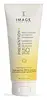
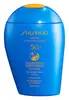
IMAGE skincare Prevention+ Daily Ultimate Protection Moisturizer SPF 50 Versus Shiseido Ultimate Sun Protector Lotion SPF 50+
This sunscreen offers SPF 50 protection with a matte finish that helps control shine.
This chemical sunscreen covers most of the UV range, lighter on the deep UVA that drives aging.


What's inside
What's inside
 Key Ingredients
Benefits
Concerns
Ingredients Side-by-side
Water
Skin ConditioningCaprylic/Capric Triglyceride
Masking


Glycerin
Humectant
Cyclopentasiloxane
Emollient
Cetyl PEG/PPG-10/1 Dimethicone
Emulsifying
Thermus Thermophillus Ferment
Skin ConditioningPolyacrylate-13
Cetearyl Ethylhexanoate
Emollient

Phenoxyethanol
Preservative
Polyisobutene
Polyglyceryl-6 Polyricinoleate
Emulsifying
Lecithin
Emollient
Isostearic Acid
Cleansing

Polyglyceryl-3 Polyricinoleate
Emulsifying
Polyhydroxystearic Acid
Emulsifying
Sodium Chloride
MaskingCetearyl Dimethicone
Emollient
Marrubium Vulgare Extract
Skin ConditioningHelianthus Annuus Seed Oil
Emollient
Xanthan Gum
EmulsifyingPolyglyceryl-2 Isostearate
Emulsifying
Disteardimonium Hectorite
StabilisingPolysorbate 20
Emulsifying
Citrus Aurantium Dulcis Peel Oil
Masking
Limonene
Perfuming

Sorbitan Isostearate
Emulsifying
Ethylhexylglycerin
Skin ConditioningPanthenol
Skin Conditioning

Citrus Nobilis Peel Oil
Masking
Disodium EDTA
Sodium Hyaluronate
Humectant

Melanin
Skin ProtectingErythritol
Humectant
Citric Acid
Buffering

Vanilla Planifolia Fruit Extract
Skin Conditioning
Glucose
Humectant
Potassium Sorbate
Preservative
Hydrolyzed Pea Protein
EmollientTocopherol
Antioxidant


PEG-8/Smdi Copolymer
Tetrahexyldecyl Ascorbate
Antioxidant


Tocopheryl Acetate
Antioxidant
Barosma Betulina Leaf Oil
Perfuming
Sodium Benzoate
Masking
Homarine Hcl
Skin ConditioningPentaerythrityl Tetra-Di-T-Butyl Hydroxyhydrocinnamate
Antioxidant
Sodium Succinate
BufferingMalus Domestica Fruit Cell Culture Extract
Skin ConditioningArabidopsis Thaliana Extract
Antioxidant
Micrococcus Lysate
Skin ConditioningPlankton Extract
Skin ConditioningErgothioneine
Antioxidant
Water, Caprylic/Capric Triglyceride, Glycerin, Cyclopentasiloxane, Cetyl PEG/PPG-10/1 Dimethicone, Thermus Thermophillus Ferment, Polyacrylate-13, Cetearyl Ethylhexanoate, Phenoxyethanol, Polyisobutene, Polyglyceryl-6 Polyricinoleate, Lecithin, Isostearic Acid, Polyglyceryl-3 Polyricinoleate, Polyhydroxystearic Acid, Sodium Chloride, Cetearyl Dimethicone, Marrubium Vulgare Extract, Helianthus Annuus Seed Oil, Xanthan Gum, Polyglyceryl-2 Isostearate, Disteardimonium Hectorite, Polysorbate 20, Citrus Aurantium Dulcis Peel Oil, Limonene, Sorbitan Isostearate, Ethylhexylglycerin, Panthenol, Citrus Nobilis Peel Oil, Disodium EDTA, Sodium Hyaluronate, Melanin, Erythritol, Citric Acid, Vanilla Planifolia Fruit Extract, Glucose, Potassium Sorbate, Hydrolyzed Pea Protein, Tocopherol, PEG-8/Smdi Copolymer, Tetrahexyldecyl Ascorbate, Tocopheryl Acetate, Barosma Betulina Leaf Oil, Sodium Benzoate, Homarine Hcl, Pentaerythrityl Tetra-Di-T-Butyl Hydroxyhydrocinnamate, Sodium Succinate, Malus Domestica Fruit Cell Culture Extract, Arabidopsis Thaliana Extract, Micrococcus Lysate, Plankton Extract, Ergothioneine
Butyl Methoxydibenzoylmethane 2.3%
UV Absorber
Homosalate 10%
Skin Conditioning
Ethylhexyl Salicylate 5%
UV Absorber
Octocrylene 5%
UV Absorber
Water
Skin ConditioningDiisopropyl Sebacate
EmollientTalc
Abrasive
Methyl Methacrylate Crosspolymer

Dimethicone
Emollient
PEG/PPG-9/2 Dimethyl Ether
Skin ConditioningSd Alcohol 40-B
Astringent

Lauryl PEG-9 Polydimethylsiloxyethyl Dimethicone
Skin Conditioning
Triethylhexanoin
MaskingGlycerin
Humectant
Dextrin Palmitate
Emulsifying
Sucrose Tetrastearate Triacetate
Emollient
Isododecane
EmollientPPG-3 Dipivalate
Skin ConditioningTrimethylsiloxysilicate
Emollient
Silica
Abrasive
Sodium Chloride
MaskingPEG/PPG-14/7 Dimethyl Ether
Skin ConditioningSaxifraga Sarmentosa Extract
Skin ConditioningCamellia Sinensis Leaf Extract
Antimicrobial
Sophora Angustifolia Root Extract
Skin ConditioningPPG-17
Skin ConditioningDisteardimonium Hectorite
StabilisingCalcium Stearate
Cosmetic ColorantIsostearic Acid
Cleansing
Palmitic Acid
Emollient
Trisodium EDTA
Alcohol
Antimicrobial
Silica Dimethyl Silylate
EmollientVinyl Dimethicone/Methicone Silsesquioxane Crosspolymer
PEG-6
HumectantBHT
Antioxidant
Tocopherol
Antioxidant
Butylene Glycol
Humectant
Stearic Acid
Cleansing
Sodium Metabisulfite
Antioxidant
Syzygium Jambos Leaf Extract
Skin ConditioningPolysilicone-2
Methylparaben
Preservative
Parfum
Masking
Iron Oxides
Butyl Methoxydibenzoylmethane 2.3%, Homosalate 10%, Ethylhexyl Salicylate 5%, Octocrylene 5%, Water, Diisopropyl Sebacate, Talc, Methyl Methacrylate Crosspolymer, Dimethicone, PEG/PPG-9/2 Dimethyl Ether, Sd Alcohol 40-B, Lauryl PEG-9 Polydimethylsiloxyethyl Dimethicone, Triethylhexanoin, Glycerin, Dextrin Palmitate, Sucrose Tetrastearate Triacetate, Isododecane, PPG-3 Dipivalate, Trimethylsiloxysilicate, Silica, Sodium Chloride, PEG/PPG-14/7 Dimethyl Ether, Saxifraga Sarmentosa Extract, Camellia Sinensis Leaf Extract, Sophora Angustifolia Root Extract, PPG-17, Disteardimonium Hectorite, Calcium Stearate, Isostearic Acid, Palmitic Acid, Trisodium EDTA, Alcohol, Silica Dimethyl Silylate, Vinyl Dimethicone/Methicone Silsesquioxane Crosspolymer, PEG-6, BHT, Tocopherol, Butylene Glycol, Stearic Acid, Sodium Metabisulfite, Syzygium Jambos Leaf Extract, Polysilicone-2, Methylparaben, Parfum, Iron Oxides
Reviews
Ingredients Explained
These ingredients are found in both products.
Ingredients higher up in an ingredient list are typically present in a larger amount.
Disteardimonium Hectorite comes from the clay mineral named hectorite. It is used to add thickness to a product.
It can also help stabilize a product by helping to disperse other ingredients.
Hectorite is a rare, white clay mineral.
Learn more about Disteardimonium HectoriteGlycerin (or glycerol) is a compound naturally found in your skin. It's a powerhouse humectant that pulls water into the stratum corneum.
Topically, glycerin does several things at once:
Your skin makes glycerin on its own (mostly from sebaceous oil breakdown) and shuttles it to your outermost layer of skin, or your epidermis, via aquaporin-3.
Aquaporin-3 is a transporter that is essential for normal skin hydration, elasticity, and repair. Interestingly, mice lacking in AQP3 have dry and less elastic skin that can be fully corrected with glycerin.
This ingredient is non-irritating, plays well with almost every ingredient, and works across all skin types. Typical use is anywhere between 3-10% but can go up to 79% in some leave-on products.
Just know very high concentrations (>40%) can feel tacky in low humidity.
Glycerin is the name for this ingredient in American English. British English uses Glycerol/Glycerine.
Learn more about GlycerinIsostearic Acid is a fatty acid and a structural cousin of stearic acid. It is an emulsifier.
The branched structure of this ingredient enhances fluidity and gives it a lighter, less greasy feel compared to other fatty acids. It helps improve texture and consistency because it prevents oil and water phases from separating.
This ingredient is sourced from plant-based oils like soybean or rapeseed.
Clinical studies found no signs of irritation from this ingredient.
Since Isostearic Acid is an 18-carbon fatty acid, it is in the range that Malassezia can feed on. This ingredient may not be fungal acne safe.
You might have seen sources that this ingredient is comedogenic. The original comedogenic testing on rabbit ear actually tested the ester, Isopropyl Isostearate and not Isostearic acid itself. There has been no comedogenic testing done on this ingredient, but it may be worth patch testing if you have acne-prone skin.
Learn more about Isostearic AcidChances are, you eat sodium chloride every day. Sodium Chloride is also known as table salt. This ingredient has many purposes in skincare: thickener, emulsifier, and exfoliator.
You'll most likely find this ingredient in cleansers where it is used to create a gel-like texture. As an emulsifier, it also prevents ingredients from separating.
You might see people debate whether Sodium Chloride is comedogenic, but there actually haven't been any comedogenic tests done on it. Either way, the overall formulation of a product matters a lot more than any single ingredient.
You might see this ingredient used in scrubs as a primary exfoliating ingredient.
Learn more about Sodium ChlorideTocopherol is a fat-soluble antioxidant known as Vitamin E.
You'll find this ingredient in the vast majority of skincare (for good reason). It works to neutralize free radicals, or unstable molecules generated by UV exposure, pollution, and other environmental stressors, before they can cause oxidative damage to your skin cells.
Topically applied tocopherol has been shown to protect against UV damage by ramping up the skin's own natural defense enzymes.
It also acts as a skin conditioning agent; some studies show that regular topical use can improve the skin's water-binding capacity over 2-4 weeks.
This ingredient is especially loved for being a team player. When combined with Vitamin C, the photoprotective effect of both ingredients roughly doubles and the combo also helps reduce UV-induced DNA damage.
This ingredient has some brightening potential but it's more of a prevention ingredient than spot-fader. Cell studies show it can slow down melanin production but it's worth noting that it's not the most powerful brightener out there.
In formulations, it also serves as a stabilizer that helps protect other oxidation-prone ingredients from degrading.
Concentrations usually range from 0.1-1% in most leave-on products.
Learn more about TocopherolWater. It's the most common cosmetic ingredient of all. You'll usually see it at the top of ingredient lists, meaning that it makes up the largest part of the product.
So why is it so popular? Water most often acts as a solvent - this means that it helps dissolve other ingredients into the formulation.
You'll also recognize water as that liquid we all need to stay alive. If you see this, drink a glass of water. Remember to stay hydrated!
Learn more about Water

