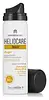
This chemical sunscreen covers the full UV range and blocks ~98% of UVB at SPF 50.
This hybrid sunscreen covers the full UV range and blocks ~98% of UVB at SPF 50.


What's inside
What's inside
 Key Ingredients
Benefits
Concerns
Ingredients Side-by-side
Water
Skin ConditioningIsobutane
Octocrylene
UV Absorber



Propane
Ethylhexyl Salicylate
UV Absorber
C12-15 Alkyl Benzoate
AntimicrobialButyl Methoxydibenzoylmethane
UV Absorber
C14-22 Alcohols
Emulsion Stabilising
Phenylbenzimidazole Sulfonic Acid
UV Absorber
Hexylene Glycol
EmulsifyingSaccharide Isomerate
Humectant


Arginine
Masking
Diethylhexyl Butamido Triazone
UV Absorber
Diethylamino Hydroxybenzoyl Hexyl Benzoate
UV Filter
Myristyl Alcohol
Emollient



Ceteareth-25
CleansingC12-20 Alkyl Glucoside
EmulsifyingPolypodium Leucotomos Leaf Extract
Skin Protecting
Ferulic Acid
Antimicrobial


Caffeic Acid
Antioxidant
Physalis Angulata Extract
Skin ProtectingMelanin
Skin ProtectingPlankton Extract
Skin ConditioningCaprylyl Glycol
Emollient
Disodium Ethylene Dicocamide PEG-15 Disulfate
Cleansing

Sodium Citrate
BufferingTocopheryl Acetate
Antioxidant
Citric Acid
Buffering
Xanthan Gum
EmulsifyingPhenylpropanol
Masking

Ethylhexyl Triazone
UV Absorber
Myristyl Glucoside
CleansingTrisiloxane
Skin Conditioning
Propylene Glycol
Humectant
Caprylic/Capric Triglyceride
Masking
Silica
Abrasive


Oxothiazolidine
Skin ProtectingButylene Glycol
Humectant
Lecithin
Emollient
Sodium Benzoate
Masking
Tocopherol
Antioxidant
Propanediol
Solvent
Disodium EDTA
Phenoxyethanol
Preservative
Parfum
Masking
Linalool
Perfuming
Limonene
Perfuming
Butane
Water, Isobutane, Octocrylene, Propane, Ethylhexyl Salicylate, C12-15 Alkyl Benzoate, Butyl Methoxydibenzoylmethane, C14-22 Alcohols, Phenylbenzimidazole Sulfonic Acid, Hexylene Glycol, Saccharide Isomerate, Arginine, Diethylhexyl Butamido Triazone, Diethylamino Hydroxybenzoyl Hexyl Benzoate, Myristyl Alcohol, Ceteareth-25, C12-20 Alkyl Glucoside, Polypodium Leucotomos Leaf Extract, Ferulic Acid, Caffeic Acid, Physalis Angulata Extract, Melanin, Plankton Extract, Caprylyl Glycol, Disodium Ethylene Dicocamide PEG-15 Disulfate, Sodium Citrate, Tocopheryl Acetate, Citric Acid, Xanthan Gum, Phenylpropanol, Ethylhexyl Triazone, Myristyl Glucoside, Trisiloxane, Propylene Glycol, Caprylic/Capric Triglyceride, Silica, Oxothiazolidine, Butylene Glycol, Lecithin, Sodium Benzoate, Tocopherol, Propanediol, Disodium EDTA, Phenoxyethanol, Parfum, Linalool, Limonene, Butane
Homosalate
Skin Conditioning
Ethylhexyl Methoxycinnamate
UV Absorber
Ethylhexyl Salicylate
UV Absorber
Zinc Oxide
Cosmetic Colorant
Aloe Barbadensis Leaf Juice
Skin Conditioning
Amodimethicone
Water
Skin ConditioningButylene Glycol
Humectant
Butyloctyl Salicylate
Skin Conditioning
C12-15 Alkyl Benzoate
AntimicrobialCamellia Sinensis Extract
Antioxidant
Caprylic/Capric Triglyceride
Masking
Carbomer
Emulsion StabilisingCitric Acid
Buffering
Citrullus Lanatus Fruit Extract
Skin Conditioning
Ceramide Ng
Skin Conditioning
Cocamidopropyl Betaine
Cleansing
Colloidal Oatmeal
Absorbent
Cyclopentasiloxane
Emollient
Cyclotetrasiloxane
Emollient
Daucus Carota Sativa Extract
Perfuming
Ferulic Acid
Antimicrobial
Glycerin
Humectant
Glyceryl Caprylate
EmollientGlyceryl Stearate
Emollient
Glyceryl Undecylenate
Emollient
Hyaluronic Acid
Humectant
Hydrogenated Methyl Abietate
Hydroxypropyl Cyclodextrin
MaskingLeuconostoc/Radish Root Ferment Filtrate
Antimicrobial
Melaleuca Alternifolia Leaf Oil
Antioxidant


Niacinamide
Smoothing

Palmitoyl Tetrapeptide-7
Skin Conditioning
Palmitoyl Tripeptide-1
Skin Conditioning
Palmitoyl Tripeptide-38
Skin Conditioning
Polysorbate 20
Emulsifying
Terminalia Ferdinandiana Seed Oil
Antioxidant
Thymus Vulgaris Extract
Perfuming
Homosalate, Ethylhexyl Methoxycinnamate, Ethylhexyl Salicylate, Zinc Oxide, Aloe Barbadensis Leaf Juice, Amodimethicone, Water, Butylene Glycol, Butyloctyl Salicylate, C12-15 Alkyl Benzoate, Camellia Sinensis Extract, Caprylic/Capric Triglyceride, Carbomer, Citric Acid, Citrullus Lanatus Fruit Extract, Ceramide Ng, Cocamidopropyl Betaine, Colloidal Oatmeal, Cyclopentasiloxane, Cyclotetrasiloxane, Daucus Carota Sativa Extract, Ferulic Acid, Glycerin, Glyceryl Caprylate, Glyceryl Stearate, Glyceryl Undecylenate, Hyaluronic Acid, Hydrogenated Methyl Abietate, Hydroxypropyl Cyclodextrin, Leuconostoc/Radish Root Ferment Filtrate, Melaleuca Alternifolia Leaf Oil, Niacinamide, Palmitoyl Tetrapeptide-7, Palmitoyl Tripeptide-1, Palmitoyl Tripeptide-38, Polysorbate 20, Terminalia Ferdinandiana Seed Oil, Thymus Vulgaris Extract
Reviews
Ingredients Explained
These ingredients are found in both products.
Ingredients higher up in an ingredient list are typically present in a larger amount.
Butylene Glycol (or BG) is used within cosmetic products for a few different reasons:
Overall, Butylene Glycol is a safe and well-rounded ingredient that works well with other ingredients.
Though this ingredient works well with most skin types, some people with sensitive skin may experience a reaction such as allergic rashes, closed comedones, or itchiness.
Learn more about Butylene GlycolC12-15 Alkyl Benzoate is a lightweight emollient made by combinig benzoic acid with fatty alcohols that are 12-15 carbons long.
In cosmetics, it plays several roles:
The Cosmetic Review Expert Panel has concluded the alkyl benzoate group to be safe as used in cosmetics; it wasn't found to be a skin irritant and unlikely to be absorbed due to its low water solubility.
This report recorded almost 1000 reported uses with concentrations up to 59% in leave-on products but your cosmetics will typically use 0.5-15% depending on the product.
It's often called a "SPF booster": this is because it keeps UV filters properly dissolved and evenly distributed to support a sunscreen's performance. It doesn't actually raise SPF on its own.
Overall, this ingredient is well tolerated.
This ingredient is fungal acne safe because it is an ester of benzoic acid.
Think of this ingredient as two parts stuck together: an oily part and an acid part. Malassezia only gets a meal when it can snip off a fatty acid to eat. With C12-15 Alkyl Benzoate, the acid part is benzoic acid, which isn't a fatty acid and which the yeast can't use as food.
Benzoic acid is actually used as a preservative to stop yeast from growing.
The oily part is a blend of C12-15 fatty alcohols but fatty alcohols in this size range can support only a little Malassezia growth (mostly for one species of Malassezia as well).
In the ingredient, those alcohols stay locked inside the molecule. The yeast can only reach them by snipping the benzoate bond, and that type of bond is harder for it to cut than a normal fatty bond.
So not much gets released. And whatever does get snipped comes packaged with benzoic acid, which discourages yeast growth.
Learn more about C12-15 Alkyl BenzoateCaprylic/Capric Triglyceride (aka MCT Oil) is a lightweight emollient, solvent, and texture enhancer. It is considered a skin-softener by helping to prevent moisture loss.
Though it behaves like an oil, it is not technically one due to its chemical composition. One perk of this ingredient is that it is very stable, resistant to oxidation, and unlikely to go rancid.
In practice, that translates to a long shelf life and a consistently elegant skin feel.
While there is an assumption Caprylic Triglyceride can clog pores due to it being derived from coconut oil, there is no research supporting this. Just patch test if you have concerns.
Fractionated coconut oil and MCT Oil are both listed as Caprylic/Capric Triglyceride according to INCI. This is because INCI names are based on the ingredient’s final chemical composition and not its marketing name or source.
This ingredient is treated as the gold standard fungal acne safe oil. Even though it is coconut derived, the problematic lauric acid is stripped out.
This leaves just caprylic (C8) and capric (C10) acid. These chain lengths actually trend antifungal; a 2020 study found caprylic acid was enough to disrupt Malassezia furfur cell membrane, with a caprylic acid derivative damaging membrane structures at concentrations as low as 0.2%.
Learn more about Caprylic/Capric TriglycerideCitric Acid is an alpha hydroxy acid (AHA) naturally found in citrus fruits like oranges, lemons, and limes.
Like other AHAs, citric acid can exfoliate skin by breaking down the bonds that hold dead skin cells together. This helps reveal smoother and brighter skin underneath.
However, this exfoliating effect only happens at high concentrations (20%) which can be hard to find in cosmetic products.
Due to this, citric acid is usually included in small amounts as a pH adjuster. This helps keep products slightly more acidic and compatible with skin's natural pH.
In skincare formulas, citric acid can:
While it can provide some skin benefits, research shows lactic acid and glycolic acid are generally more effective and less irritating exfoliants.
Most citric acid used in skincare today is made by fermenting sugars (usually from molasses). This synthetic version is identical to the natural citrus form but easier to stabilize and use in formulations.
Read more about some other popular AHA's here:
Learn more about Citric AcidEthylhexyl Salicylate (also called Octisalate or Octyl Salicylate) is an oil-soluble organic UV filter that's been used in sunscreen since the 1950's.
It absorbs UVB light in the 280-320 nm range with a peak absorbance around 306 nm.
You'll often see it paired with other UV filters to boost overall SPF because octisalate is a fairly week filter on its own.
The reason you'll see it so often is because it can help solubilize and stabilize the trickier filters like oxybenzone and avobenzone.
Unlike these filters, octisalate has pretty good photostability and doesn't create skin-damaging free radicals when exposed to sunlight.
The fatty-alcohol part of the molecule also gives it a light, emollient feel so it doubles as a nice texture enhancer.
Usage levels vary around the world:
Safety-wise, this ingredient has a pretty reassuring track record. The EU's Scientific Committee on Consumer Products (SCCP) found very low skin penetration in human skin tests and negative results for irritation, phototoxicity, and photoallergy.
The real-world allergy risk is pretty low too; a 2012 European study of 1,031 people recorded only 2 reactions to it (a rate of 0.19%).
You might have seen scary headlines about sunscreen getting into your blood.
In 2019, the FDA found that several chemical filters can absorb through the skin and show up in the bloodstream at small but measurable levels.
Here's the important part: these tiny levels are just a cutoff the FDA uses to decide which ingredients need more testing and doesn't mean anything harmful was found.
The researchers were clear that the results are no reason to stop wearing sunscreen.
Learn more about Ethylhexyl SalicylateFerulic Acid is a plant based antioxidant that can be naturally found in the cell walls of grains like rice, oats, and corn. It has antioxidant and antimicrobial properties, and has the ability to boost the performance of other antioxidants as well.
A well-known study found that adding Ferulic Acid to a solution of Vitamins C and E doubled the photoprotection of skin. This is why you'll often see it paired with Vitamin C or Vitamin E serums rather than sold on its own.
A 2025 review of 18 human studies found that using Ferulic Acid (0.5-1%) daily for one to three months showed improvements in:
As far as allergies go, Ferulic acid is generally well-tolerated but can cause an allergic reaction in very rare cases. It's also worth noting that Ferulic acid is often extracted from plant sources like rice bran or wheat bran, so be sure to path test if you have known grain allergies.
Outside of skincare, researchers are also looking into Ferulic Acid for its potential benefits in areas like diabetes, Alzheimer's, and heart health.
Learn more about Ferulic AcidWater. It's the most common cosmetic ingredient of all. You'll usually see it at the top of ingredient lists, meaning that it makes up the largest part of the product.
So why is it so popular? Water most often acts as a solvent - this means that it helps dissolve other ingredients into the formulation.
You'll also recognize water as that liquid we all need to stay alive. If you see this, drink a glass of water. Remember to stay hydrated!
Learn more about Water

