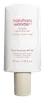
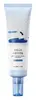
Haruharu Wonder Centella Calm Cloud SPF 60+ Versus Round Lab Birch Juice Moisturizing Sun Serum SPF 50+
This chemical sunscreen covers most of the UV range, lighter on the deep UVA that drives aging.
This chemical sunscreen covers the full UV range and blocks ~98% of UVB at SPF 50.

What's inside
What's inside
 Key Ingredients
Benefits
Concerns
Ingredients Side-by-side
Butyl Methoxydibenzoylmethane 2.7%
UV Absorber
Homosalate 13.6%
Skin Conditioning
Ethylhexyl Salicylate 4.5%
UV Absorber
Octocrylene 9%
UV Absorber

Water
Skin ConditioningButyloctyl Salicylate
Skin Conditioning
Propanediol
Solvent

Polymethylsilsesquioxane

C20-22 Alkyl Phosphate
EmulsifyingC20-22 Alcohols
Emulsion Stabilising
1,2-Hexanediol
Skin Conditioning
Pentylene Glycol
Skin Conditioning
Panthenol
Skin Conditioning


Methyl Trimethicone
Skin Conditioning
Dimethicone/Vinyl Dimethicone Crosspolymer
Skin Conditioning
Glyceryl Stearate
Emollient

Vp/Eicosene Copolymer
Tromethamine
BufferingPolyacrylate Crosspolymer-6
Emulsion StabilisingSilica
Abrasive


Ammonium Acryloyldimethyltaurate/Vp Copolymer
Ethylhexylglycerin
Skin ConditioningButylene Glycol
Humectant
Methylpropanediol
SolventPolyether-1
Ceramide NP
Skin Conditioning

Sodium Hyaluronate
Humectant
Tocopherol
Antioxidant



Biosaccharide Gum-1
Humectant
Centella Asiatica Extract
Cleansing
Butyl Methoxydibenzoylmethane 2.7%, Homosalate 13.6%, Ethylhexyl Salicylate 4.5%, Octocrylene 9%, Water, Butyloctyl Salicylate, Propanediol, Polymethylsilsesquioxane, C20-22 Alkyl Phosphate, C20-22 Alcohols, 1,2-Hexanediol, Pentylene Glycol, Panthenol, Methyl Trimethicone, Dimethicone/Vinyl Dimethicone Crosspolymer, Glyceryl Stearate, Vp/Eicosene Copolymer, Tromethamine, Polyacrylate Crosspolymer-6, Silica, Ammonium Acryloyldimethyltaurate/Vp Copolymer, Ethylhexylglycerin, Butylene Glycol, Methylpropanediol, Polyether-1, Ceramide NP, Sodium Hyaluronate, Tocopherol, Biosaccharide Gum-1, Centella Asiatica Extract
Water
Skin ConditioningBetula Platyphylla Japonica Juice
Skin Conditioning
Glycerin
Humectant
Dibutyl Adipate
EmollientButylene Glycol
Humectant
Ethylhexyl Triazone
UV Absorber
Terephthalylidene Dicamphor Sulfonic Acid
UV Absorber
Niacinamide
Smoothing

Silica
Abrasive
Dimethicone
Emollient
Tromethamine
BufferingPolyglyceryl-6 Stearate
Emollient
Sodium Hyaluronate
Humectant
Artemisia Annua Extract
Masking
Anthemis Nobilis Flower Oil
Masking


Pinus Sylvestris Leaf Oil
Masking
Aloe Barbadensis Leaf Extract
Emollient
Dioscorea Japonica Root Extract
Skin Conditioning
Laminaria Japonica Extract
Skin Protecting
Ulmus Davidiana Root Extract
Skin Conditioning
Viola Mandshurica Flower Extract
Antioxidant
Hydrolyzed Hyaluronic Acid
Humectant
Hyaluronic Acid
Humectant
Diethylamino Hydroxybenzoyl Hexyl Benzoate
UV Filter
Methyl Trimethicone
Skin Conditioning
Polysilicone-15
UV Filter
Pentylene Glycol
Skin Conditioning
Bis-Ethylhexyloxyphenol Methoxyphenyl Triazine
UV Absorber
Hydroxyethyl Urea
Humectant
1,2-Hexanediol
Skin Conditioning
Poly C10-30 Alkyl Acrylate
Emulsion StabilisingDimethicone/Vinyl Dimethicone Crosspolymer
Skin Conditioning
Hydroxyacetophenone
Antioxidant
Sodium Polyacryloyldimethyl Taurate
Emulsion StabilisingPolyglyceryl-6 Behenate
Emulsion Stabilising
Glyceryl Stearate
Emollient
Hydroxypropyl Methylcellulose Stearoxy Ether
Sodium Stearoyl Glutamate
CleansingMethylpropanediol
SolventPolyether-1
Glyceryl Glucoside
Humectant
Dehydroxanthan Gum
Emulsion StabilisingPolyacrylate Crosspolymer-6
Emulsion StabilisingAdenosine
Skin Conditioning
Arginine
Masking
Caprylic Acid
CleansingDipropylene Glycol
HumectantCetearyl Olivate
Sorbitan Olivate
Emulsifying
Hydrogenated Lecithin
Emulsifying
Betulin
Skin ConditioningHydroxypropyltrimonium Hyaluronate
Sodium Acetylated Hyaluronate
Humectant
Sodium DNA
Skin Conditioning
Glycine
Buffering
Glutamic Acid
Humectant
Hydrolyzed Sodium Hyaluronate
Skin Conditioning
Sodium Hyaluronate Crosspolymer
Humectant
Potassium Hyaluronate
Skin ConditioningBehenyl Alcohol
Emollient
Carbomer
Emulsion StabilisingCetearyl Alcohol
Emollient


Water, Betula Platyphylla Japonica Juice, Glycerin, Dibutyl Adipate, Butylene Glycol, Ethylhexyl Triazone, Terephthalylidene Dicamphor Sulfonic Acid, Niacinamide, Silica, Dimethicone, Tromethamine, Polyglyceryl-6 Stearate, Sodium Hyaluronate, Artemisia Annua Extract, Anthemis Nobilis Flower Oil, Pinus Sylvestris Leaf Oil, Aloe Barbadensis Leaf Extract, Dioscorea Japonica Root Extract, Laminaria Japonica Extract, Ulmus Davidiana Root Extract, Viola Mandshurica Flower Extract, Hydrolyzed Hyaluronic Acid, Hyaluronic Acid, Diethylamino Hydroxybenzoyl Hexyl Benzoate, Methyl Trimethicone, Polysilicone-15, Pentylene Glycol, Bis-Ethylhexyloxyphenol Methoxyphenyl Triazine, Hydroxyethyl Urea, 1,2-Hexanediol, Poly C10-30 Alkyl Acrylate, Dimethicone/Vinyl Dimethicone Crosspolymer, Hydroxyacetophenone, Sodium Polyacryloyldimethyl Taurate, Polyglyceryl-6 Behenate, Glyceryl Stearate, Hydroxypropyl Methylcellulose Stearoxy Ether, Sodium Stearoyl Glutamate, Methylpropanediol, Polyether-1, Glyceryl Glucoside, Dehydroxanthan Gum, Polyacrylate Crosspolymer-6, Adenosine, Arginine, Caprylic Acid, Dipropylene Glycol, Cetearyl Olivate, Sorbitan Olivate, Hydrogenated Lecithin, Betulin, Hydroxypropyltrimonium Hyaluronate, Sodium Acetylated Hyaluronate, Sodium DNA, Glycine, Glutamic Acid, Hydrolyzed Sodium Hyaluronate, Sodium Hyaluronate Crosspolymer, Potassium Hyaluronate, Behenyl Alcohol, Carbomer, Cetearyl Alcohol
Reviews
Ingredients Explained
These ingredients are found in both products.
Ingredients higher up in an ingredient list are typically present in a larger amount.
1,2-Hexanediol is a synthetic liquid and another multi-functional powerhouse.
It is a:
- Humectant, drawing moisture into the skin
- Emollient, helping to soften skin
- Solvent, dispersing and stabilizing formulas
- Preservative booster, enhancing the antimicrobial activity of other preservatives
Butylene Glycol (or BG) is used within cosmetic products for a few different reasons:
Overall, Butylene Glycol is a safe and well-rounded ingredient that works well with other ingredients.
Though this ingredient works well with most skin types, some people with sensitive skin may experience a reaction such as allergic rashes, closed comedones, or itchiness.
Learn more about Butylene GlycolThis ingredient is a silicone elastomer that works as a texture enhancer, adds a silky slip, and also helps absorb excess oil.
Because it's a large macromolecule that's insoluble in water and chemically inert, it's not expected to penetrate or be absorbed into skin.
Human patch tests with a facial lotion containing 1% of this ingredient found no sensitization.
Learn more about Dimethicone/Vinyl Dimethicone CrosspolymerGlyceryl Stearate is made by reacting glycerin with stearic acid (typically sourced from plant oils like palm or coconut). It's an emulsifier, emollient, and mild occlusive.
Emulsifiers help ingredients like oil and water stay mixed so your formula stays nicely blended and uniform in texture.
This ingredient is typically used in concentrations between 1-10%. Studies have found it to be non-sensitizing, non-phototoxic, and non-photoallergenic.
A close cousin of this ingredient is Glyceryl Stearate SE ("self-emulsifying"). This just has a small amount of sodium or potassium stearate added so it can emulsify without a co-emulsifier.
Since this ingredient is an ester of a C18 fatty acid, it may not be fungal acne safe. The Malassezia yeast can potentially metabolize within the C11-C24 range.
Fun fact: The human body also creates Glyceryl Stearate naturally.
Learn more about Glyceryl StearateMethyl Trimethicone is a type of silicone. It is a solvent and emulsifier.
Solvents are used to keep ingredients together in a product. They can help dissolve ingredients to stable bases or help evenly distribute ingredients throughout the product.
Emulsifiers help stabilize a product. It does this by preventing certain ingredients from separating.
Methyl Trimethicone does not get absorbed into the skin.
Learn more about Methyl TrimethiconeMethylpropanediol is a synthetic solvent and humectant.
As a solvent, it helps dissolve other ingredients, helping to evenly distribute ingredients throughout the product. This ingredient has also been shown to have antimicrobial properties which makes it a preservative booster.
Methylpropanediol is able to add a bit of moisture to the skin. It also helps other ingredients be better absorbed into the skin, such as salicylic acid.
Learn more about MethylpropanediolPentylene Glycol (1,2-pentanediol) is a multitasking little diol with three main roles in a formula:
Research on alkanediols (the family pentylene glycol belongs to) show they work by disrupting microbial cell membranes. This disruption helps the primary preservative system in a product work more effectively at lower doses.
On the safety side, the Cosmetic Ingredient Review Expert Panel has concluded this ingredient to be safe as used in current cosmetic practices + concentrations.
Typical use levels in a formula run about 1-5%.
Learn more about Pentylene GlycolPolyacrylate Crosspolymer-6 is a texture enhancer and pH adjuster.
It is be used to thicken water-based products and create a gel-texture with a velvet feel.
One manufacturer claims this ingredient to have a pH range of 2-8 and to be biodegradable.
This ingredient is also known as Sepimax Zen.
Learn more about Polyacrylate Crosspolymer-6We don't have a description for Polyether-1 yet.
Silica, also known as silicon dioxide, is a naturally occurring mineral. It is used as a fine, spherical, and porous powder in cosmetics.
Though it has exfoliant properties, the function of silica varies depending on the product.
The unique structure of silica enhances the spreadability and adds smoothness, making it a great texture enhancer.
It is also used as an active carrier, emulsifier, and mattifier due to its ability to absorb excess oil.
In some products, tiny microneedles called spicules are made from silica or hydrolyzed sponge. When you rub them in, they lightly polish away dead skin layers and enhance the penetration of active ingredients.
Learn more about SilicaSodium Hyaluronate is the salt form of hyaluronic acid. It is a long sugar chain that is naturally found in your skin, joints, and connective tissue that maintains hydration and elasticity.
In skincare, it works as a humectant. It pulls water from the environment and deeper layers of skin and binds it to the surface.
Interestingly, the size of the molecule affects its behavior:
Some clinical evidence links low molecular weight versions to improved wrinkle depth, elasticity, anti-inflammatory effects, and barrier repair.
Many serums use a blend of both weights so you can get surface hydration plus longer-lasting and deeper effects.
You'll typically see concentrations between 0.1-2% for this ingredient.
Learn more about Sodium HyaluronateTromethamine (aka THAM) is a synthetic amino acid that shows up in skincare as a helper ingredient.
It functions as a pH adjuster to help neutralize acidic ingredients and set a formula's pH to the right spot.
This matters a lot because a lot of actives (like vitamin C) needs a specific pH to work well and feel comfortable on skin.
Concentration use ranges from 0.1-1.0% depending on the formula.
Learn more about TromethamineWater. It's the most common cosmetic ingredient of all. You'll usually see it at the top of ingredient lists, meaning that it makes up the largest part of the product.
So why is it so popular? Water most often acts as a solvent - this means that it helps dissolve other ingredients into the formulation.
You'll also recognize water as that liquid we all need to stay alive. If you see this, drink a glass of water. Remember to stay hydrated!
Learn more about Water

