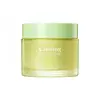
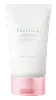
Goodal Heartleaf Calming Moisture Cream Versus SKIN1004 Madagascar Centella Poremizing Light Gel Cream
This calming moisturizer is formulated around Houttuynia Cordata Extract and Panthenol to calm redness and hydrate skin.
This pore-care moisturizer is formulated around Centella Asiatica Extract and Niacinamide to refine the look of pores and calm redness.

What's inside
What's inside
 Key Ingredients
Benefits
Concerns
Ingredients Side-by-side
Houttuynia Cordata Extract
Skin Conditioning

Water
Skin ConditioningC13-16 Isoalkane
SolventBetaine
Humectant

Butylene Glycol
Humectant
C12-14 Isoparaffin
Solvent
Pentylene Glycol
Skin Conditioning
Glycerin
Humectant
Citrus Aurantium Dulcis Peel Oil
Masking

Melia Azadirachta Flower Extract
Skin ConditioningMelia Azadirachta Leaf Extract
Skin ConditioningCurcuma Longa Root Extract
Antioxidant

Ocimum Sanctum Leaf Extract
Skin ConditioningTheobroma Cacao Seed Extract
Antioxidant
Lavandula Angustifolia Oil
Masking

Ocimum Basilicum Oil
Masking
Corallina Officinalis Extract
Skin Conditioning

Centella Asiatica Leaf Extract
Skin Conditioning
Hydrogenated Polydecene
EmollientVinyldimethicone

Caprylyl Methicone
Skin Conditioning
Hydroxyethyl Acrylate/Sodium Acryloyldimethyl Taurate Copolymer
Emulsion StabilisingPanthenol
Skin Conditioning
Acrylates/C10-30 Alkyl Acrylate Crosspolymer
Emulsion StabilisingDimethicone/Vinyl Dimethicone Crosspolymer
Skin Conditioning
Dimethiconol
Emollient
Tromethamine
BufferingDipotassium Glycyrrhizate
Humectant
Glyceryl Acrylate/Acrylic Acid Copolymer
HumectantEthylhexylglycerin
Skin Conditioning1,2-Hexanediol
Skin Conditioning
Silica
Abrasive


Madecassoside
Antioxidant
Dextrin
AbsorbentAsiaticoside
Antioxidant
Tocopherol
Antioxidant


Xanthan Gum
EmulsifyingDisodium EDTA
ChelatingHouttuynia Cordata Extract, Water, C13-16 Isoalkane, Betaine, Butylene Glycol, C12-14 Isoparaffin, Pentylene Glycol, Glycerin, Citrus Aurantium Dulcis Peel Oil, Melia Azadirachta Flower Extract, Melia Azadirachta Leaf Extract, Curcuma Longa Root Extract, Ocimum Sanctum Leaf Extract, Theobroma Cacao Seed Extract, Lavandula Angustifolia Oil, Ocimum Basilicum Oil, Corallina Officinalis Extract, Centella Asiatica Leaf Extract, Hydrogenated Polydecene, Vinyldimethicone, Caprylyl Methicone, Hydroxyethyl Acrylate/Sodium Acryloyldimethyl Taurate Copolymer, Panthenol, Acrylates/C10-30 Alkyl Acrylate Crosspolymer, Dimethicone/Vinyl Dimethicone Crosspolymer, Dimethiconol, Tromethamine, Dipotassium Glycyrrhizate, Glyceryl Acrylate/Acrylic Acid Copolymer, Ethylhexylglycerin, 1,2-Hexanediol, Silica, Madecassoside, Dextrin, Asiaticoside, Tocopherol, Xanthan Gum, Disodium EDTA
Centella Asiatica Extract
Cleansing
Water
Skin ConditioningPropanediol
Solvent
Aloe Barbadensis Leaf Extract
Emollient
1,2-Hexanediol
Skin Conditioning
Niacinamide
Smoothing

Glycerin
Humectant
Xylitol
Humectant
Butylene Glycol
Humectant
Carbomer
Emulsion StabilisingTromethamine
BufferingSodium Polyacryloyldimethyl Taurate
Emulsion StabilisingBiosaccharide Gum-1
Humectant
Betaine
Humectant
Pvp
Emulsion StabilisingSedum Sarmentosum Extract
HumectantHydrogenated Polydecene
EmollientEthylhexylglycerin
Skin ConditioningAdenosine
Skin Conditioning
Hydroxyethylcellulose
Emulsion StabilisingCoccinia Indica Fruit Extract
Skin Conditioning
Eclipta Prostrata Extract
Skin Conditioning
Hydrolyzed Gardenia Florida Extract
Antioxidant
Hydrolyzed Malt Extract
Skin ConditioningDisodium EDTA
ChelatingHydrolyzed Viola Tricolor Extract
Skin ProtectingMelia Azadirachta Flower Extract
Skin ConditioningOcimum Sanctum Leaf Extract
Skin ConditioningMelia Azadirachta Leaf Extract
Skin ConditioningTrideceth-10
CleansingSea Water
HumectantPanthenol
Skin Conditioning
Curcuma Longa Root Extract
Antioxidant
Hyaluronic Acid
Humectant
Hydrolyzed Hyaluronic Acid
Humectant
Sodium Hyaluronate
Humectant
Xylitylglucoside
Humectant
Corallina Officinalis Extract
Skin Conditioning
Anhydroxylitol
Humectant
Oenothera Biennis Flower Extract
AstringentPueraria Lobata Root Extract
HumectantPinus Palustris Leaf Extract
TonicUlmus Davidiana Root Extract
Skin Conditioning
Castanea Crenata Shell Extract
Skin ConditioningHamamelis Virginiana Leaf Water
Astringent
Lavandula Angustifolia Flower Extract
Cleansing
Chamaecyparis Obtusa Water
MaskingChenopodium Quinoa Seed Extract
Skin Conditioning
Allantoin
Skin Conditioning
CI 77004
Cosmetic ColorantMineral Salts
Skin ConditioningCentella Asiatica Extract, Water, Propanediol, Aloe Barbadensis Leaf Extract, 1,2-Hexanediol, Niacinamide, Glycerin, Xylitol, Butylene Glycol, Carbomer, Tromethamine, Sodium Polyacryloyldimethyl Taurate, Biosaccharide Gum-1, Betaine, Pvp, Sedum Sarmentosum Extract, Hydrogenated Polydecene, Ethylhexylglycerin, Adenosine, Hydroxyethylcellulose, Coccinia Indica Fruit Extract, Eclipta Prostrata Extract, Hydrolyzed Gardenia Florida Extract, Hydrolyzed Malt Extract, Disodium EDTA, Hydrolyzed Viola Tricolor Extract, Melia Azadirachta Flower Extract, Ocimum Sanctum Leaf Extract, Melia Azadirachta Leaf Extract, Trideceth-10, Sea Water, Panthenol, Curcuma Longa Root Extract, Hyaluronic Acid, Hydrolyzed Hyaluronic Acid, Sodium Hyaluronate, Xylitylglucoside, Corallina Officinalis Extract, Anhydroxylitol, Oenothera Biennis Flower Extract, Pueraria Lobata Root Extract, Pinus Palustris Leaf Extract, Ulmus Davidiana Root Extract, Castanea Crenata Shell Extract, Hamamelis Virginiana Leaf Water, Lavandula Angustifolia Flower Extract, Chamaecyparis Obtusa Water, Chenopodium Quinoa Seed Extract, Allantoin, CI 77004, Mineral Salts
Reviews
Ingredients Explained
These ingredients are found in both products.
Ingredients higher up in an ingredient list are typically present in a larger amount.
1,2-Hexanediol is a synthetic liquid and another multi-functional powerhouse.
It is a:
- Humectant, drawing moisture into the skin
- Emollient, helping to soften skin
- Solvent, dispersing and stabilizing formulas
- Preservative booster, enhancing the antimicrobial activity of other preservatives
Betaine is a humectant. Like hyaluronic acid, it helps attract and retain moisture in the skin. It’s known for being gentle and for helping the skin maintain balanced hydration.
Betaine is mainly used to improve hydration and support calmer skin. It helps skin cells regulate water balance because it functions as an osmolyte.
Some studies suggest betaine may support making skin tone more even.
Fun fact: Betaine naturally exists in the skin and the body. In cosmetic products, it can be either plant-derived (most commonly from sugar beets) or synthetically produced for consistency and stability.
Betaine is also known as trimethylglycine.
Learn more about BetaineButylene Glycol (or BG) is used within cosmetic products for a few different reasons:
Overall, Butylene Glycol is a safe and well-rounded ingredient that works well with other ingredients.
Though this ingredient works well with most skin types, some people with sensitive skin may experience a reaction such as allergic rashes, closed comedones, or itchiness.
Learn more about Butylene GlycolCorallina Officinalis Extract comes from the small red seaweed that grows on rocky coastlines that feels stiff to the touch because it builds calcium carbonate right into its cell walls.
That mineral content is basically its whole selling point: the extract brings calcium, magnesium, and trace minerals along with sugars (polysaccharides) and proteins. This is why formulators use it as a skin-conditioning and hydrating ingredient.
Lab testing does back up decent antioxidant activity for this species. A study comparing twelve red seaweeds found Corallina Officinalis stood out for its free-radical scavenging capacity. And a separate study found meaningful radical scavenging plus antibacterial activity from the raw biomass.
It's worth being clear that most of this is test-tube work on raw-algae and not a clinical trial on a finished cream.
On concentration, a 2020 industry survey found it's used at up to 2% in makeup and skincare. Safety-wise, it's as boring as it gets: the Cosmetic Ingredient Review Expert Panel concluded this ingredient (along with the powder, Thallus Extract, and Hydrolyzed versions) to be safe as used in cosmetics and cited negative sensitization data.
There's no meaningful record of it causing allergic contact dermatitis, but be sure to patch test if you are unsure.
You'll see algae/seaweed listed as a 5/5 on a lot of pore-clogging charts and that number doesn't come from anywhere; it's not in the original rabbit-ear studies that most comedogenic ratings trace back to.
The reasoning behind the reputation is that seaweed is high in iodine and iodine can trigger acne-like breakouts when eaten. This traces back to a 1976 letter in Archives of Dermatology describing two women whose breakouts cleared after they stopped taking high-dose kelp supplements orally.
And the reaction of these two women wasn't clogged pores at all: it was an iodine-triggered pustular rash. Later research found normal dietary iodine doesn't meaningfully affect acne either and nobody has shown topical seaweed delivers enough iodine to matter.
What we do have is dozens of brown and red algae ingredients found to be non-irritating and non-sensitizing, and a handful of studies that found algae compounds may actually help acne.
However, plenty of people do report breaking out from algae-containing products. Skin is individual and it's worth avoiding if yours has reacted to algae before.
Learn more about Corallina Officinalis ExtractCurcuma Longa Root Extract comes from the rhizome (underground stem) of the turmeric plant.
While the official EU Cosing Database lists this ingredient as a fragrance, it actually does more than give products a scent.
This ingredient contains a group of yellow pigments called curcuminoids (mostly curcumin) that give it genuine antioxidant and anti-inflammatory activity in skin.
Reviews of topical clinical studies have found turmeric/curcumin to be generally well-tolerated and useful across conditions like eczema and mild inflammation.
One thing working in its favor is that curcumin barely penetrates; in lab skin-permeation testing, the curcuminoids mostly stayed in the outermost layer of skin. This is a good thing because its soothing and antioxidant activity is a surface-level job anyway.
At this time, industry data shows there's no single "correct" cosmetic percentage. It's used across a wide range depending on the product and varies from tiny fractions of a percent up to a few percent.
Allergy-wise, curcumin is a documented (but uncommon) contact allergen. It can also cross react with related plants, so anyone with a turmeric/ginger/cinnamon allergy or reactive skin should patch test first.
Learn more about Curcuma Longa Root ExtractDisodium EDTA is a chelating agent. It grabs onto and deactivates metal ions that sneak into your products from water, packaging, or air.
This ingredient mainly works behind the scenes and helps with:
On top of that, this ingredient can counteract the effects of hard water by binding to the minerals in it.
One thing worth knowing is that Disodium EDTA has been shown to be a mild penetration enhancer. It can help other ingredients absorb into skin more effectively which can be a double-edged sword (great for actives, but can also make the active too strong if you have sensitive skin).
Clinical patch testing showed no significant skin irritation at typical use concentrations and minimal dermal absorption.
You'll most likely see this ingredient near the end of an ingredient list. It's typically found in concentrations less than 1%.
Learn more about Disodium EDTAEthylhexylglycerin is created from glycerin. It is a multitasker ingredient that:
The CIR Expert Panel found minimal skin absorption or sensitization of any kind in a safety assessment. Though this ingredient is considered well-tolerated, a small number of cases of allergic dermatitis have been published since 2002. Just be sure to patch test if you are unsure.
Industry-reported use ranges from 8% in rinse-off products and 2% in leave-on formulations.
Learn more about EthylhexylglycerinGlycerin (or glycerol) is a compound naturally found in your skin. It's a powerhouse humectant that pulls water into the stratum corneum.
Topically, glycerin does several things at once:
Your skin makes glycerin on its own (mostly from sebaceous oil breakdown) and shuttles it to your outermost layer of skin, or your epidermis, via aquaporin-3.
Aquaporin-3 is a transporter that is essential for normal skin hydration, elasticity, and repair. Interestingly, mice lacking in AQP3 have dry and less elastic skin that can be fully corrected with glycerin.
This ingredient is non-irritating, plays well with almost every ingredient, and works across all skin types. Typical use is anywhere between 3-10% but can go up to 79% in some leave-on products.
Just know very high concentrations (>40%) can feel tacky in low humidity.
Glycerin is the name for this ingredient in American English. British English uses Glycerol/Glycerine.
Learn more about GlycerinHydrogenated Polydecene is a synthetic emollient. It forms a non-occlusive film on the skin's surface to provide a silky feel without being greasy.
In vivo studies in volunteers with atopic and dry skin showed no irritation or intolerance. The volunteers also saw a positive effect in dryness, scaling, and roughness after 28 days of use.
Concentrations up to 100% in guinea pig tests found it to be non-sensitizing and completely safe for use in cosmetics.
Learn more about Hydrogenated PolydeceneMelia Azadirachta Flower Extract is from the Neem tree. Neem trees originate from India.
Melia Azadirachta Flower Extract contains antioxidants. Antioxidants help fight free-radicals. Free-radicals are molecules that may damage your skin cells, such as pollution.
The flowers of this tree are lilac colored.
Learn more about Melia Azadirachta Flower ExtractThis ingredient is also known as neem leaf extract. It contains natural compounds like nimbidin, quercetin, and other polyphenols that give it antibacterial, antifungal, and anti-inflammatory activity.
Lab studies have shown neem leaf extract can inhibit acne-related bacteria and help calm skin. Animal studies on wound gels using 1-3% neem leaf extract found it sped up healing without causing irritation.
A wound-healing study testing gels with the extract at 1%, 2%, and 3% concentrations and found none of them irritated the skin.
Most commercial products also use it in a similar low range (typically under 5%).
Allergy-wise, there are some case reports on neem oil causing allergic contact dermatitis so people with plant/botanical sensitivities may want to patch test first.
Learn more about Melia Azadirachta Leaf ExtractOcimum Sanctum Leaf Extract comes from the Holy Basil plant. Holy Basil is native to India.
Holy Basil is rich in antioxidants due to its high romarinic acid, ferulic acid, and rutin content. This gives it skin brightening and soothing properties.
While Holy Basil has many claims to help fight acne, more research is needed.
One thing to note is the presence of tannins; tannins are naturally found in nature. However, this compound may be skin-sensitizing.
Learn more about Ocimum Sanctum Leaf ExtractPanthenol is a common ingredient that helps hydrate and soothe the skin. It is found naturally in our skin and hair.
There are two forms of panthenol: D and L.
D-panthenol is also known as dexpanthenol. Most cosmetics use dexpanthenol or a mixture of D and L-panthenol.
Panthenol is famous due to its ability to go deeper into the skin's layers. Using this ingredient has numerous pros (and no cons):
Like hyaluronic acid, panthenol is a humectant. Humectants are able to bind and hold large amounts of water to keep skin hydrated.
This ingredient works well for wound healing. It works by increasing tissue in the wound and helps close open wounds.
Once oxidized, panthenol converts to pantothenic acid. Panthothenic acid is found in all living cells.
This ingredient is also referred to as pro-vitamin B5.
Learn more about PanthenolTromethamine (aka THAM) is a synthetic amino acid that shows up in skincare as a helper ingredient.
It functions as a pH adjuster to help neutralize acidic ingredients and set a formula's pH to the right spot.
This matters a lot because a lot of actives (like vitamin C) needs a specific pH to work well and feel comfortable on skin.
Concentration use ranges from 0.1-1.0% depending on the formula.
Learn more about TromethamineWater. It's the most common cosmetic ingredient of all. You'll usually see it at the top of ingredient lists, meaning that it makes up the largest part of the product.
So why is it so popular? Water most often acts as a solvent - this means that it helps dissolve other ingredients into the formulation.
You'll also recognize water as that liquid we all need to stay alive. If you see this, drink a glass of water. Remember to stay hydrated!
Learn more about Water

